Where puffins fly, humans flock: The vital role of the RSPB in safeguarding Britain’s natural heritage

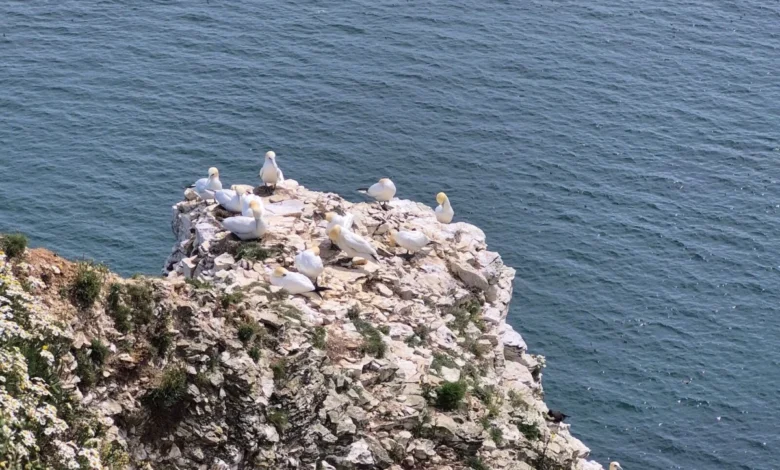
Bempton Cliffs, a dramatic expanse of chalky white precipices overlooking the North Sea, serves as a cornerstone of the Royal Society for the Protection of Birds (RSPB) network. As one of 220 managed nature reserves across the United Kingdom, Bempton exemplifies the delicate balance between public engagement and rigorous environmental stewardship. Founded in the late 19th century as a direct response to the fashion industry’s demand for bird feathers, the RSPB has evolved from a small advocacy group into the largest nature conservation charity in Europe. Today, the organization operates on a multifaceted funding model—relying on membership subscriptions, private donations, government grants, and visitor income—to protect vulnerable ecosystems against the growing pressures of climate change and overtourism.
A Chronology of Conservation Milestones
The RSPB’s methodology is rooted in a long history of hands-on, science-led intervention. The organization’s early milestones were characterized by "Operation Zebra" in 1947, when Minsmere was established as a protected site. The reserve’s genesis was serendipitous; during the Second World War, coastal pastures were intentionally flooded to prevent enemy landings. This defensive measure inadvertently created the ideal wetland conditions for the avocet, a species that had been absent from the British coastline for over a century. A group of veterans took it upon themselves to guard the nesting sites, a gesture that eventually paved the way for the avocet to become the symbolic emblem of the RSPB.
This tradition of civilian guardianship continued in 1954 with "Operation Osprey." Following the extinction of the osprey as a breeding bird in Great Britain due to historical hunting, a nesting pair was identified in the Abernethy Forest. In a feat of logistical coordination, the RSPB mobilized volunteers to monitor the nest 24 hours a day, effectively preventing poaching and allowing the population to recover. By the time Loch Garten was opened to the public, it attracted 14,000 visitors in just eight weeks, proving that public interest could serve as a powerful engine for conservation funding and awareness.

Current Landscape and Biodiversity Challenges
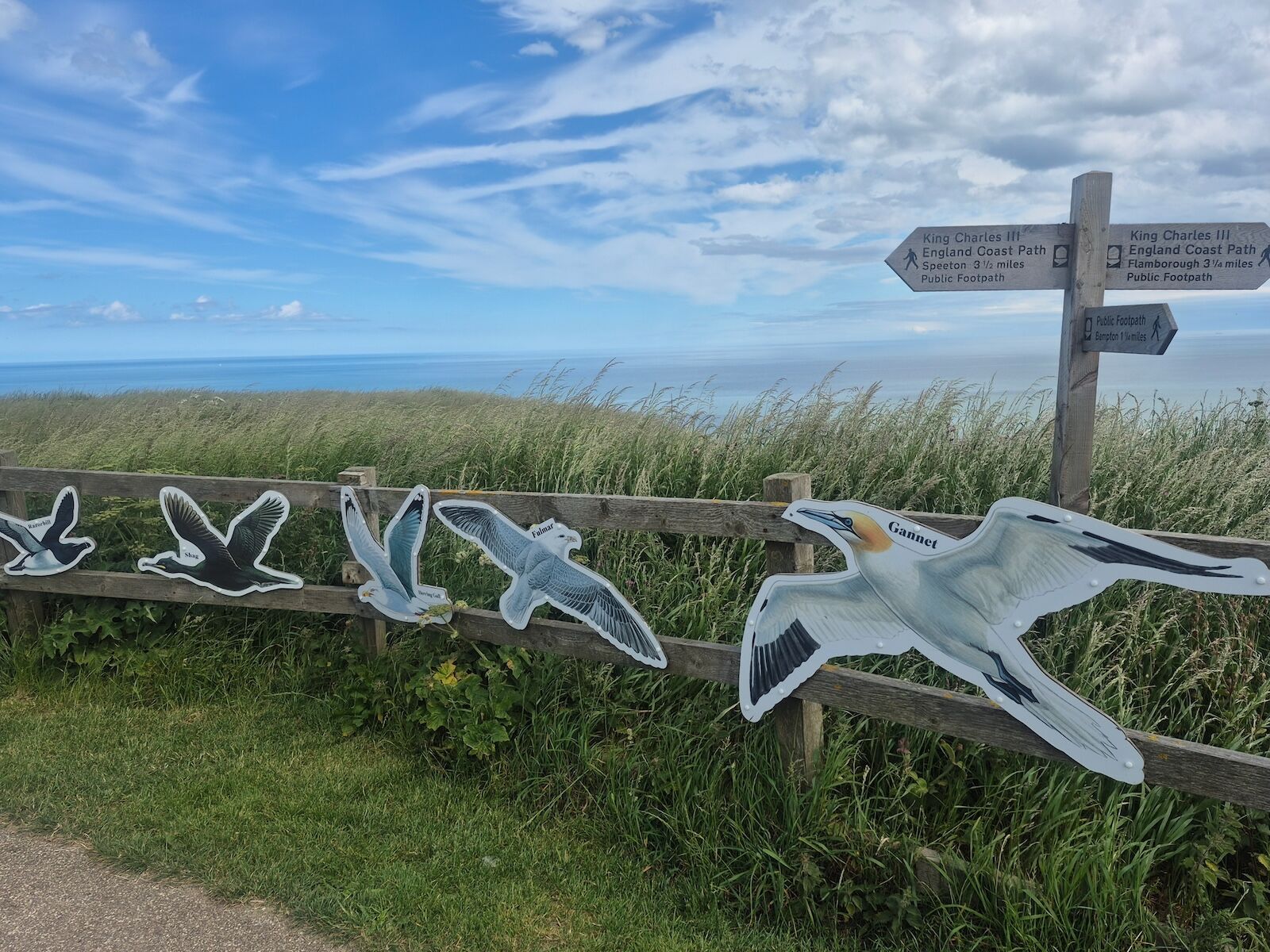
The biodiversity crisis in the United Kingdom is stark. Current data indicates that one in six species in Great Britain is at risk of extinction. Bempton Cliffs remains a primary site for assessing these trends. Between March and August, the cliffs host approximately half a million seabirds, including England’s only mainland gannet colony, as well as significant populations of kittiwakes, guillemots, and razorbills. The Atlantic puffin—often referred to as the "clown of the sea"—remains a focal point for researchers and tourists alike, with roughly 1,500 breeding pairs utilizing the burrows and crevices of the chalk bluffs during the peak May-to-June season.
Despite the relative health of these colonies, the species faces existential threats from industrial overfishing and the warming of the North Sea, which alters the distribution of sandeels, a primary food source for puffins. The impact of these factors led to the inclusion of the puffin on the "Birds of Conservation Concern Red List," the highest level of threat assessment in the UK.
However, policy shifts have begun to yield results. In 2024, following a 25-year advocacy campaign spearheaded by the RSPB and allied environmental groups, the UK government implemented a comprehensive ban on industrial sandeel fishing. Environmental analysts anticipate that this move will stabilize prey availability, potentially allowing the puffin and other affected seabirds to transition to the "Amber" status of concern in future assessments.
Institutional Operations and Volunteer Integration
The efficacy of the RSPB relies heavily on its 12,000-strong volunteer workforce. These individuals provide more than just site supervision; they conduct essential habitat management, perform detailed biological surveys, and act as frontline educators. According to Neil Boyes, the RSPB’s Head of Visitor Operations, the integration of experts and novices is central to the charity’s mandate.
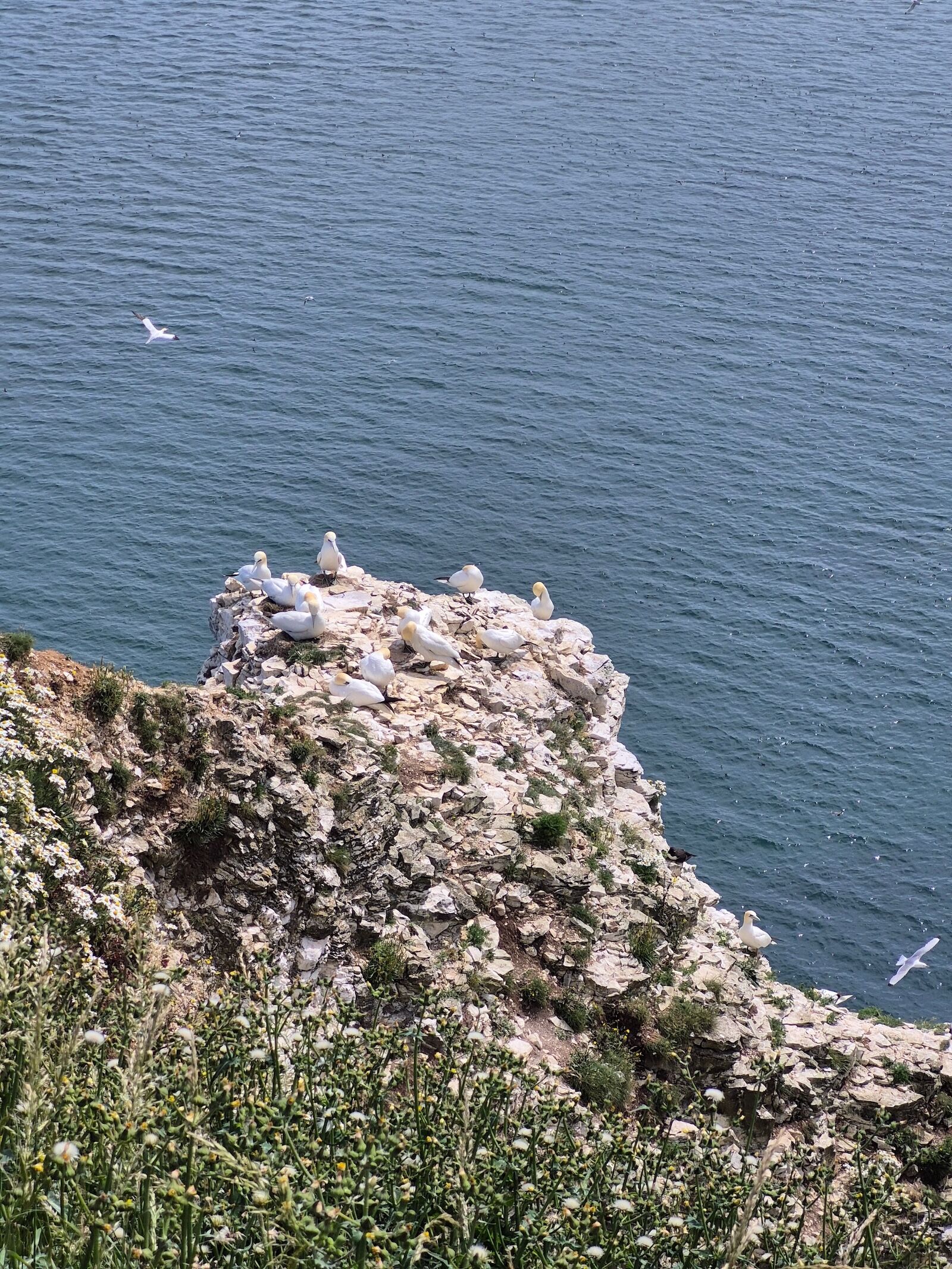
"Being as inclusive as possible means catering for people who’ve never set foot on a nature reserve before just as much as expert birders," Boyes states. By offering guided birding walks, pond dipping, and small mammal safaris, the reserves transform from passive landscapes into interactive classrooms. This accessibility is strategic; by fostering a personal connection with wildlife, the charity aims to cultivate a constituency of advocates who are more likely to support long-term environmental protection policies.
Economic and Logistical Implications
The management of nature reserves has profound implications for regional economies. Recent reports from Invest East Yorkshire highlighted that Bempton Cliffs saw 135,561 visitors in 2025, an 18 percent increase from the previous year. This surge in footfall provides a consistent economic boost to independent restaurants, hospitality services, and retail outlets in the surrounding coastal towns.
The RSPB has also sought to align tourism with sustainability through partnerships with organizations such as the B Corporation-certified "Holiday Cottages." Under these initiatives, a portion of revenue from rentals located near reserves is earmarked for the restoration of woodland habitats. Furthermore, the RSPB has prioritized public accessibility, with most major reserves providing detailed logistical guides for those using public transport. By incentivizing rail, bus, and bicycle travel, the charity seeks to minimize the carbon footprint associated with domestic tourism.
Broader Societal Impact and Future Outlook
The broader impact of the RSPB’s work extends far beyond the protection of individual species. By maintaining high-quality habitats, the charity contributes to natural carbon sequestration and flood mitigation. However, the scale of the challenge remains significant. The "Birds of Conservation Concern" framework serves as a constant reminder that the status quo is insufficient.
"Wildlife in the UK is in serious trouble," Boyes notes. "If there was one message I’d want visitors to our reserves to leave with, it’s that taking action to help save nature is something every one of us can do, and the need has never been greater."
For the average visitor, the experience of a reserve like Bempton Cliffs offers more than a bird-watching opportunity; it offers a glimpse into a managed ecological system. The camaraderie observed at these sites—where strangers share binoculars and exchange data on sightings—suggests that the reserves function as "community hubs" for conservation. This communal approach is intended to decentralize the act of environmental protection, moving it from a purely scientific pursuit into a daily, societal norm.
As the RSPB looks toward the next century, its strategy remains anchored in three pillars: robust scientific research, aggressive advocacy for legislative change, and the provision of public access to the natural world. The success of this model will be measured not only by the recovery of red-listed species but by the charity’s ability to remain financially sustainable in an era of tightening economic conditions. By transforming the public from passive observers into active participants in the conservation cycle, the RSPB maintains its position as a vital guardian of the British landscape.
The future of these reserves depends on the continued, and perhaps increased, involvement of the public. Whether through membership, volunteering, or simply visiting with a heightened awareness of environmental stewardship, each interaction contributes to the broader effort. As climate conditions continue to shift, the resilience of these avian colonies will depend entirely on the efficacy of these protective measures and the continued public engagement that makes them possible. The work conducted at Bempton Cliffs and across the UK’s reserve network is, ultimately, a testament to the idea that collective action is the most effective tool for preventing the loss of biodiversity.
Related posts: