Virginia Beach Beyond the Boardwalk: A Guide to the Region’s Rising Soft Adventure and Cultural Scene

Virginia Beach has long been recognized as a traditional East Coast summer destination, yet recent developments in infrastructure and a strategic shift toward experiential tourism have transformed the coastal city into a year-round hub for soft adventure. While visitors were previously drawn to the area primarily for its expansive boardwalk and seasonal festivals—such as the Labor Day weekend Super Girl Surf Festival, which recently featured headliners CeeLo Green, Lupe Fiasco, and Switchfoot—the city is now diversifying its appeal. This transition is marked by the integration of high-tech recreational facilities, a revitalized creative district, and an emphasis on the region’s unique maritime heritage.
The Evolution of the Atlantic Park Development
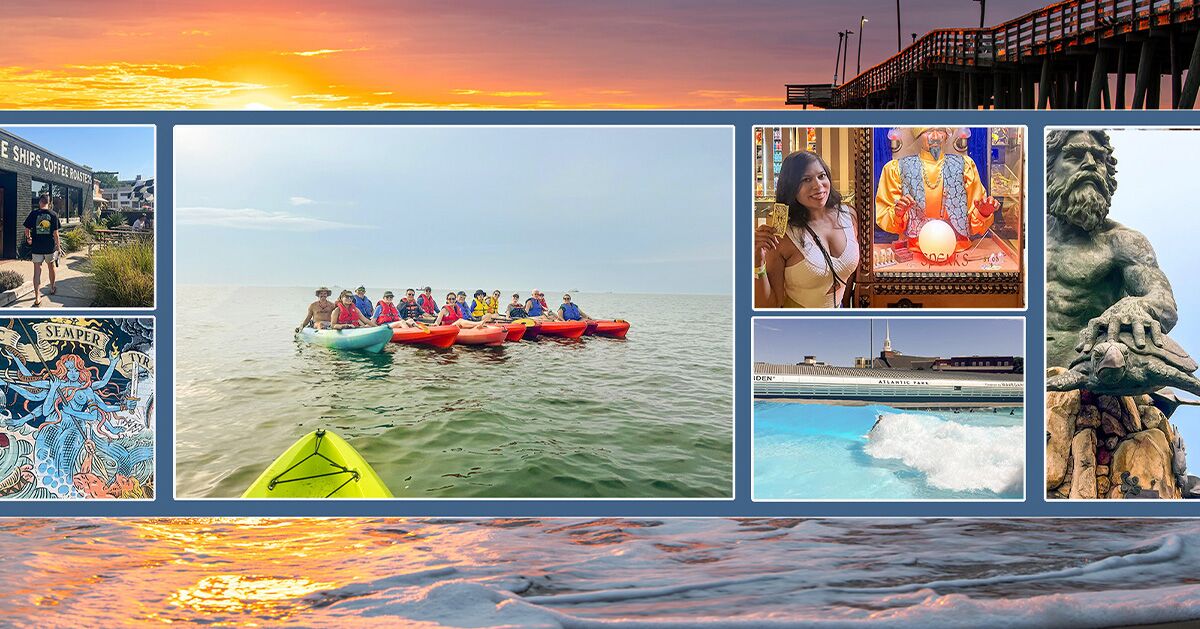
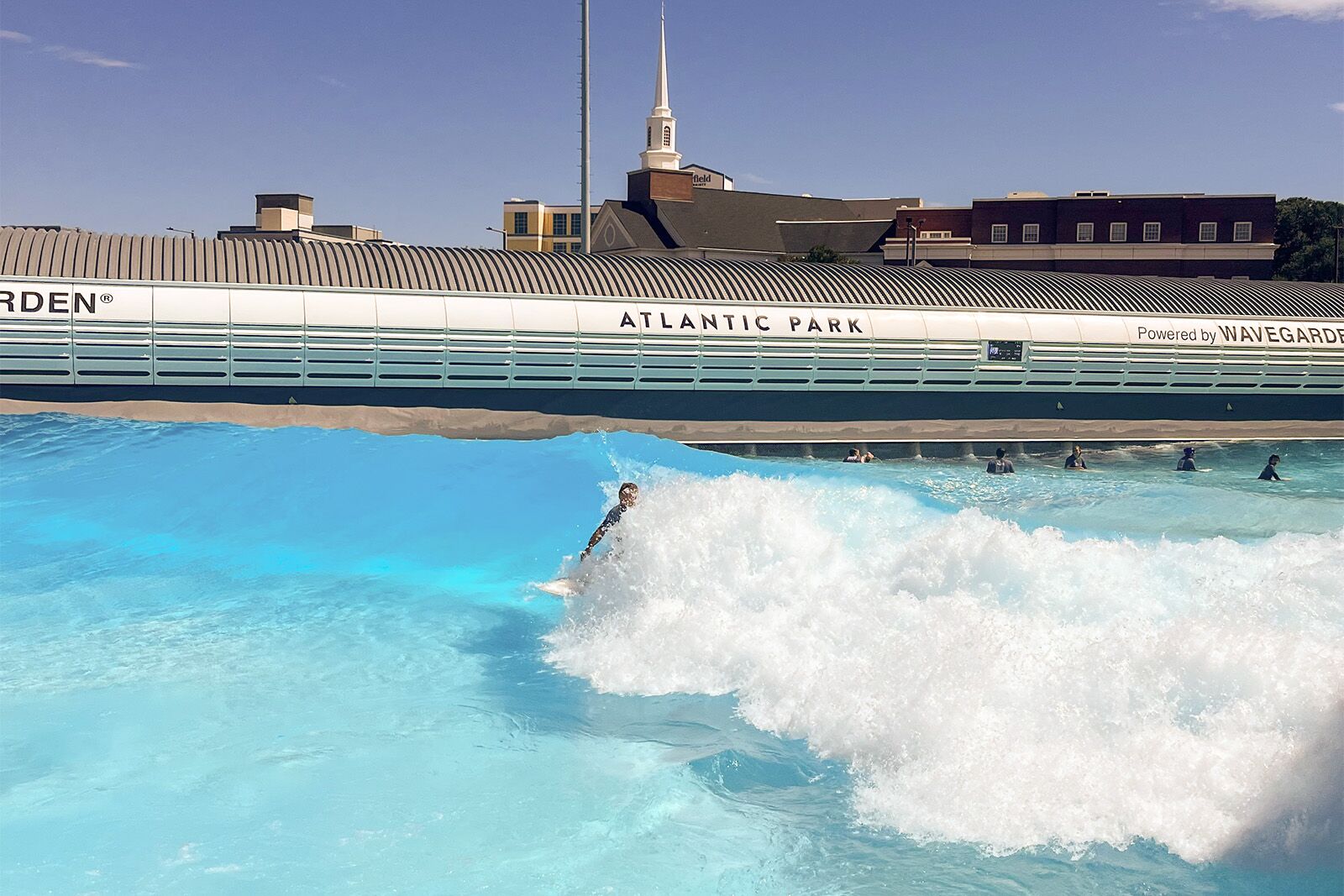
A primary catalyst for this shift is the 2025 opening of Atlantic Park, a multi-million-dollar development that significantly alters the local tourism landscape. Central to this project is the Atlantic Park Surf lagoon, a state-of-the-art wave pool designed to offer consistent, high-quality surfing conditions regardless of ocean swells. Unlike natural beach breaks, which rely on unpredictable weather patterns, the lagoon provides a controlled environment that caters to a broad demographic, from novices to seasoned surfers.
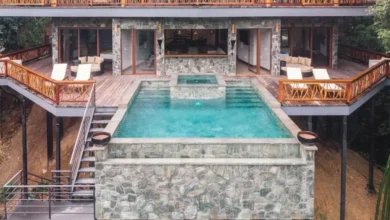
The economic implications of such facilities are notable. By providing a year-round attraction, Virginia Beach is successfully mitigating the "off-season" slump that historically challenged local hospitality businesses. The inclusion of The Sitio, a boutique 20-room hotel integrated directly into the park, further demonstrates a shift toward high-end, lifestyle-oriented travel. Industry analysts suggest that this "surf-centric" infrastructure serves as a model for other coastal cities looking to extend their tourism seasons through capital-intensive recreational assets.
Maritime Heritage and Environmental Tourism
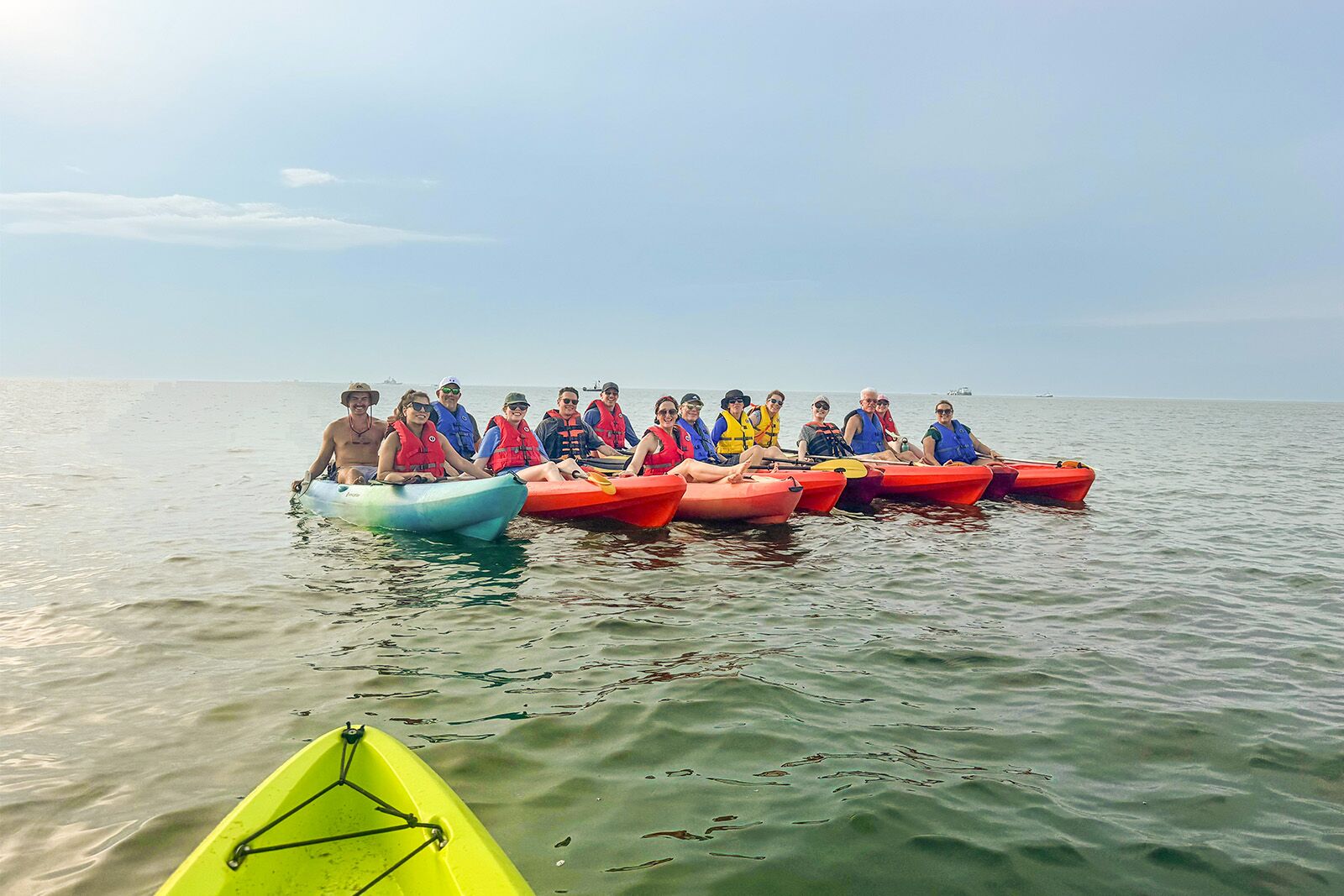
While man-made attractions are driving new growth, the city continues to leverage its natural assets. The Chesapeake Bay remains a focal point for environmental and soft-adventure tourism. Guided excursions, such as the sunset dolphin tours operated by Chesapean Outdoors, have seen an uptick in demand as travelers seek more immersive, eco-conscious experiences.
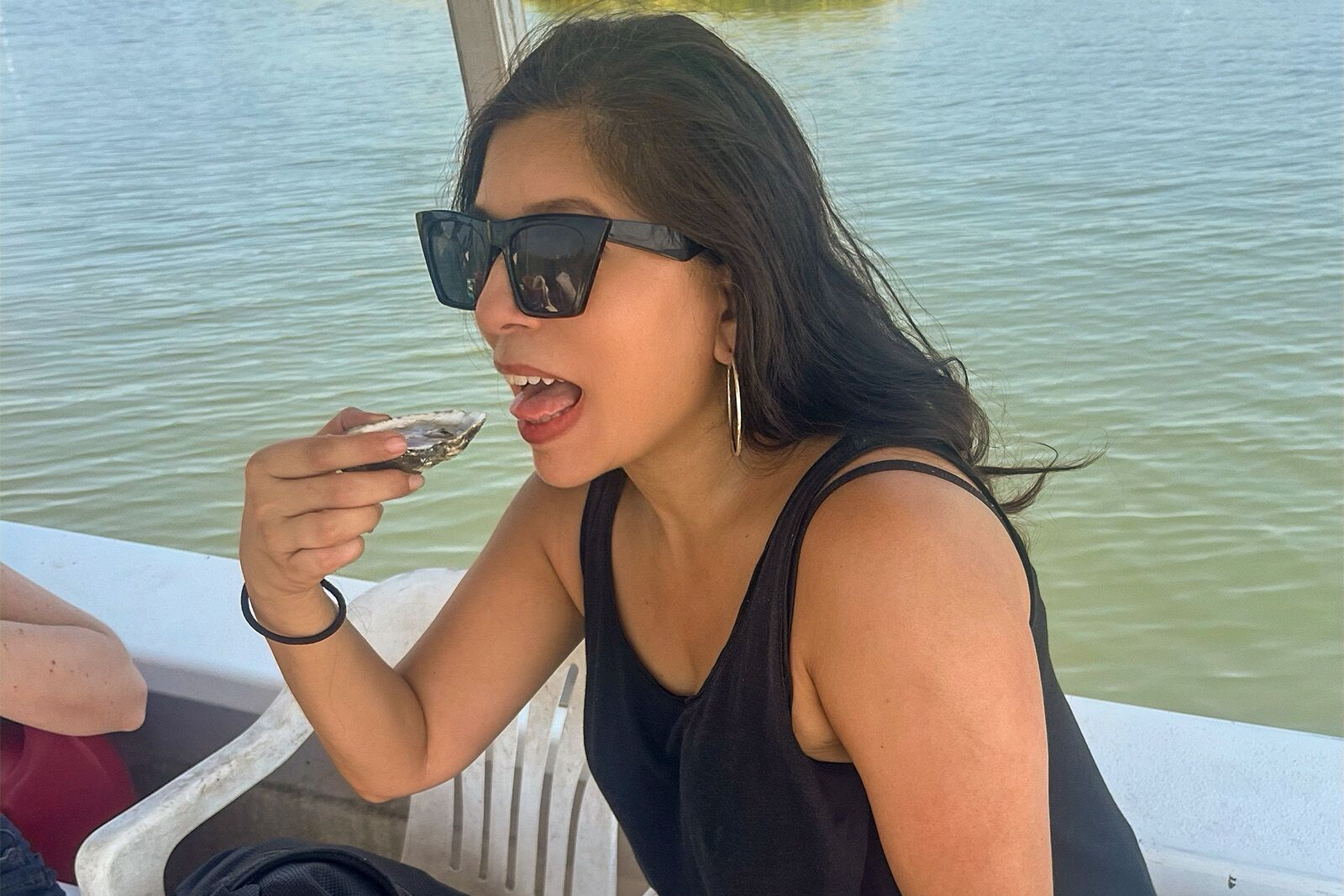
These tours typically span two hours, offering a unique intersection of wildlife observation and physical activity. The logistics of these excursions—often requiring small-group instruction for beginners—highlights the city’s growing focus on accessibility in adventure sports. Furthermore, the oyster industry in the Lynnhaven River has transitioned from a purely commercial venture to an educational tourism pillar. By allowing visitors to tour active farms, such as Pleasure House Oysters, the region is successfully branding its culinary heritage as a core part of the visitor experience. These interactions provide transparency into the aquaculture process, from the initial seeding of oysters to the multi-year maturation cycle, fostering a greater appreciation for the local ecosystem.
Cultural Preservation and the ViBe Creative District
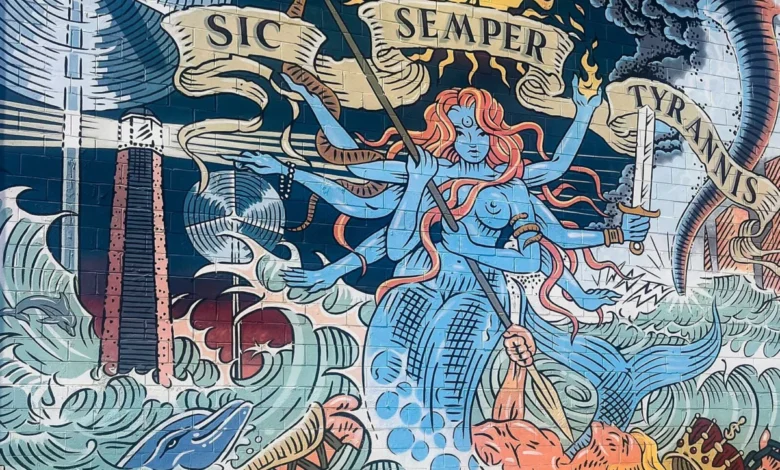
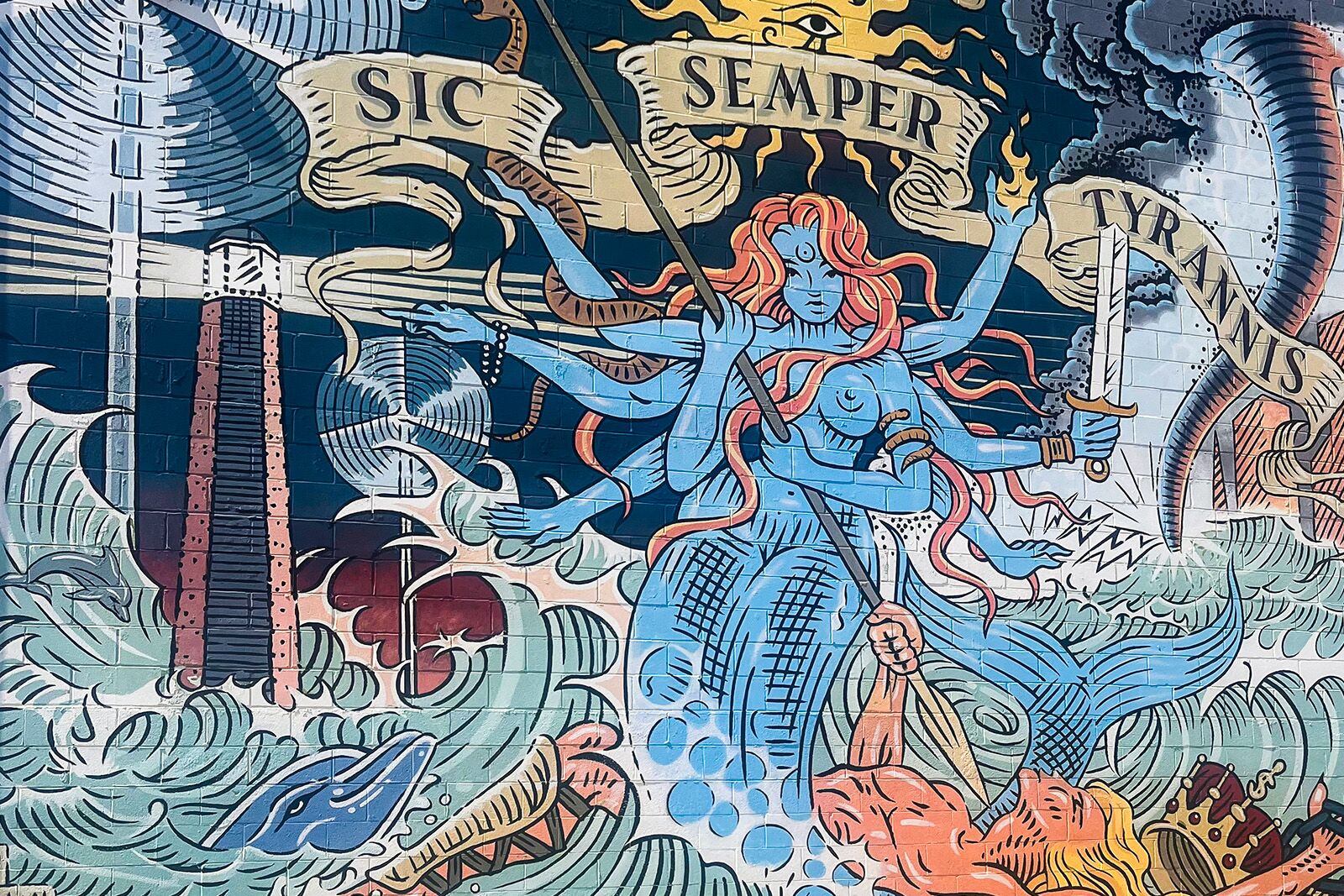
Complementing the active lifestyle offerings is the ViBe Creative District, a designated cultural zone that has become the epicenter for the city’s arts and small-business community. Established to provide a platform for local artisans, the district serves as a hub for galleries, pottery studios like Jars of Dust, and independent retailers.
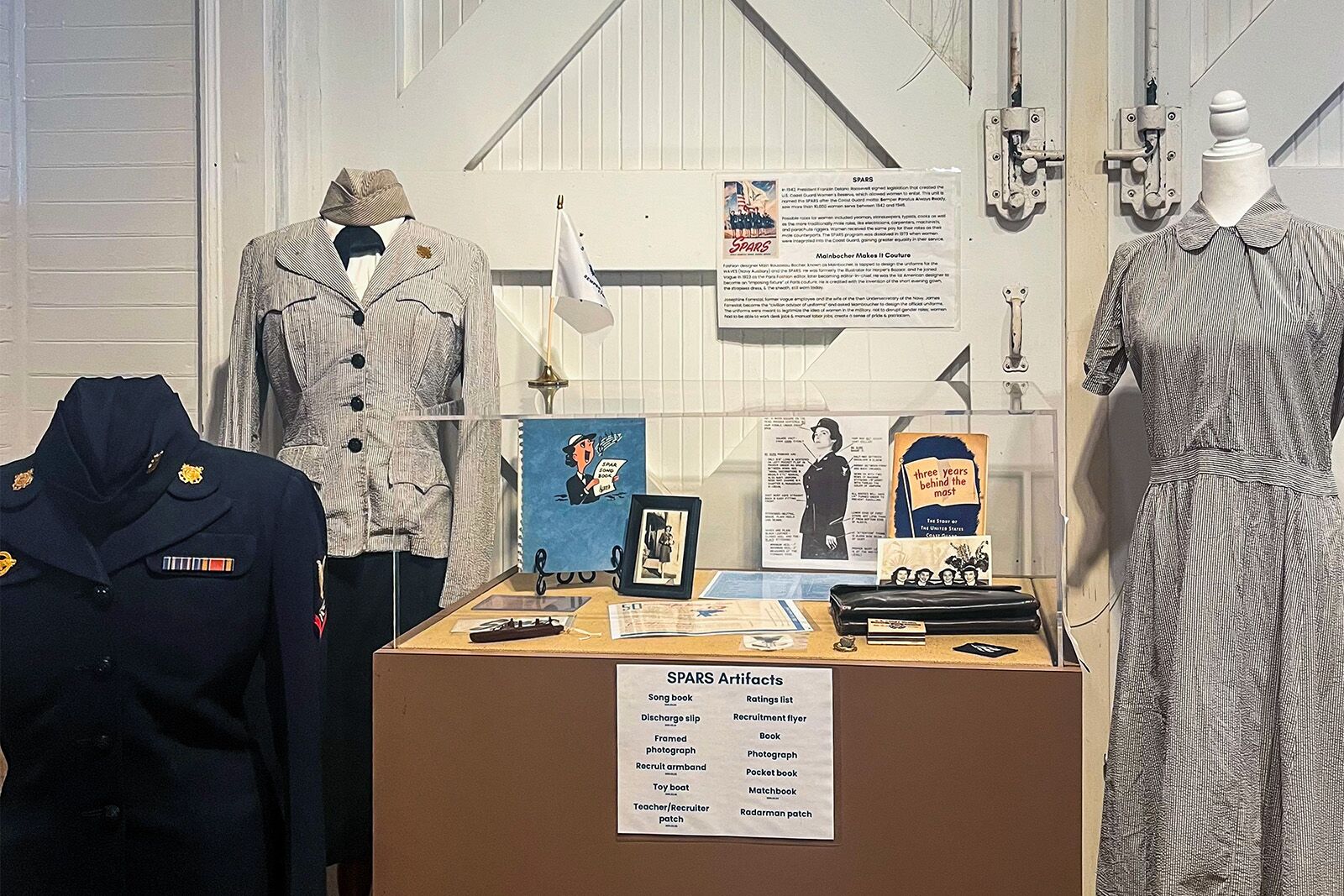
The presence of specialized artisans, such as the sign makers at Igor’s Custom, adds a layer of authenticity to the area. This district is not merely a commercial zone; it serves as a historical and social anchor. Similarly, the Virginia Beach Surf & Rescue Museum plays a critical role in preserving the region’s history. Located in a life-saving station that dates back to 1903, the museum chronicles the evolution of East Coast surf culture, featuring the work of pioneers like Tom Blake, whose hollow surfboard designs revolutionized the sport. The museum’s preservation of maritime artifacts, including remnants from the 1891 wreck of the Dictator, serves as an essential link to the city’s past, contrasting sharply with the modern developments emerging nearby.
Economic and Culinary Landscape
The culinary scene in Virginia Beach has also undergone a maturation process. The focus has shifted from standard boardwalk fare to a "Modern Mid-Atlantic" approach. Establishments like Chic’s Laundry in the Chic’s Beach neighborhood exemplify this, emphasizing seasonal, locally sourced coastal ingredients. The integration of high-fidelity dining experiences, such as the restaurant and hi-fi bar Rose’s, signals that the city is catering to a more sophisticated, nightlife-seeking demographic.
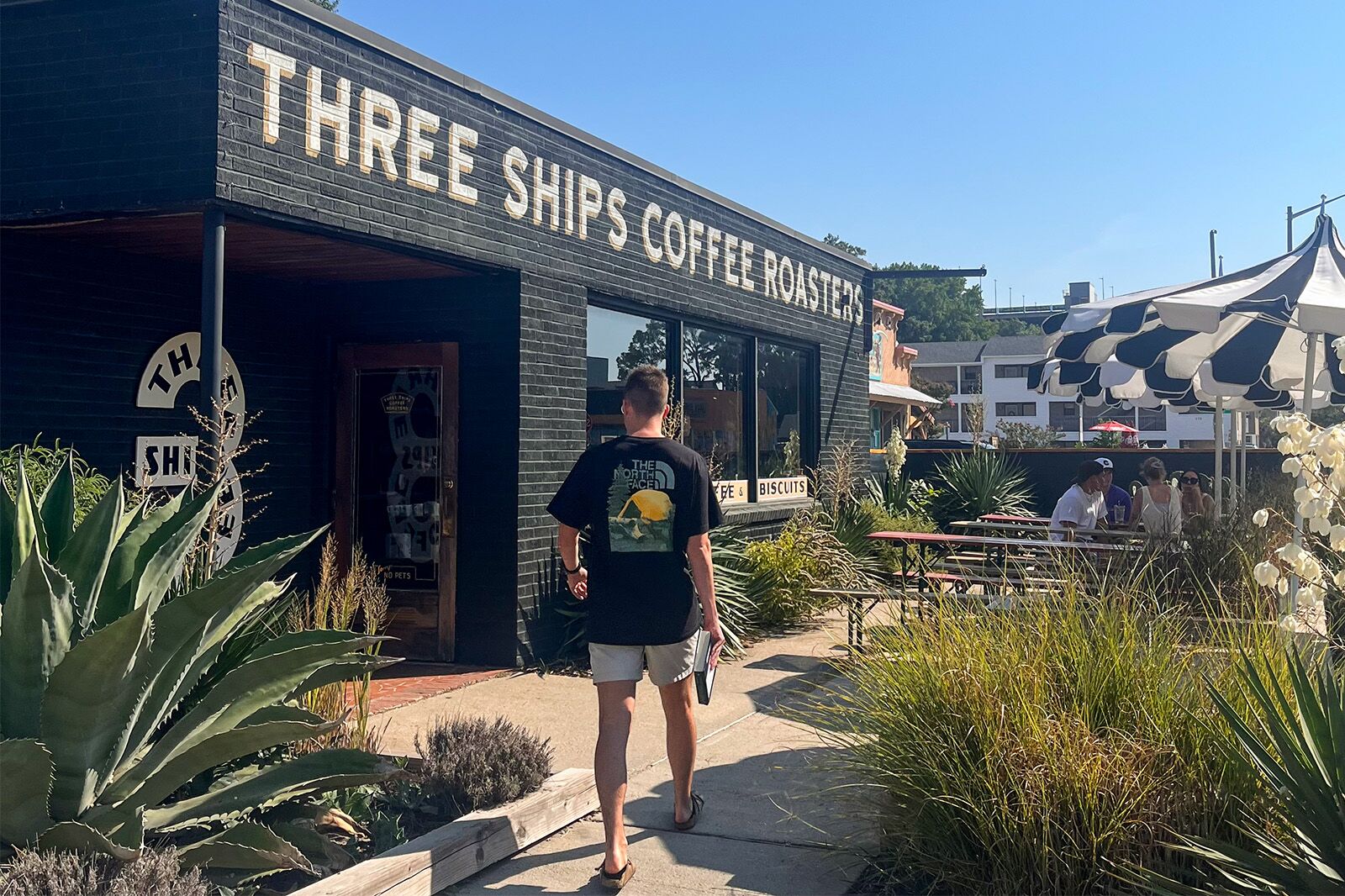
Data from the local hospitality sector indicates that visitors are increasingly prioritizing "experience-based" spending. Coffee culture, led by establishments like Three Ships Coffee—which earned an Honorable Mention at the 2025 Global Coffee Awards—serves as a barometer for this trend. The concentration of these high-quality, independent businesses within a relatively compact geographical area makes the city highly navigable for travelers, particularly those utilizing the burgeoning bike-share and ride-sharing networks that have replaced the need for personal vehicles during shorter stays.
Navigating the Region: Infrastructure and Accessibility
For travelers, the logistical framework of Virginia Beach has improved alongside its attractions. Situated approximately 18.5 miles from Norfolk International Airport (ORF), the oceanfront area is accessible via rideshare services, which have become the preferred mode of transit for many visitors.
Once in the district, the city’s layout facilitates a blend of pedestrian and cycling mobility. The conversion of former industrial sites into leisure spaces—such as the Smartmouth Brewing Pilot House, housed in a renovated post office—shows how urban renewal can enhance the traveler experience. By creating hubs where dining and retail are bike-accessible, the city has created a cohesive network that encourages longer stays and deeper exploration of neighborhoods beyond the primary beachfront.
Future Outlook and Strategic Implications
The current trajectory of Virginia Beach suggests a move toward becoming a year-round destination that balances the "soft adventure" appeal with high-end, curated cultural experiences. This dual-pronged strategy addresses the needs of a diverse traveler base: those seeking the physical challenge of surfing or kayaking, and those interested in the culinary, artistic, and historical narratives of the region.
From a policy perspective, the success of these developments depends on the continued maintenance of the natural environment, particularly the health of the Chesapeake Bay and the Lynnhaven River, which underpin both the tourism and aquaculture sectors. As the city continues to integrate modern amenities with its historical and natural landscape, it is likely to remain a significant case study in how coastal municipalities can reinvent their economic models. The ability to attract visitors for events like the Super Girl Surf Festival, while maintaining a robust, daily economy driven by local artisans and year-round recreational facilities, marks a pivotal shift in the region’s long-term sustainability.
In summary, the modern Virginia Beach experience is characterized by its adaptability. Whether it is through the technical innovation of a surf lagoon, the historical preservation efforts of a life-saving station, or the culinary exploration of local seafood, the city has established a comprehensive framework for travel. By moving beyond the traditional limitations of a summer-only destination, Virginia Beach has successfully curated an identity that prioritizes activity, culture, and high-quality local commerce, ensuring its relevance for years to come.