Inside Arizona’s First Next-Generation Dunkin: A Look at the Brand’s Modernized Retail Evolution

The landscape of America’s quick-service coffee and bakery sector is undergoing a profound transformation, characterized by sleek architectural redesigns, digital-first ordering capabilities, and an elevated beverage menu designed to compete directly with specialty urban cafes. Nowhere is this shift more evident than in Chandler, Arizona, where the debut of the state’s very first "Next Generation" Dunkin’ location establishes a new benchmark for the legacy brand. Situated at 4225 S. Gilbert Road, this cutting-edge storefront encapsulates Dunkin’s multi-year corporate strategy to modernize its physical footprint, streamline operations, and appeal to a younger, tech-savvy demographic of remote workers, commuters, and families alike.
Background Context and Corporate Evolution
The rollout of the Next Generation store concept represents a pivotal chapter in the history of the Massachusetts-based chain, which was founded in 1950 by William Rosenberg in Quincy, Massachusetts. For decades, the company—historically known as Dunkin’ Donuts—anchored its identity in traditional breakfast fare, affordable drip coffee, and accessible drive-thru service. However, shifting consumer habits, increased competition from upscale third-wave coffee roasters, and a growing demand for digital integration prompted corporate leadership to rethink the entire retail experience.
In January 2019, the company officially dropped "Donuts" from its primary storefront signage and marketing materials, signaling a strategic pivot toward beverage-led growth. While baked goods remain a core pillar of the business, espresso drinks, cold brew, and tea have taken center stage. The Chandler, Arizona location serves as a physical manifestation of this rebrand. Featuring minimalist interior aesthetics, warm wood tones, vibrant lighting, and an open layout reminiscent of independent downtown coffeehouses, the establishment aims to transition from a quick morning pitstop into a communal destination where patrons can linger, study, or work.
Innovative Beverage Technology: Drinks on Tap and Nitro Infusion

At the heart of the Next Generation architectural layout is a reimagined beverage service station designed for both visual appeal and operational efficiency. Moving away from traditional behind-the-counter carafes, the Chandler location features an innovative tap system that dispenses a variety of chilled beverages. From iced teas and standard cold brews to premium specialty drinks, the tap infrastructure allows baristas to pour high-volume orders with unprecedented speed.
Chief among the beverage innovations at the Chandler store is the introduction of Nitro-infused cold brew. Utilizing pressurized nitrogen gas infused into slow-steeped cold brew coffee, the system produces a velvety, cascading texture topped with a rich, creamy microfoam head—similar to a traditional stout beer. Industry analysts note that nitro coffee has emerged as a major growth driver in the quick-service beverage market, appealing to consumers seeking a smoother, naturally sweeter flavor profile without the addition of dairy or refined sugars. Market reception at the Arizona site indicates that even traditional coffee drinkers who typically rely on heavy cream and sweeteners have embraced the black nitro offering for its distinct texture and balanced flavor profile.
Streamlined Customer Journey and Visual Merchandising

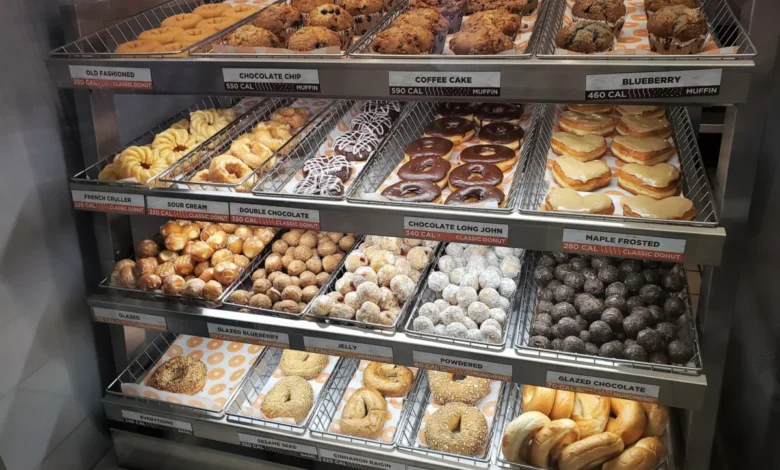
Beyond beverage technology, the Next Generation concept introduces structural modifications designed to eliminate operational friction points for consumers. A primary example is the relocation of the signature donut display to the front of the house, immediately visible upon entry.
In traditional restaurant layouts, baked goods are often housed behind elevated glass partitions or counters, requiring customers—particularly parents with young children—to point, guess, and communicate across a barrier to select items. By bringing the pastry displays forward into an accessible, customer-facing zone, the layout fosters a more intuitive selection process. Industry observers have pointed out that this design choice not only enhances the visual merchandising of the products but also significantly reduces transaction times during peak morning rushes.
The Digital Workplace Integration: Connectivity and Amenities

As remote work and freelance economies continue to expand, physical coffee shops increasingly function as decentralized offices. Recognizing this demographic shift, Dunkin’ integrated modern workspace amenities into the core design of its Chandler facility. Unlike older architectural models where electrical outlets were scarce or restricted to perimeter walls, the Next Generation store features integrated power outlets and USB charging ports embedded directly into virtually every table.
Supported by high-speed public Wi-Fi and diverse seating configurations—ranging from solitary bar-height counters to communal tables accommodating larger groups—the space bridges the gap between a traditional fast-food restaurant and a modern coworking lounge. These additions address a longstanding consumer pain point: the scarcity of accessible charging stations in public dining spaces. By catering explicitly to mobile professionals and students, the brand successfully broadens its daypart utility, encouraging customer retention well beyond the morning breakfast rush.
Operational Dynamics and Multichannel Access

Operating a high-volume, tech-forward storefront requires a synchronized workforce and robust infrastructure. Staff members at the Chandler location navigate an optimized workspace engineered to reduce physical movement between the drive-thru, tap systems, and espresso stations. Observers of the retail launch have noted that the bright, airy architectural environment positively influences staff morale and customer service delivery, fostering an energetic atmosphere during high-traffic periods.
For consumers prioritizing convenience over ambiance, the location maintains a fully integrated drive-thru lane equipped with digital menu boards and mobile-order pickup capabilities. This dual-format approach ensures that the restaurant can simultaneously service on-the-go commuters in vehicles and dine-in patrons utilizing the indoor amenities.
Implications for the Quick-Service Restaurant Industry

The successful launch of Arizona’s first Next Generation Dunkin’ in Chandler underscores broader macroeconomic and retail trends within the United States hospitality sector. As commercial real estate costs rise and consumer expectations evolve, legacy brands must continually reinvent their physical assets to remain competitive against agile regional chains and digital delivery platforms.
By merging high-speed beverage delivery systems, specialty coffee innovations like nitro tap technology, and consumer-centric workspace amenities, the brand has redefined what a traditional donut and coffee shop can offer. The Chandler location serves as a blueprint for future regional expansions, signaling that the future of quick-service dining lies in the seamless integration of hospitality, speed, and modern architectural design.