The Quest for the Perfect Frozen Bean and Cheese Burrito: A Comprehensive Taste Test and Analysis

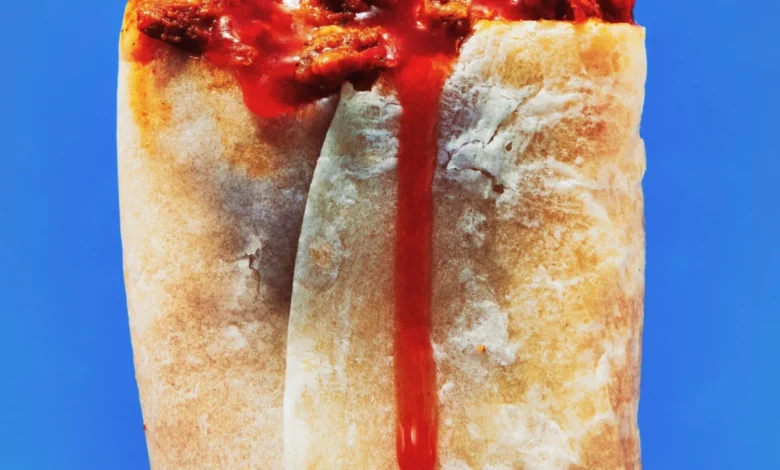
On days when everything goes wrong—or even just one thing goes wrong—frozen burritos are there for you, offering a reliable, low-effort bridge between hunger and satiety. The frozen food industry has seen a massive resurgence over the last five years, driven largely by shifting consumer habits, a rise in remote work, and advancements in flash-freezing technology that preserve texture better than ever before. While the humble bean and cheese burrito remains a staple of the convenience aisle, the quality gap between brands has never been more pronounced. To determine which of these shelf-stable saviors are worth the freezer space, our team conducted a blind taste test of eight widely available frozen burritos, evaluating them on the merits of structural integrity, seasoning, and the essential balance of bean-to-cheese ratios.
The Evolution of the Frozen Convenience Meal
The modern frozen burrito occupies a unique space in the American culinary landscape. Historically, the category was synonymous with bland, soggy dough and unseasoned, pulverized beans. However, the market has pivoted toward "premium" frozen options, a transition that began in earnest around 2015 as major manufacturers recognized that health-conscious and time-poor consumers were demanding better ingredients. According to recent market research, the global frozen food market is expected to reach over $350 billion by 2028, with "ready-to-eat" segments experiencing the highest growth. This shift has forced brands to move beyond simple calorie delivery to focus on authentic flavor profiles and high-quality proteins.
Methodology and Testing Protocols
To ensure objective results, our testing panel implemented a rigorous, multi-stage evaluation process. Each of the eight selected products was prepared strictly according to manufacturer instructions. While the majority of the samples were heated in a standard 1,000-watt microwave, certain premium brands—specifically those with complex cheese blends—were prepared using an air fryer, as recommended on the packaging, to assess whether modern heating methods significantly altered the culinary outcome.

The evaluation criteria were categorized into four distinct metrics:
- Tortilla Elasticity: The ability of the shell to remain pliable without cracking or turning gummy.
- Filling Composition: The ratio of whole beans to refried paste and the presence of aromatics.
- Cheese Quality: The meltability and flavor profile of the dairy component.
- Overall Palatability: The harmony of the components in a single, cohesive bite.
Editors sampled the burritos blindly to prevent brand bias, ensuring that the results were predicated entirely on sensory data.
Top Performers in the Category
The test yielded three distinct leaders, each excelling in a specific area of the burrito-making craft.
Amy’s Organic Bean & Cheddar Cheese Burrito emerged as the overall favorite. The product’s success is largely attributed to its whole-wheat tortilla, which provided a nutty, structural foundation that outperformed the traditional flour-based shells found in competing products. The filling, a sophisticated blend of pinto beans, tomato purée, onion, and bell pepper, achieved a level of depth rarely seen in the frozen aisle. Notably, the rice component remained firm, avoiding the waterlogged, mushy texture that plagued several other brands.

Red’s Organic Black Bean & Cheese Burrito captured the title for the "cheesiest" experience. By utilizing a dual-cheese approach—specifically a blend of mozzarella and pepper Jack—Red’s tapped into the consumer demand for a "cheese pull" experience. This selection is particularly interesting from a manufacturing standpoint; by incorporating black beans rather than pinto, the brand offered a more complex, earthy profile that, according to our panel, felt more "complete" than its counterparts. The inclusion of green chiles provided a mild heat that acted as a necessary counterweight to the density of the cheese.
Great Value Bean & Cheese Burritos served as the definitive "value" leader. Despite being the most budget-friendly option in the test, these burritos offered a surprising level of consistency. The filling leaned heavily on whole pinto beans, providing a "bean-forward" bite that resonated well with the panel. While the product is smaller—four ounces compared to the industry standard of five—it effectively demonstrates that lower price points do not necessarily necessitate a compromise in basic ingredient quality.
Market Implications and Consumer Trends
The findings of this test highlight a growing divergence in the frozen food sector: the split between "convenience as a necessity" and "convenience as a premium experience." Historically, the bean and cheese burrito was marketed as an entry-level product, often characterized by high sodium and preservative content. However, the success of organic-focused brands like Amy’s and Red’s indicates that consumers are increasingly willing to pay a premium for "clean label" products—those with fewer, more recognizable ingredients.
The performance of the private-label Great Value option, however, suggests that there is still a massive, loyal segment of the market that prioritizes price per unit. The fact that an entry-level, high-volume product could compete with premium organic brands on texture and flavor suggests that the manufacturing technology for mass-produced, frozen, hand-held items has become significantly more efficient.

Beyond the Microwave: The "Customization" Movement
An interesting outcome of our research was the consensus on how these products are consumed. The "naked" frozen burrito is rarely the final iteration of the meal. Culinary trends show that the frozen burrito is increasingly viewed as a "base" for further preparation. During our testing, we observed that adding minor, fresh garnishes—such as pickled red onions, high-quality salsa, or a squeeze of lime—drastically improved the perception of the meal. This suggests that the frozen food industry is not just selling a finished product, but a modular component that the modern home cook uses to assemble a faster, more satisfying lunch.
Challenges in Frozen Food Manufacturing
While the results were generally positive for the top three performers, the test also highlighted persistent challenges in the category. Several brands failed due to "moisture migration," a process where the liquid from the beans or sauce leaches into the tortilla during the freezing and thawing cycle, resulting in a degraded, soggy texture. Achieving a "clean" finish in a microwave—which relies on steam—remains the greatest technical hurdle for food scientists in this space. Brands that utilized thicker, whole-grain, or high-fiber tortillas tended to fare better against this phenomenon, as the density of the dough acted as a barrier against excess moisture.
Future Outlook
As the frozen food industry continues to expand, we anticipate a greater focus on regional flavor profiles and dietary specialization. We have already observed a movement toward gluten-free, keto-friendly, and plant-based protein alternatives in the burrito space. Future iterations of these products will likely feature better-integrated aromatics, as manufacturers continue to refine their use of herbs and spices that can survive the transition from a zero-degree freezer to a hot, steaming meal in under three minutes.
For the average consumer, the landscape is currently favorable. Whether seeking the nutritional density of an organic whole-wheat wrap or the sheer, cost-effective comfort of a classic pinto bean and cheese staple, the current market offers high-quality options that have effectively shed the stigma of the "sad" office lunch. The key takeaway from our evaluation is that, despite the convenience, the details matter: the quality of the bean, the integrity of the wrap, and the balance of the seasoning remain the trifecta of a successful frozen experience. Consumers should feel confident that the category has evolved, and with a discerning eye toward labels, one can find a high-quality, efficient, and deeply satisfying meal in the freezer section.
Related posts: