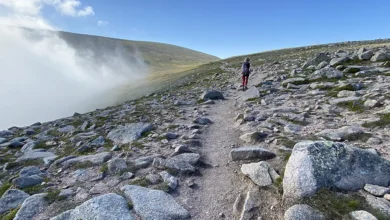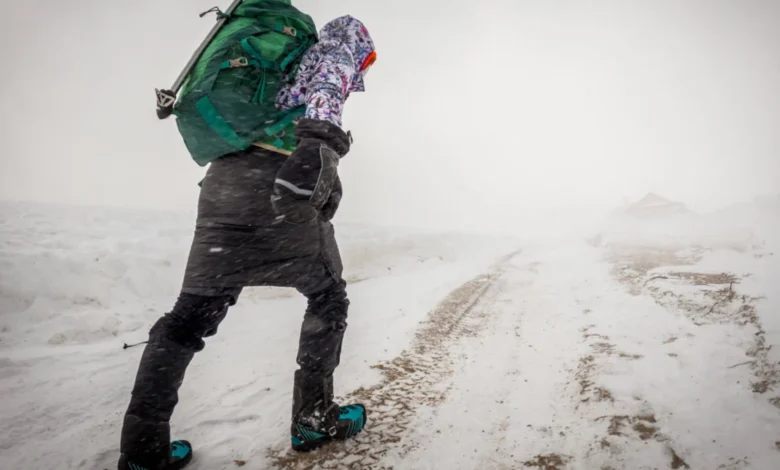
The meteorological statistics surrounding backcountry emergencies consistently point to a sobering reality: nature does not negotiate with itineraries. According to recent data compiled by search and rescue organizations across North America, a significant percentage of winter wilderness emergencies do not befall seasoned mountaineers attempting multi-week expeditions, but rather day hikers on short excursions. These travelers often venture out under partly cloudy skies, carrying little more than a water bottle and a smartphone, only to find themselves enveloped in blinding whiteout conditions or freezing rain. As shifting global weather patterns render local forecasts increasingly volatile, the traditional margin for error on the trail has narrowed dramatically. When an unexpected winter storm strikes, survival hinges not on outrunning the weather, but on immediate, disciplined decision-making and the rigorous application of fundamental wilderness survival protocols.
The Illusion of Safety on Short Trails
The inherent danger of a short hike lies primarily in the psychological comfort it affords. Novice and intermediate hikers alike frequently underestimate the speed at which alpine and sub-alpine environments can deteriorate.
"If you ask me what’s the highest risk, it’s those short hikes because they’re the ones most people aren’t prepared for the longer term," explains Dan Wowak, a wilderness survival instructor at Coalcracker Bushcraft in Pennsylvania. "A two-mile hike can turn into a devastating emergency situation. You roll an ankle, a storm comes in, it gets dark, you have no equipment, and you don’t know what to do."
Wilderness safety experts emphasize that even a well-traveled path a mere mile from a trailhead can transform into a labyrinth of hazards once accumulating snow obliterates footprints, trail markers, and topographical reference points. In such scenarios, minutes matter, and the transition from a pleasant afternoon walk to a hypothermic crisis can occur with startling velocity. Consequently, outdoor safety coalitions universally advocate for the mandatory inclusion of the "Ten Essentials"—ranging from navigation tools and illumination to extra insulation and emergency shelter—regardless of whether an excursion is slated to last two hours or two days.
Chronology of a Weather Emergency: The Critical First Hours
When unexpected severe weather materializes, the timeline of human response dictates the probability of survival. Understanding how to manage the unfolding crisis hour by hour can prevent panic and mitigate physiological decline.
Phase 1: Recognition and Halt (Minutes 0 to 15)
The initial reaction to falling temperatures or unexpected precipitation is frequently counterproductive. Exhausted and cold hikers often attempt to accelerate their pace to beat the storm back to the trailhead. However, industry veterans advise the exact opposite approach.
"When you’re out and the weather is turning, you might be inclined to go faster," notes Danny Giovale, founder of the technical outdoor equipment manufacturer Kahtoola. "I would strongly suggest stopping for a sec."
Stopping allows the body to stabilize, prevents excessive sweating—which later accelerates hypothermia as moisture cools against the skin—and forces a rational assessment of remaining daylight, distance, and environmental threats. If dusk is approaching and visibility is dropping toward zero, continuing to navigate unfamiliar terrain without proper illumination or tracking aids is statistically proven to lead to lost parties, falls, and fatal exposure.
Phase 2: Securing Shelter (Minutes 15 to 60)
Once the decision to hunker down is made, establishing a barrier against the elements becomes the absolute top priority. Meteorological data shows that wind-chill factors and moisture extraction are the primary drivers of rapid-onset hypothermia.
"If you’re not dry, you’re in trouble really fast," warns Jon King, an experienced daily hiker and trail reporter for California’s rugged San Jacinto Peak.
For hikers carrying modular gear, deploying an emergency bivy sack or lightweight tent creates an immediate microclimate that blocks wind-driven snow and rain. Those lacking commercial shelters must resort to natural or improvised architecture. Experienced mountaineers recommend seeking out natural overhangs, rock caves, or, in deep snowpack conditions, constructing a snow cave. Building a snow shelter involves packing dense snow into a dome, allowing it to consolidate, and excavating an interior cavity large enough for the body, while strictly ensuring an adequate ventilation shaft is pierced to prevent carbon dioxide asphyxiation. Furthermore, utilizing pre-established, man-made emergency structures—such as alpine huts strategically placed along heavily trafficked routes like San Jacinto Peak—underscores the critical importance of pre-trip route planning and topographic familiarity.
Phase 3: Thermal Regulation and Physiological Maintenance (Hours 1 to 6)
As the body settles into a stationary position, metabolic heat production drops, increasing vulnerability to cold-weather injuries. Peripheral vasoconstriction redirects warm blood toward the core, leaving fingers and toes susceptible to frostbite.
To counteract this physiological decline, experts stress the layered management of apparel. Giovale highlights the utility of a lightweight, windproof shell jacket equipped with a hood, describing it as "one of the ounce-per-ounce most impactful pieces of gear" a backpacker can carry. Maintaining core dryness through the addition or rotation of insulating layers prevents conductive and evaporative heat loss.
Simultaneously, firecraft serves a dual purpose in survival scenarios. Beyond providing physical warmth and a means to melt water, controlled fire management exerts a powerful psychological stabilization effect.
"Getting a campfire started is a very relaxing and primal thing that makes people feel safe in just about any situation," Wowak observes.
Nevertheless, fire-building during a blizzard presents formidable challenges due to saturated wood and high winds, and must be weighed against local environmental regulations or extreme fire-ban designations—though life-or-death emergency exemptions typically apply in extremis.
Equally vital during this phase is ground insulation. Conduction drains body heat into frozen soil or snow significantly faster than cold air alone. Survivors must utilize foam sleeping pads, evergreen boughs, or, failing those materials, place their backpacks underneath their seating or sleeping posture to create a thermal break from the ground.
Phase 4: Hydration and Metabolic Support (Hours 6 to 12)
Dehydration is a subtle yet lethal adversary in winter environments. Cold air possesses extremely low humidity, causing rapid moisture loss through respiration. Furthermore, drinking ice-cold water forces the body to expend valuable caloric energy to warm the liquid internally. Utilizing a camp stove or campfire to melt snow and produce warm hydration is clinically proven to preserve core body temperature and metabolic efficiency.
Hunger management also plays a psychological and physiological role. In the absence of substantial food stores, strategic hydration can mitigate physiological distress.
"Even if we don’t have a lot of food, if we were only planning on a day hike and a storm comes in, and we’re stuck there, being hydrated will trick your body and you won’t feel as hungry because you’re full of fluid," notes Wowak.
Psychological Resilience and the Cognitive Impact of Cold
While physical gear and environmental shelter form the structural pillars of winter survival, cognitive endurance remains the ultimate determining factor in search and rescue outcomes. Hypothermia does not merely attack physical tissue; it impairs executive function, leading to apathy, confusion, and poor decision-making—a phenomenon clinicians term "apathetic hypothermia" or "paradoxical undressing" in extreme cases.
Wilderness psychology studies indicate that structured task management is the most effective antidote to panic and cognitive degradation. Engaging the brain through purposeful survival routines—such as organizing equipment, meticulously maintaining a fire, monitoring peripheral circulation by flexing fingers and toes, and rationing caloric intake—keeps the mind anchored and focused on active problem-solving rather than passive despair.
"My experience with being in serious situations outside is that whatever you have learned or been exposed to, you’ll probably remember," Giovale reflects, emphasizing that muscle memory and theoretical emergency training act as cognitive anchors when external conditions deteriorate.
Broader Implications for Outdoor Recreation and Public Safety
The rising frequency of winter backcountry rescues has strained municipal emergency services, volunteer search and rescue (SAR) teams, and forestry management agencies across North America. Jurisdictions burdened by the financial and logistical costs of deploying helicopter crews and ground parties into severe blizzard conditions are increasingly debating policy shifts, including mandatory safety equipment checks at popular trailheads and the imposition of financial penalties for hikers who intentionally ignore severe weather advisories.
Search and rescue data underscores a definitive correlation between public education initiatives and the reduction of wilderness fatalities. As outdoor recreation participation surges—spurred by post-pandemic shifts toward nature-based tourism—wilderness advocacy groups are pushing for standardized educational curricula in public schools and outdoor retail outlets. These programs emphasize that outdoor safety is not an intuitive skill set, but a technical discipline requiring continuous practice, appropriate gear investment, and a healthy respect for meteorological unpredictability.
Ultimately, surviving an unexpected winter storm on the trail requires abandoning the hubris of the schedule. Whether caught two hundred yards or two miles from safety, the ability to halt forward momentum, construct a defensible shelter, manage core temperature, and maintain psychological discipline transforms what could be a fatal statistic into a story of calculated resilience.
Related posts: