From the highest peaks of the Himalayas to the mist-shrouded folklore of the British Isles, the world of adventure is constantly evolving, challenging our perceptions of human endurance and the mysteries of the natural world. This week, we examine a diverse range of stories that span cinematic reinterpretations of history, critical safety warnings for mountain enthusiasts, and the latest milestones in extreme sports.
Reclaiming the Legacy of Tenzing Norgay
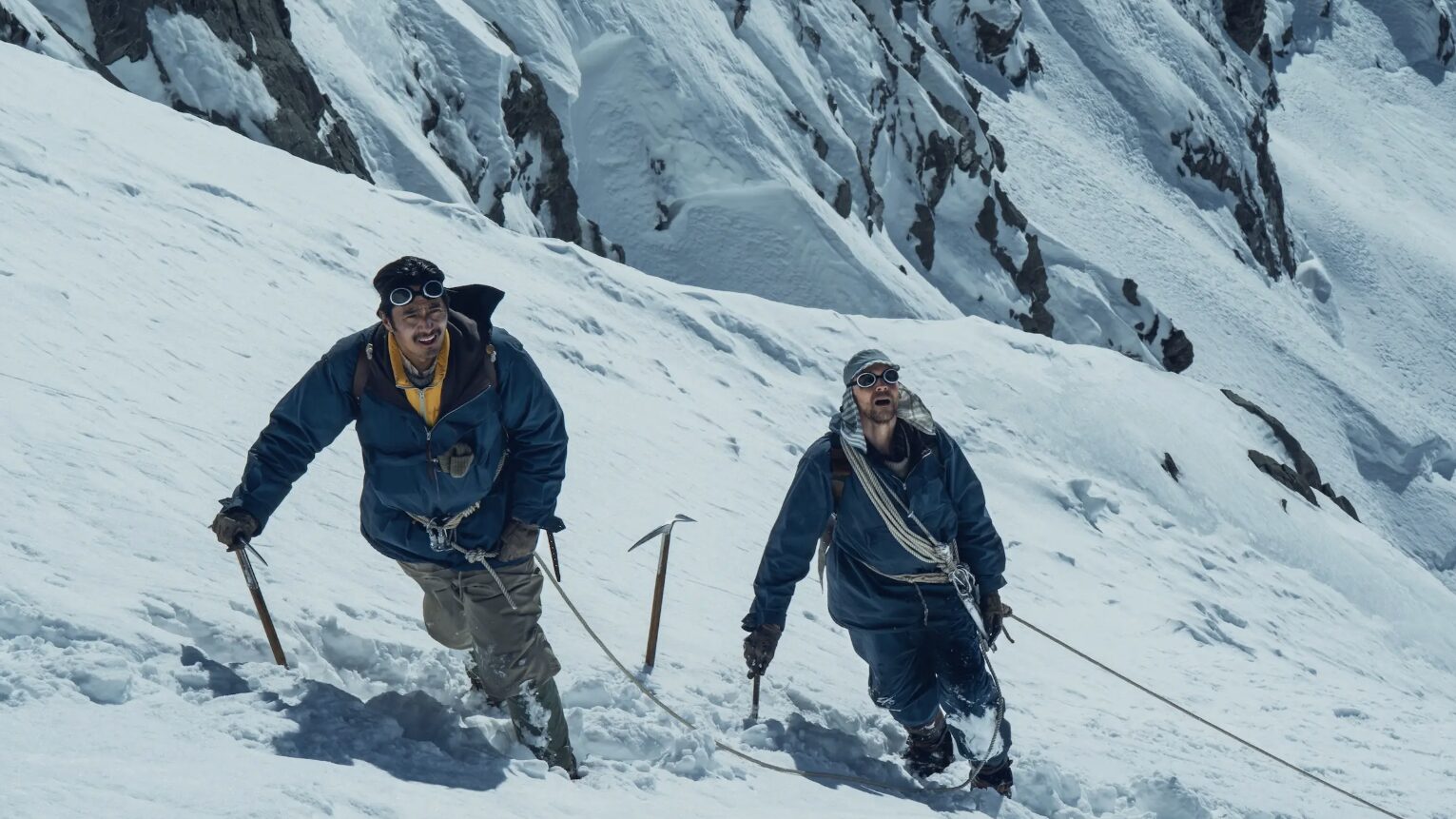
The 1953 first ascent of Mount Everest remains one of the most significant achievements in mountaineering history, yet the narrative surrounding the climb has historically favored Sir Edmund Hillary. A new biographical film, Tenzing, seeks to correct this historical imbalance by centering the story on Tenzing Norgay, the Sherpa mountaineer who stood atop the world alongside Hillary.
The film, directed by Jennifer Peedom, is the culmination of years of collaboration with Norbu Tenzing, the son of the legendary climber. For decades, Norgay’s contribution was often reduced to that of a guide or an assistant, despite his extensive experience in the Himalayas prior to the 1953 expedition. The production team conducted exhaustive research to move beyond the traditional "Hillary-centric" perspective, aiming to present Norgay as a complex, multifaceted individual rather than a peripheral figure. By chronicling his life from his childhood in the mountains to the final push for the summit, the film provides a necessary humanistic look at a man who was instrumental in the success of the British expedition. This project highlights a growing movement within the mountaineering community to recognize the indigenous Sherpa contribution to high-altitude exploration, which has been systematically marginalized for over 70 years.
Lightning Safety and the Fallacy of the Tin Shack
A tragic incident on Utah’s Mount Timpanogos has served as a grim reminder of the unpredictability of alpine weather and the dangers of relying on outdated shelter infrastructure. A 19-year-old hiker lost their life, and nine others sustained injuries, after lightning struck the "Tin Shack," a metal-clad structure built in 1927. The group had sought refuge in the small shack during a severe thunderstorm, operating under the misconception that any enclosed space offers protection.
Meteorologists and safety experts emphasize that unless a structure is equipped with a professional lightning protection system—including proper grounding, electrical bonding, and surge suppression—it can actually increase risk. Metal structures without these features act as conductors, potentially intensifying the current. Furthermore, this incident has prompted a re-evaluation of common "lightning safety" advice. For years, the "lightning position"—crouching low with feet together—was touted as a life-saving technique. However, modern research suggests that this position provides negligible protection against the massive voltage of a direct strike. Experts now stress that the primary strategy for lightning safety remains the avoidance of exposure: monitoring forecasts, observing cloud formations, and descending to lower elevations well before a storm initiates.
The Shetland Islands: A Case Study in Compassion
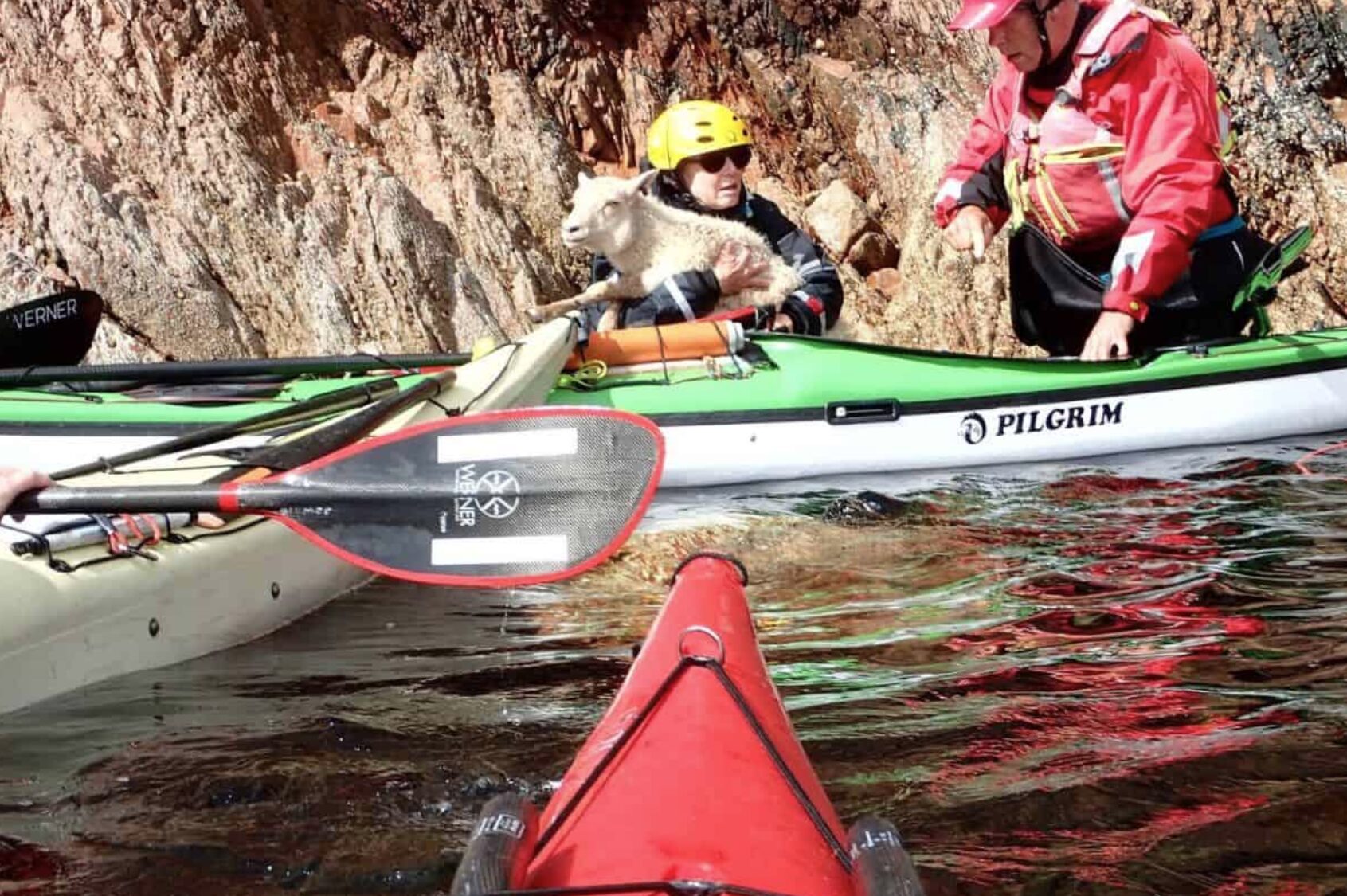
In the remote Shetland Islands, sea-kayak guide Jason Fenn has become an unlikely guardian of the local livestock. Since assuming leadership of Sea Kayak Shetland, Fenn has executed nine successful rescues of sheep stranded on precarious coastal cliffs. The terrain in the Shetlands is notoriously treacherous, with sheer vertical drops and unstable rock faces that frequently trap grazing animals.
The most recent rescue, conducted alongside a group of visiting American paddlers, involved a complex 60-meter rappel. While such actions might appear as niche side missions, they underscore the deep integration between local outdoor professionals and the environments they inhabit. These rescues are not merely acts of animal welfare; they represent a commitment to the ecological health of the region and demonstrate the versatility of modern rescue skills. By prioritizing the safety of the animals over the strict adherence to tour itineraries, these guides are highlighting the responsibilities that come with navigating fragile, wild landscapes.
Milestones in Human Potential: Sport Climbing and Snowboarding
The boundaries of physical achievement continue to expand, both on the limestone walls of the American Southwest and in the history books of winter sports. In 2025, climber Sean Bailey made headlines by completing Duality of Man, located in Arizona’s Dry Canyon. This route is widely considered America’s first 5.15d (9c), representing an elite level of difficulty that pushes the limits of human finger strength and technical precision. Bailey’s accomplishment required three full seasons of effort, integrating existing 5.14c routes with entirely new, brutal boulder-problem sequences on a near-featureless headwall. While some analysts have speculated that the route could be as hard as 5.16a, the consensus remains that Duality of Man currently sits at the apex of American sport climbing.
In a different sphere, snowboarding history is being revisited through the lens of Burton’s 50th anniversary. In the documentary Sideways Revolution, Donna Carpenter reflects on the evolution of the sport from a fringe hobby to a global phenomenon. She traces the pivotal moments of the 1980s, specifically 1985 and 1986, which saw the development of the "DNA" of the modern snowboard and the shift toward large-scale manufacturing. This historical look at the sport provides insight into how innovation, when paired with a clear vision, can transform a niche activity into a multi-billion dollar industry.
The Professional Realities of Mountain Guiding
Despite the romanticized image of mountain guiding—characterized by fresh powder and scenic vistas—the professional reality is fraught with significant physical and mental strain. A candid discussion among current guides reveals a sobering statistic: a high percentage of those who enter the profession eventually experience profound loss. The job is defined by long-term financial sacrifice, a transient lifestyle often spent in vehicles, and the immense psychological burden of managing the lives of clients in high-stakes environments.
Erin Smart, a veteran guide, highlights the inherent risks of the trade, noting that the odds of injury or death increase exponentially when one spends decades in an alpine environment. The transition from an occasional hobbyist to a professional guide involves a fundamental shift in risk tolerance and decision-making. The ability to "say no"—to turn back when conditions are marginal—is the hallmark of an expert guide, yet it remains one of the most difficult skills to master. This professional evolution underscores the necessity of rigorous certification and a culture of safety that prioritizes long-term viability over short-term summits.
Folklore and the Eerie Allure of British Peaks
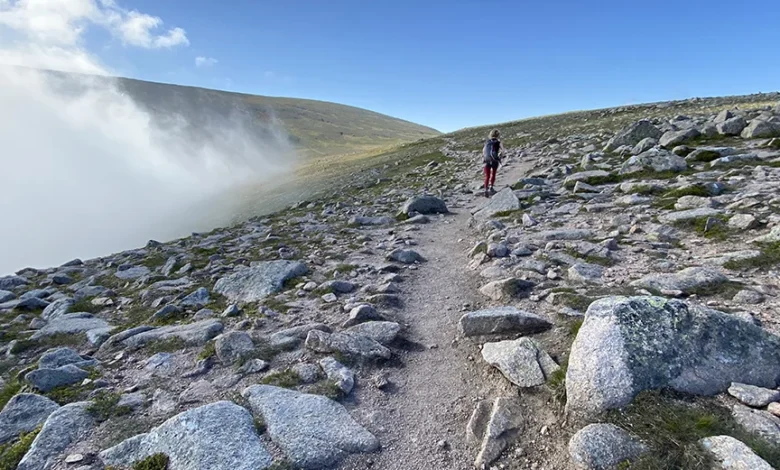
Finally, the cultural geography of Britain’s mountains remains inextricably linked to centuries of folklore and mystery. The rugged landscapes of the Lake District, the Scottish Highlands, and the Giant’s Causeway serve as the setting for tales of kelpies, giants, and the enigmatic "Grey Man of Ben Macdui." Hanna Lindon’s exploration of these myths suggests that the physical difficulty of the terrain, combined with the often-volatile weather, fosters an environment where the imagination is prone to project human anxieties onto the landscape.
From reported sightings of big cats in Cumbria to the haunting legacy of the "corpse roads," these stories are more than mere superstition; they are a vital component of the human experience in the wild. They remind us that for all our advancements in mapping, GPS, and climbing technology, the wilderness retains a capacity to unsettle us. Whether through the lens of historical film, the hard data of climbing grades, or the ancient whispers of mountain ghosts, these narratives collectively define the modern adventure experience: a constant tension between our desire to conquer the landscape and our inherent, humble recognition of its power.