Colorado Wildlife Officials Euthanize Distressed Bear in Durango as Statewide Human-Bear Conflicts Reach Historic Highs


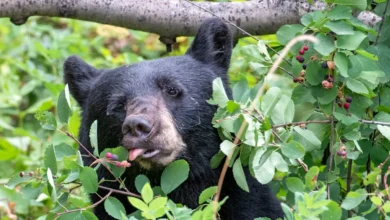
Wildlife management in the American West has entered a critical phase, underscored by a grim discovery in a residential yard in Durango, Colorado. On September 9, 2026, state wildlife officials made the difficult decision to euthanize an adult black bear that was found suffering from severe internal blockages after ingesting household refuse. The incident highlights an unprecedented surge in human-bear interactions across Colorado, driven by compounding environmental pressures, severe weather anomalies, and widespread urban habituation. As state agencies grapple with record-breaking call volumes and a dramatic spike in animal mortality, wildlife experts are issuing urgent warnings to mountain communities regarding residential waste management and public coexistence protocols.
The Discovery and Field Necropsy in Durango
The sequence of events began on the afternoon of September 9, when a Durango homeowner contacted Colorado Parks and Wildlife (CPW) to report a distressed animal on their property. The caller described a black bear acting with extreme lethargy, emitting unusual moaning sounds, and attempting to dig a shallow hole in the yard.
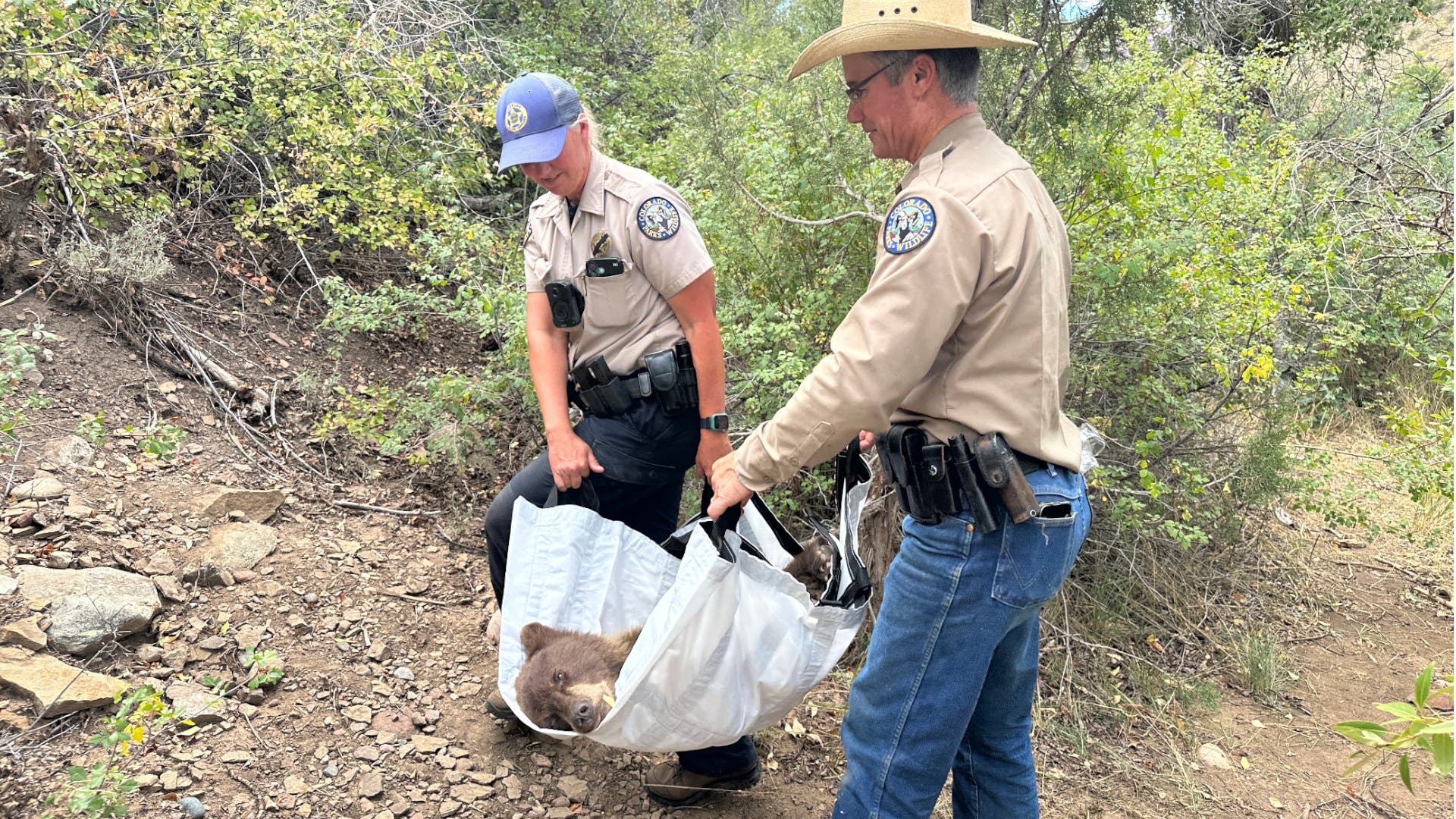
Upon arrival, CPW Officer John Livingston and his colleagues immediately recognized physical signs of severe distress. The animal exhibited a visibly distended and bloated abdomen. While officers were able to prompt the bear to stand, it lacked the physical vitality to move or vacate the residential area. Recognizing that the animal was suffering from a life-threatening medical emergency, the officers administered a chemical tranquilizer.
Physical examination of the sedated bear confirmed immediate indicators of a catastrophic gastrointestinal obstruction. Faced with no viable medical alternatives to save the animal, wildlife personnel made the decision to euthanize it and performed an immediate field necropsy to determine the cause of distress. The procedure revealed a stomach densely packed with non-digestible anthropogenic materials. According to Livingston, investigators extracted cleaning wipes and entire plastic trash bags, complete with unbroken drawstrings. The findings provided a stark illustration of the lethal consequences wildlife face when gaining access to unsecured municipal waste.
A Timeline of Escalating Crisis
The tragedy in Durango is not an isolated event but rather a symptom of a broader, state-wide crisis that has unfolded throughout 2026. Wildlife officials note that the trajectory of human-bear conflicts this year has broken historical operational records for CPW.
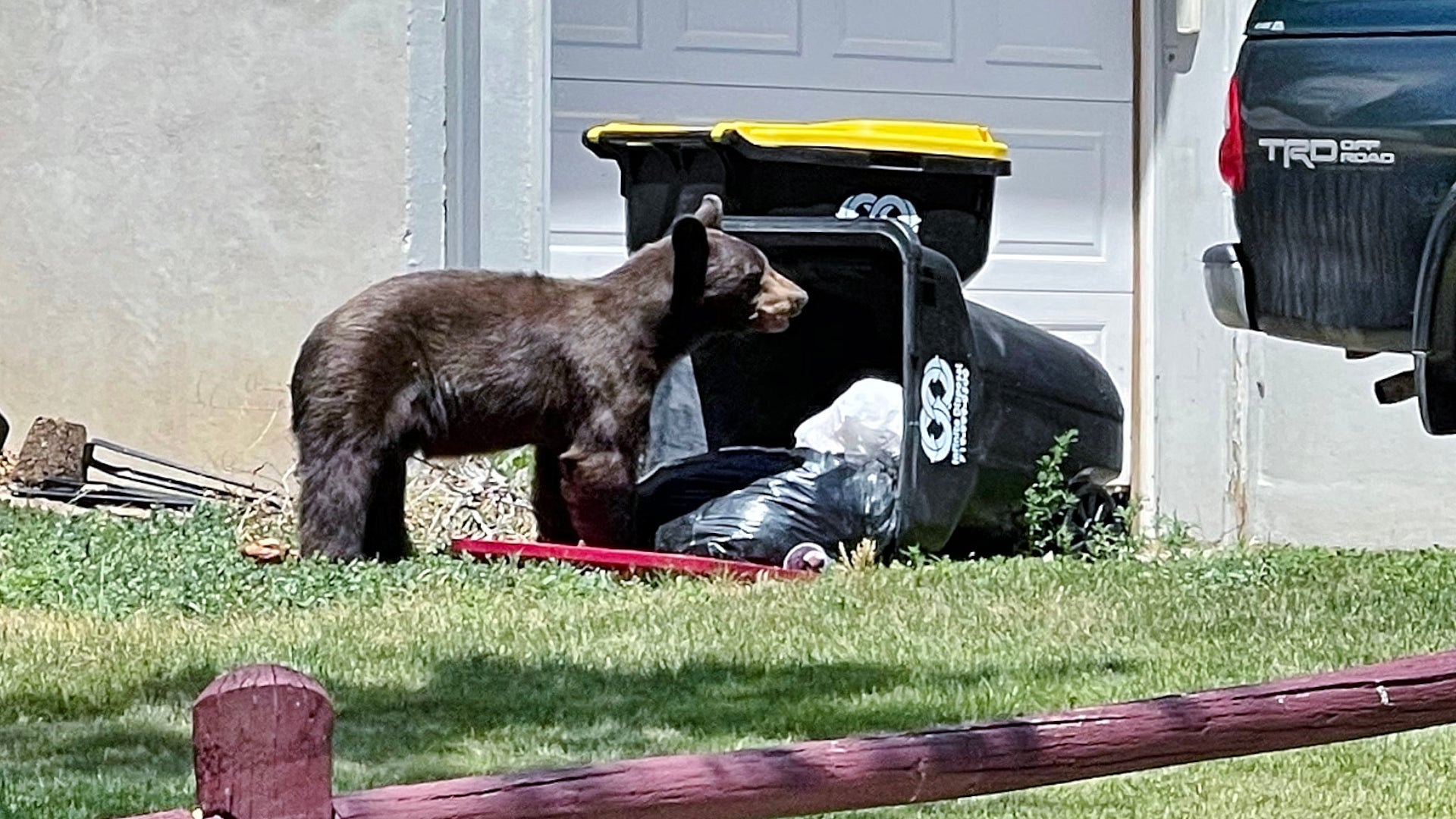
The crisis began unusually early in the season, with elevated conflict levels recorded as early as June. Driven by severe environmental stressors, bears descended from their high-elevation habitats into populated mountain towns months ahead of traditional timelines. As the summer progressed, the frequency of calls overwhelmed agency resources. CPW officers across southwest Colorado and other regions have faced grueling operational demands, frequently logging 18- to 20-hour workdays with minimal or no days off to manage the influx of emergency responses.
Relocation incidents have surged to levels 3.5 times higher than the five-year average, reflecting desperate attempts by wildlife management teams to mitigate human-wildlife encounters. However, when relocation is deemed unfeasible due to animal habituation or severe injury, euthanasia remains the final option. By mid-September 2026, CPW had already euthanized more than 294 bears statewide—a dramatic escalation compared to the 98 bears euthanized during the entire 2025 calendar year. With autumn approaching, officials anticipate that conflict metrics will continue to climb before seasonal denning commences.
Environmental Catalysts: Climate, Drought, and Food Scarcity
To understand the unprecedented volume of human-bear interactions in 2026, wildlife biologists examine a confluence of environmental and ecological factors that have severely disrupted the natural food web for regional ursines.
The primary catalyst has been extreme weather variability. Colorado experienced a record-low snowpack during the preceding winter, inducing widespread drought conditions across multiple watersheds. This moisture deficit severely stunted the growth of native vegetation, berries, and mast crops—essential caloric sources that black bears rely upon to build fat reserves. Compounding the drought, an unseasonable and severe late spring freeze in May wiped out nascent blossoms and emerging vegetation across southwestern Colorado.
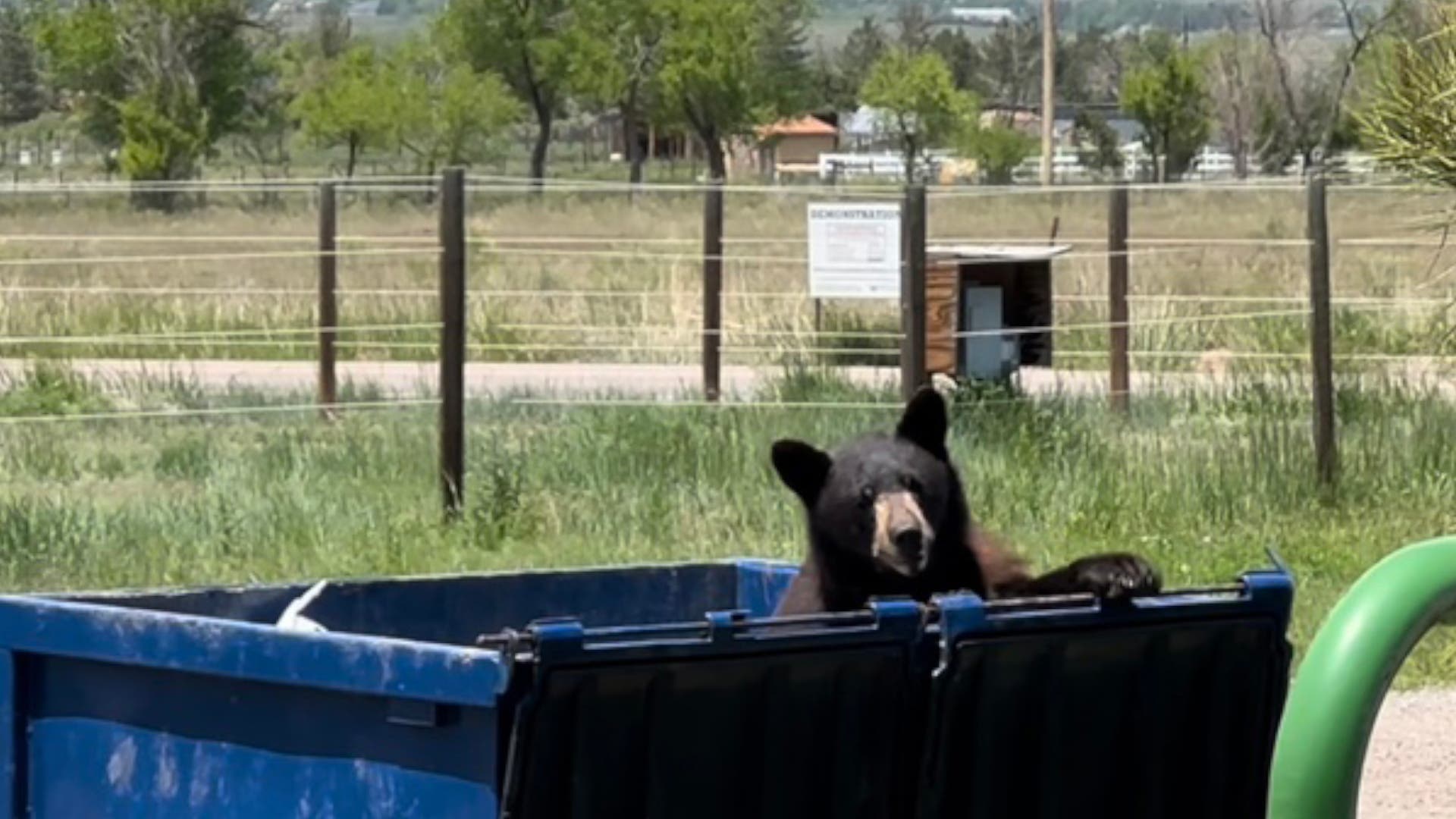
Without access to traditional foraging grounds, starving bears were forced to seek alternative sustenance within municipal boundaries. Urban environments, characterized by accessible garbage containers, residential bird feeders, pet food left outdoors, and composting systems, presented an abundant, high-calorie alternative to natural foraging. Once bears successfully exploit these urban food sources, behavioral conditioning occurs rapidly.
Biological Implications of Urban Habituation
The reliance on anthropogenic food sources introduces severe physiological and behavioral alterations in black bear populations. Animal behaviorists and wildlife management professionals emphasize that habituation breaks down the natural wariness that typically keeps wild animals at a distance from human settlements.
When bears receive consistent rewards from residential areas, their motivation to ascend to higher elevations in search of native foods diminishes entirely. This creates a dangerous feedback loop. Habituated bears frequently escalate their foraging behaviors, leading to property damage through home and vehicle break-ins, and increasing the probability of aggressive encounters with humans.
Furthermore, easy access to high-calorie human refuse interferes with fundamental ursine biology, specifically the biological triggers for hibernation. Popular misconception often attributes the onset of hibernation to dropping ambient temperatures. However, wildlife researchers clarify that denning is primarily regulated by nutritional availability and caloric intake. Bears that maintain access to reliable food sources throughout the autumn months may delay or entirely forgo denning, remaining active year-round. This abnormal extension of active behavior further increases the likelihood of human-wildlife conflicts during the winter months, placing both human communities and animal populations at continuous risk.
Official Responses and Enforcement Protocols
In response to the mounting crisis, Colorado Parks and Wildlife has intensified public outreach and enforcement efforts. Agency representatives, including Livingston, who serves as the public information officer for southwest Colorado and leads the Statewide Bear Working Group, stress that municipal safety depends heavily on community compliance with wildlife-proofing regulations.
Many Colorado municipalities enforce ordinances requiring the use of certified bear-resistant trash containers. However, wildlife officials caution that hardware alone is insufficient if proper maintenance protocols are ignored. Containers must be systematically cleaned to eliminate lingering food odors that continue to attract bears with acute olfactory senses. Furthermore, residents are legally and practically obligated to ensure that latches are secured every evening. Failure to properly manage residential waste can result in punitive measures, including fines of $100 for a first offense and $200 for subsequent violations.
Beyond waste management, CPW advises residents to maintain vigilance regarding household security. Leaving ground-floor windows or doors open, or failing to lock vehicles parked in driveways, creates unnecessary vulnerabilities. In regions with dense bear populations, these oversights routinely result in animals entering private residences, compounding the risk of hazardous close-range encounters.
The Importance of Active Deterrence
A central component of CPW’s current public education campaign is the encouragement of active deterrence, commonly known as hazing. Wildlife officials emphasize that residents should not passively observe or document bears lingering near residential structures. Instead, community members are urged to actively discourage animals from establishing residency in neighborhoods.
Effective hazing techniques include vocalizing aggressively, activating vehicle panic alarms, striking pots and pans to create loud auditory disruptions, and deploying portable air horns. Officials note that while smartphones are frequently used to record wildlife sightings, documentation should be paired with proactive deterrence measures to reinforce the animal’s natural fear of humans. The overarching objective is to make human-dominated landscapes inhospitable to wildlife, thereby encouraging bears to retreat to natural habitats.
Broader Socioeconomic and Ecological Implications
The 2026 bear crisis in Colorado reflects broader challenges at the intersection of climate change, wildlife management, and expanding residential development in the wildland-urban interface. As prolonged droughts and erratic weather patterns become more frequent, natural ecosystems experience diminished carrying capacities, placing native fauna under chronic environmental stress.
Concurrently, the expansion of residential housing developments into traditional wildlife corridors increases the frequency of overlapping territories between humans and large mammals. This dynamic places an immense psychological and operational toll on wildlife agencies. Field officers working extended shifts throughout the summer months face difficult decisions daily, balancing public safety mandates with wildlife conservation goals.
The loss of nearly 300 bears in a single season represents a significant ecological impact on regional populations. Wildlife conservationists underscore that managing human-bear conflicts is ultimately a shared responsibility. Mitigating the crisis requires long-term commitment from mountain residents to secure attractants, adapt community behaviors, and support proactive conservation policies. Without sustained cooperation between the public and wildlife management authorities, incidents similar to the Durango tragedy will likely remain a persistent feature of life in Colorado’s high country.