New York City reaches a state of near-perfection during the autumn months, characterized by a distinct meteorological crispness and an invigorated cultural schedule. As the city transitions into the final quarter of the year, the intersection of high-end hospitality, fine dining, and elite performance arts creates a compelling proposition for visitors and residents alike. From the revitalized corridors of Manhattan’s luxury hotel scene to the debut of highly anticipated culinary ventures and international art exhibitions, the following analysis details the essential components of the current Manhattan season.
The Evolution of Manhattan’s Luxury Hospitality Sector
The landscape of Manhattan’s premier accommodations continues to undergo a significant transformation. While historical institutions such as The Carlyle and the extensively renovated Waldorf Astoria remain the bedrock of the city’s luxury market, a new wave of “bold” properties has recently entered the fray. Among the most notable additions is the Faena New York, which commenced operations in September 2025.
Situated in the West Chelsea neighborhood, the Faena represents a departure from the understated elegance traditionally associated with New York’s hotel scene. Its maximalist design aesthetic and focus on experiential luxury—marked by nightly musical programming at venues such as La Boca and the Living Room—have quickly established it as a hub for both international travelers and local tastemakers.
The economic and cultural impact of such properties is significant. By integrating exclusive, high-ticket experiences—such as their proprietary Chelsea art walks that provide private access to major galleries like Hauser & Wirth and Paula Cooper—these hotels are shifting the role of the concierge from a service provider to a curator of elite access. At a price point of $3,500 for a three-hour engagement, these programs reflect a broader trend in luxury travel: the shift toward hyper-personalized, "money-can’t-buy" experiences that define the post-pandemic recovery of the hospitality industry.

Culinary Shifts: A New Era for Manhattan Dining
The autumn of 2026 marks a pivotal shift in the New York culinary scene, particularly with the transition of legendary chefs into new, more accessible formats. The most anticipated movement involves chef Daniel Boulud, who has recently moved to consolidate his footprint in the Lincoln Center area. Following the closure of a trio of his long-standing restaurants, Boulud’s focus has shifted toward the launch of his new brasserie concept.
Industry analysts note that this shift reflects a broader market trend: the move away from rigid, fine-dining structures toward "refined comfort." As the hospitality sector grapples with rising labor costs and changing consumer habits, the brasserie model allows for operational efficiency without sacrificing the technical precision synonymous with Boulud’s culinary pedigree. This opening is part of a larger, robust expansion of the New York restaurant scene, which continues to outpace other major U.S. metropolitan areas in terms of venture capital investment and culinary innovation.
The Cultural Calendar: A Symphony of Performance and Art
The cultural heartbeat of Manhattan this season is defined by a diverse array of high-profile events that span the spectrum from pop culture phenomena to classical mastery.
Chronology of Key Events:
- September 15 – December 6: The theatrical production Oh, Mary!, starring Bowen Yang, brings a satirical, historical-revisionist lens to the Broadway stage, reflecting a growing audience demand for unconventional narratives.
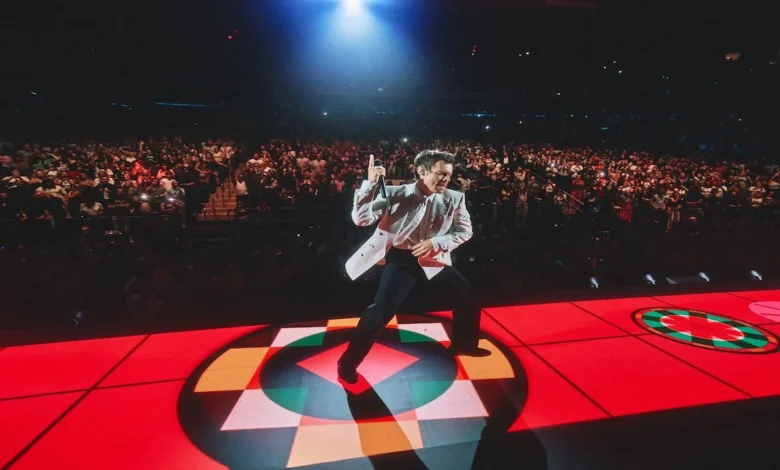
- October 31: Harry Styles concludes his 30-day residency at Madison Square Garden. The residency format—a strategy popularized by high-earning touring artists—serves as a stabilizing economic engine for the venue, allowing for localized tourism spikes throughout the duration of the engagement.
- November 3 – 30: The exhibition "Rock and Royals" at the Gallery at 200 Lex, featuring the work of photographer Kos Evans, marks a significant entry point for European contemporary art into the New York market.
The return of these high-traffic events plays a critical role in the city’s economic health. According to recent data from the New York City Economic Development Corporation (NYCEDC), the performing arts sector accounts for billions in direct spending, supporting thousands of ancillary jobs in retail, transportation, and hospitality.

Spotlight on Kos Evans: Bridging Maritime Heritage and Fine Art
The exhibition "Rock and Royals" serves as a case study in the intersection of sustainability and luxury art. Kos Evans, a photographer whose career has been defined by extreme maritime environments—ranging from the high-stakes theater of the America’s Cup to the cinematography of James Bond productions—is introducing her work to the U.S. market in a move that signals a growing interest in "upcycled" luxury.
The collection is unique not only for its imagery but for its substrate: the images are printed onto the sails of legendary yachts, including those formerly owned by President John F. Kennedy, the British Royal Family, and musician Pete Townshend. This methodology—what Evans describes as treating the sea as a "moving canvas"—transforms decommissioned, historical artifacts into fine art.
The inclusion of these pieces in a Manhattan design center underscores the blurring lines between industrial design, maritime history, and the fine art market. Evans’ commitment to donating a portion of the proceeds to organizations such as Oceans Without Borders and Nantucket Community Sailing indicates an alignment with the corporate social responsibility (CSR) initiatives that now characterize the high-end art trade.
The Economic Implications of a "Perfect" Season
From a macroeconomic perspective, the "perfect" fall season in Manhattan is a deliberate construct. The synchronization of gallery openings, theatrical debuts, and restaurant launches is designed to maximize the "multiplier effect" of tourism. When a visitor arrives in New York for a specific event—such as the New York City Marathon in November—their presence triggers a cascading series of expenditures.
Data from the hospitality industry suggests that "event-driven" travelers spend an average of 40% more per day than leisure travelers who are visiting for general sightseeing. The current season, with its heavy concentration of marquee events, is projected to result in a measurable increase in hotel occupancy rates, which have already seen a 7% year-over-year climb heading into the final quarter of 2026.

Furthermore, the involvement of high-profile figures in these events—from Gustavo Dudamel’s debut with the New York Philharmonic to the star-studded cast of Other Desert Cities—serves to reinforce New York’s status as a global cultural capital. Despite the competition from emerging cultural hubs in the Middle East and Asia, Manhattan’s ability to aggregate high-caliber talent remains unparalleled.
Strategic Outlook: Planning for the Future
For those planning to participate in the upcoming season, the logistical landscape remains complex. Demand for top-tier accommodations and performance tickets is currently at an all-time high, with many events approaching sell-out status weeks in advance.
The success of the 2026 fall season serves as a bellwether for the city’s long-term economic trajectory. By focusing on a blend of legacy infrastructure and innovative, experiential programming, New York continues to adapt to the expectations of a modern, affluent consumer. Whether it is through the lens of a camera on a racing boat or from a front-row seat at Madison Square Garden, the city remains a focal point for global attention, maintaining its relevance through a persistent commitment to excellence, even as the global landscape shifts.
As the calendar turns toward the end of the year, the combination of these cultural pillars suggests a robust finish for the city, reinforcing the sentiment that for those in search of high-impact experiences, Manhattan remains the preeminent destination in the Northern Hemisphere.