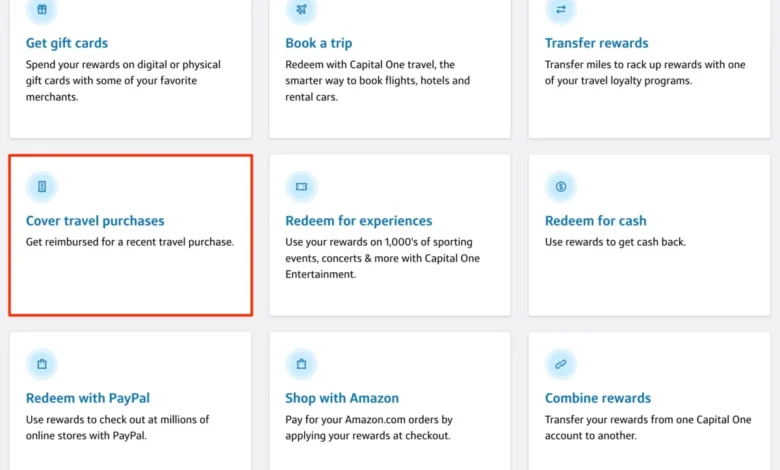
Unlike legacy hospitality giants such as Marriott International, Hilton Worldwide, Hyatt Hotels Corporation, and InterContinental Hotels Group (IHG), home-sharing and vacation rental marketplace Airbnb maintains no proprietary loyalty program. Consequently, travelers cannot directly earn or redeem loyalty points for complimentary nights within its standard ecosystem. However, flexible credit card rewards structures have fundamentally altered how consumers finance alternative accommodations. Among major financial institutions, Capital One Financial Corporation offers a uniquely straightforward mechanism to leverage credit card rewards for vacation rentals listed on platforms like Airbnb and Vrbo, as well as ancillary travel services such as curated local excursions, professional photography packages, and private chef bookings.
The Mechanics of Alternative Accommodation Redemptions
For years, point collectors seeking to utilize rewards for apartment rentals or home-sharing faced significant hurdles. While numerous travel rewards credit cards award bonus multipliers on standard travel expenditures—including hotels and vacation rentals—few permit direct redemptions for platforms lacking traditional co-branded credit card agreements. Capital One bridges this gap through its proprietary "Cover Travel Purchases" feature. This mechanism allows cardholders to utilize accrued miles to statement-credit virtually any purchase that codes as travel within the Visa or Mastercard payment networks at a fixed redemption rate of 1 cent per mile.

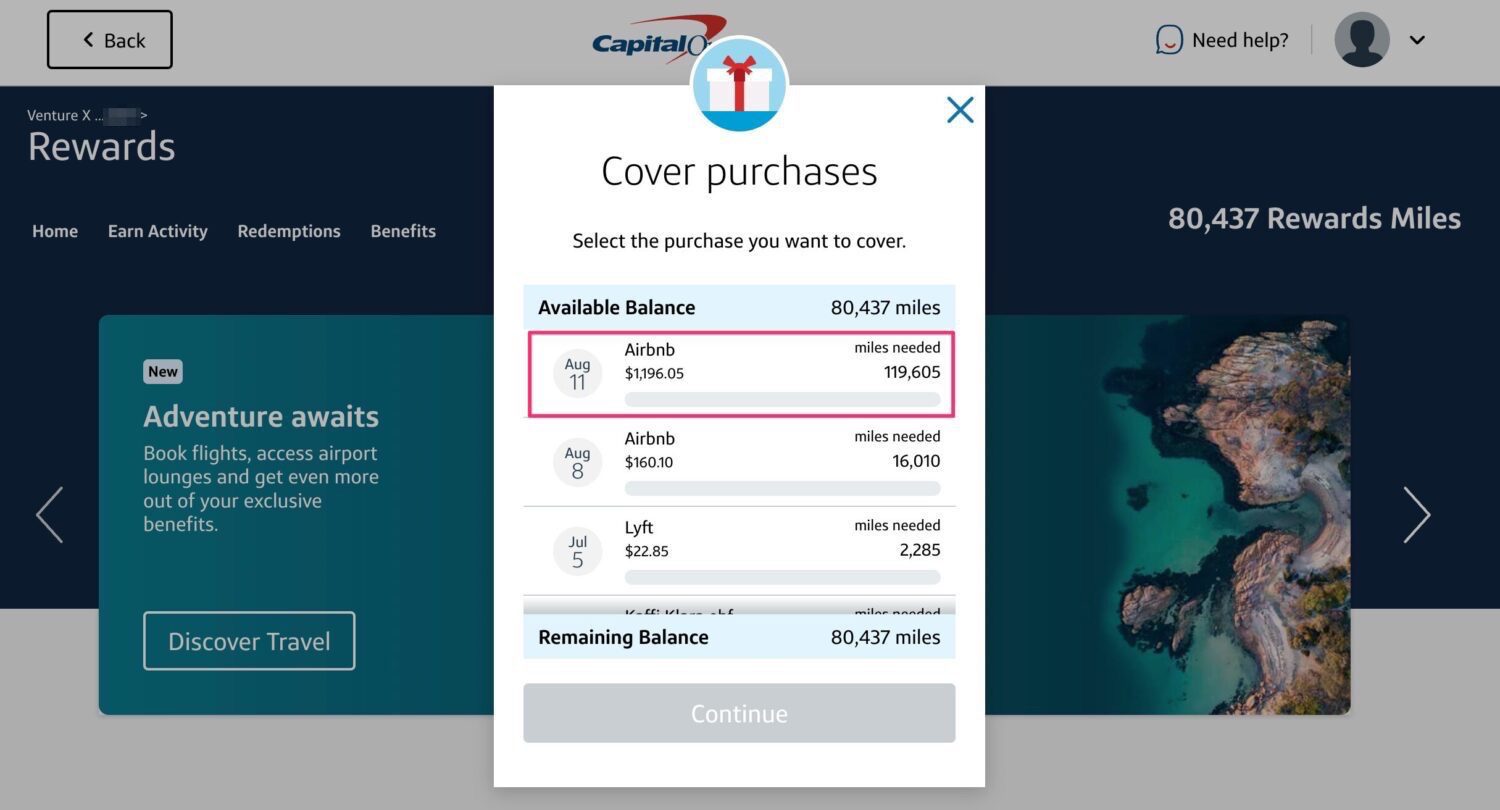
To execute this, cardholders must complete a two-step process. First, the accommodation or associated service must be purchased using an eligible Capital One rewards card, such as the Capital One Venture Rewards Credit Card or the Capital One Venture X Rewards Credit Card. Once the transaction posts to the user’s online banking dashboard—typically within two to three business days—the cardholder navigates to the rewards portal, selects the "Cover Travel Purchases" tab, and chooses transactions from the preceding 90 days to wipe clean using accumulated miles. Because Airbnb and Vrbo merchant category codes (MCC) default to travel classification, these purchases qualify automatically.
Maximizing Welcome Offers and Sign-Up Bonuses
Financial analysts frequently evaluate the value proposition of travel rewards cards based on initial sign-up incentives. The flagship Capital One Venture Rewards Credit Card currently features a competitive introductory offer tailored to maximize vacation rental savings. New cardholders can earn a substantial influx of bonus miles after meeting minimum spending thresholds within the first three months of account opening. Additionally, cardholders often receive supplementary statement credits applicable to accommodations booked directly via the Capital One Travel portal, providing an immediate financial offset that requires no preliminary point redemption.
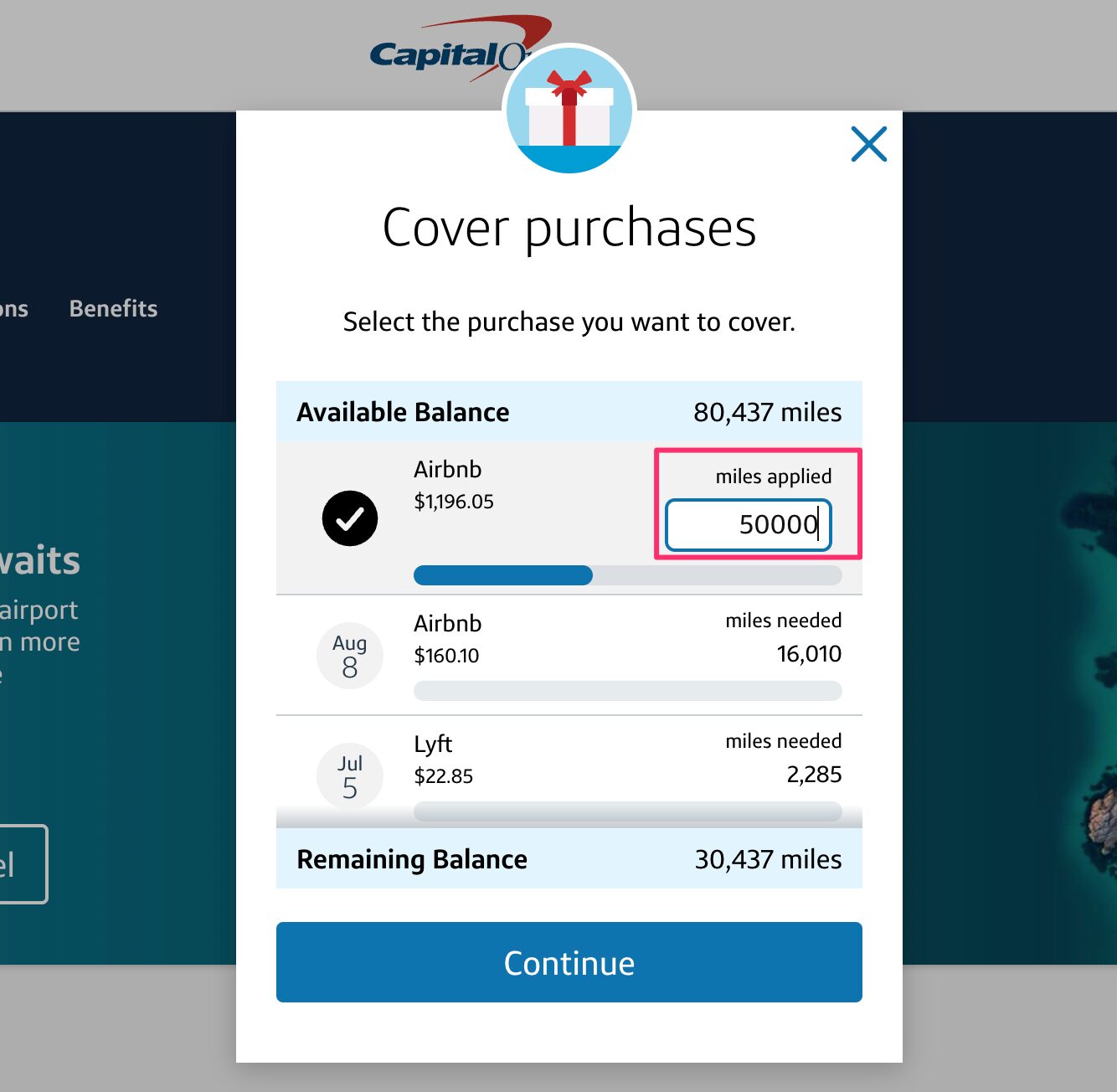
When cardholders combine these promotional bonuses with the baseline earning rate of at least 2 miles per dollar spent on all everyday purchases—and higher multipliers for bookings processed through the issuer’s proprietary travel portal—accumulated balances rapidly translate into hundreds of dollars in statement credits. For instance, a $500 weekend cabin rental booked through Vrbo can be fully neutralized using 50,000 miles, reflecting the standard 1-cent-per-mile valuation floor. Partial redemptions are similarly permitted, granting travelers the flexibility to exhaust minor point balances without needing to cover an entire reservation balance.

Expanding Beyond Lodging: Airbnb Experiences and Professional Services
The utility of Capital One miles extends well beyond sleeping quarters. Over recent years, Airbnb has aggressively expanded its portfolio to include "Airbnb Experiences" and "Airbnb Services." These offerings feature professionally guided tours, outdoor expeditions, workshops hosted by local experts, and high-end concierge services such as in-home spa treatments or personal training sessions.
Because these transactions are processed directly through the Airbnb merchant processing system, they consistently code as travel on credit card statements. Consequently, travelers can apply their Venture or Venture X miles to reimburse these activity expenses at the identical 1-cent-per-mile ratio. This flexibility allows tourists to finance complex culinary workshops, historical walking tours, or specialized regional excursions—such as an authentic A5 Wagyu beef dining experience in Kyoto—entirely through accumulated credit card rewards, eliminating out-of-pocket costs for the experiential portion of a vacation.
Collaborative Pooling and Account Transfers

One of the less-publicized yet most powerful features of Capital One’s rewards ecosystem is the ability to pool and transfer miles between separate cardholder accounts without incurring administrative fees. Unlike airline frequent flyer programs, which frequently impose steep surcharges for transferring miles between family members or friends, Capital One places no geographic or familial restrictions on account-to-account transfers.
This feature proves particularly advantageous for group travel. When multiple friends or family members organize a large group villa rental through Airbnb or Vrbo, individual participants who hold Capital One credit cards can consolidate their respective mile balances into a single account. By contacting Capital One customer service via telephone, cardholders can execute these transfers in a matter of minutes. The combined point pool can then be deployed to wipe out the substantial invoice of a multi-bedroom property, democratizing the rewards redemption process for group excursions.
Card Portfolio Overview: Selecting the Right Capital One Product
Consumers evaluating which Capital One product best suits their travel and accommodation style generally choose from three primary consumer credit cards, each tailored to different spending habits and fee structures.
The Capital One Venture Rewards Credit Card occupies the middle tier, commanding an annual fee of $95. It delivers an unlimited 2 miles per dollar on all purchases, enhanced multipliers on portal-booked travel, and valuable travel perks such as an application fee credit for Global Entry or TSA PreCheck. It remains a staple for both novice and seasoned reward optimizers seeking straightforward value.
The Capital One Venture X Rewards Credit Card represents the institution’s premier luxury travel offering, introduced to compete directly with high-end premium cards from rival issuers. Sporting an annual fee of $395, the card offsets its cost through a combination of an annual $300 travel credit for portal bookings, 10,000 anniversary bonus miles, and complimentary access to Capital One Lounges and participating Priority Pass airport lounges. It retains the foundational 2x earning structure while adding robust primary rental car insurance and trip interruption protections.
For consumers averse to annual fees, the Capital One VentureOne Rewards Credit Card offers a cost-free alternative. It earns a reduced rate of 1.25 miles per dollar on everyday purchases and features a smaller initial welcome offer. While functional for general spending, it is less optimal for rapid point accumulation compared to its fee-bearing counterparts.
Implications for the Broader Travel Industry
The growing intersection between flexible-point credit cards and alternative accommodations highlights a broader shift in consumer travel preferences. As vacation rentals capture an increasingly large market share relative to traditional hotels, financial institutions have had to adapt. By permitting statement-credit redemptions for independent apartment rentals, issuers like Capital One capture spend that would otherwise bypass traditional credit card travel ecosystems entirely.
For travelers, this architecture provides unprecedented freedom. Consumers are no longer tethered to traditional hotel chains to extract value from their credit card rewards. Instead, they can enjoy the localized, spacious experience of a home-rental property while maintaining the financial efficiency traditionally reserved for hotel loyalists, fundamentally bridging the gap between alternative lodging and travel rewards economics.