The Historical Significance and Preservation of the Venetian Castle of Zakynthos as a Pillar of Ionian Cultural Heritage

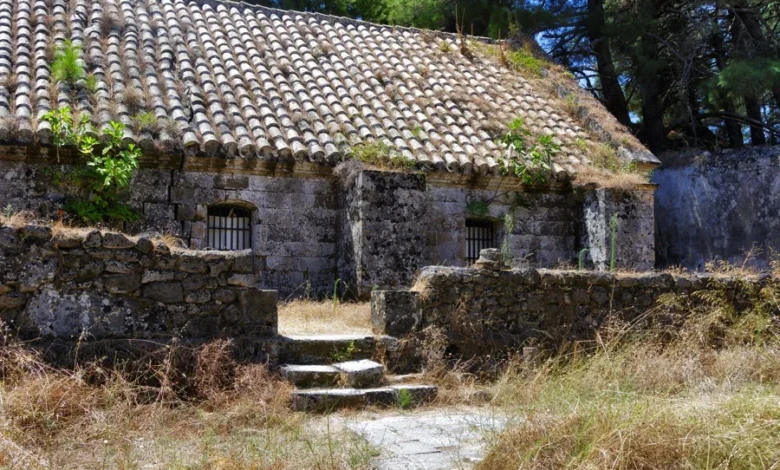
Standing atop the verdant Bohali Hill overlooking the capital of Zakynthos, the Venetian Castle remains one of the most significant historical landmarks in the Ionian Islands, serving as a resilient testament to the island’s complex colonial and seismic history. While many of the island’s ancient structures were decimated by the catastrophic earthquakes of the 20th century, this 15th-century fortress continues to provide a window into the architectural and strategic priorities of the Venetian Republic during its multi-century rule over the region. Today, the castle functions not only as a primary site for cultural tourism but also as a quiet sanctuary that offers a stark contrast to the bustling commercial activity of Zante Town below.
Geographic and Strategic Context of Zakynthos
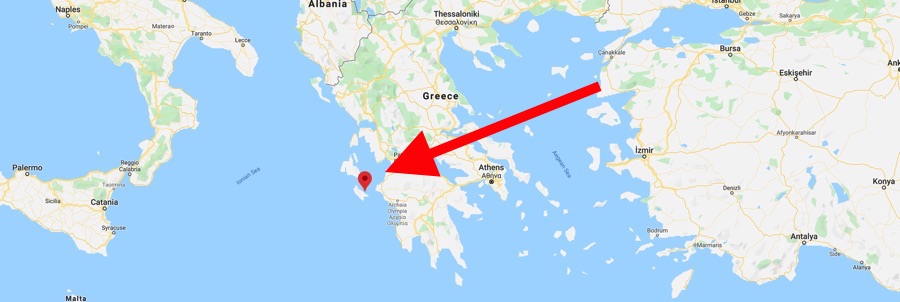
Zakynthos, often referred to by its Italian name "Zante," is positioned approximately 20 kilometers off the westernmost point of the Greek Peloponnese mainland. It sits nearly 250 kilometers west of the national capital, Athens. As one of the major Ionian Islands, Zakynthos has historically served as a vital maritime gateway between the Adriatic Sea and the Mediterranean. The island is globally recognized for its vibrant tourism sector, characterized by the nightlife of Laganas and the iconic Navagio Beach, also known as Shipwreck Cove.
The Venetian Castle is situated approximately two kilometers from the heart of Zante Town. Its location on Bohali Hill was chosen for its tactical advantages, providing a panoramic vantage point over the harbor and the Ionian Sea. At an elevation of roughly 125 meters (410 feet), the fortress allowed defenders to monitor the approach of enemy fleets, particularly those of the Ottoman Empire and various pirate factions that frequently patrolled these waters during the late Middle Ages and the Renaissance.
A Chronological History of Conflict and Reconstruction
The history of the Venetian Castle is a narrative of destruction and rebirth. The original fortifications on the site date back to the Byzantine era, but the structure as it is recognized today is largely the result of Venetian engineering.

In 1460, the fortress suffered significant damage during an invasion by the Turks. The destruction was so extensive that the site remained in a state of relative disrepair for decades. However, as the Venetian Republic consolidated its hold over the Ionian Islands—viewing them as essential "Stato da Mar" (State of the Sea) territories—the decision was made to reconstruct and expand the site. The current fortifications were effectively completed in 1646 AD.
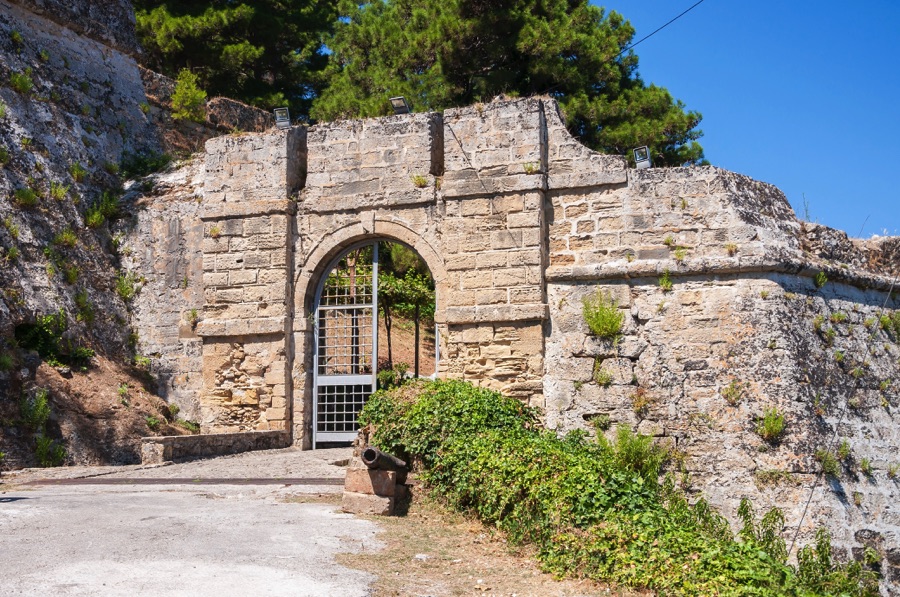
The architectural influence of Venice is immediately apparent to visitors. Upon entering the main gate, one is greeted by the Winged Lion of Saint Mark, carved into the stone archway. This symbol was the official emblem of the Venetian Republic and served as a clear marker of the island’s political and military alignment.
Following the fall of the Venetian Republic, the Ionian Islands transitioned through various administrative hands. In 1812, the British Empire assumed control of the islands, establishing a protectorate known as the United States of the Ionian Islands. During this period, the British utilized the Venetian Castle for administrative and military purposes, constructing barracks and powder stores. For a time, the castle even served as the seat of the British Parliament in the Ionians, further cementing its role as a center of political power.
Architectural Features and Internal Ruins
Despite the significant damage sustained during the Great Ionian Earthquake of 1953 and subsequent tremors, the interior of the castle walls contains the remains of several historically significant buildings. These ruins offer a glimpse into the social and religious life that once thrived within the fortified capital.
Among the most notable structures are the remains of several Byzantine and post-Byzantine churches. The Church of the Savior (San Salvatore) is the oldest among them, with foundations dating back to the 12th century AD. Other significant religious sites include the 14th-century Church of Saint Francis and the Church of Santa Barbara. These ruins highlight the intersection of Eastern Orthodox and Western Catholic influences that characterized Zakynthian culture under Venetian rule.
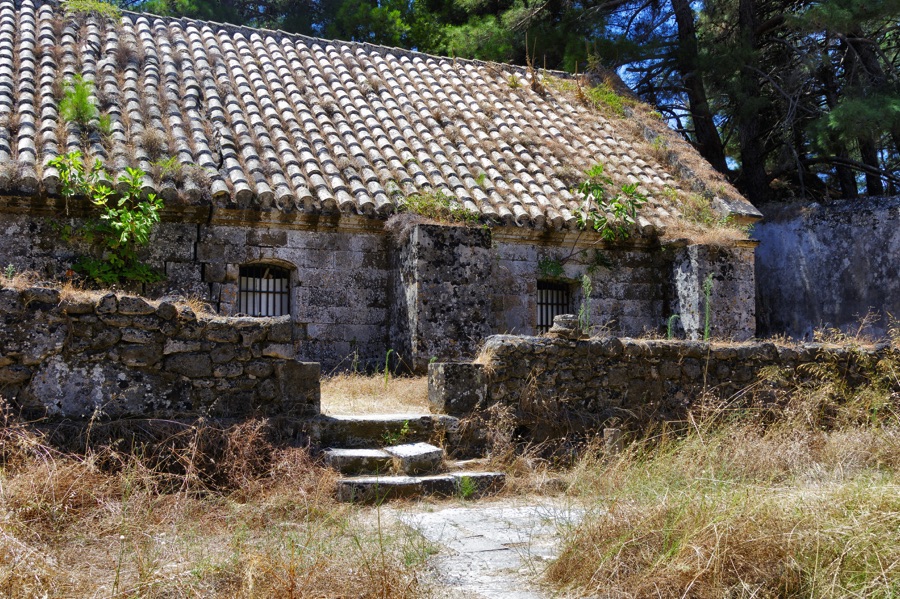
The castle grounds also feature specialized military structures. Visitors can still observe the remnants of prison cells and munitions storage areas. The defensive walls themselves, built with a slight batter to deflect cannon fire, represent the peak of 17th-century fortification technology.
Natural Disasters and the Resilience of the Site
Zakynthos is situated in one of the most seismically active regions of Europe. Throughout its history, the island has been leveled multiple times by powerful earthquakes. The most devastating event in modern history occurred in August 1953, when a series of massive tremors destroyed over 90% of the buildings on the island.
The Venetian Castle was not immune to this destruction. Much of its internal infrastructure was leveled, leaving only the sturdiest stone walls and foundations. However, the castle’s survival, even in a ruined state, is a point of pride for the local community. While many other historical sites on the island were lost forever and replaced by modern concrete structures, the castle remains an authentic link to the pre-1953 "Old Zante."
Local historians and preservationists have frequently advocated for more intensive restoration efforts. Currently, the site is maintained by the Greek Ministry of Culture, though much of the experience for visitors is focused on the "romantic ruin" aesthetic rather than a fully restored museum environment.
Tourism, Accessibility, and Economic Impact
The Venetian Castle plays a vital role in the diversification of Zakynthos’ tourism economy. While the majority of visitors are drawn to the island for its beaches and nightlife, cultural heritage sites like the castle attract a demographic interested in history and photography.
Access to the castle is relatively straightforward, though it requires a degree of physical exertion for those on foot. From Zante Town, the 20-minute uphill walk involves an ascent of 125 meters. For those utilizing motor vehicles, the drive takes approximately five minutes. Tourism officials recommend visiting during the early morning or late afternoon, particularly during the peak summer months of July and August, when midday temperatures often exceed 30°C (86°F).
One of the unique aspects of the Venetian Castle compared to other major Greek archaeological sites is its accessibility. Entry to the site is currently free of charge, making it an attractive option for budget-conscious travelers. The castle’s operating hours are subject to seasonal changes, typically closing at 3:30 PM in the winter and 7:00 PM during the height of the tourist season.
The castle’s presence also benefits the local economy of the Bohali district. The area surrounding the castle has seen the development of high-end cafes and restaurants that capitalize on the "Bohali View"—the panoramic vista of the harbor that is considered one of the most beautiful in Greece.
Infrastructure and Visitor Experience
The visitor experience at the Venetian Castle is characterized by tranquility and natural beauty. The site is surrounded by a dense pine forest, which provides shade and a cooler microclimate compared to the coastal areas.
Within the castle, a viewing platform has been established overlooking the cliffside. This platform provides an unobstructed view of the Ionian Sea, allowing visitors to see as far as the Peloponnese on clear days. Historically, this vantage point was the primary lookout for the Venetian garrison, providing early warnings of approaching vessels.
While the site includes some English-language signage explaining the significance of the various ruins, the lack of extensive digital guides or on-site museums means that visitors are often left to explore the grounds independently. This has led to calls from international travel experts for the implementation of augmented reality (AR) tours or more detailed historical plaques to better contextualize the ruins for a global audience.
Broader Implications and Future Outlook
The preservation of the Venetian Castle is emblematic of the broader challenges facing Greek cultural heritage. Balancing the needs of modern tourism with the necessity of archaeological conservation requires significant funding and strategic planning.
The castle’s status as a "lesser-visited" site compared to the Parthenon in Athens or the ruins of Delphi allows it to maintain a sense of authenticity and peace. However, this also means it often receives less attention in national budgets. Inferred statements from local tourism boards suggest a desire to elevate the castle’s profile as part of a "Cultural Route" of the Ionian Islands, linking it with the Old Fortress of Corfu and the Castle of Saint George in Kefalonia.
As Zakynthos continues to evolve as a premier European travel destination, the Venetian Castle stands as a reminder of the island’s resilience. It serves as a bridge between the medieval history of the Venetian Republic and the modern Greek state. For the thousands of tourists who visit each year, the castle offers more than just a photo opportunity; it provides a profound sense of the historical layers that have shaped the Ionian identity.
In conclusion, the Venetian Castle of Zakynthos remains a cornerstone of the island’s heritage. Its architectural significance, historical depth, and natural beauty ensure its place as an essential destination for anyone seeking to understand the true character of the Ionian Islands. Whether viewed as a military relic, a religious site, or a scenic lookout, the fortress continues to stand watch over Zante Town, just as it has for over five centuries.
Related posts: