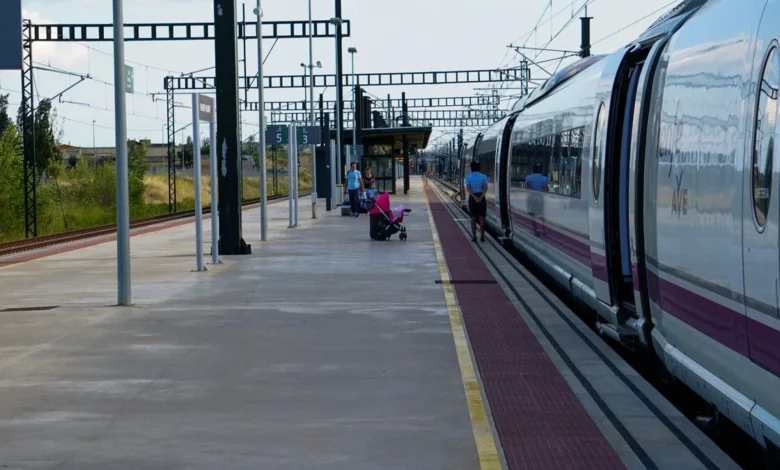
Barcelona Sants station serves as the central transportation nexus of Catalonia, radiating high-speed and regional rail lines outward into five distinct geographical corridors without creating any operational need for a rental car. Within a brief travel window of one to two hours, passengers can transition seamlessly from the metropolitan bustle of Catalonia’s capital to antiquity-laden Roman amphitheaters, cliffside monastic trails carved into dramatic mountain ranges, or pristine Mediterranean fishing villages preserved largely unchanged over the past century.
This comprehensive guide analyzes five premier day-trip destinations accessible directly from Barcelona by train: Tarragona, Sitges, Montserrat, Girona, and Altafulla. It outlines the precise transit logistics, historical context, and architectural highlights awaiting travelers upon arrival, reflecting the broader European push toward sustainable, rail-based regional tourism.
The Shift Toward Rail Tourism in Catalonia
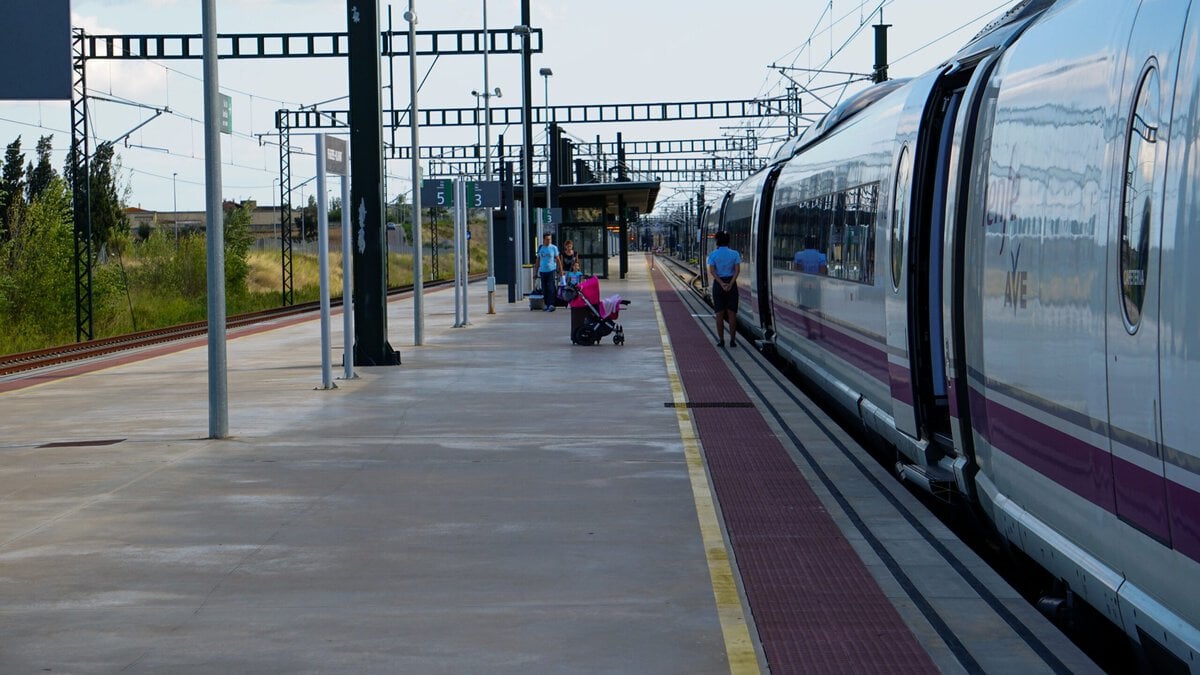
In recent years, regional transport authorities in Catalonia have experienced a significant surge in regional rail ridership, driven by coordinated investments in high-speed rail networks, suburban commuter lines (Rodalies de Catalunya), and integrated ticketing systems. Transport economists note that eliminating the necessity for car rentals reduces urban congestion, lowers carbon emissions, and distributes tourist expenditure more equitably across secondary and tertiary municipalities.
Travel industry analysts point out that destinations situated within a 100-kilometer radius of Barcelona are uniquely positioned to absorb day-trip traffic, thereby relieving lodging pressures within the city center while stimulating local economies in historic coastal and interior towns.
1. Tarragona: Unearthing Roman Antiquity by the Sea
Located approximately 1 hour and 10 minutes south of Barcelona Sants via regional rail services, Tarragona—historically known as Tarraco—stands as one of the most significant Roman archaeological sites on the Iberian Peninsula. Founded in the 3rd century BC, Tarraco served as the capital of the Roman province of Hispania Citerior and later Hispania Tarraconensis, commanding immense geopolitical and economic importance across the Western Mediterranean.
Historical Landmarks and Archaeology
The city’s architectural inventory offers a tangible chronology of classical antiquity:
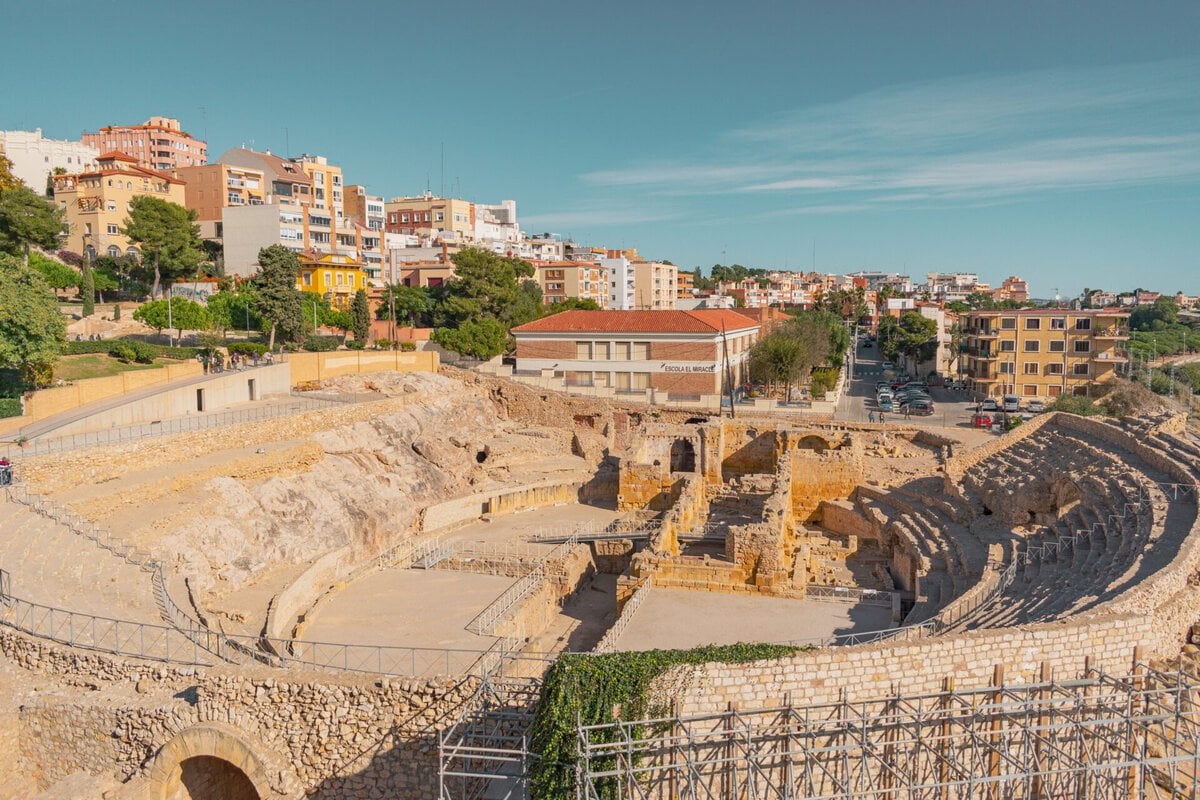
- The Roman Amphitheater of Tarraco: Built in the 2nd century AD directly adjacent to the Mediterranean shoreline, this arena once hosted brutal spectacles, including gladiator combat, wild beast hunts, and public executions. Visitors today can observe well-preserved stone seating tier remnants embedded within the Amphitheater Park.
- The Roman Circus: Recognized as one of the best-preserved circuses in Europe, this subterranean and open-air complex accommodated chariot races attended by thousands of spectators.
- Ancient City Walls: The monumental defensive perimeter once stretched up to 3,500 meters, constructed with massive megalithic blocks that showcase early Roman military engineering.
- Tarragona Cathedral: Perched at the upper elevation of the historic quarter, the cathedral is approached via Carrer Major, a vibrant thoroughfare flanked by traditional merchants, artisanal workshops, and local cafes.
Urban planners and cultural heritage experts frequently cite Tarragona as a model for integrating dense urban living with fragile archaeological preservation, balancing tourism footfall with structural conservation mandates.
2. Sitges: A Coastal Haven of Trade, Art, and Maritime Heritage
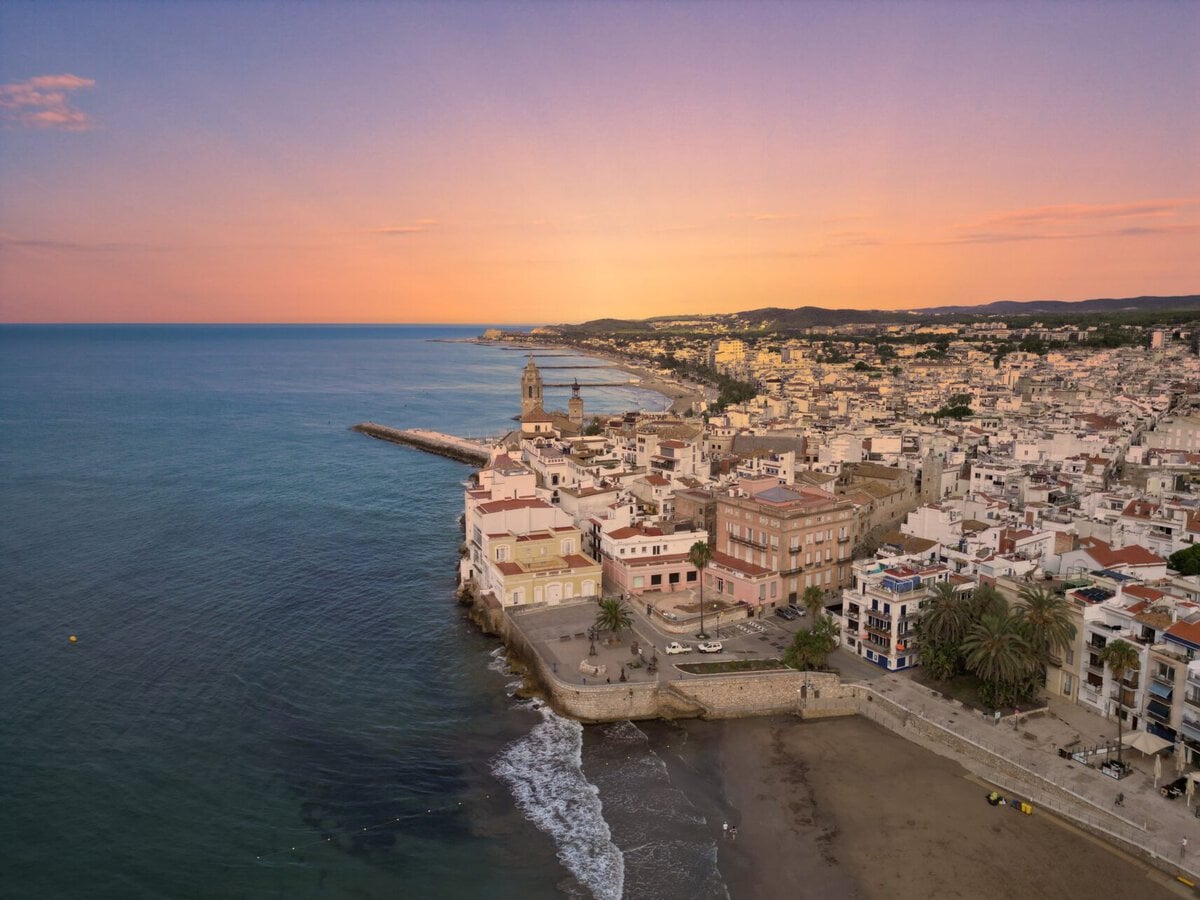
Situated less than an hour south of Barcelona along the coastal rail corridor, Sitges represents the quintessential transformation of a traditional Mediterranean fishing and trading port into a renowned cultural and leisure destination. Historically, Sitges built its economic foundation on coastal fishing, viticulture (particularly the Malvasia dessert wine), and maritime commerce with the Americas during the 18th and 19th centuries.
Architectural and Cultural Landscape
The architectural identity of Sitges is anchored by several notable landmarks:
- The Church of Sant Bartomeu and Santa Tecla: Often referred to locally as the "La Punta," this 17th-century baroque church sits majestically on a promontory overlooking the sea, visible from nearly every vantage point along the seaside promenade.
- The Historic Old Town (Cas Antic): A labyrinth of narrow, whitewashed pedestrian alleys featuring modernist architecture, independent boutiques, and galleries that reflect the town’s rich bohemian history as an early 20th-century artistic colony championed by painter Santiago Rusiñol.
- Microclimate and Coastal Access: Boasting numerous sandy beaches sheltered by breakwaters, Sitges maintains a year-round microclimate that attracts international travelers and local weekenders alike.
3. Montserrat: The Spiritual and Geological Crown of Catalonia
Positioned approximately 1 hour and 15 minutes northwest of Barcelona, the multi-peaked mountain range of Montserrat rises abruptly from the Catalan central plain. Reached via a combination of regional train lines and the iconic Montserrat rack railway (Cremallera de Montserrat), the site is internationally celebrated for its striking, finger-like rock formations composed of pink conglomerate stone.
Religious Heritage and Institutional History
At the heart of the mountain complex lies the Santa Maria de Montserrat Abbey:
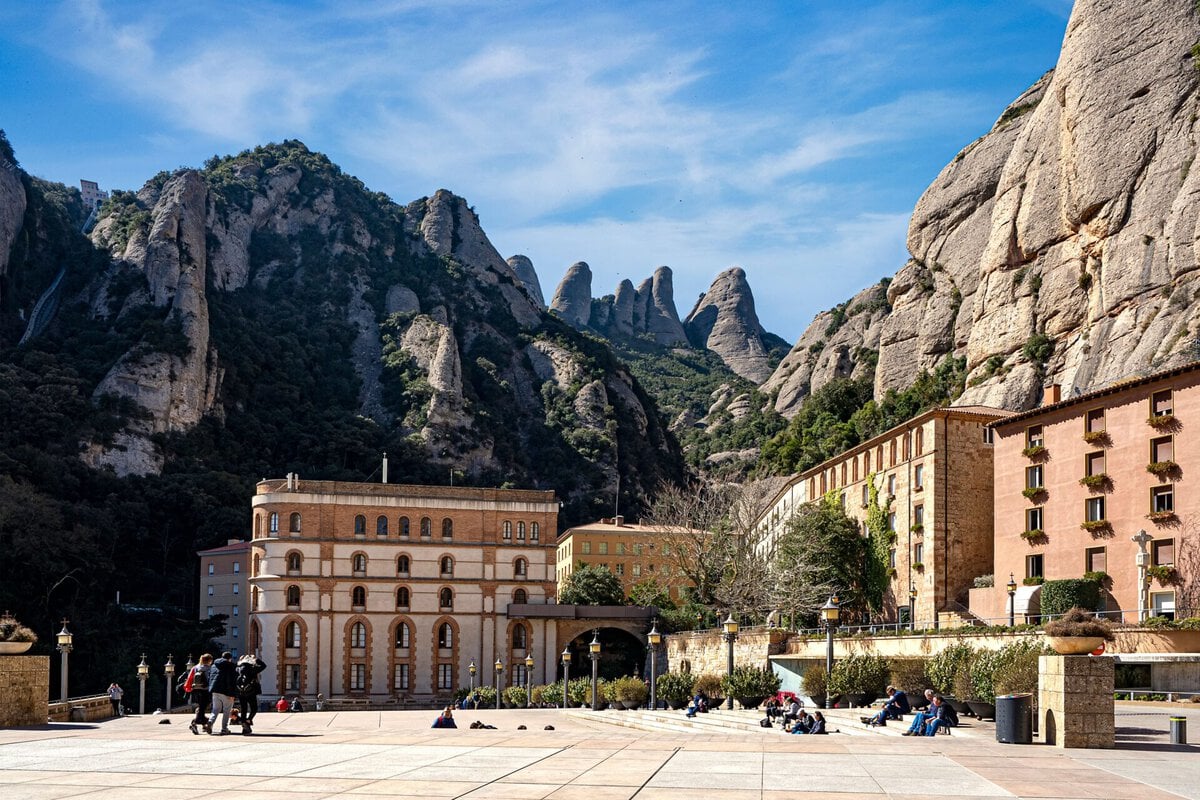
- The Basilica and La Moreneta: Construction of the original monastic complex began in the 11th century, though the current basilica structure largely dates from a 16th-century reconstruction and subsequent 20th-century neo-Romanesque façade renovations. Inside rests La Moreneta (The Black Madonna), a 12th-century Romanesque wooden carving of the Virgin and Child that serves as the patron saint of Catalonia.
- The Montserrat Museum: Housing an eclectic collection of fine art, archaeological artifacts, and liturgical goldsmithing, the museum features works by masters such as Caravaggio, El Greco, Dalí, and Picasso.
- The Rosary Path and Holy Cave: According to local tradition, shepherds discovered the miraculous image of the Virgin in a mountain grotto in 880 AD. Today, pilgrims and hikers reach the site via the Rosary Path, an outdoor mountain trail spanning just under 1.5 kilometers from the rack railway station.
Environmental geologists emphasize the fragility of the Montserrat Natural Park ecosystem, noting that strict trail management and rail-based access are essential measures to mitigate erosion caused by heavy tourist traffic.
4. Girona: Medieval Stratigraphy and Culinary Excellence
Girona lies approximately 103 kilometers northeast of Barcelona, accessible in under 45 minutes via Spain’s Avant high-speed rail network. Boasting a complex history marked by Iberian, Roman, Visigothic, Moorish, and Christian occupations, Girona’s urban fabric is a dense collage of medieval fortifications, Gothic churches, and Europe’s best-preserved Jewish Quarter (The Call).
Cultural and Gastronomic Significance
Girona has increasingly gained international acclaim across multiple domains:
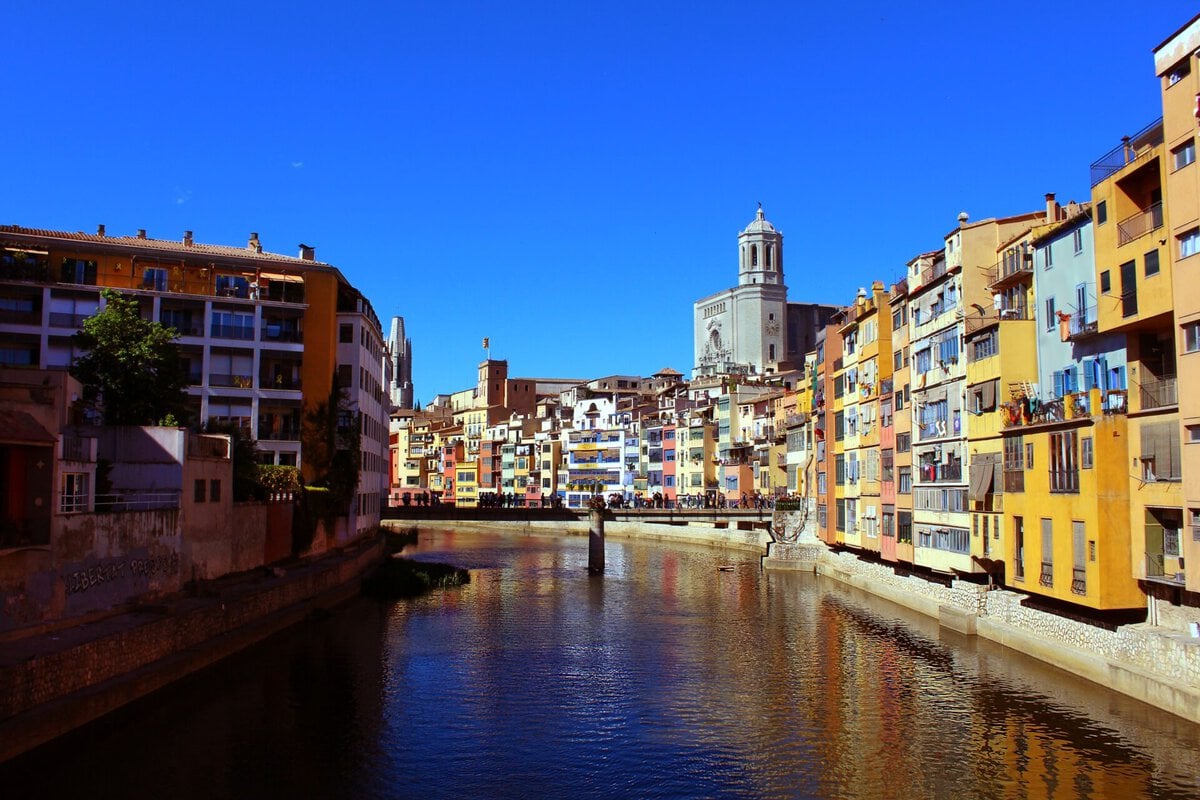
- Girona Cathedral: Dominating the city’s highest elevation, the cathedral features the widest Gothic nave in the world, spanning an impressive 23 meters.
- Cinematic Heritage: The historic center’s remarkably intact medieval streetscapes served as principal filming locations for major fantasy television productions, notably Game of Thrones, significantly boosting international screen tourism.
- Haute Cuisine and El Celler de Can Roca: Beyond its historical assets, Girona is a global epicurean capital. It is home to El Celler de Can Roca, a three-Michelin-starred restaurant operated by the Roca brothers (Joan, Josep, and Jordi), globally recognized for redefining modern gastronomy through innovative sensory pairings and technical mastery.
- The Girona Art Museum: Located near the cathedral, the institution preserves regional ecclesiastical art and fine antiquities following its foundation in 1976.
5. Altafulla: Preserving Medieval Architecture and the Vila Closa
Located precisely one hour south of Barcelona on the rail line shared with Tarragona, Altafulla is a coastal municipality housing a resident population of just over 5,000 inhabitants. Despite its modest size, the town encapsulates the architectural and defensive heritage of the Catalan coast.
Key Highlights of Altafulla
- The Vila Closa: Designated as a National Cultural Asset of Historical Interest, the medieval old town is enclosed entirely by its original defensive walls. The urban layout consists of steep, winding stone alleys flanked by noble stone houses dating from the 17th and 18th centuries.
- Altafulla Castle: A privately owned medieval fortress featuring a notable Renaissance gallery, courtyard, and formal gardens. To balance heritage preservation with public access, interior tours are strictly regulated and require advance reservation through the municipal tourist office.
- Coastal Geomorphology: The surrounding coastline features dramatic cliffs, sandy coves, and the mouth of the Gaià River nature reserve, offering visitors a tranquil alternative to larger, highly commercialized resort towns.
Practical Logistics and Travel Advisory
For international travelers navigating Catalonia’s rail network, regional commuter trains operated by Rodalies and regional services do not require advance seat reservations; standard same-day tickets or integrated transit cards suffice. However, specialized alpine transport—such as the Montserrat rack railway—and culturally restricted sites like Altafulla Castle necessitate prior booking to guarantee entry.
Urban mobility experts stress that combining these five destinations via rail optimizes travel times, circumvents parking shortages in historic districts, and aligns with broader European directives aimed at sustainable regional mobility.