Beyond the Duomo: How Milan’s Terme De Montel is Redefining Urban Wellness in a Restored Liberty-Era Landmark

Milan has long been synonymous with high-octane commerce, relentless fashion calendars, and a hyper-accelerated urban pace. For generations, millions of global travelers have approached Italy’s financial capital as a demanding checklist: marvel at the Gothic spires of the Duomo, admire the vaulted glass of the Galleria Vittorio Emanuele II, pause briefly by the Navigli canals, and rush onward to catch a high-speed train to the lakes or the coast. While this dynamic rhythm remains central to the city’s global identity, a profound paradigm shift is underway in the shadows of the legendary San Siro Stadium. Here, hidden behind a restored architectural masterpiece, a new destination is rewriting the rules of metropolitan travel, proving that Milan is a city not only to be traversed at breakneck speed, but one to be savored in stillness.
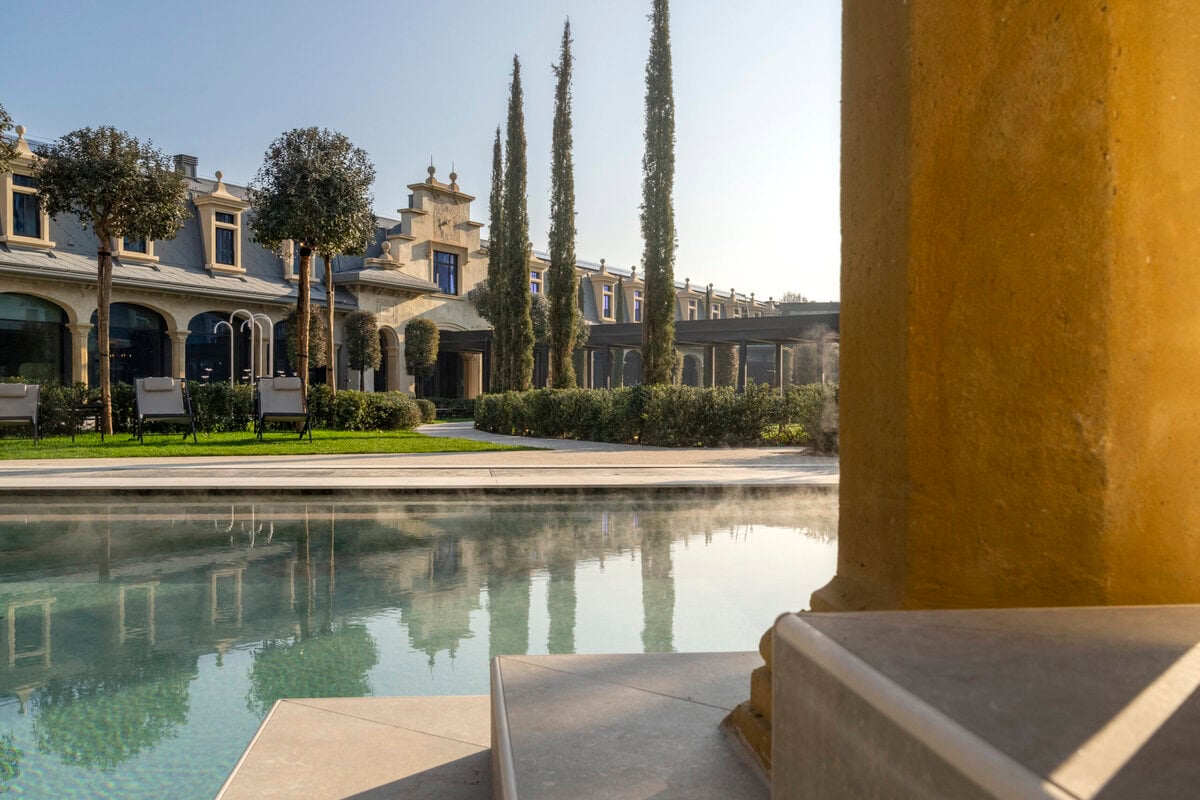
Terme De Montel, a sprawling thermal destination housed within the historic De Montel Stables, represents a radical departure from conventional urban tourism. By successfully integrating certified thermal waters, expansive open-air pools, and meticulously curated wellness gardens into a protected architectural monument, the project offers visitors an antidote to modern burnout. Far from a routine spa excursion, Terme De Montel bridges the gap between Milan’s industrial, fast-paced heritage and an emerging cultural demand for intentional, slower-paced urban exploration.
The Architectural Marvel of the De Montel Stables
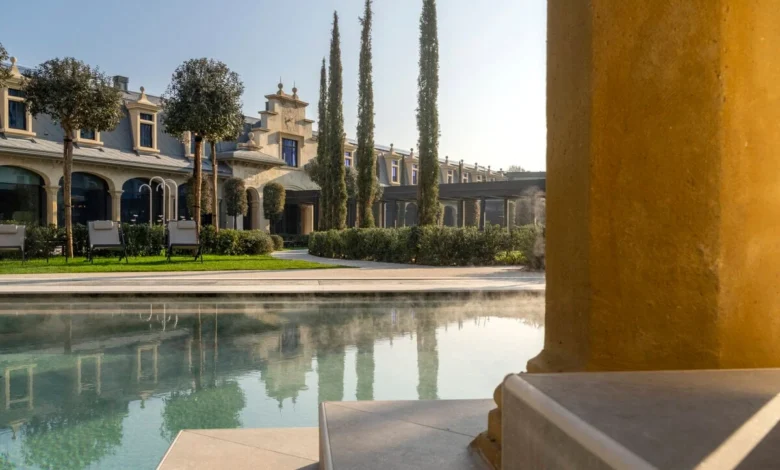
The structural foundation of Terme De Montel is rooted in Italy’s rich architectural history. Originally constructed as equestrian stables during the late 19th and early 20th centuries, the buildings are quintessential examples of the Liberty style—Italy’s distinctive interpretation of the Art Nouveau movement. Characterized by intricate wrought-iron details, floral motifs, soaring ceilings, and fluid, organic structural lines, the stables were built during an era when Milan was expanding rapidly as an industrial powerhouse.
For decades, the historic complex stood underutilized, overshadowed by the massive concrete bowl of the adjacent San Siro Stadium and the heavy vehicular traffic of the surrounding western district. However, a multi-million-euro restoration initiative has transformed the neglected stables into a functional wellness sanctuary without compromising their historic integrity. Preservationists worked closely with urban planners to ensure that the Liberty-era aesthetic remained the focal point of the visitor experience. Rather than concealing the historic brickwork and ornate iron framing behind contemporary spa minimalism, the design embraces the contrast. Visitors stepping off Via Achille cross a psychological and architectural threshold: on one side lies the relentless momentum of contemporary Milan, while on the other stands a century-old monument dedicated entirely to tranquility.
The Science and Sensory Profile of Certified Thermal Water
What fundamentally distinguishes Terme De Montel from standard urban wellness centers is its deployment of certified thermal water. While many city-based spas rely on treated municipal water heated for recreational use, Terme De Montel utilizes naturally sourced thermal waters with recognized mineral properties.
Hydrogeological studies conducted prior to the site’s development confirmed the presence of mineral-rich aquifers capable of feeding the complex’s indoor and outdoor basins. The water possesses a distinct mineral profile, carrying trace elements that impart a subtle, earthy freshness perceptible immediately upon immersion. This sensory experience is amplified by the architectural acoustic design, where the gentle lap of water and muted conversations replace the ambient roar of the city outside.
Industry analysts note that the integration of certified thermal resources within metropolitan boundaries reflects a broader European trend toward preventative health and wellness tourism. Rather than requiring travelers to journey to remote alpine valleys or volcanic Tuscan outposts—such as Saturnia or Bormio—urban destinations are increasingly bringing wellness infrastructure directly to the population centers where stress levels are highest.
Chronology and Development of the Project
The realization of Terme De Montel was not achieved overnight; it represents the culmination of a decade-long urban regeneration effort.
The initial phase of the project began in the mid-2010s, when municipal authorities and private investors identified the abandoned De Montel complex as a prime candidate for adaptive reuse. For decades, the property had fallen into disrepair, serving as a reminder of the urban decay that can afflict post-industrial city districts.
By 2018, preliminary architectural assessments and environmental impact studies were approved, paving the way for a complex restoration process that required specialized artisans to repair fragile Liberty-era stonework and decorative plaster. Construction and hydrogeological drilling progressed through the early 2020s, overcoming supply chain disruptions and regulatory hurdles.
By late 2025 and early 2026, the facility officially opened its doors to the public, marking a major milestone in Milan’s urban tourism strategy. The launch coincided with a growing demand for experiential travel products, positioning the thermal baths not merely as a local amenity, but as a primary anchor for international visitors seeking unconventional itineraries.
Operational Structure: Wellness Advisors and Ceremonieri
A key differentiator in the operational philosophy of Terme De Montel is the elimination of passive hospitality. Traditional spas typically provide guests with locker keys, maps, and absolute autonomy, leaving visitors to navigate steam rooms, saunas, and plunge pools independently. Terme De Montel adopts a guided, structured approach designed to combat decision fatigue.
Upon arrival, guests are paired with Wellness Advisors. These professionals conduct brief consultations to ascertain the visitor’s physical state, available time constraints, and psychological needs for the day. Whether a guest has booked a five-hour midday break or a full-day immersion, the advisor helps map out a personalized sequence of thermal transitions.
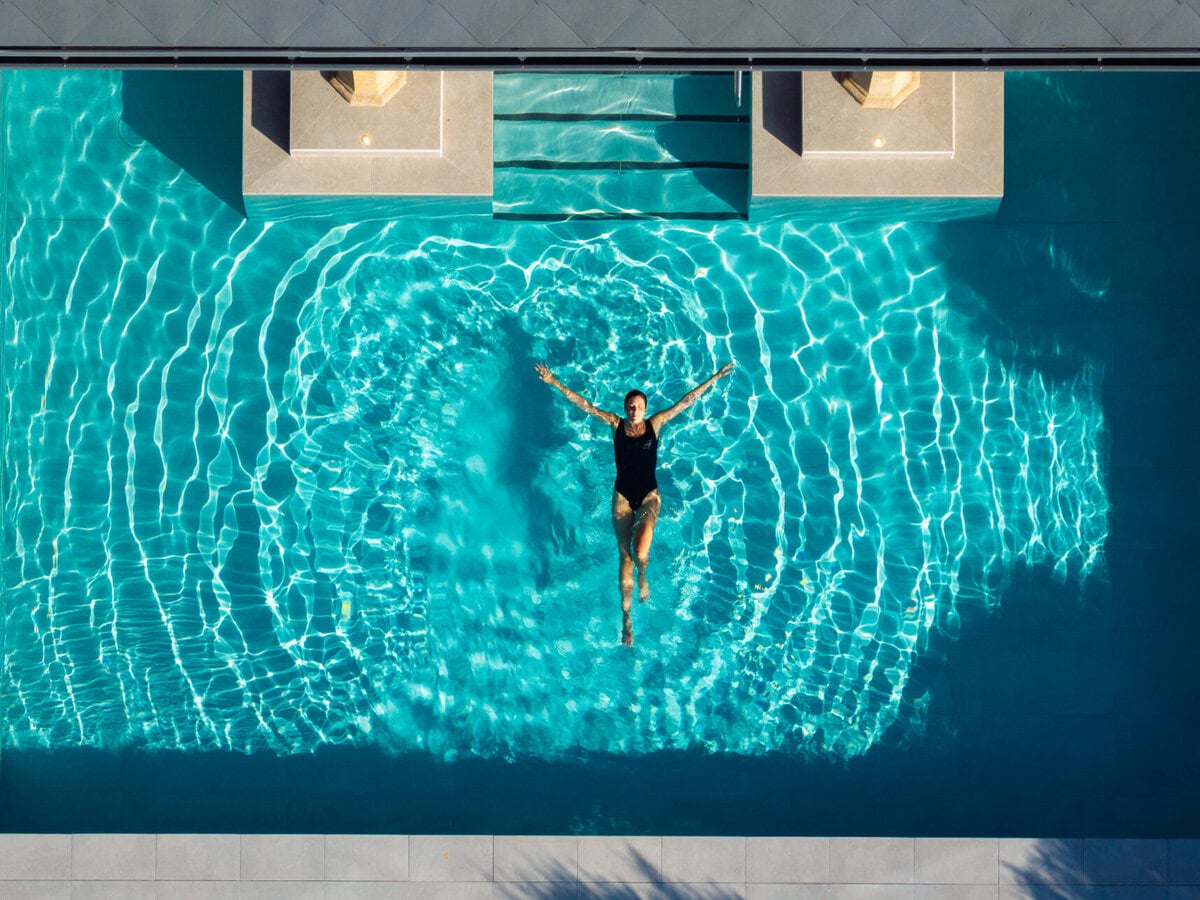
Once the path is established, specialized staff known as Ceremonieri take over. These practitioners actively guide guests through specific thermal rituals, Aufguss ceremonies in the saunas, and targeted relaxation sessions. By introducing intentional pauses and structured pacing, the Ceremonieri remove the burden of time management from the visitor. Industry observers point out that this level of personalized choreography transforms a standard leisure activity into a restorative psychological intervention, allowing guests to fully detach from the cognitive load of modern professional life.
Culinary Integration: The Aperitivo Tradition Reimagined
Food and beverage service at Terme De Montel is intentionally woven into the wellness journey, reflecting Milanese cultural identity without compromising the tranquil environment. In Milan, the aperitivo is a sacred social institution, typically occurring in bustling bars across neighborhoods like Navigli, Brera, or Porta Romana.
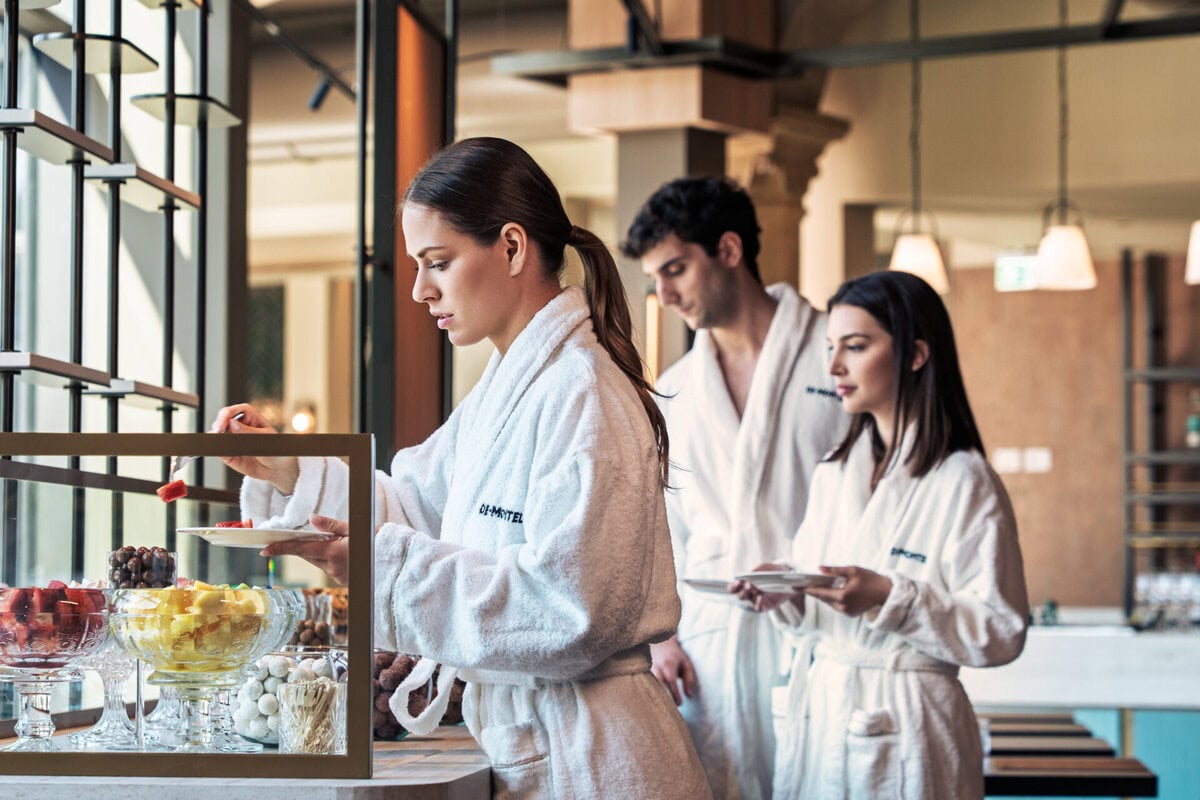
At Terme De Montel, this tradition is recontextualized. Rather than treating dining as a discrete activity that requires getting dressed, leaving the premises, and re-entering the urban fray, the facility integrates high-end culinary offerings directly into the wellness path. Guests can transition seamlessly from a thermal pool or a relaxation lounge to enjoy regionally sourced dishes, artisanal bites, and curated beverages.
This approach aligns with contemporary nutritional science, which emphasizes the benefits of mindful eating in low-stress environments. By embedding the aperitivo into the afternoon itinerary, the facility honors local gastronomic heritage while maintaining an unbroken atmosphere of relaxation.
Economic Implications and Broader Tourism Impact
The opening of Terme De Montel has triggered wider economic discussions regarding the decentralization of tourism in Milan. For decades, the historic core surrounding the Piazza del Duomo has absorbed the vast majority of visitor foot traffic, leading to localized overtourism, inflated commercial rents, and infrastructural strain.
By establishing a world-class wellness destination directly opposite the San Siro Stadium—located in the city’s western periphery—urban planners have created a powerful magnet that draws travelers away from the congested center. Tourism economists suggest that such projects play a vital role in neighborhood revitalization, distributing economic benefits to local businesses, hotels, and transport networks outside the immediate tourist zones.
Furthermore, the introduction of the five-hour wellness break package (priced dynamically around EUR 99 for comprehensive day access, excluding specialized food and beverage) caters specifically to business travelers and short-term visitors. Milan, as Italy’s financial engine, hosts thousands of corporate delegates weekly who historically had little time to experience the city beyond conference centers and business hotels. Destinations like Terme De Montel offer an accessible, time-efficient mechanism for these travelers to engage with the city’s cultural and recreational offerings.
Practical Considerations for Visitors
For those planning a visit to Terme De Montel, logistical integration is straightforward. Located at Via Achille 6, the facility is accessible via Milan’s robust public transportation network, removing the need for private vehicular transport or out-of-town excursions.
Guests are provided with a comprehensive spa kit upon entry—including a plush bathrobe, towel, slippers, and a commemorative tote bag—minimizing the luggage burden for international travelers. Operational guidelines advise visitors to pack seasonal layers, as the facility deliberately leverages its open-air gardens and outdoor thermal pools across all four seasons. While summer months offer warm, sunlit relaxation, the winter season provides a striking sensory contrast, pairing crisp ambient air with high-temperature mineral water.
Conclusion: Embracing Prendersi Il Proprio Tempo
Terme De Montel offers more than just hydrotherapy; it presents a philosophical challenge to the standard tropes of modern tourism. By anchoring a state-of-the-art thermal destination within a historic Liberty-era structure across from a world-famous football stadium, Milan has expanded its cultural narrative.
The venue embodies the Italian concept of prendersi il proprio tempo—the deliberate act of taking one’s time. In a world defined by algorithmic efficiency and constant connectivity, the ability to step off the grid within a bustling metropolis is perhaps the rarest luxury of all. As Milan continues to evolve ahead of future global events, destinations like Terme De Montel ensure that the city’s future remains as deeply rooted in well-being as its past is in industry and design.