Navigating Moroccan Attire: A Comprehensive Guide for Travelers Balancing Style, Climate, and Cultural Respect

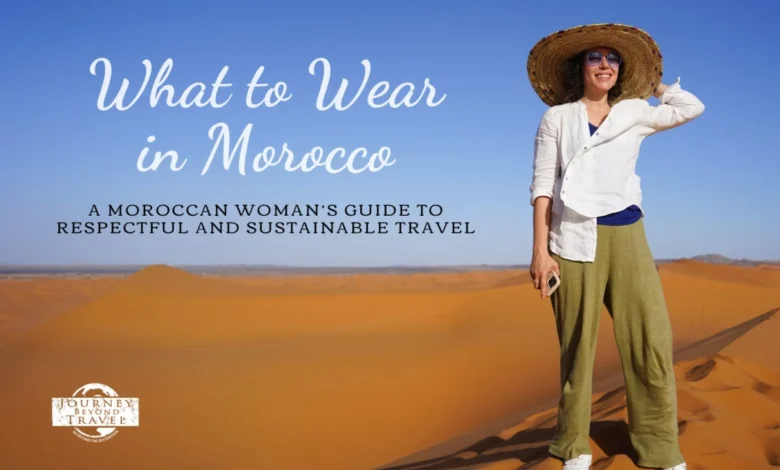
Morocco, a nation celebrated for its vibrant culture, stunning landscapes, and rich history, presents a unique sartorial landscape for international visitors. While the country notably lacks a formal government-enforced dress code, understanding and respecting local customs is paramount for travelers seeking an authentic and harmonious experience. This consideration is particularly relevant for women, who frequently seek guidance on appropriate attire that balances personal comfort with cultural sensitivity.
Morocco’s Cultural Tapestry and Evolving Norms
Historically, Morocco has been recognized as a relatively liberal Muslim country, characterized by a mosaic of Arab, Berber, and European influences that have profoundly shaped its societal norms, including public dress. Public spaces, particularly in bustling urban centers like Marrakech, Fez, and Tangier, have long showcased a diverse range of clothing styles. These have historically spanned from traditional jellabas (long, hooded tunics) and flowing robes to contemporary Western fashion. Anecdotal accounts from previous decades, such as those describing Tangier in the 1980s, illustrate a public beach scene where individuals comfortably wore everything from traditional garments to bikinis and shorts, reflecting a relaxed yet distinctly Moroccan blend of styles. This historical openness has been a hallmark of Morocco’s cultural identity, attracting millions of tourists annually, with tourism contributing significantly to the national GDP, estimated at over 7% pre-pandemic and supporting hundreds of thousands of jobs.

However, social dynamics have evolved over the past two decades. Observers note a discernible shift in public interactions, with an increase in verbal harassment, including catcalling and unsolicited comments, directed at women in certain areas. This trend has, in turn, influenced some Moroccan women to adopt more conservative clothing choices, partly as a means to deter unwanted attention and assert a sense of personal security. For international travelers, this evolving context underscores the importance of mindful dressing, not merely as a matter of compliance, but as a gesture of respect and a practical step towards a more comfortable and engaging journey. This subtle yet significant shift highlights the ongoing negotiation between tradition, modernity, and global influences within Moroccan society.
The Absence of a Dress Code Versus the Presence of Cultural Expectations
It is crucial to differentiate between the absence of a strict legal dress code and the enduring presence of strong cultural expectations. Moroccan society, rooted in Islamic traditions, values modesty. While foreign visitors are not expected to adhere to the same standards as local women, a conscious effort to dress respectfully can significantly enhance interactions with locals, prevent disapproving glances, and facilitate deeper connections, especially outside major tourist enclaves. Tour operators and cultural experts consistently emphasize that demonstrating cultural awareness is a cornerstone of respectful and sustainable travel.
Regional variations are also significant. Rural regions, traditional villages, and less-frequented areas are generally more conservative in their outlook and attire than metropolitan centers and coastal resorts. This disparity mirrors similar dynamics found in many countries globally, where urban areas often exhibit greater social liberalism than their rural counterparts. For instance, while popular beach towns like Essaouira and surf spots such as Taghazout may tolerate more revealing swimwear in designated tourist zones and private resorts, public beaches or communal spaces in smaller towns would warrant more modest options. This nuanced understanding of regional customs allows travelers to navigate Morocco’s diverse social landscapes with greater ease and respect.

Seasonal Climate Considerations: A Detailed Overview
Morocco’s geographical diversity—encompassing Atlantic and Mediterranean coastlines, the Atlas Mountains, and the Sahara Desert—results in significant climatic variations throughout the year. Adapting one’s wardrobe to these seasonal shifts is as critical as considering cultural norms. Annual tourism figures, which regularly exceed 10 million visitors, indicate a year-round appeal, necessitating comprehensive climate guidance.
- Spring (March-May): Generally considered an ideal time for travel, spring offers pleasant temperatures across most regions. However, variability is key. While northern cities like Chefchaouen might experience cool, rainy days with average temperatures around 13°C (55°F), the Sahara Desert could see daytime highs exceeding 43°C (110°F) during heatwaves. Most major urban centers, including Marrakech and Fez, enjoy warm days ranging from 20-28°C (68-82°F) and cooler evenings, often dipping to 10-15°C (50-59°F). This period is characterized by generally sunny skies, making it popular for hiking and city exploration.
- Summer (June-August): Summer is characterized by intense heat, particularly inland, in the southern provinces, and the desert. Marrakech and surrounding areas frequently reach 38-43°C (100-110°F), with the Sahara often surpassing 46°C (115°F). Coastal cities like Essaouira and Tangier offer a significant reprieve, with milder temperatures typically between 24-30°C (75-85°F) and refreshing sea breezes. Evenings generally bring some cooling, though desert nights can still be warm. The dry heat makes the sun feel more intense, increasing the risk of sunburn, necessitating diligent sun protection.
- Fall (September-November): Often cited by travel guides as one of the best seasons to visit, fall sees a welcome moderation of temperatures following the summer’s heat. Inland regions experience highs of 27-32°C (80-90°F) and significantly cooler nights, sometimes falling into the 15-20°C (60s°F). Coastal areas remain agreeable and breezy, with sea temperatures still suitable for swimming. Rainfall is typically minimal across most of the country, though the Atlas Mountains may begin to receive occasional showers as the season progresses. This period is highly conducive to sightseeing, cultural tours, and outdoor activities.
- Winter (December-February): Winter in Morocco is generally mild in coastal and major urban areas. Daytime temperatures in cities like Casablanca and Marrakech hover around 13-18°C (55-65°F), but nights can become quite chilly, sometimes dropping to 4-9°C (40s°F). The Atlas Mountains transform into a winter wonderland, with snowfall creating opportunities for skiing and cold-weather hiking. Desert nights can be surprisingly frigid, occasionally nearing freezing point. Northern and coastal regions experience more frequent rainfall, while the south remains predominantly dry. Travelers should prepare for significant temperature swings between day and night.
General Principles for Mindful Packing
When curating a travel wardrobe for Morocco, the "three C’s" — Comfort, Climate, and Customs — serve as an excellent guiding principle. Prioritizing natural, breathable fabrics such as linen, organic cotton, and merino wool is advisable. These materials offer superior comfort in varying temperatures, are often more sustainable, and can be readily found in local markets, supporting Morocco’s significant textile and craft industries. A palette of neutral colors facilitates easy mixing and matching, maximizing outfit options with fewer items. Furthermore, embracing sustainable travel practices, such as opting for second-hand items or purchasing garments from local artisans, not only reduces environmental impact but also injects money directly into the local economy and helps preserve traditional crafts. This approach aligns with Morocco’s growing focus on eco-tourism and responsible travel.
Wardrobe Essentials: A Detailed Breakdown
Tops:
For Spring & Summer, lightweight, light-colored cotton or linen shirts and blouses are ideal. Long sleeves offer excellent sun protection and can be rolled up as needed. Loose-fitting tunics or peasant-style tops provide modesty without sacrificing comfort. While sleeveless tops are generally acceptable, particularly in urban tourist areas, avoiding overly plunging necklines or spaghetti straps (unless for evening wear in private settings) is recommended for broader cultural respect. Carrying a lightweight scarf can quickly transform a sleeveless top into a more modest outfit. Merino wool tops are also an excellent choice due to their breathability and temperature-regulating properties, making them suitable for diverse climates.
For Fall & Winter, long-sleeved tops in slightly heavier cotton, wool-blend sweaters, or thin merino layers are essential for layering. These can be worn under fleeces, hoodies, or jackets, particularly when visiting cooler mountain towns or cities like Chefchaouen. Layers allow for easy adjustment to Morocco’s fluctuating daily temperatures, which can range widely.
Dresses & Skirts:
Spring & Summer call for midi or maxi dresses and skirts. These styles are inherently airy, comfortable, and modest, while also providing sun protection. Wrap dresses or flowy skirts in light fabrics are particularly practical and stylish. Mid- to high-knee skirts and dresses are acceptable, but travelers should avoid extremely short or tight garments, especially when venturing outside major urban tourist zones. A versatile, solid-color dress that can be dressed up or down is a valuable addition. Button-down dresses or skirts offer flexibility, allowing for adjustment depending on the activity, be it poolside lounging or city exploration.
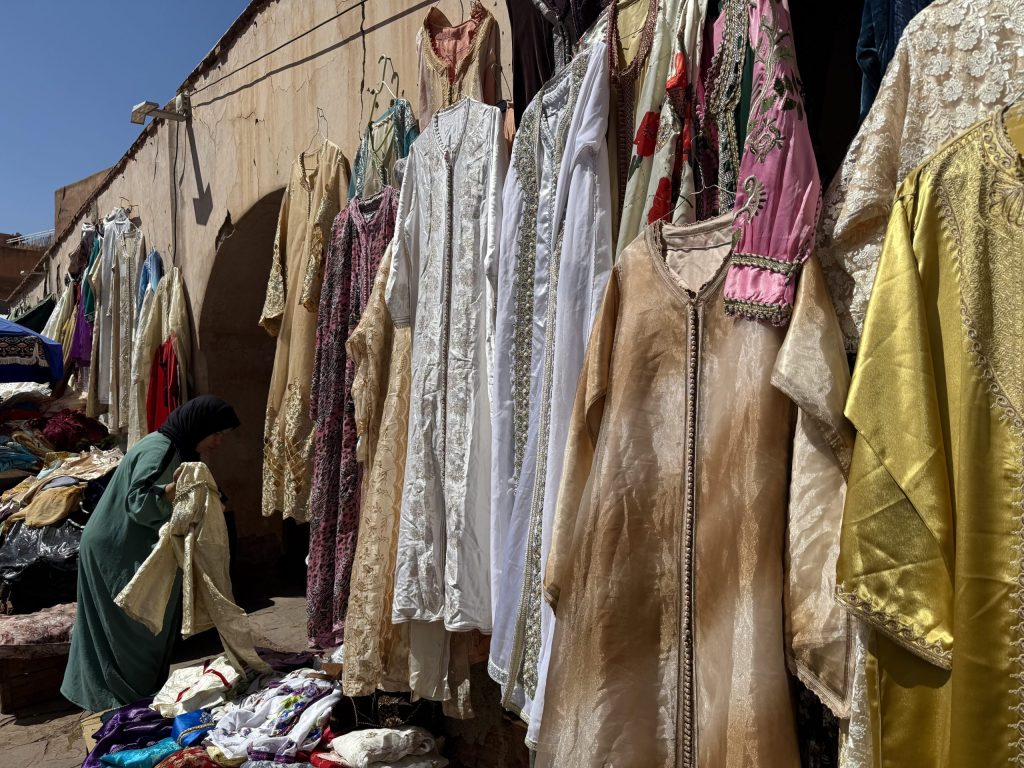
For Fall & Winter, midi and maxi skirts in wool blends or heavier cotton, paired with tights or leggings, ensure warmth. Long-sleeved dresses or sweater dresses, accessorized with scarves, create chic and cozy ensembles suitable for city sightseeing or evening dining. Layering is key, with a simple dress easily transitioning from daytime wear with boots and a scarf to an evening look with jewelry and a tailored coat. Shirt dresses, light tunics, and kimonos also offer comfortable and conservative alternatives, especially if they cover the thighs or are worn with leggings. These items are widely available in Moroccan souks, often adorned with traditional embroidery and sfifa (handmade ribbon braid).
Pants & Bottoms:
Spring & Summer are best suited for linen or cotton wide-leg pants or culottes, which offer comfort and breathability for urban exploration and desert excursions. Light-colored pants