The Quiet Green Revolution: How Paris Is Reinventing Plant-Based Gastronomy Without Losing Its Culinary Soul


The French government’s recent climate strategy urges citizens to reduce meat consumption as part of a national push toward sustainability, creating a fascinating tension in a country where culinary identity is deeply intertwined with meat, dairy, and traditional farming. Nowhere is this cultural friction more pronounced than in Paris, a city legendary for its steakhouses, fromageries, and rich, butter-laden sauces. As chefs, restaurateurs, and food artisans grapple with modern climate realities, a quiet revolution is taking shape across the capital. Rather than loudly imposing a rigid vegan ethos, the city’s forward-thinking culinary scene is shifting the paradigm of plant-based dining, raising a compelling question: How plant-based can Paris become before its residents even realize it?
Initial Encounters with Parisian Plant-Based Dining

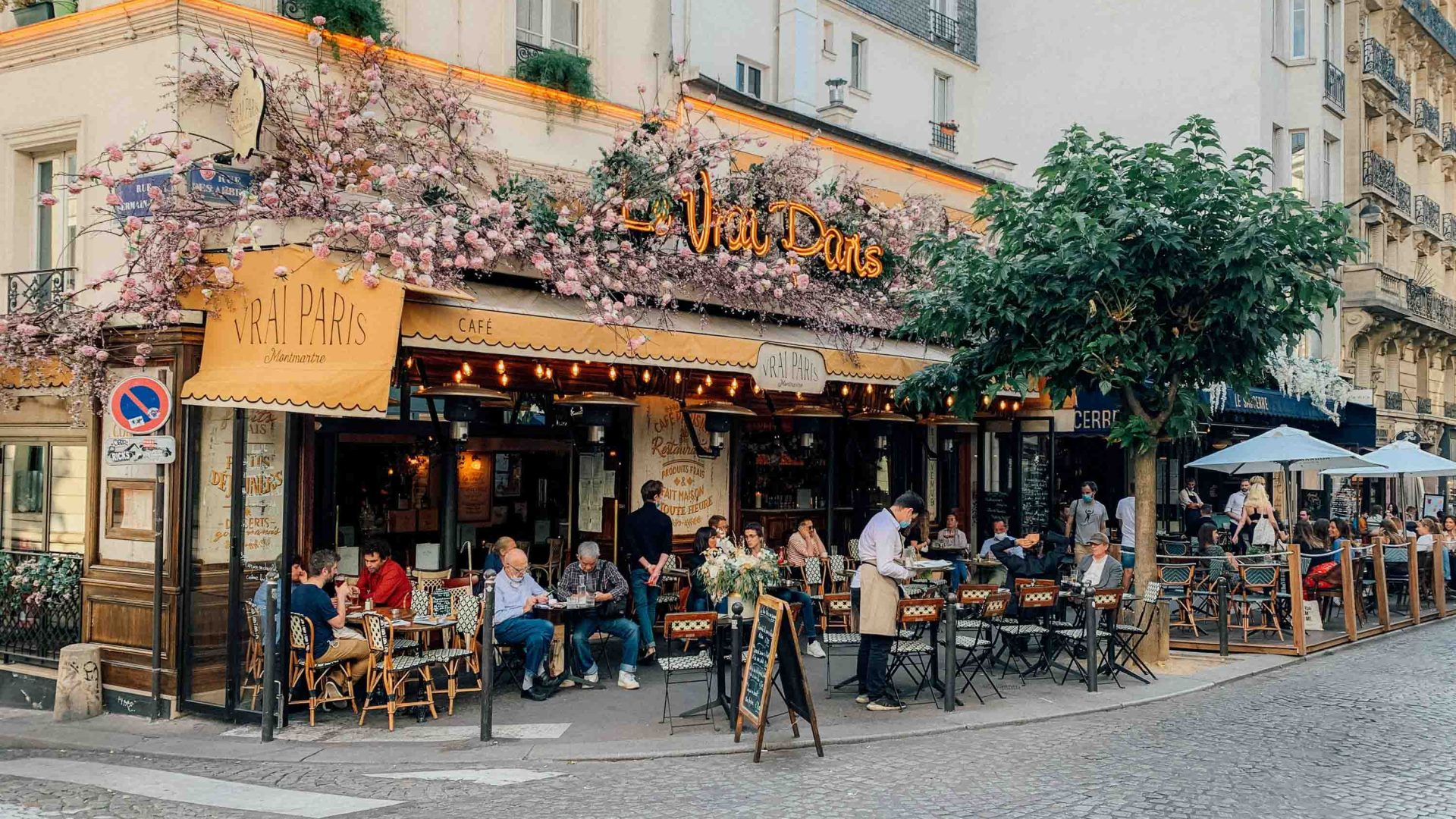
The journey of modern travelers navigating Paris highlights the evolving landscape of French cuisine. Visitors seeking plant-based options often encounter a stark contrast between online restaurant promises and traditional menus. While digital searches suggest an abundance of vegan and vegetarian offerings, traditional neighborhood bistros frequently interpret "plant-based" as little more than a side salad accompanying a prime cut of beef.
However, returning to the city reveals a completely different reality—one hidden just beneath the surface of the capital’s classic facade. The push toward sustainability is not merely a passing tourist trend; it is a structural evolution driven by both ecological necessity and shifting consumer demographics.
Mapping the Capital’s Culinary Shifts: From Veggietown to Haute Cuisine

A exploration of Paris’s plant-based ecosystem begins in the 9th and 10th arrondissements, colloquially known as "Veggietown." Situated between the artistic quarter of Montmartre and the opulence of the Palais Garnier, streets like the Rue de Chabrol showcase a vibrant, multicultural shift. Scarlet Korean eateries with robust vegetarian options, lime-green eco-conscious cafes, and stark black-and-red vegetarian Indian establishments sit side-by-side with traditional bakeries and electrical stores. This neighborhood represents a departure from strictly traditional French fare, illustrating how international influences are enriching the capital’s food culture.
Yet, high-end gastronomy is also pivoting. At La Table de Colette, located just north of the historic Panthéon, Chef Josselin Marie champions what he describes as "carbon-neutral cuisine." Having honed his craft in elite French culinary institutions such as the Plaza Athénée, The Ritz, and the Hôtel de Vendôme, Marie launched his restaurant with a distinct mission: to serve micro-seasonal, plant-centered produce with minimal waste and zero red meat.
Dishes at La Table de Colette are prioritized using an eco-calculator developed by Bon Pour Le Climat, an association dedicated to helping the food industry lower its carbon footprint. According to Marie, the historical structure of the French plate has evolved significantly over the centuries. Four hundred years ago, the average French meal consisted largely of vegetables, with animal proteins introduced gradually over time as a symbol of wealth and social status—a practice that eventually hardened into culinary tradition.

Ismaël Hermantin, the restaurant’s sous-chef, notes the philosophical reversal at play: "The soul of French cuisine is one product—it was usually the fish or the meat. But here, we turn this around." Diners experience this role reversal through dishes like fennel prepared two ways—braised and as a fresh, crisp salad—accompanied by a garnish of pan-seared monkfish and homemade monkfish chorizo.
The Pioneers of Change: Alain Passard and the New Generation
The modern movement toward plant-forward dining builds upon the groundwork laid by legendary trailblazers. In 1998, chef Alain Passard made the seismic decision to remove meat from his three-Michelin-star restaurant, L’Arpege, located near the Musée Rodin. Originally opened as a rotisserie specializing in poultry and prime rib, L’Arpege underwent a radical transformation after Passard experienced a profound ethical turning point regarding the use of animal proteins in professional kitchens.
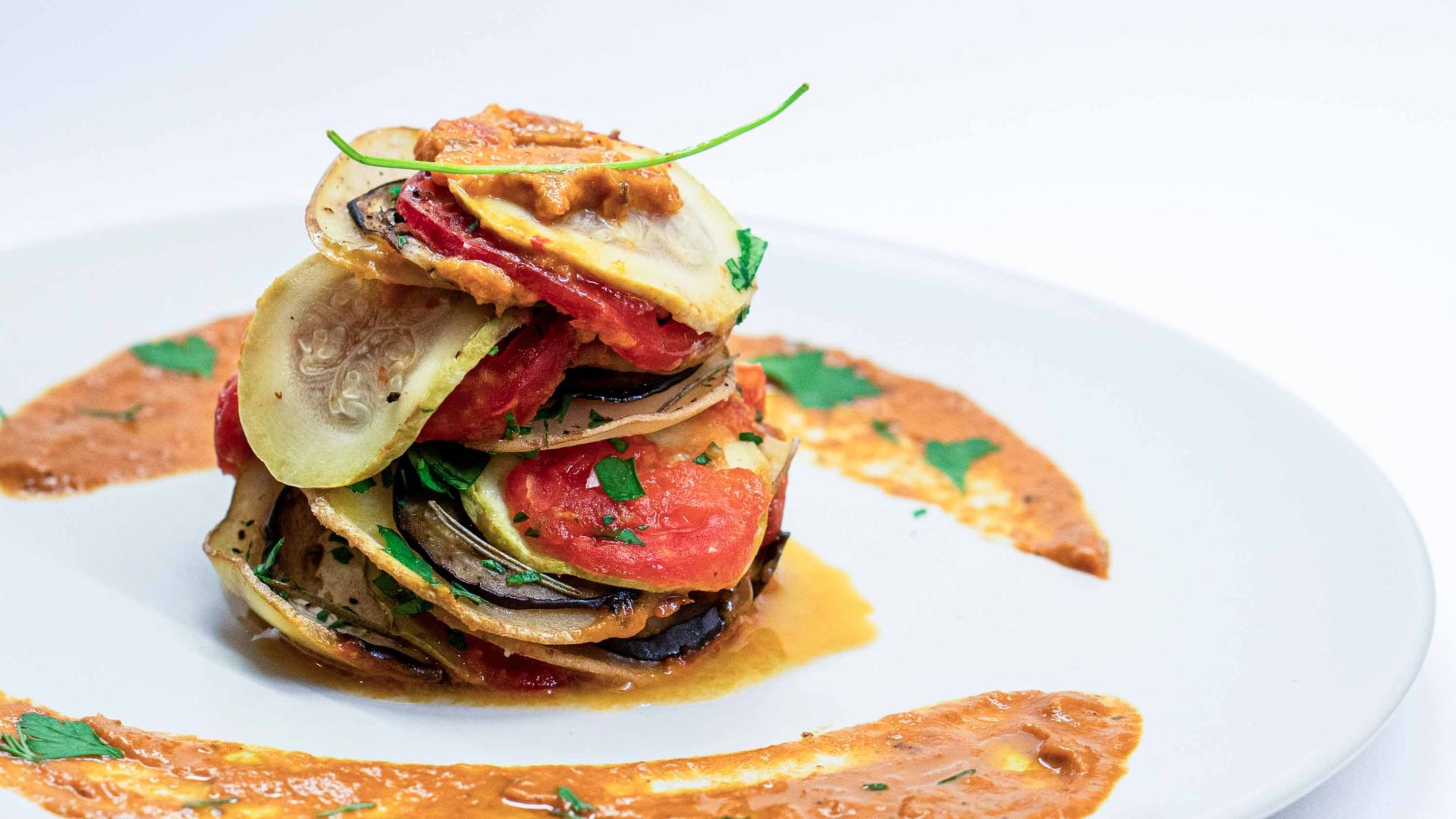
Decades later, a new generation of chefs is continuing this legacy by reinterpreting historical French peasant food. Among them is Manon Fleury, co-founder of the largely plant-based restaurant Datil in Le Marais. Widely recognized as a leader of her generation after taking over the Michelin-starred restaurant Elsa in 2021, Fleury champions a return to "peasant common sense." Staple foods of the average historical French citizen—such as savory buckwheat galettes, lentil ragouts, and traditional ratatouille—form the foundation of this modern culinary revival, long before the heavy incorporation of meat and fish became the cultural standard.
The Strategy of Invisibility: Marketing Plant-Based Food Without the Label
A central challenge for plant-based ventures in Paris is navigating the cultural baggage associated with the term "vegan." To many international consumers, veganism implies a strict, uncompromising lifestyle. However, Parisian restaurateurs have found that explicitly marketing a venue as vegan can alienate traditional diners.
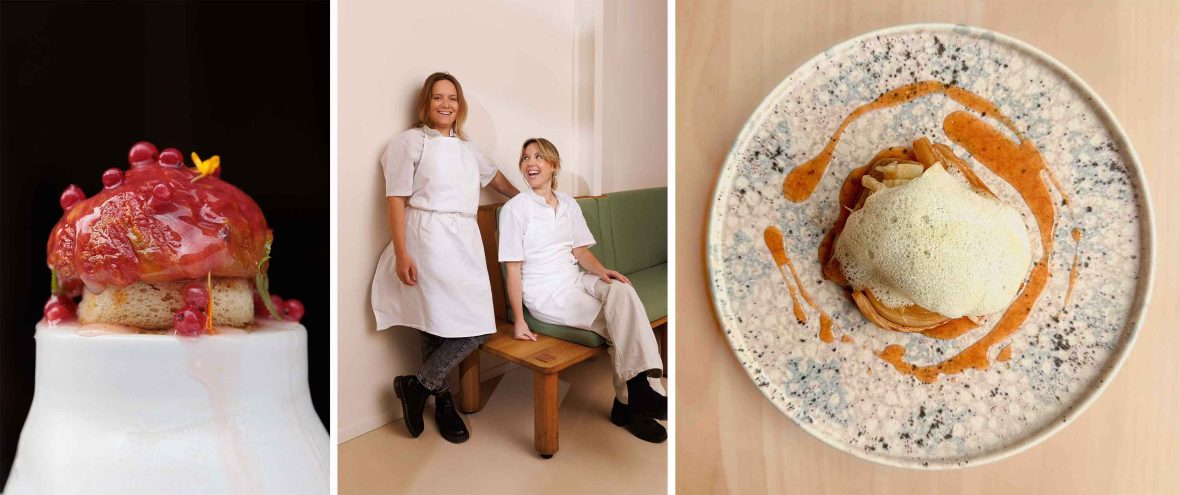
At Daimant-St-Honoré, situated opposite the Louvre, the strategy relies on subtlety. Chief-of-staff Joséphine Van Eecke explains the philosophy of founder Alice Tuyet: "We won’t be able to have this restaurant for decades if we market it to vegans." Viewing the label "vegan" as excessively rigid and politically charged, the team chose to market Daimant simply as a restaurant of "plants and wines."
This philosophy yields remarkable results. Businessmen on their lunch breaks frequently patronize the establishment—ordering mushroom croquettes, crushed potatoes with skewered mushrooms, and eggplant Milanese—without realizing the entire menu is plant-based. The clientele skews heavily toward younger demographics in their twenties and thirties, a cohort that market data shows is significantly more sensitive to climate change and open to dietary experimentation.
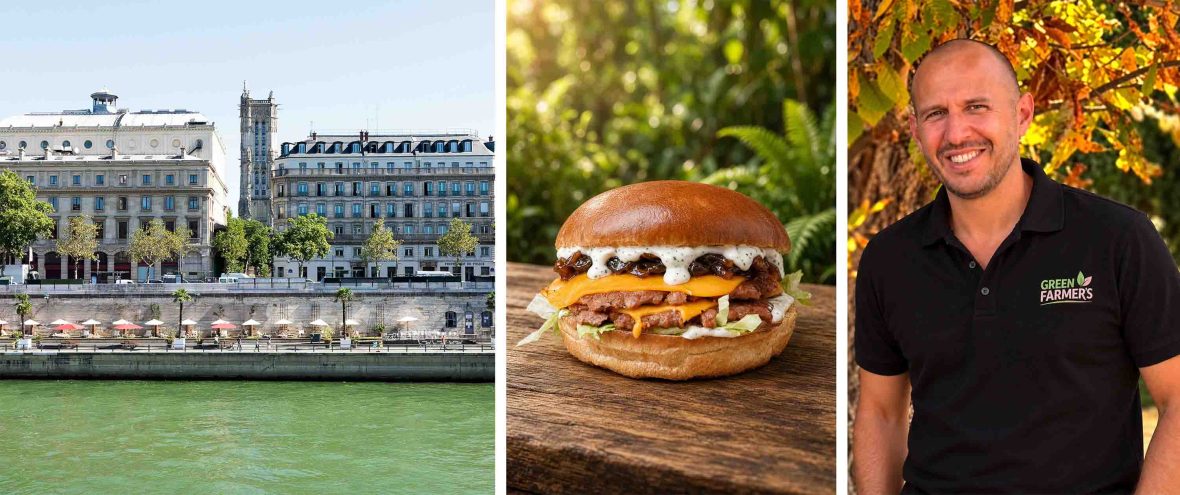
Similarly, at Green Farmer’s in the 18th arrondissement near the Boulevard de Clichy, co-founder Manuel Gonzales emphasizes an inclusive business model: "We’re a fast-food place first, vegan second." Gonzales recalls reviews from diners who demolished double-smashed plant-based truffle burgers, nuggets, and vegan chicken rice dishes, only to later express surprise—and admission that had they known the restaurant was vegan beforehand, they might not have entered. By letting the quality of the food speak for itself, these establishments successfully bypass initial ideological resistance.
Sweet Innovations: Rethinking Pastry and Chocolate
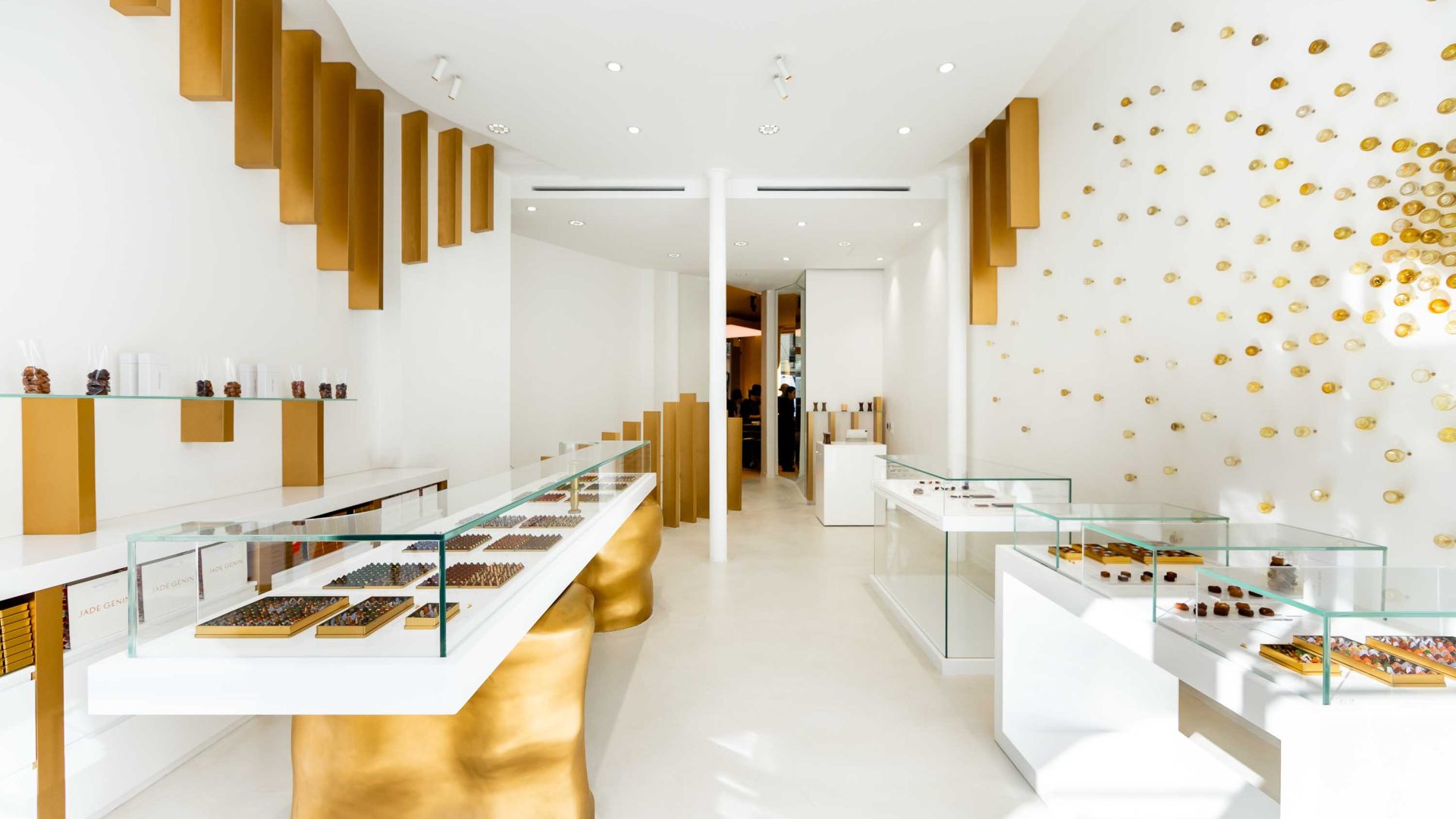
The plant-based transition has even reached the sacred domain of French confectionery and chocolate-making. On the opulent Avenue de l’Opéra, master chocolatier Jade Genin has established a namesake boutique that explicitly renounces butter, cream, and refined sugar.
Genin has successfully replicated—and some argue surpassed—the richness and textural complexity of traditional French chocolate without relying on traditional dairy fats. While sourcing her cocoa beans ethically from Xoco in Honduras to ensure fair wages for farmers, Genin acknowledges the practical hurdles of sustainable luxury production in an urban environment, noting the intensive energy requirements needed to maintain precise temperature controls for fine chocolate.
Broader Environmental Implications and Economic Context
The momentum behind Paris’s plant-forward restaurants aligns with mounting global scientific data. A landmark 2023 Oxford University study revealed that vegan diets produce approximately 75 percent fewer greenhouse gas emissions, land use, and water pollution than diets heavy in meat. Given that agriculture and food production account for a significant share of global greenhouse gas emissions, national climate strategies across Europe increasingly emphasize dietary shifts as a vital tool for environmental mitigation.
Despite these ecological incentives, traditional French gastronomy remains a formidable economic and cultural powerhouse. Classic bistros overflowing with patrons, alongside specialist purveyors of oysters, shellfish, and artisan cheeses, continue to thrive on virtually every Parisian street corner. The coexistence of ancient culinary traditions and cutting-edge sustainable gastronomy illustrates that the future of French food may not be about completely erasing its carnivorous past, but rather quietly redefining its foundations.
Conclusion: A Paradigm Shift on the Plate
Ultimately, the transformation underway in Paris suggests that the most effective way to change deeply ingrained cultural habits is not through strict ideological mandates, but through culinary excellence. By prioritizing vegetables, reducing waste, and utilizing eco-calculators to monitor carbon footprints, Parisian chefs are proving that sustainability and high gastronomy can coexist. As restaurants continue to downplay the "vegan" label in favor of exceptional flavor, the capital is answering its own climate challenge—proving that a city can deeply transform its relationship with food before its residents even realize the plate has changed.