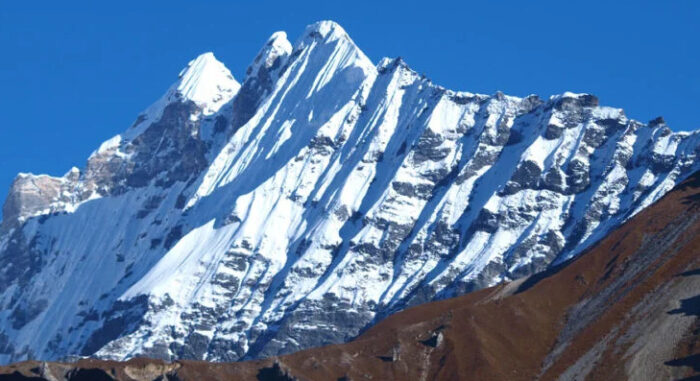
The high-altitude mountaineering community is currently navigating a period of significant logistical disruption in the Nepalese Himalayas, as extreme weather events have rendered traditional trekking routes and base camps inaccessible. Nives Meroi and Romano Benet, a world-renowned Italian climbing duo celebrated for their ascents of all 14 of the world’s 8,000-meter peaks without the use of supplemental oxygen, have been forced to abandon their primary expedition goal due to catastrophic terrain failure. Originally intended to establish a new route on the south face of the 7,134-meter Tilicho Peak, the team found the approach to the Manang region severed by a series of devastating landslides triggered by anomalous, heavy late-season rainfall.
The decision by Meroi and Benet to pivot from the Annapurna region to the relatively unexplored Jugal Himal underscores the volatility of the current trekking season in Nepal. With major access arteries to the Annapurna Circuit compromised, the expedition has transitioned to an alternative objective: the unclimbed 6,518-meter Jugal II.
A Disrupted Season: The Mechanics of the Crisis
The crisis in the Annapurna region began in earnest during the final weekend of September. Unprecedented precipitation levels in the high-altitude districts led to soil saturation and subsequent mass wasting events. According to local reports and initial surveys conducted by trekking agencies, the path to Tatopani—a vital gateway for the Tilicho region—has been rendered impassable.
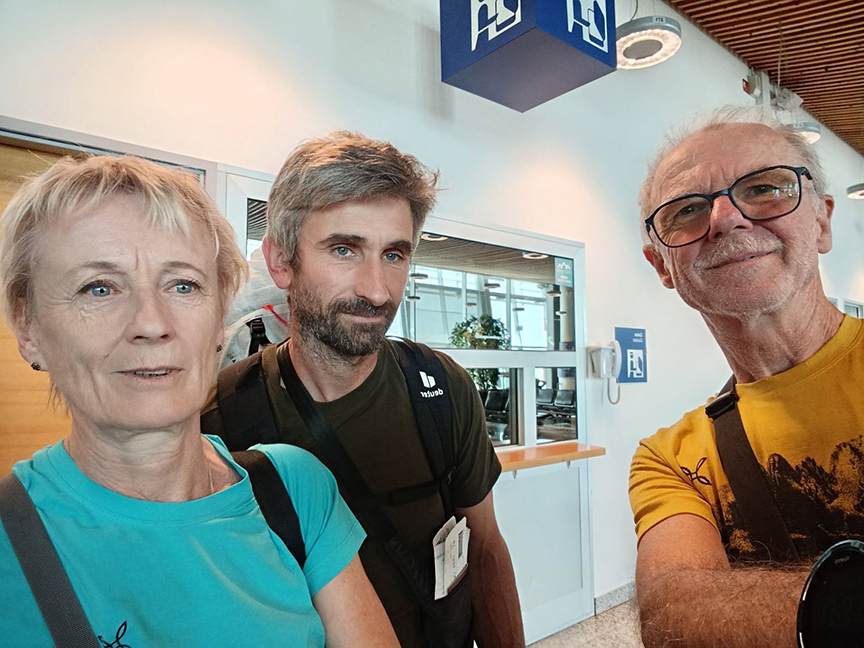
Meroi, speaking from the relative safety of Kathmandu, noted that the infrastructure damage is extensive. "We were informed by local authorities and guides that there were at least 46 distinct landslide points along the primary trekking route," Meroi stated. The physical destruction is not limited to mere debris; significant sections of established footpaths have been entirely washed away, and the structural integrity of the terrain remains too unstable to guarantee safe passage for a team committed to a traditional, self-supported trekking approach.
For Meroi and Benet, the expedition style is as critical as the summit itself. The couple prioritizes a low-impact, traditional approach that involves trekking to base camp on foot, eschewing the modern convenience of helicopter transport. This philosophy is deeply ingrained in their methodology, which has earned them respect across the mountaineering spectrum. Faced with the reality that the Manang region is effectively cordoned off from foot traffic, the team had to weigh the risks of further delays against the viability of an alternative project.
Pivot to the Frontier: The Jugal Himal Objective
The selection of Jugal II as a "Plan B" is far from a consolation prize; it is a calculated foray into a region that has only recently entered the consciousness of the global climbing community. The Jugal Himal, situated just northeast of Kathmandu along the border with the Tibet Autonomous Region, was restricted to foreign climbers for decades. It was not until the spring of 2023 that the Nepalese government opened the area, including Jugal I and II, to international mountaineering permits.
Joining Meroi and Benet for this endeavor is the Slovenian climber Tine Cuder, whose technical expertise is expected to be vital for the first-ascent attempt. The team’s transition to the Jugal area is facilitated by the region’s proximity to the capital, which allows for a more streamlined logistical approach. Unlike the massive, landslide-prone valleys of the Annapurna range, the Jugal approach offers a different topographical profile, though information regarding the technical specifics of the peak remains limited.
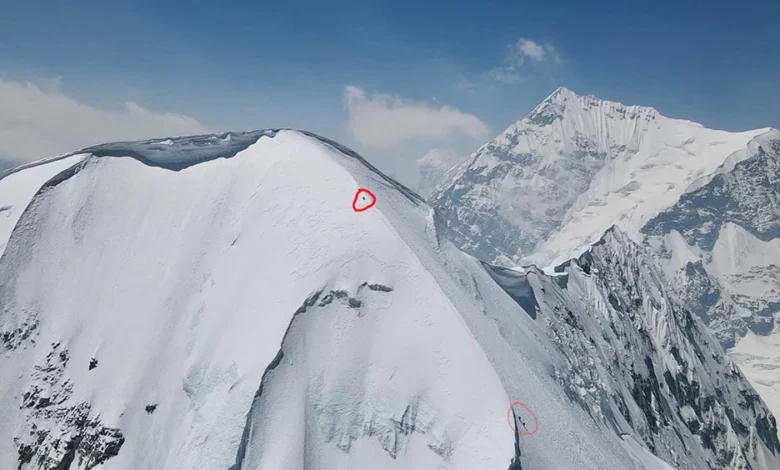
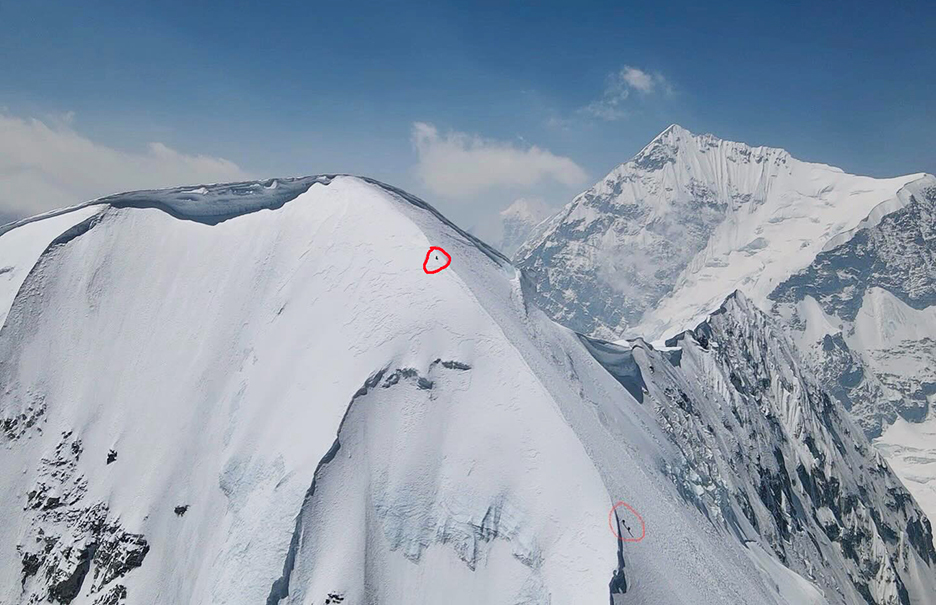
The peak itself, Jugal II (6,518m), remains one of the most significant unclimbed objectives in central Nepal. In early 2024, a high-profile Korean-Nepalese expedition, which included legendary climber Um Hong-gil and renowned Sherpa mountaineers Dawa Yangzum and Lakpa Dendi, successfully summited the neighboring Jugal I. However, their attempts on Jugal II proved unsuccessful, leaving the mountain as a "virgin" summit. This adds a layer of prestige and scientific curiosity to the Italian team’s new mission.
Environmental Context and Regional Impact
The landslides currently paralyzing the Annapurna region are symptomatic of broader shifts in Himalayan weather patterns. While the monsoon season in Nepal typically tapers off by late September, the intensity and duration of recent storms suggest a departure from historical norms. These events have triggered a cascading series of closures that affect more than just professional expeditions.
The Annapurna Circuit, one of the world’s most popular trekking routes, has faced intermittent closures throughout the month of October. While the National Trust for Nature Conservation (NTNC) has indicated that some trekking permits are being processed, the reality on the ground contradicts these administrative updates. Local trekkers have reported significant damage near the South Side Base Camp, and critical infrastructure, including power grids and cellular networks, remains largely non-functional in the upper reaches of the circuit.
The closure of the Thorong La pass—the highest point of the Annapurna trek—following an avalanche, further exemplifies the current danger. For the tourism industry, which accounts for a substantial portion of Nepal’s GDP, the current instability presents a major challenge. Agency reports are often contradictory, with official government statements sometimes lagging behind the real-time, ground-level assessments provided by local guides and mountain rescue operators.
Analytical Perspective: The Changing Face of Himalayan Mountaineering
The experience of the Meroi-Benet team serves as a case study for the modern mountaineer. The era of predictable seasonal windows is increasingly being challenged by climate instability. For veteran climbers, the ability to pivot is now a required skill, as significant as technical climbing ability or high-altitude endurance.
The shift toward the Jugal Himal also highlights a trend in professional mountaineering: the search for "forgotten" or newly opened peaks as traditional, highly trafficked routes become both overcrowded and increasingly dangerous due to environmental degradation. By targeting a peak like Jugal II, the team is contributing to the documentation and exploration of a new frontier, providing valuable data for future climbing seasons.
The broader implications for Nepal’s tourism sector are profound. As trekking routes become more susceptible to climate-induced disruptions, the industry may need to shift toward more robust, resilient infrastructure or diversify its offerings to regions less prone to extreme mass-wasting events. The immediate impact, however, is a forced pause for thousands of trekkers and a test of resolve for those who, like Meroi and Benet, rely on the integrity of the mountain trails to reach their goals.
Chronology of Events (October 2026)
- September 28–30: Heavy, unseasonal rainfall initiates widespread slope failure across the Manang and Annapurna regions.
- October 1: Reports emerge of 46 distinct landslides blocking the path to the Tilicho base camp.
- October 2: Meroi and Benet officially announce the cancellation of their Tilicho expedition from Kathmandu.
- October 3: The Italian-Slovenian team finalizes logistical arrangements for the Jugal Himal.
- October 4: Official warnings persist for the Annapurna Circuit as local stakeholders call for caution; reports confirm the closure of the Thorong La pass.
As the team prepares for their move to the Jugal range, the mountaineering world watches with interest. The attempt on Jugal II is not merely a redirection of effort; it is an acknowledgement of the new reality of the Himalayas—where the mountains themselves are in a state of flux, demanding that even the most experienced practitioners remain flexible in the face of nature’s unpredictable shifts. The success of this new venture will depend heavily on the team’s ability to interpret the conditions of a rarely visited area while navigating the logistical vacuum that defines this current, disrupted climbing season.