The Analog Renaissance: How Traditional Tabletop Games Are Reclaiming the Modern Social Scene

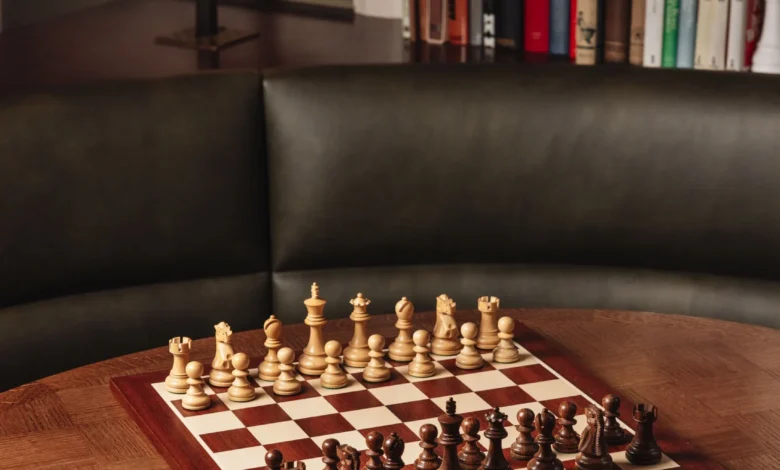
In bars and hospitality venues across the globe, a quiet, competitive rebellion is unfolding against the pervasive glow of the smartphone screen. By 2026, the tactile click of mahjong tiles, the strategic scrape of wooden chess pieces, and the spirited exclamations of Rummikub players are increasingly defining the social atmosphere of the world’s most sophisticated establishments. This rapid return to analog socializing is not merely a nostalgic trend; it is a calculated pivot toward intentional, high-quality human interaction in an era of digital saturation. As patrons seek deeper connections, the hospitality industry is responding by integrating heritage games into their core offerings, transforming the traditional "drink-only" experience into a platform for engagement.
The Catalyst for Analog Socializing
The movement toward screen-free socialization has been gaining momentum for several years, but reached a tipping point in late 2025 and 2026. Marnie Wekselblatt and Laura Galvan, co-founders of RummiKlub, recognized that while major metropolitan hubs like Los Angeles offered no shortage of dining and nightlife options, there was a glaring deficit in opportunities for genuine connection. "We felt like people were craving more reasons to actually interact when they got there," Wekselblatt explains. By reimaging the 1940s-era tile game for a modern, design-conscious audience, the duo successfully bridged the gap between classic gameplay and contemporary social environments. Their success in venues ranging from the Santa Monica Proper Hotel to upscale pop-ups highlights a shift in consumer demand: guests no longer want to be passive observers; they want to be active participants.
A Chronology of Tavern-Based Gaming
The integration of gaming into the public house is far from a modern invention. Historically, the tavern has served as the community’s living room, where commerce and play intersected. In 16th-century European taverns, chess and backgammon were staples of intellectual and social exchange. By the 17th century, the British pub had formalized the presence of cribbage and dominoes, games that relied on probability and conversation in equal measure.

The 19th century witnessed an evolution in this landscape, particularly in the United States, where the rise of casino and gambling culture introduced a more formalized, high-stakes approach to bar games. However, it was the turn of the 21st century that provided the modern blueprint for the contemporary revival. The "board game cafe" phenomenon, which gained significant traction in South Korea during the early 2000s, demonstrated that there was a viable business model for dedicated gaming spaces. By 2026, this concept has evolved from niche hobbyist cafes to luxury hotel lounges and high-end cocktail bars, where the game is now viewed as an amenity on par with craft mixology.
Statistical Drivers of the Shift
The transition away from digital-only socialization is supported by empirical data. According to the 2026 Social Study conducted by Eventbrite, there has been a 151 percent increase in participation in puzzle and logic-based competitions over the past twelve months. Perhaps more telling is the study’s finding that 56 percent of social participants actively prefer environments where the primary focus is not the consumption of food or drink, but a shared task or activity.
This demand is reflected in search trends as well. In 2025, Yelp reported a staggering 4,467 percent increase in searches for mahjong clubs, with those figures peaking in August 2026. This data suggests that the resurgence is not limited to a single demographic or region but represents a widespread cultural shift toward "slow" entertainment.
Institutional Adoption and Luxury Integration
Luxury hospitality brands are uniquely positioned to capitalize on this trend by anchoring it in their specific historical contexts. At Simpson’s in the Strand in London, the restoration of the venue included a deliberate nod to its 19th-century reputation as the "Home of Chess." By allowing guests to play at the historic Romano’s restaurant during afternoon hours, the venue provides a bridge between its Victorian roots and the modern guest’s desire for intellectual engagement. The inclusion of bespoke cocktails, such as "The Gambit"—a refined blend of vermouth, sherry, and bitters—signals that the game is a premium experience rather than a casual afterthought.

Similarly, in Bangkok, the 137 Pillars House has centered its Jack Bain’s Bar around backgammon. General Manager Arnaud Beril notes that the game adds a layer of "conviviality" that is often missing from contemporary high-end bars. "There is something quite charming about seeing guests take their time over a game, often accompanied by a glass of whisky," says Beril. For the hotel, the game serves as a sensory link to the property’s heritage, reinforcing a sense of place that digital entertainment cannot replicate.
The Global Mahjong Revival
The resurgence of mahjong represents the most significant international trend in this space. The Peninsula London’s introduction of "Mahjong Mondays" at their Cantonese restaurant, Canton Blue, illustrates how heritage games can be used to provide cultural context to a dining experience. Henry Yeo, the restaurant manager, emphasizes that these games act as a bridge for guests to reconnect with tradition. "Heritage games bring a cultural dimension," Yeo notes. "They carry stories and traditions that people can discover for the first time or reconnect with through playing together."
The attention to detail in these modern gaming implementations is notable. Collaborations with woodwork ateliers, such as the recycled-wood sets commissioned by Cathay Pacific, ensure that the physical objects used for play are as high-quality as the service environment. For those unfamiliar with the complexities of the game, the provision of private tutors indicates that luxury venues are treating gaming with the same level of white-glove service as their concierge or spa offerings.
Analysis: The Social Impact of Analog Games
The broader implication of this trend is the reclamation of "third space" social dynamics. For years, the bar industry suffered from the "phone effect," where guests occupied physical space while remaining mentally tethered to digital interfaces. By introducing a game, the establishment creates a common objective that requires eye contact, turn-taking, and active listening.

From a psychological perspective, these games provide a necessary "social buffer." As Galvan of RummiKlub points out, a game like Rummikub provides enough strategy to be mentally engaging, yet enough flexibility to allow for fluid conversation and cocktail enjoyment. It removes the pressure of constant, direct eye contact—a common source of social anxiety—while keeping all participants present in the same physical moment.
Future Implications for Hospitality
As the hospitality industry looks toward the latter half of the decade, the integration of analog games appears to be more than a passing fad. It is a fundamental realignment of the "experience economy." Hotels and bars are moving away from being mere providers of goods—drinks and food—to becoming facilitators of human connection.
Future developments in this sector may include more proprietary game design, where venues partner with designers to create custom games that reflect their brand identity or regional history. We are also likely to see a greater emphasis on "tournament-style" social calendars, where casual gaming transitions into structured, competitive league play, further fostering long-term community building.
Ultimately, the rise of the analog bar is a testament to the enduring human need for tactile, shared experiences. In a world where digital convenience has become the default, the deliberate effort required to set up a chessboard, shuffle a deck of cards, or arrange mahjong tiles is precisely what makes the experience valuable. By encouraging guests to put their phones away, the industry is not just selling a drink; it is selling the luxury of undivided attention and the timeless thrill of friendly, face-to-face competition. The click of a tile is, for many, the sound of a return to a more deliberate and connected way of living.