Montenegro Travel Costs: A Comprehensive Financial Breakdown of the Adriatic’s Budget Realities Compared to Croatia

Travelers fresh from exploring Croatia’s sun-drenched Adriatic coastline often assume neighboring Montenegro will mirror its economic landscape. Sharing a remarkably similar geography characterized by dramatic limestone coastlines, medieval walled towns, and full adoption of the euro despite remaining outside the official eurozone, Montenegro appears at first glance to be a direct continuation of the Croatian experience. However, an in-depth financial analysis of a standard ten-day coastal and mountain itinerary reveals a starkly different economic reality. While lodging and dining expenses remain closely tied to regional tourism inflation, a dramatic divergence in public infrastructure, national park tariffs, and cultural site admissions fundamentally alters the total cost of travel in the region.
The Macroeconomic Framework: Euro Usage and Tourism Dynamics
Montenegro’s unilateral adoption of the euro simplifies financial transactions for international visitors, eliminating exchange rate volatility and card acceptance friction across hotels, major restaurants, and transportation networks. Yet, unlike EU-member Croatia, where destination pricing is tightly correlated with broader European inflation and high-demand coastal spikes, Montenegro’s pricing architecture operates on a dual track.

While commercial hospitality and resort-town terrace dining scale aggressively during peak summer months—particularly in July and August—the country’s core natural assets and historical state-managed landmarks remain remarkably insulated from runaway inflation. Understanding this dichotomy is essential for travelers planning an extended Balkan route, as the primary drivers of trip expenditure are concentrated heavily in accommodation and beverage consumption rather than sightseeing access.
Accommodation: The Primary Cost Driver and Regional Variances
As is standard across the Mediterranean basin, accommodation represents the largest single expenditure category for visitors. The financial impact of lodging is determined less by the season of travel and more by the specific municipality selected as a base of operations.
Data compiled from major booking platforms and regional operators highlights distinct pricing tiers across Montenegro’s primary tourist hubs:
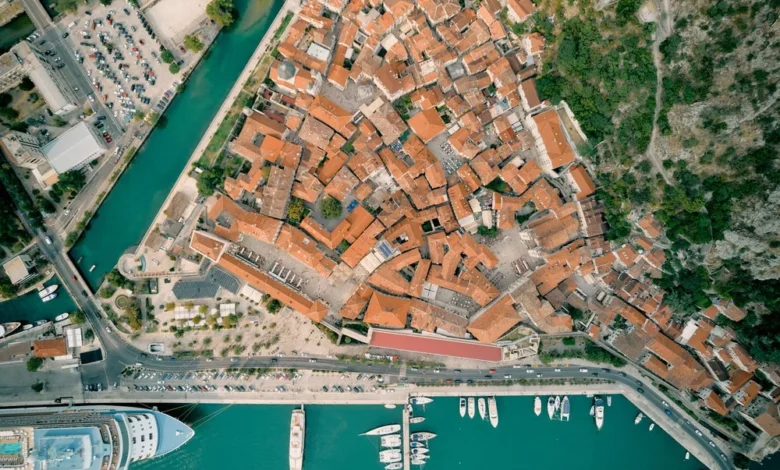
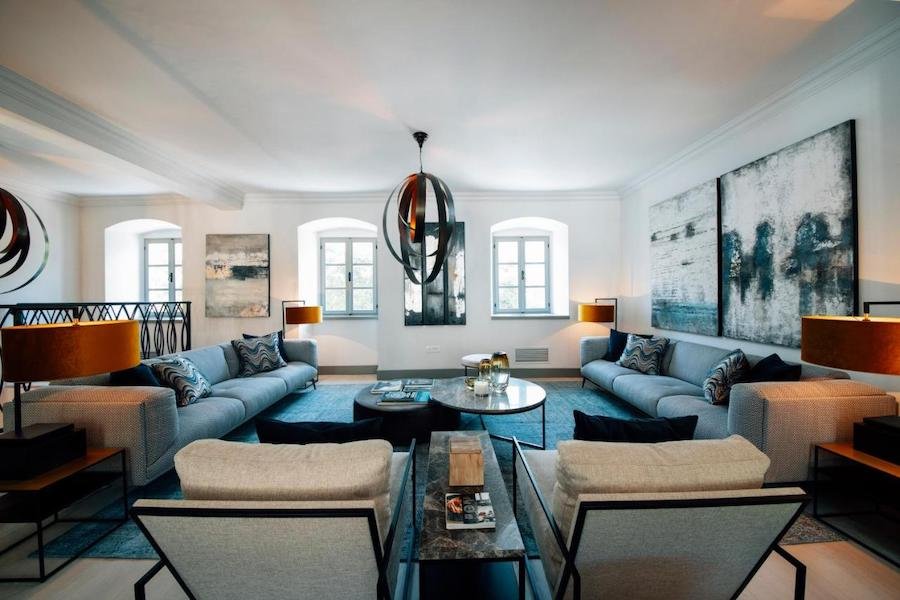
- Kotor: Dominated by cruise ship tourism and high demand for historic bay views, Kotor commands the highest baseline rates in the country. Hostel dormitories frequently price between €20 and €30 per night, with floor prices starting around €10. Private guesthouses and mid-range hotels scale rapidly during the summer season.
- Budva: Serving as Montenegro’s premier resort and nightlife capital, Budva offers the largest inventory of rooms, resulting in wide price dispersion. While peak summer months see severe price compression, off-peak months in June and September offer competitive rates. Dormitory beds average €12 to €20, while budget private rooms can occasionally be found starting as low as €5.50.
- Žabljak (Durmitor National Park): Situated in the northern mountain interior, Žabljak caters primarily to outdoor enthusiasts and hikers. Accommodation costs are competitive with Budva, with dormitory inventory ranging from €12 to €19 per night.
In addition to base lodging costs, visitors must account for the mandatory tourist tax. Assessed at €1 per adult per night (with a 50 percent reduction for adolescents aged 12 to 18 and exemptions for children under 12), this municipal levy is standard across all commercial lodgings and is typically settled in cash upon arrival.
Dining Out: Regional Parity and Terrace Premiums
Culinary expenditures in Montenegro mirror those of the broader Adriatic coast, with meal costs dictated primarily by the local setting rather than national economic policies. Crowdsourced cost-of-living data indicates that a basic, budget-friendly meal averages approximately €10 in the capital city of Podgorica and Kotor, rising slightly to €13 in Budva’s resort zones.
Significant price variation emerges within the beverage and hospitality sector, driven largely by location rather than product differentiation:

- Coffee Culture: A standard cappuccino costs an economical €1.95 in Podgorica, where tourism density is low. The same beverage scales to €2.83 in Kotor and €3.08 in Budva.
- Beverage Markups: A half-liter of domestic beer remains stable at €2.50 in Kotor and Podgorica, but commands €4.25 in Budva’s prime terrace locations. Over a multi-day itinerary, this terrace markup alone can equal the cost of an overnight stay.
Transportation Infrastructure and Public Transit Economics
Navigating Montenegro requires a mix of private vehicles, public bus networks, and localized maritime transit. Operational costs for transit are structured to accommodate both local commuters and international visitors:
- The Kamenari-Lepetane Ferry: Operating across the narrowest point of the Bay of Kotor, this vital maritime link saves motorists approximately 40 minutes of driving time around the bay. Official operator pricing establishes a flat rate of €5 for automobiles and €2.50 for motorcycles, while pedestrians and cyclists transit free of charge.
- Intercity Bus Networks: Regional bus travel remains affordable, with routes connecting Kotor to Budva averaging €2 to €4, Podgorica to Budva ranging from €7 to €10, and Podgorica to Žabljak costing between €10 and €12. Passengers must note a standard local practice: luggage stored in the vehicle hold incurs a €1 fee per bag, payable in cash directly to the driver.
Sightseeing Tariffs: The Critical Divergence from Croatia
The most significant financial revelation for travelers comparing Montenegro to Croatia lies in the cost of accessing cultural and natural landmarks. While neighboring Croatia implements aggressive peak-season pricing for major environmental assets—such as entrance fees reaching €40 for national parks like Krka and Plitvice—Montenegro maintains a unified, highly subsidized national park tariff structure.
The official price schedule set by the National Parks of Montenegro (Nacionalni parkovi Crne Gore) for standard day admissions includes:
- Durmitor National Park (Black Lake, Tara Canyon viewpoints): €5
- Lake Skadar National Park: €5
- Biogradska Gora National Park: €4
- Lovćen National Park (Mausoleum access road): €3
- Comprehensive Annual Pass (All five national parks): €13.50
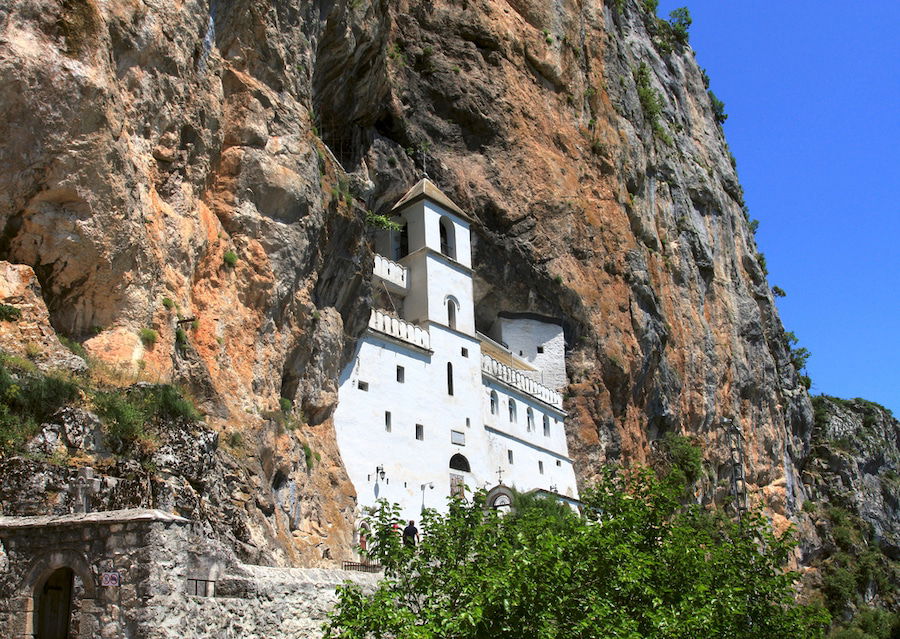
Beyond the national parks, prominent historical and religious sites maintain nominal or voluntary admission models. Ostrog Monastery, carved dramatically into a vertical cliff face, remains entirely free to enter, with maintenance supported solely by voluntary donations.
The notable exception to Montenegro’s modest sightseeing tariff model is the historic fortification system of Kotor. The municipal wall climb to St. John’s Fortress is regulated by local authorities at €15 per person during the peak operating season (March 1 to November 30). Children under 12 are exempt, and the site remains unstaffed and free to access during the winter months from December to February, though inclement mountain weather during this period can render higher-altitude trails hazardous.
Additional localized fees include an €8 admission to the Njegoš Mausoleum at the summit of Lovćen (supplemental to the park entry fee) and approximately €7 for combined round-trip boat transit and museum entry to Our Lady of the Rocks off the coast of Perast.
Aggregate Itinerary Cost Analysis
Synthesizing accommodation, dining, transit, and sightseeing data for a standard ten-day comprehensive itinerary—encompassing the Bay of Kotor, Lovćen, Ostrog, Durmitor, Lake Skadar, and Budva—highlights the minimal financial impact of activity fees relative to total trip expenditure.
Total mandatory sightseeing and municipal fees for the standard ten-day loop sum to approximately €62 per traveler. Even when incorporating optional high-value excursions—such as a full-day Tara River rafting trip (€50 to €90) or a guided boat tour on Lake Skadar (€20)—total activity expenditures rarely exceed €140.
Consequently, travel budgeting in Montenegro categorizes into three distinct expenditure models:
- Backpacker Tier: Utilizing dormitory accommodations (€10–€20 per night), budget dining, and public transit, total daily expenditures average €40 to €50.
- Mid-Range Tier: Incorporating private guesthouse rooms (€30–€60 per night), standard restaurant dining, vehicle rentals, and ferry crossings, daily expenditures project between €100 and €130 per person.
- Comfort Tier: Featuring luxury seafront hotels exceeding €150 per night, fine dining, and private transport services, overall trip costs align closely with high-end European Adriatic destinations, rendering baseline sightseeing fees statistically negligible.
Broader Implications for Regional Tourism
Montenegro’s pricing strategy reflects a deliberate effort to balance accessibility for domestic and regional visitors with the monetization of high-demand coastal bottlenecks. While infrastructure development and resort-town gentrification continue to push accommodation and dining expenses upward in municipalities like Budva and Kotor, the state’s deliberate maintenance of low-cost access to national parks and natural wonders preserves the country’s viability as a diverse, multi-tier travel destination.
For international tourists evaluating Balkan itineraries, Montenegro offers a distinct economic value proposition: rather than serving as a simple discounted alternative to Croatia, it functions as a destination where natural and cultural heritage remains financially accessible, shifting the traveler’s primary expenditure focus from gate fees to hospitality experiences.