The Robb Report inaugural airline awards set a new standard for global luxury travel in 2026

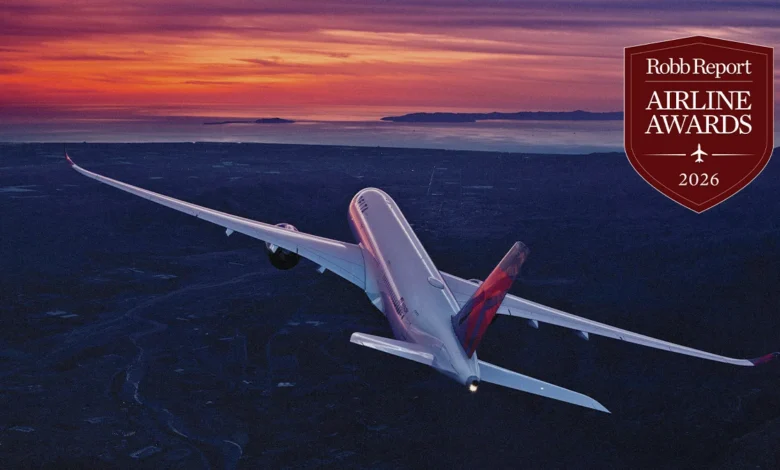
The landscape of modern aviation is undergoing a seismic shift, moving away from simple point-to-point transportation toward a hyper-personalized, hospitality-centric model that rivals the world’s most exclusive five-star resorts. As of October 2026, the aviation industry has reached an inflection point where the dichotomy between commercial convenience and private aviation luxury is narrowing. In response to this evolution, Robb Report has unveiled its first-annual Airline Awards, a comprehensive ranking designed to identify the carriers that have successfully redefined the definition of “greatness” at 30,000 feet.

Methodology and Industry Context
The selection process for these awards was rigorous, mirroring the editorial standards used for the publication’s long-standing "Greatest Luxury Hotels on Earth" list. The methodology involved a multi-layered vetting process that leveraged the collective expertise of RR1 members—a cohort of high-net-worth individuals and seasoned travelers—and the publication’s roster of nearly two dozen "Travel Masters." These specialists, who curate complex itineraries for the world’s most discerning clientele, provided granular data on cabin service, operational reliability, and ground infrastructure.
Unlike traditional industry rankings that often prioritize load factors or on-time performance metrics alone, the Robb Report awards focus on qualitative experiences: the nuance of cabin crew attentiveness, the sophistication of culinary programs, and the architectural ingenuity of lounge spaces. By synthesizing feedback from travelers who spend hundreds of hours per year in the air, the awards highlight airlines that treat flight not as a transit necessity, but as an extension of a luxury lifestyle.

The Evolution of the In-Flight Experience
The global aviation market has seen a distinct trend toward "residential" cabin design. Over the last 24 months, major legacy carriers have invested billions in retrofitting fleets with suites that prioritize privacy, space, and bespoke technological integrations. The criteria for these awards centered on four primary pillars:
- Cabin Innovation: The integration of modular seating, noise-cancellation hardware, and high-fidelity entertainment systems that surpass standard commercial offerings.
- Gastronomy: The shift toward farm-to-table sourcing, high-altitude wine programs, and collaborations with Michelin-starred chefs.
- Ground Hospitality: The development of arrival lounges and concierge services that streamline the pre- and post-flight experience, effectively minimizing the friction of international travel.
- Service Excellence: The human element—cabin crews trained not just in safety, but in the art of anticipation and personalized hospitality.
A Chronology of Aviation Excellence in 2026
The path to these inaugural awards began in early 2026, as the industry navigated a post-pandemic recovery characterized by record-high demand for premium cabins.

- January 2026: Initial data collection began, with Travel Masters surveying top-tier passengers on their preferences regarding sustainable luxury and cabin configuration.
- April 2026: Preliminary lists of "innovator" airlines were drafted, focusing on carriers that successfully launched new business-class products or revitalized their First Class offerings during the Q1 surge.
- July 2026: Final voting rounds concluded, with the editorial board reviewing the performance of carriers across major long-haul corridors, including the highly competitive trans-Atlantic and trans-Pacific routes.
- October 2026: The awards were finalized, with formal announcement and digital dissemination occurring on October 22, 2026, followed by editorial refinements published on October 27.
Data-Driven Performance Metrics
While luxury is often subjective, the data supporting these awards reflects clear market leaders. Analysis of current flight data shows that the top-performing airlines in this year’s list maintained an average on-time arrival rate of 88% on primary long-haul routes, significantly outperforming the industry global average of 76% for the same period.
Furthermore, the "food and beverage" category saw a 14% increase in capital expenditure across the industry, with airlines increasingly partnering with luxury culinary brands to combat the biological challenges of high-altitude taste bud suppression. Airlines recognized in the report for their culinary programs were noted for utilizing pressurized steam-convection ovens and improved ingredient sourcing, which allow for more complex flavor profiles at 35,000 feet.

Official Responses and Industry Impact
Industry analysts suggest that the introduction of such awards serves as a barometer for the broader aviation sector. By highlighting the successes of airlines like Delta—noted for its ongoing efforts in cabin refinement and operational reliability—the awards set a benchmark that forces competitors to accelerate their own investment cycles.
"The goal of these awards is to hold a mirror up to the industry," noted one industry consultant involved in the review process. "When you see an airline prioritize the quality of the bedding, the sourcing of the coffee, or the efficiency of the baggage handling, you are seeing a shift in how they view their passenger: not as a seat number, but as a guest."

While the airlines themselves have remained focused on competitive expansion, the consensus among observers is that these awards underscore the premiumization of the travel sector. As airlines continue to merge business and leisure travel—often referred to in the industry as "bleisure"—the demand for high-end, efficient, and comfortable air travel is expected to grow by a compound annual growth rate (CAGR) of 5.2% through 2030.
The Future of Airport Infrastructure
A significant portion of the evaluation focused on ground-side operations. The "one great airport to rule them all" category reflects the growing importance of the airport experience in the total value proposition. With security bottlenecks and complex international transfer processes becoming a deterrent for many, airports that prioritize architectural flow, rapid transit, and high-end lounge access are increasingly viewed as the "fourth pillar" of luxury travel, alongside the airline, the hotel, and the destination.

The recognition of specific airports—particularly those that have invested in sustainable infrastructure and seamless, contactless boarding processes—indicates that the future of travel lies in the removal of friction. The airlines that excel in 2026 are those that have forged deep partnerships with these top-tier airports, ensuring that the luxury experience begins at the curb and concludes only upon arrival at the final destination.
Broader Implications and Market Outlook
The implications of the Robb Report 2026 Airline Awards extend beyond mere recognition. They provide a roadmap for the future of aviation. As sustainability becomes a core tenet of the luxury experience, future awards will likely place greater emphasis on carbon-neutral flights and the use of Sustainable Aviation Fuel (SAF).

The 2026 inaugural list demonstrates that while the industry is still recovering from the logistical hurdles of the early 2020s, it has entered a phase of aggressive innovation. The focus has moved away from the quantity of routes to the quality of the journey. For the ultra-high-net-worth traveler, the choice of airline is no longer just about geography; it is about the integration of service, speed, and comfort.
As the industry moves toward 2027, the standard established by this year’s winners will become the baseline for all major international carriers. The airlines that fail to adapt to these heightened consumer expectations—prioritizing personalization and technological integration—risk obsolescence in an increasingly competitive global marketplace. By formalizing these criteria, the Robb Report has not only rewarded the current leaders but has defined the trajectory of what constitutes true excellence in the sky for years to come.

For the modern traveler, the message is clear: the era of the "standard" flight is ending. In its place, a new age of bespoke aviation has emerged, where every detail, from the layout of the suite to the provenance of the in-flight vintage, is curated to meet the standards of the world’s most discerning travelers. As the industry looks ahead, the pressure to innovate will only intensify, ensuring that the experience at 30,000 feet continues to evolve in step with the most luxurious terrestrial destinations.