Slothee Still Wants Coffee Expands Global Children Literature Series with Cultural Explorations and Coffee Traditions

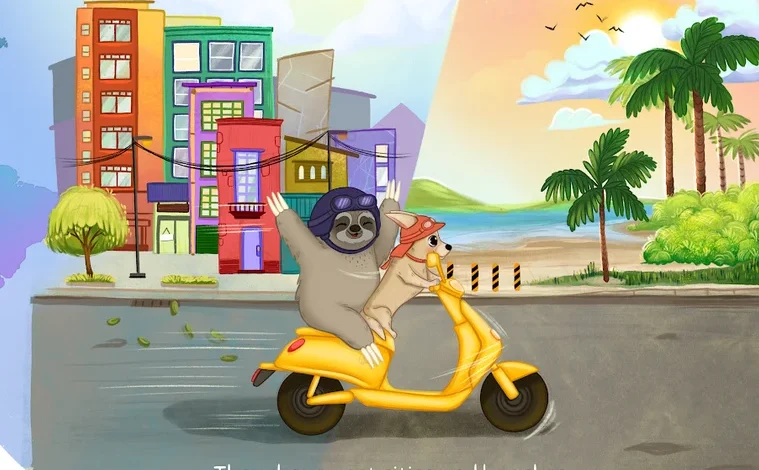
The landscape of children literature is witnessing a notable expansion with the release of Slothee Still Wants Coffee, the second installment in the popular Slothee and Friends series. Authored to engage both young readers and their adult counterparts, the publication serves as a literary vehicle for geographic education, cultural awareness, and social engagement. Following the commercial and critical reception of the inaugural title, this new release broadens its scope by taking readers on an extensive international journey across seven distinct countries, utilizing the universal appeal of coffee as a thematic anchor to explore diverse global traditions.
Main Facts and Narrative Framework
Slothee Still Wants Coffee chronicles the continued global expedition of its titular protagonist, Slothee, a character designed to embody curiosity and a zest for exploration. In this volume, the narrative arc centers on a specific quest: the pursuit of the world’s finest cup of coffee. This journey takes the character from the lush, biodiversity-rich landscapes of Costa Rica to the high-altitude plantations of Peru, the vibrant cultural hubs of Mexico, the historic coffee estates of Jamaica, the fertile agricultural regions of Uganda, the bustling traditional markets of Vietnam, and finally to the contemporary coffee capitals of Australia.
Unlike conventional children books that rely solely on fantasy elements, the Slothee and Friends series integrates factual geography and anthropological concepts into its storytelling. Each destination is chosen not merely as a backdrop, but as an opportunity to introduce readers to local agricultural practices, indigenous terminology, traditional attire, and social customs associated with beverage preparation and consumption. The narrative structure encourages interactive learning, prompting young readers to ask questions about where everyday commodities originate and how different societies interact with their natural environments. Furthermore, the inclusion of animal and human characters along the way emphasizes themes of friendship, hospitality, and cross-cultural communication.
Chronology and Publication Background
The genesis of the Slothee and Friends franchise can be traced back to the growing demand for educational literature that bridges the gap between entertainment and global literacy. The conceptualization of the series began several years ago, driven by creators who recognized a void in the market for fiction that introduces complex global supply chains and cultural diversity to early readers in an accessible format.
The timeline of the series development and expansion includes key milestones:
- Initial Concept Phase: Creators formulated the character of Slothee, establishing the foundational premise that food and beverage traditions serve as a gateway to understanding world cultures.
- Debut Release: The publication of the first book established the series format, introducing readers to foundational concepts of travel, exploration, and sensory discovery through beverages.
- Research and Development for Volume Two: Prior to the writing of Slothee Still Wants Coffee, the creative team conducted extensive research into global coffee-producing regions, consulting agricultural data, fair-trade practices, and cultural historians to ensure accurate representation of the featured countries.
- Global Release of Volume Two: The official launch of the second book, expanding the geographical footprint of the series to include seven major coffee-producing and consuming nations across four continents.
- Future Pipeline Announcement: Publishers have confirmed that subsequent installments are currently in development, with plans to explore additional beverage traditions, such as tea ceremonies, and further geographical territories.
Supporting Data and Educational Significance
The integration of educational themes within modern children literature is supported by numerous pedagogical studies indicating that early exposure to diverse cultures enhances cognitive flexibility and empathy. According to literacy and publishing statistics, books that incorporate non-fiction elements—such as geography, agriculture, and anthropology—into narrative fiction experience a steady growth in demand among educators and institutional buyers, including primary schools and public libraries.
To contextualize the educational value of Slothee Still Wants Coffee, consider the global significance of the commodity central to the plot:
- Economic Impact: Coffee is one of the most traded agricultural commodities globally, sustaining the livelihoods of an estimated 125 million people worldwide, predominantly in developing nations across Latin America, Africa, and Asia.
- Geographic Diversity: The nations featured in the book—Costa Rica, Peru, Mexico, Jamaica, Uganda, Vietnam, and Australia—represent distinct microclimates, processing methods, and cultural rituals, providing a comprehensive cross-section of the global coffee industry.
- Literacy Metrics: Educational experts emphasize that introducing thematic vocabulary related to geography, international trade, and local customs helps expand the reading comprehension and critical thinking skills of children aged four through ten.
By embedding these real-world economic and cultural realities into a whimsical narrative, the publication functions effectively as a supplementary teaching tool for elementary educators seeking to introduce global studies into their curricula.
Industry and Stakeholder Perspectives
While targeted primarily at family readership, the release of Slothee Still Wants Coffee has garnered attention from literary critics, educators, and representatives within the agricultural and specialty coffee sectors.
Publishing industry analysts note that the demand for values-driven children literature—particularly books that promote inclusivity, environmental awareness, and global citizenship—has risen significantly over the past decade. Publishers and creators are increasingly challenged to produce content that respects the intelligence of young audiences while maintaining high engagement levels.
"Literature for early readers must evolve to reflect an interconnected world," notes a contemporary publishing strategist specializing in educational fiction. "When children read about a character visiting Uganda or Vietnam to understand how a product is cultivated, they are developing an early framework for global empathy and economic literacy. Books like this remove the abstraction from international trade and cultural differences, making them tangible and relatable."
Representatives from the cultural education sector have similarly praised the initiative to utilize familiar culinary and beverage traditions as a starting point for deeper anthropological discussions. By framing the search for quality coffee as an adventure rooted in friendship and discovery, the book avoids dry didacticism, opting instead for experiential storytelling.
Broader Impact and Market Implications
The release of Slothee Still Wants Coffee marks a significant step forward for independent publishing houses aiming to produce globally conscious content. The implications of this literary expansion extend into several distinct domains, including early childhood education, cultural tourism awareness, and the specialty beverage market.
In the realm of education, teachers and school librarians are increasingly seeking reading materials that align with cross-curricular standards, combining language arts with social studies and geography. The structured journey from Latin America to Africa, Asia, and Oceania provides a natural geography lesson that can be expanded into classroom activities, map-reading exercises, and cultural fairs.
Furthermore, the emphasis on diverse cultural settings fosters a sense of global community among young readers. In an increasingly globalized society, the ability to appreciate traditions, languages, and lifestyles different from one’s own is recognized as a crucial developmental milestone. By introducing these concepts through a friendly, relatable protagonist, the book mitigates the potential intimidation factor of learning about distant lands.
Looking ahead, the commercial success of the Slothee and Friends franchise paves the way for a broader expansion of educational entertainment media. With future books slated to delve deeper into tea explorations and additional world adventures, the series is well-positioned to become a staple in modern children libraries. As publishers continue to monitor the reception of Slothee Still Wants Coffee, the broader literary market is likely to see an increase in similar works that merge fictional storytelling with tangible, real-world education, ensuring that the next generation of readers grows up with a well-rounded, curious, and empathetic view of the world around them.
Related posts: