Curacao: A Comprehensive Guide to the Cultural and Historical Landmarks of the Dutch Caribbean

The island of Curaçao, a constituent country of the Kingdom of the Netherlands, occupies a strategic position in the southern Caribbean Sea, approximately 40 miles north of the Venezuelan coast. While its geography is defined by arid landscapes and turquoise waters, the island’s true wealth lies in its multifaceted heritage, which weaves together Indigenous roots, European colonial architecture, and a vibrant contemporary arts movement. For travelers and historians alike, the island serves as an open-air museum, detailing the evolution of a society shaped by maritime commerce, plantation labor, and cultural resilience.
A Chronology of Influence: From the Caquetios to the Modern Era
The historical narrative of Curaçao is best understood through its architectural and institutional milestones. The timeline begins well before European arrival, with the Caquetio people, an Arawak-speaking group who migrated from the South American mainland. The Spanish arrived in 1499, claiming the island, followed by the Dutch West India Company in 1634, which recognized the island’s potential as a naval and commercial base.
The subsequent centuries saw the transformation of the landscape through the plantation system, the arrival of enslaved Africans, and the eventual abolition of slavery in 1863. This history is not merely academic; it is preserved in the structural integrity of sites such as the Savonet Museum, which occupies a 17th-century plantation house. By documenting the shift from the plantation era to the industrialization fueled by the Royal Dutch Shell refinery in the early 20th century, these institutions provide a holistic view of how Curaçao transitioned into the modern era.
Maritime Heritage and Economic Vitality
Central to the island’s survival and prosperity is its deep-water harbor, St. Anna Bay. The Curaçao Maritime Museum, located in the historic Scharloo district, offers a longitudinal study of how the island’s geography dictated its economic destiny. The museum’s three-story exhibition traces 500 years of navigational history, starting with the indigenous canoe-based transit and moving through the era of colonial trade routes.
Data from the Curaçao Ports Authority indicates that the harbor remains a critical node for international shipping. The museum’s collection of nautical charts and original navigational equipment underscores the technical prowess required to manage one of the busiest deep-water ports in the region. Analysts note that the museum serves as a critical educational hub, reminding the public that Curaçao’s contemporary tourism and financial sectors are built upon the foundation of its historical status as a global trade nexus.
The Artistic Renaissance of Otrobanda
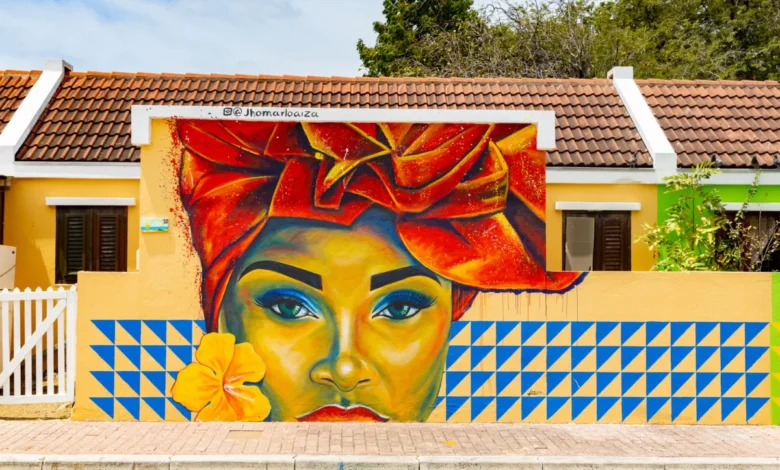
In the district of Otrobanda, which translates to "the other side" in Papiamentu, the island’s history is being rewritten through a modern lens of urban renewal and public art. Historically a working-class neighborhood, Otrobanda has evolved into a center for creative expression. The area is defined by a dense concentration of murals, including the notable rainbow-colored steps of Van Lennepstraat, designed by artist Avantia Damberg.
The transformation of this district is not purely aesthetic; it is a deliberate economic strategy. The Bario Hotel + Bar, for instance, has institutionalized the walking tour concept, creating a sustainable model that drives foot traffic to local businesses. This, in turn, fueled the creation of the Kaya Kaya Street Party. Initiated as a grassroots effort to revitalize neglected urban spaces, the festival has grown into a major cultural event held in August and December. By integrating local gastronomy, music, and muralism, the event serves as a case study in how cultural tourism can stimulate community investment and preserve the unique identity of historic neighborhoods.
The Evolution of the Plantation Landscape: The Savonet Example
The Savonet Museum, situated within the boundaries of Christoffel National Park, provides a stark and necessary contrast to the urban vibrancy of Willemstad. The museum serves as an essential site for understanding the social stratification of the colonial era. By focusing on the lives of both the plantation owners and the enslaved population, the museum offers a nuanced perspective on the island’s demographic evolution.
Curators at the site emphasize that the museum is not merely a collection of artifacts, but an interpretive center for the island’s emancipation history. Following the 1863 abolition, the social customs of the island underwent a profound shift. The Savonet site documents this transition, providing visitors with audio-guided narratives that link the 1662 structural origins of the house to the modern-day socioeconomic landscape of the island. Educational initiatives at the museum are frequently cited by local cultural boards as essential for fostering national identity among younger generations.
Public Art as Cultural Infrastructure: The Blue Bay Sculpture Garden
The integration of fine art into the landscape extends beyond the city limits. The Blue Bay Sculpture Garden at the Blue Bay Golf & Beach Resort represents a deliberate effort to curate the environment through a blend of local and international artistic talent. Initiated in 2017, the project began with a singular ceramic totem by Ellen Spijkstra. Today, the garden hosts over 40 sculptures by 29 artists.
From a sociological perspective, the use of local materials in these sculptures—such as limestone and coral—is significant. By utilizing the physical elements of the island to create modern art, the garden bridges the gap between the natural environment and the creative imagination. Works by prominent local figures such as Yubi Kirindongo and Giovanni Abath demonstrate the sophisticated nature of the contemporary Curaçaoan art scene. This development highlights a broader regional trend: the use of public art as a mechanism for branding the Caribbean as a sophisticated destination for cultural tourism, rather than solely a beach-oriented vacation spot.
Socioeconomic Implications and Future Outlook
The preservation and promotion of these cultural sites have clear economic implications for Curaçao. According to recent tourism impact reports, the "cultural traveler" demographic is growing, with visitors increasingly seeking authentic, history-rich experiences over generic resort packages. The synergy between private entities like the Bario Hotel and state-supported institutions like the Maritime Museum creates a robust ecosystem that supports the island’s GDP.
However, the challenge for the island remains the balance between modernization and preservation. As Willemstad continues to attract international investment, the protection of its UNESCO-recognized historic center—and the integrity of districts like Otrobanda—remains a top priority for the Curaçao Heritage Foundation. Officials have noted that the goal is to maintain the "living history" of these sites, ensuring they remain accessible to the public while serving as engines for economic development.
Conclusion
Curaçao stands as a testament to the endurance of culture in a globalized world. By examining the island’s history through the lens of its maritime accomplishments, its complex social evolution, and its vibrant contemporary arts scene, one gains a comprehensive understanding of the Dutch Caribbean. Whether walking the colorful, mural-lined streets of Otrobanda, exploring the silent, history-laden halls of a 17th-century plantation house, or contemplating the sculptures that dot the coastline, visitors are participating in a larger dialogue about the preservation of identity. As the island continues to grow, these institutions will undoubtedly remain the pillars upon which its future is built, ensuring that the legacy of the Caquetios, the Dutch explorers, and the modern-day innovators remains a permanent fixture of the Curaçaoan narrative.
Related posts: