While Costa Rica has long been synonymous with biodiversity, rainforests, and adventure-based tourism, a significant shift is occurring in the travel sector as families increasingly seek immersive cultural and culinary experiences. Recent assessments by travel industry experts, including the Ciao Bambino Travel Advisor team, indicate that the country’s traditional heritage—ranging from pre-Columbian agricultural techniques to the "sabanero" ranching culture of Guanacaste—is becoming a primary draw for high-end, educational family travel. These experiences move beyond passive sightseeing, offering a hands-on curriculum in the traditions that have defined Costa Rican life for centuries.
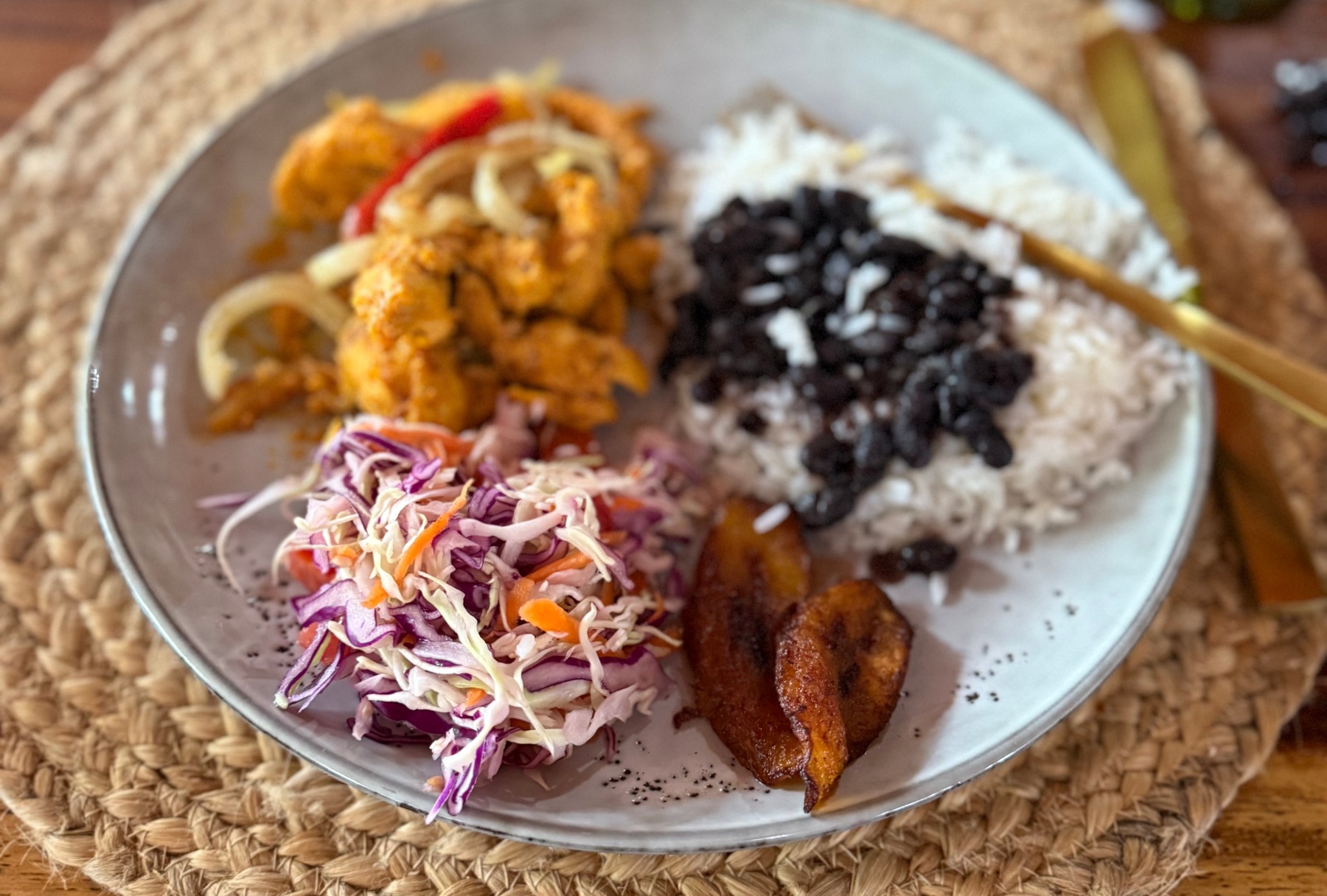
The Shift Toward Experiential and Agritourism
According to the Costa Rican Tourism Institute (ICT), the country welcomed over 2.47 million international arrivals in 2023, a record-breaking figure that underscores its resilience as a top-tier destination. However, the data also reveals a diversifying interest in "experiential travel." Travelers are no longer satisfied with observing wildlife from a distance; they are seeking "transformative travel" that fosters a deeper connection with local communities.
This trend is particularly evident in the growth of agritourism. In regions like Alajuela and the Central Valley, family-run farms are opening their gates to provide educational circuits. These tours focus on the "cradle-to-table" lifecycle of Costa Rica’s most vital exports: coffee, cacao, and tropical fruits. By engaging children in the physical labor of grinding beans or pressing sugarcane, these programs provide a tangible link to the country’s economic history.
Chronology of a Cultural Itinerary: From the Central Valley to the Pacific Coast
The modern cultural itinerary typically begins in the fertile volcanic highlands and migrates toward the dry forests of the northwest, tracing the historical development of the nation’s primary industries.
Phase I: The Agricultural Heritage of Alajuela
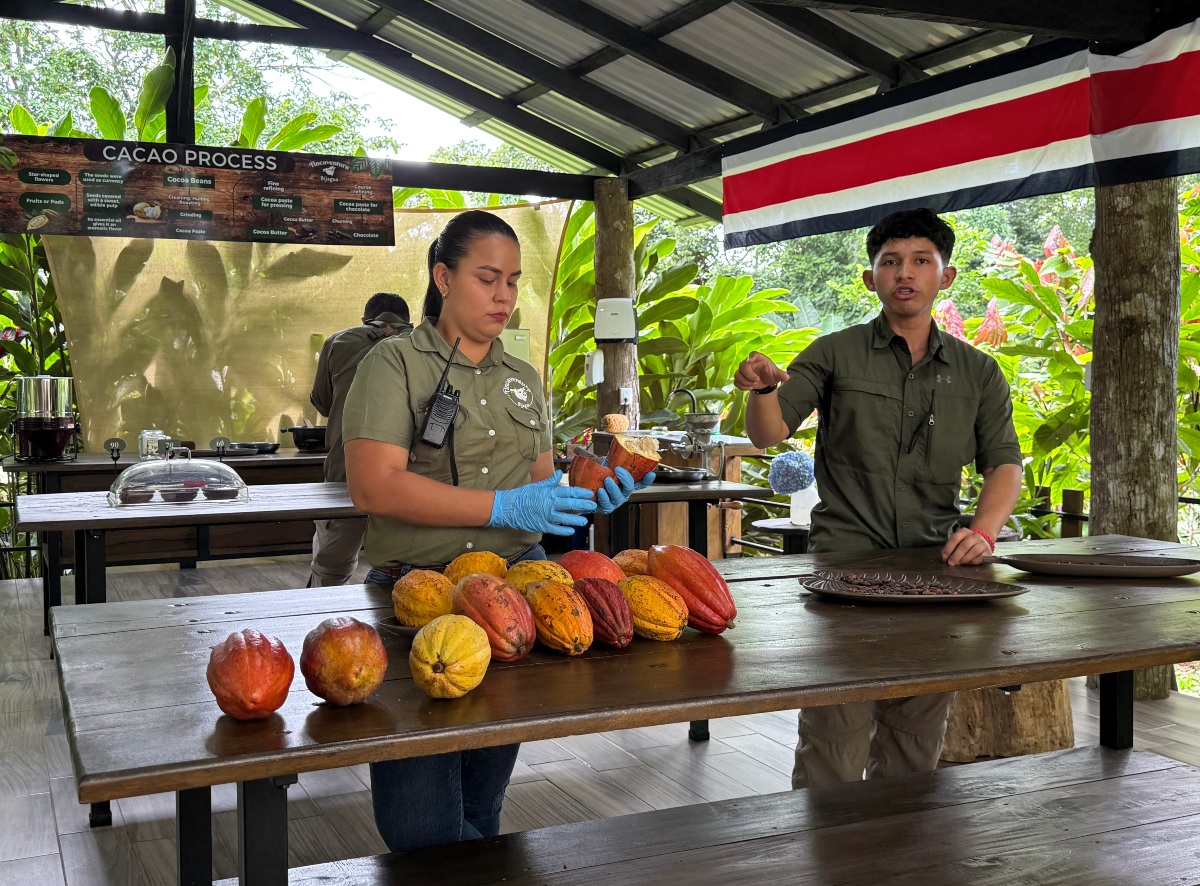
In the Alajuela region, the focus is predominantly on the "Golden Bean" (coffee) and the "Food of the Gods" (cacao). The process observed by travel professionals involves a multi-stage educational tour.

- Cultivation: Families observe the ripening of coffee cherries and the growth of vibrant cacao pods.
- Processing: This involves the fermentation and drying of beans, where visitors learn the scientific nuances of temperature and humidity control.
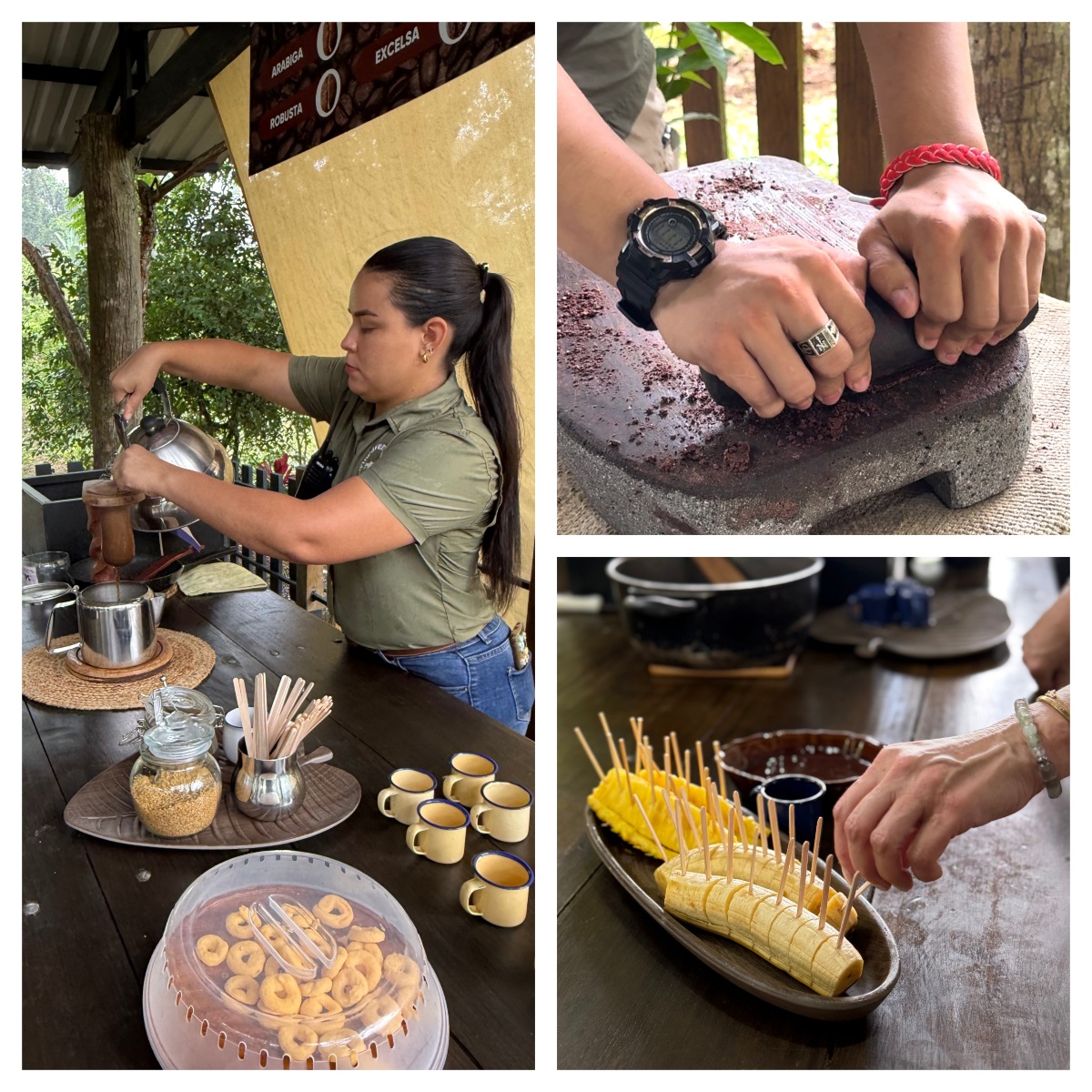
- Interaction: A key element is the use of the metate, a traditional carved volcanic stone tool. Historically used by indigenous populations across Mesoamerica, the metate serves as a historical artifact that visitors can use to grind roasted cacao into a paste.
- The Sugarcane Press: The final stage often involves the trapiche, a traditional mill. Visitors participate in a team effort to operate hand-cranked machinery to extract raw sugarcane juice, providing a lesson in pre-industrial mechanical engineering.
Phase II: The Culinary Philosophy of the Private Estate
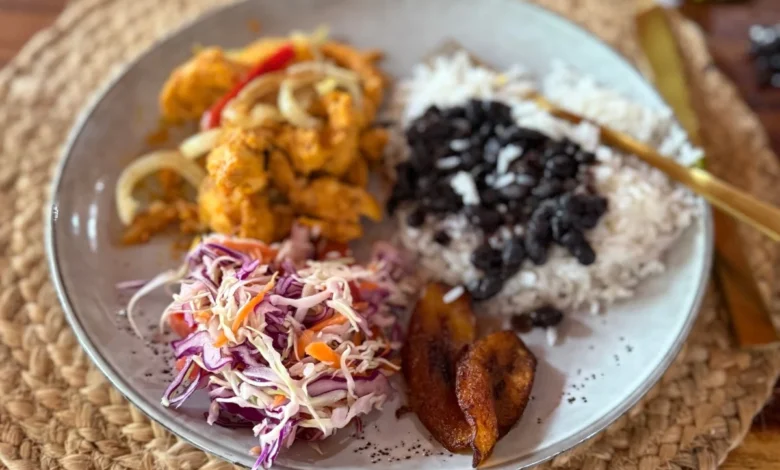
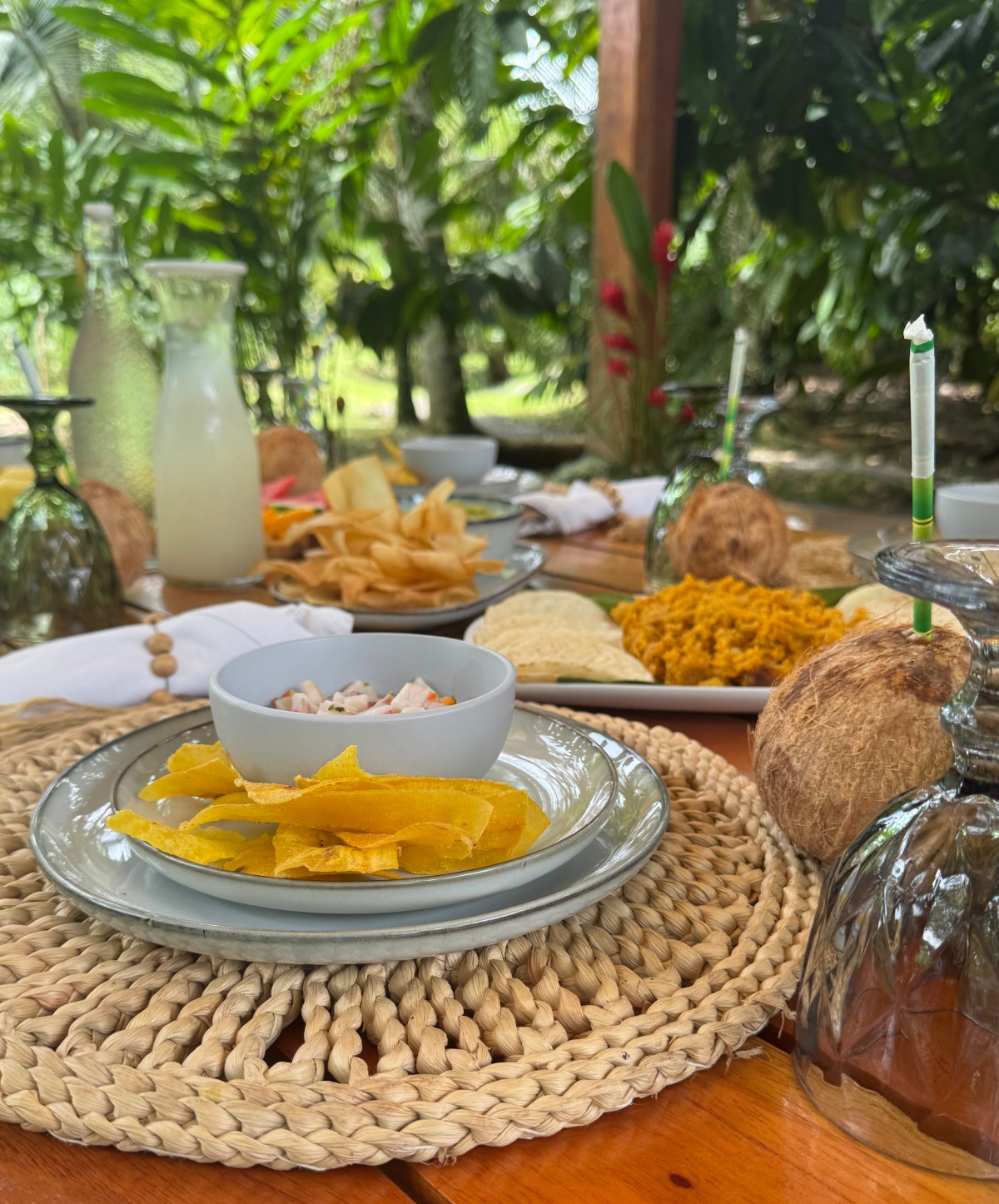
Moving deeper into the interior, the focus shifts to the "Pura Vida" philosophy—a socio-cultural framework that emphasizes slow living and the appreciation of simple, high-quality ingredients. On private estates, gourmet picnics have become a refined method for introducing families to local gastronomy. This setting allows for a controlled, intimate environment where traditional dishes like ceviche (often prepared with mango for younger palates), enyucados (cheese-filled yucca croquettes), and picadillo de raíz de papaya (minced papaya root) are served. This phase of the journey emphasizes the importance of the family unit in Costa Rican culture, utilizing open-air gazebos and communal dining to mirror local social structures.
Phase III: The Sabanero Traditions of Guanacaste
The final leg of a comprehensive cultural tour often concludes in Guanacaste, a region defined by its ranching history. The sabanero (the Costa Rican cowboy) is a central figure in this province’s identity.
- Tortilla Making: The process begins with corn milling, where families learn to create masa (dough) to form rustic tortillas, empanadas, and rosquillas (corn rings). This activity highlights the role of corn as a dietary staple in the Nicoya Peninsula, one of the world’s five "Blue Zones" known for the longevity of its inhabitants.
- Ranch Management: The experience culminates in an active participation in ranch life. Under the guidance of professional sabaneros, families engage in moving cattle across the hacienda. This provides insight into the logistical challenges of livestock management in the tropical dry forest ecosystem.
Supporting Data: The Economic Impact of Coffee and Cacao
The educational value of these tours is grounded in the significant economic data of the region. Coffee remains a cornerstone of the Costa Rican economy, with the country producing approximately 1.5 million bags annually. The industry supports over 38,000 families, and the "Cafe de Costa Rica" brand is protected by a Geographical Indication, ensuring that only 100% Arabica beans are grown.
Cacao, while a smaller export today than in the 18th century, is undergoing a "fine flavor" renaissance. Costa Rica is recognized by the International Cocoa Organization (ICCO) as a 100% fine-flavor cocoa producer. By integrating these facts into family tours, operators are able to provide a comprehensive view of how global trade impacts local farming communities.

Responses from the Travel Sector
Travel advisors who have recently vetted these experiences emphasize the high engagement levels among younger travelers. Lauren Taylor, a representative from the Ciao Bambino Travel Advisor team, noted that the interactive nature of these activities—such as grinding beans or operating a sugarcane press—serves as an effective educational tool that traditional museums often lack.
"Experiences like this provide something richer and more memorable than sightseeing alone," Taylor stated. "It is a chance to get hands-on and gain a deeper appreciation for the traditions that have shaped Costa Rican life for centuries."
Local hosts also report that these tours are vital for cultural preservation. By creating a demand for traditional tortilla making and sabanero skills, tourism provides a financial incentive for younger generations to maintain these ancestral practices rather than migrating to urban centers for service-sector jobs.
Broader Implications and Analysis
The rise of cultural and culinary tourism in Costa Rica has several long-term implications for the destination’s development:

- De-concentration of Tourism: By promoting farms in Alajuela and haciendas in Guanacaste, the ICT can move visitor traffic away from overcrowded national parks, distributing the economic benefits of tourism to rural families and smaller communities.
- Educational Value for the Next Generation: For families, these trips serve as a "classroom without walls." Children learn about botany, history, and sociology through direct experience, which studies suggest leads to better retention of information and a more developed sense of global citizenship.
- Sustainability of Heritage: These activities ensure that intangible cultural heritage—such as the specific recipes for rosquillas or the techniques of the metate—is not lost. Tourism becomes a vehicle for the "commodification of culture" in a positive sense, where the value assigned by visitors helps protect the traditions from extinction.
- Strengthening the "Blue Zone" Narrative: As global interest in health and longevity grows, Costa Rica’s culinary traditions (rich in fiber, corn, and fresh fruit) align with the wellness travel trend. Highlighting these traditional diets reinforces Costa Rica’s brand as a destination for holistic well-being.
Conclusion
Costa Rica’s evolution from a purely eco-adventure destination to a multifaceted cultural hub represents a maturing of its tourism product. The integration of food, history, and hands-on labor into the family travel experience offers a more nuanced understanding of the country. Whether it is the rhythmic patting of tortilla dough, the aromatic process of roasting coffee, or the dusty trails of a Guanacaste ranch, these experiences provide a window into the soul of the nation. For the modern family, the true "Pura Vida" is found not just in the canopy of the rainforest, but in the shared stories and flavors of the people who call it home.