A Comprehensive Guide to Experiencing Madrid with Children: A 72-Hour Family Itinerary

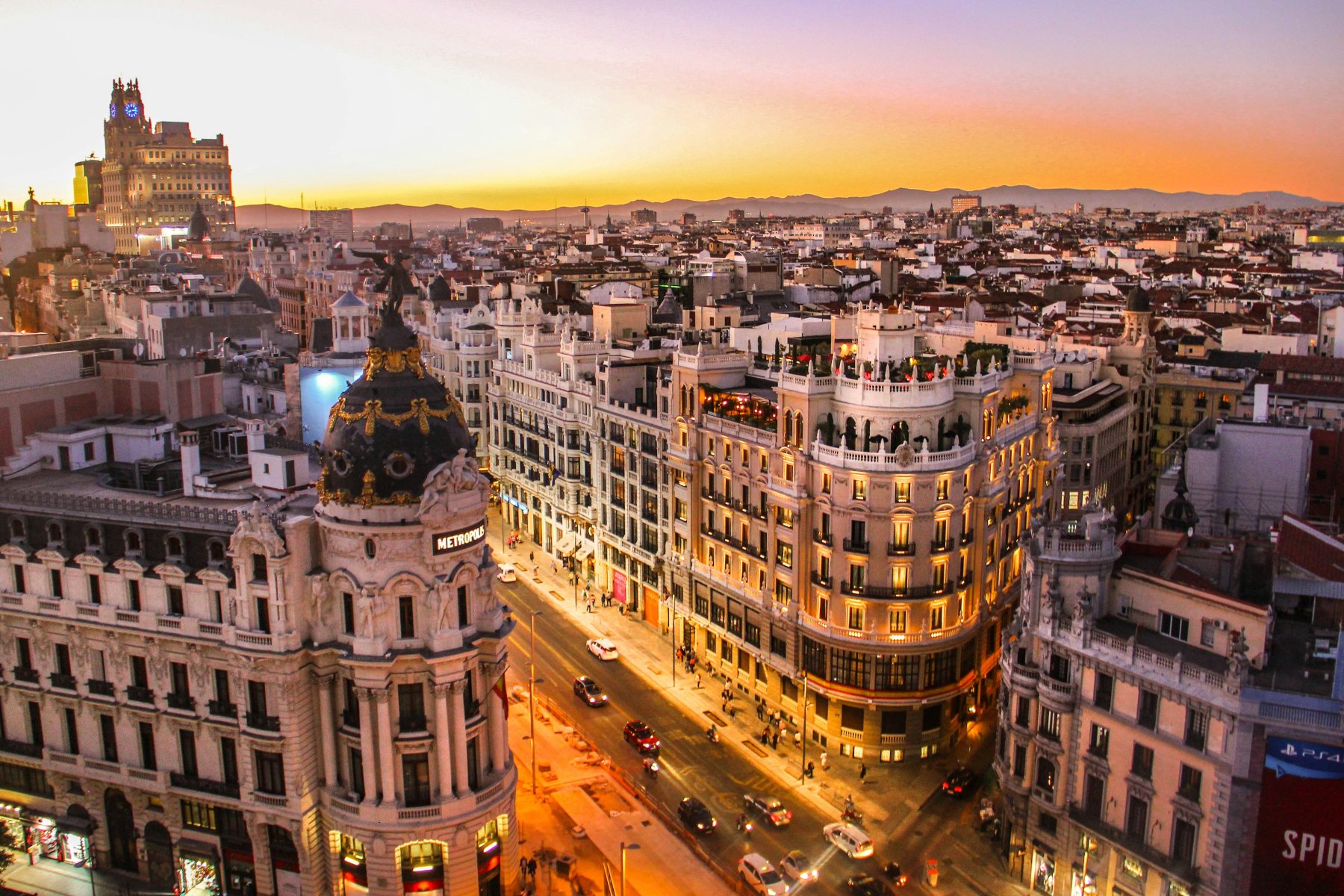
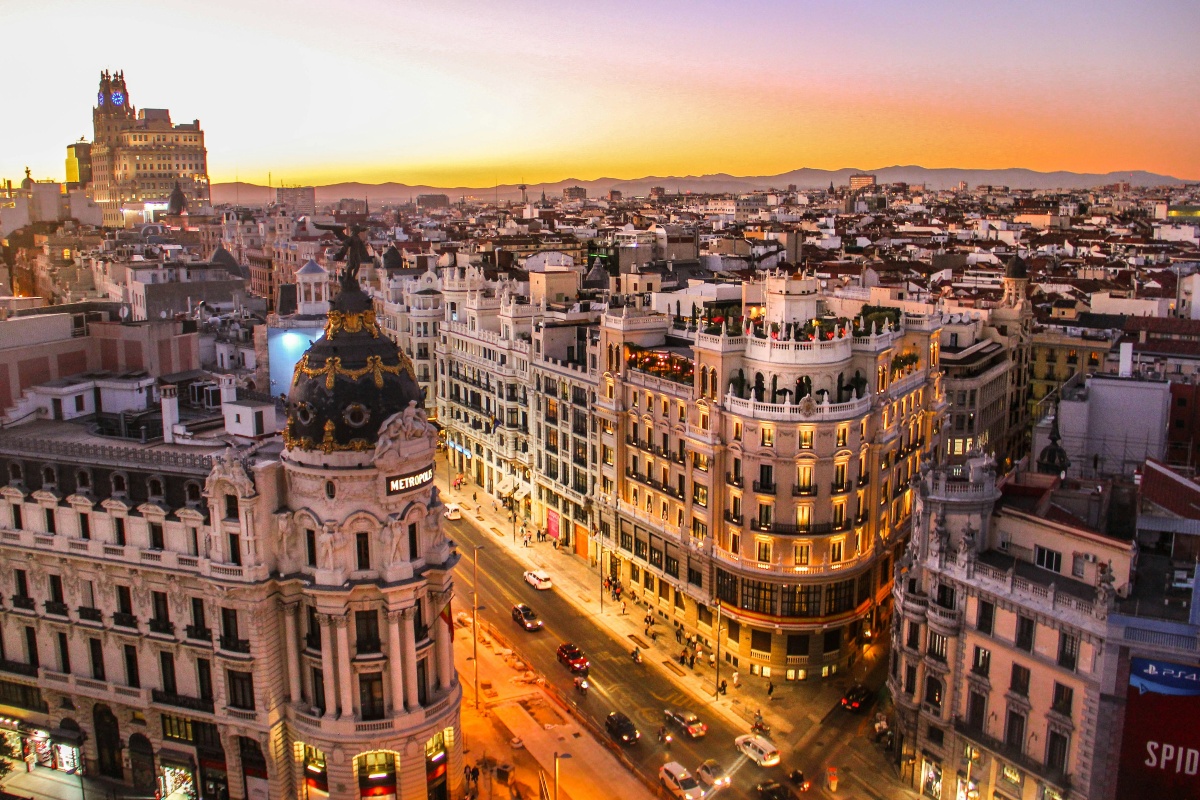
While Barcelona serves as Spain’s avant-garde artistic hub and Seville embodies its soulful romanticism, Madrid stands firmly as the nation’s elegant grande dame. The Spanish capital projects a stately, even imposing aura characterized by royal palaces, world-class cultural institutions, and expansive boulevards framed by ornate Belle Époque architecture. Yet, beneath this dignified exterior pulses a vibrant, warm, and deeply relaxed urban culture that welcomes travelers of all ages.
Navigating Madrid with children is remarkably rewarding. This ease does not stem from every attraction being exclusively tailored for youth, but rather from the inherent child-centric nature of Spanish society. Leafy parks offer ample space for physical recreation, and public plazas teem with families socializing late into the evening hours. Children are routinely welcomed inside traditional tapas bars and sit alongside adults at tables where multi-generational dining is the cultural norm. To maximize a 72-hour visit, travelers are advised to balance monumental sightseeing with the unhurried rhythms of daily local life.
The Royal Heritage and Green Spaces of Day One
Travelers embarking on a three-day exploration of Madrid typically begin at the Palacio Real. Commissioned primarily in the 18th century upon the foundations of an ancient royal fortress, the palace functions today as the official residence of the Spanish monarch, though the royal family resides elsewhere. The structure continues to host official state ceremonies, welcoming international dignitaries and maintaining centuries of court traditions. Inside, visitors encounter sweeping monumental staircases, intricate ceiling frescoes, gilded reception rooms, and lavish state apartments.
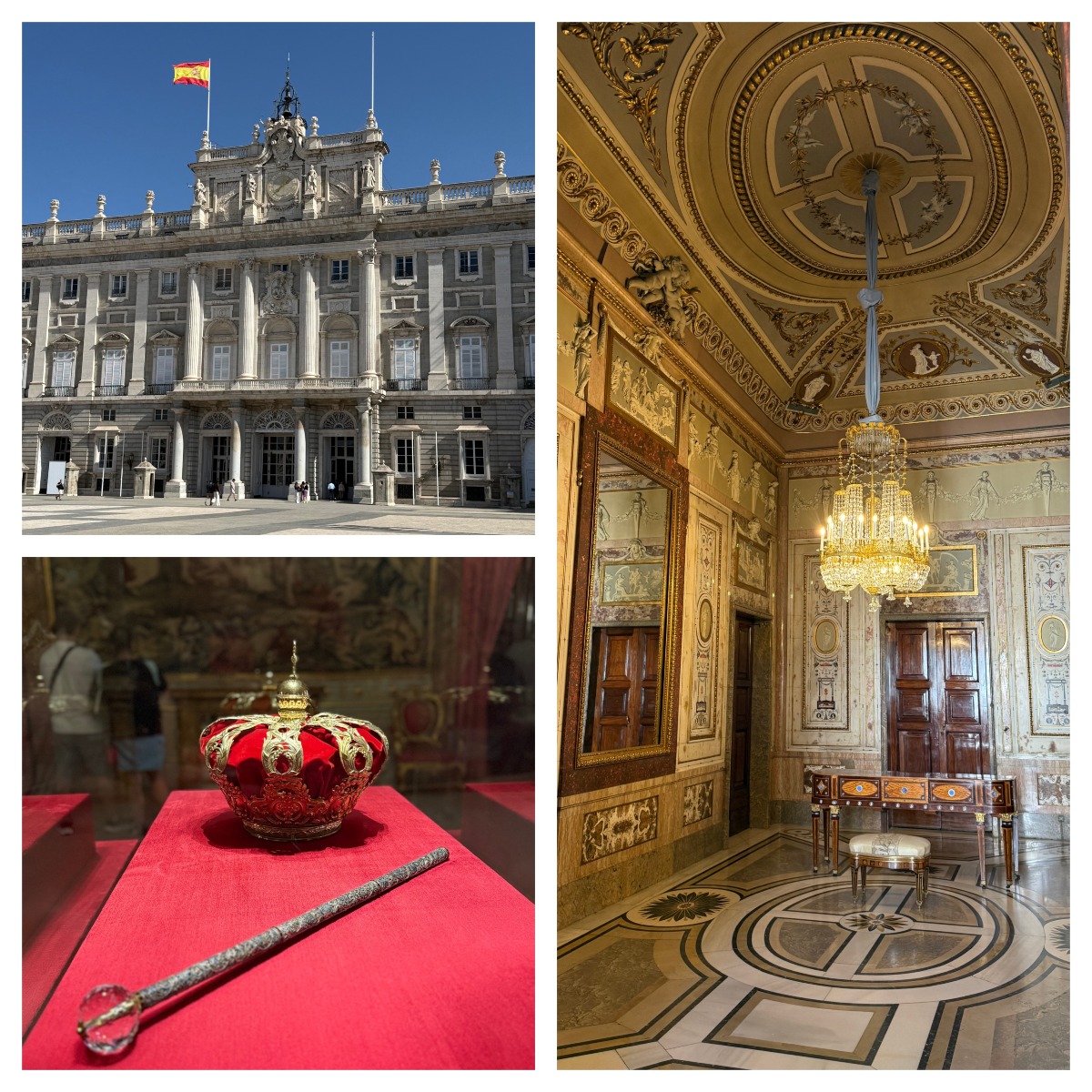
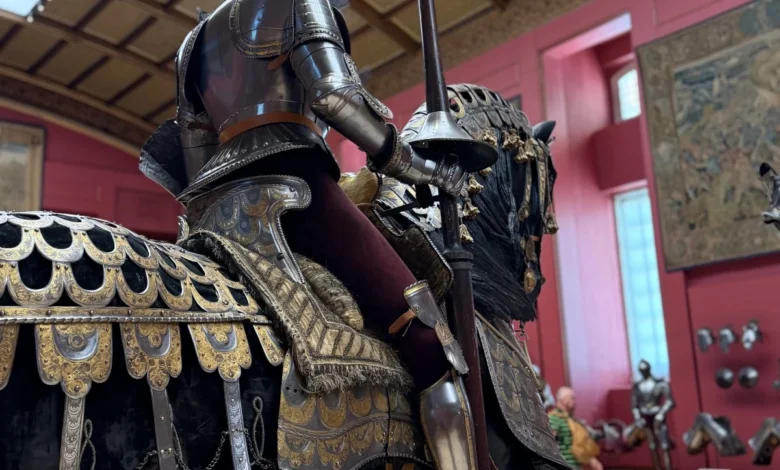
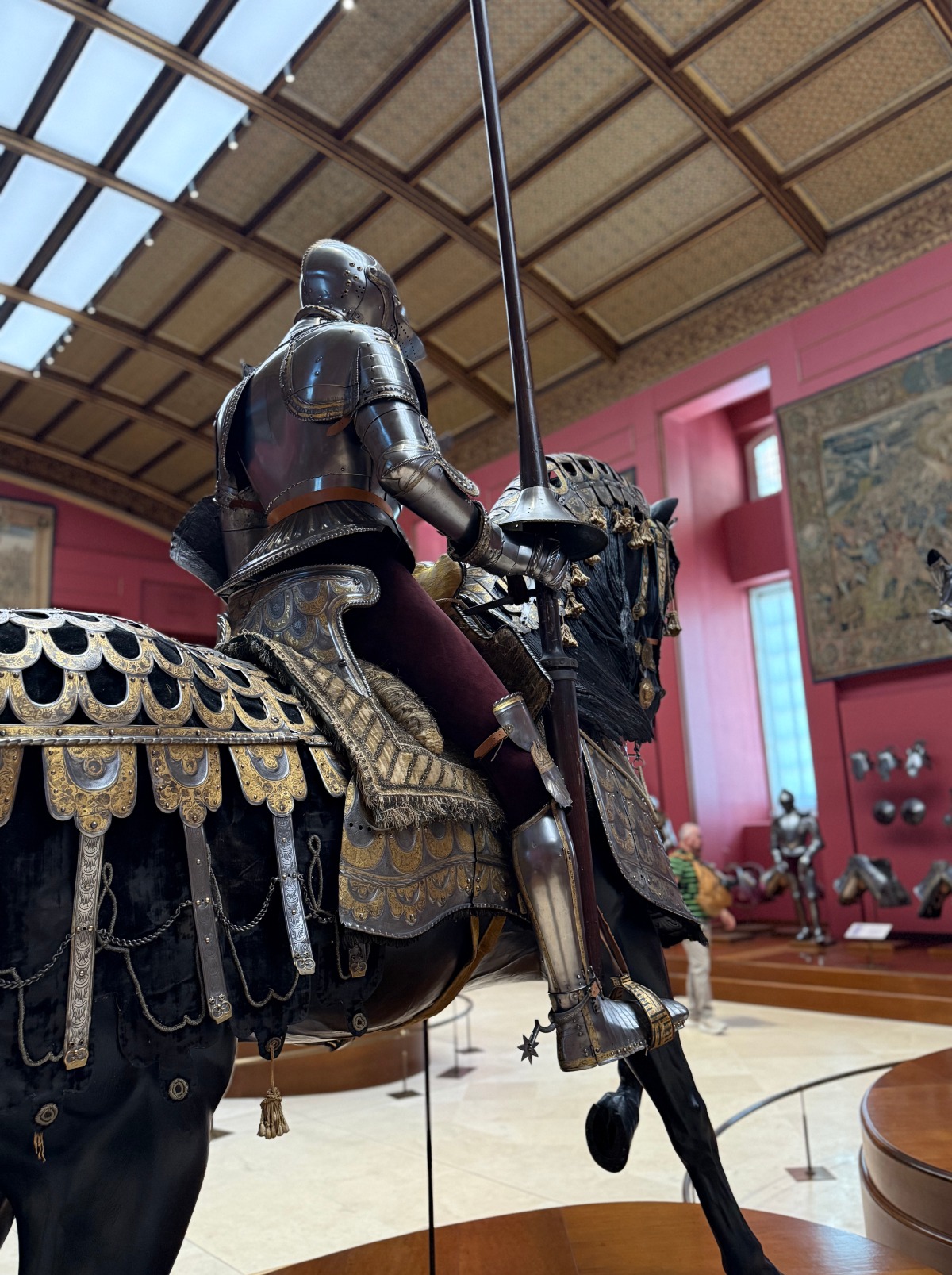
For younger visitors, educators and tour guides often recommend turning the architectural tour into an engaging pursuit—such as identifying royal symbols like the fleur-de-lis, marveling at historic Stradivarius violins, or observing the Spanish crown and scepter. Adjacent to the main rooms lies the Royal Armoury, a repository housing medieval and Renaissance military artifacts, including ceremonial suits of armor once worn by Spanish monarchs, members of the Habsburg dynasty, and even their horses.
Following the indoor palace tour, families frequently transition to the outdoors by descending into the Campo del Moro gardens. Situated beneath the palace’s western facade, these landscaped grounds feature meandering pathways, mature shade trees, and resident peacocks. Nearby, the Templo de Debod—an authentic ancient Egyptian temple gifted to Spain during the 1960s—provides a striking cultural detour, particularly at dusk when the structure and its reflecting pools illuminate under the setting sun.
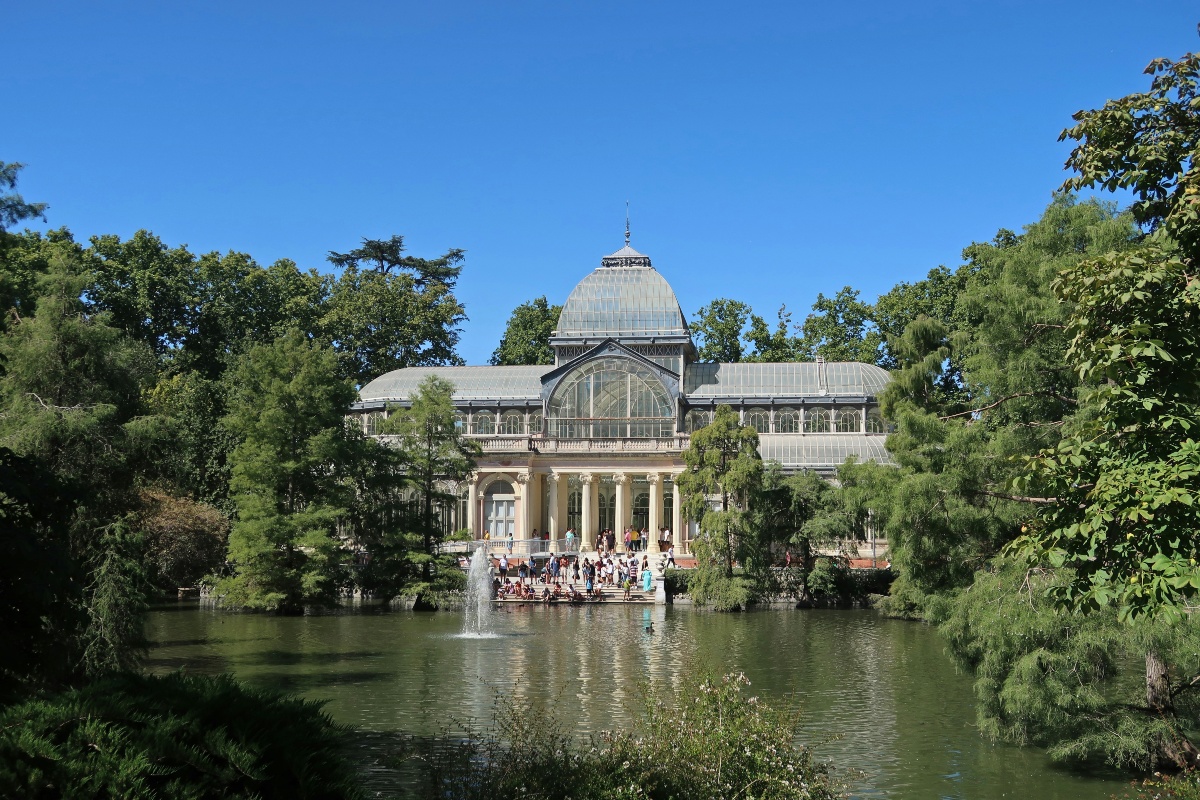
By afternoon, families often make their way to Parque del Retiro. Spanning a vast historical estate once reserved for royalty, this park features tree-lined promenades, formal gardens, and open lawns. Visitors can rent rowboats to navigate the Estanque Grande, a 17th-century ornamental lake historically utilized for mock naval battles staged for the royal court. On weekends, the park hosts performances at the Teatro de Títeres del Retiro, an open-air puppet theater that offers free shows suitable for international audiences.
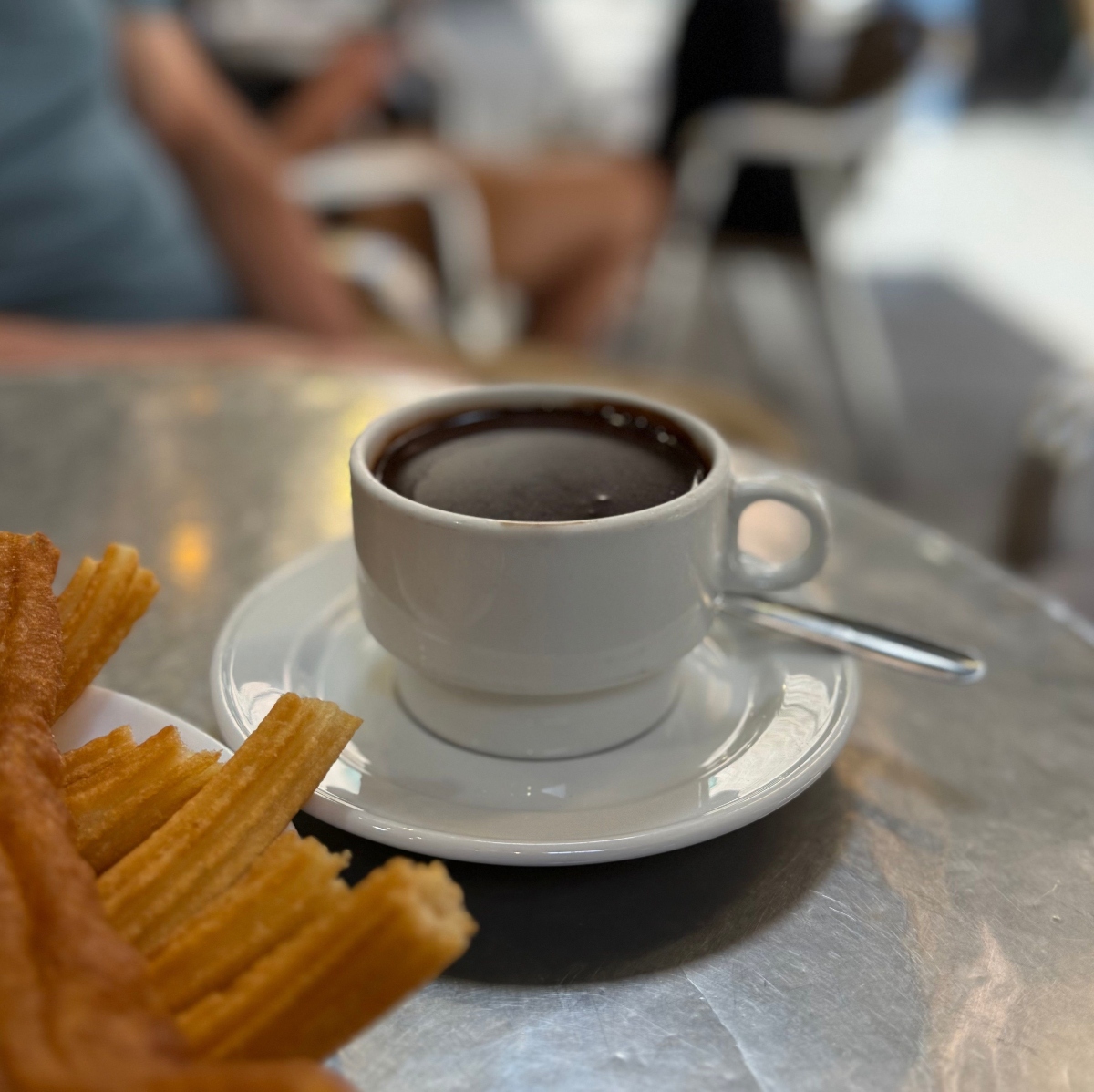
As twilight descends, visitors can participate in the traditional evening paseo. This cultural practice involves locals of all ages—from grandparents and parents to toddlers in strollers—strolling along urban boulevards without a fixed destination. The evening walk serves a dual purpose: it offers respite from daytime temperatures while reinforcing the deeply communal nature of Spanish family life. En route, families frequently stop at Chocolatería San Ginés, an establishment operating since 1894, to partake in the local ritual of dipping fried churros into thick, rich hot chocolate.
Culinary Explorations, Urban Parks, and Traditional Arts on Day Two
The second day of the itinerary shifts focus toward Madrid’s culinary heritage and recreational landscapes. Engaging a guided food tour allows families to experience local gastronomy while learning about the city’s historical role as a crossroads for regional Spanish cuisines. Typical tastings include jamón ibérico, freshly fried croquetas, classic bocadillos de calamares (calamari sandwiches), salt cod fritters, and stuffed mushroom caps. These tours introduce children to new flavors in manageable portions while providing historical context regarding Madrid’s culinary evolution.
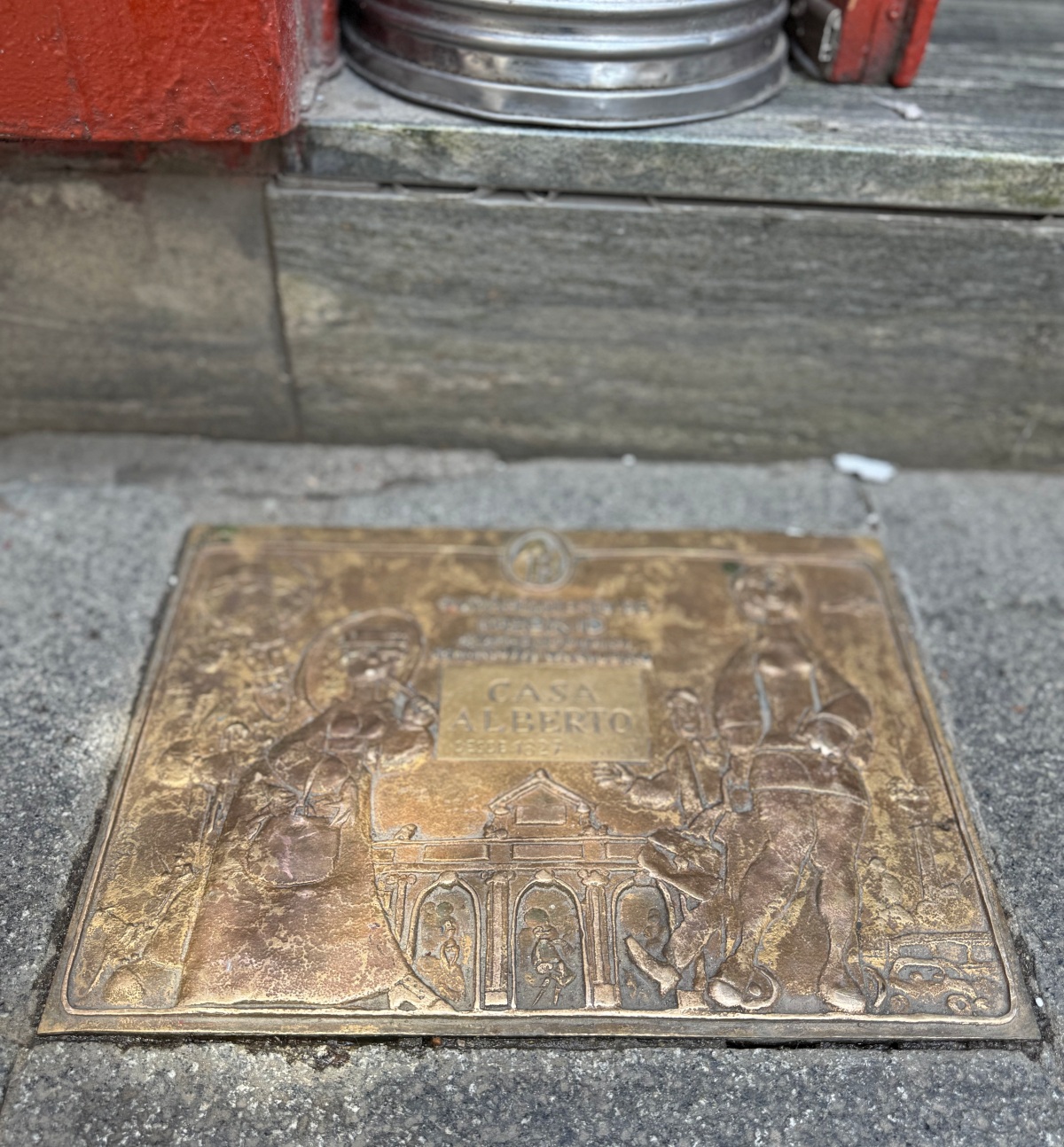
To maintain engagement for younger participants, walking tours often incorporate scavenger hunts for embedded brass sidewalk plaques. These markers commemorate historic businesses and centenarian taverns, such as Casa Alberto, a venue operating since 1827 in a building historically linked to author Miguel de Cervantes.
In the afternoon, itineraries frequently direct visitors toward Casa de Campo, a massive green space located west of the city center. Historically utilized as a royal hunting reserve, the park now functions as a regional hub for outdoor recreation, cycling, and family entertainment. Within its boundaries lie the Zoo Aquarium Madrid and the Parque de Atracciones de Madrid amusement park. Because of the vast scale of these attractions, families are generally advised to select a single venue to prevent exhaustion.
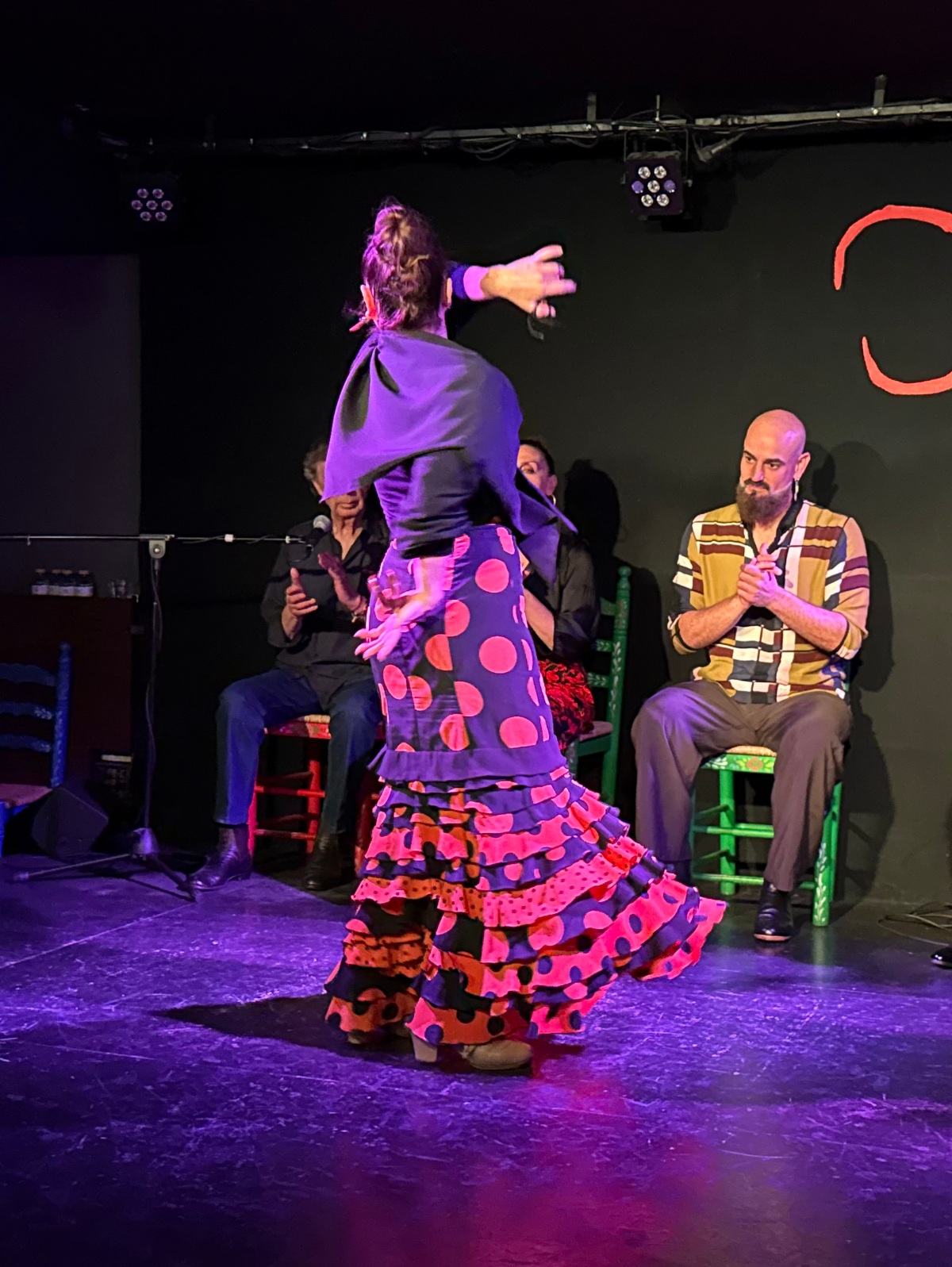
The evening can conclude with an intimate tablao performance showcasing traditional flamenco. As one of Spain’s signature art forms, flamenco integrates intricate footwork, expressive guitar compositions, and emotive vocal delivery. Selecting family-friendly venues that prioritize authentic musical and dance performance over elaborate dinner-theater staging ensures an engaging cultural encounter for all age groups.
Artistic Masterpieces and Modern Infrastructure on Day Three
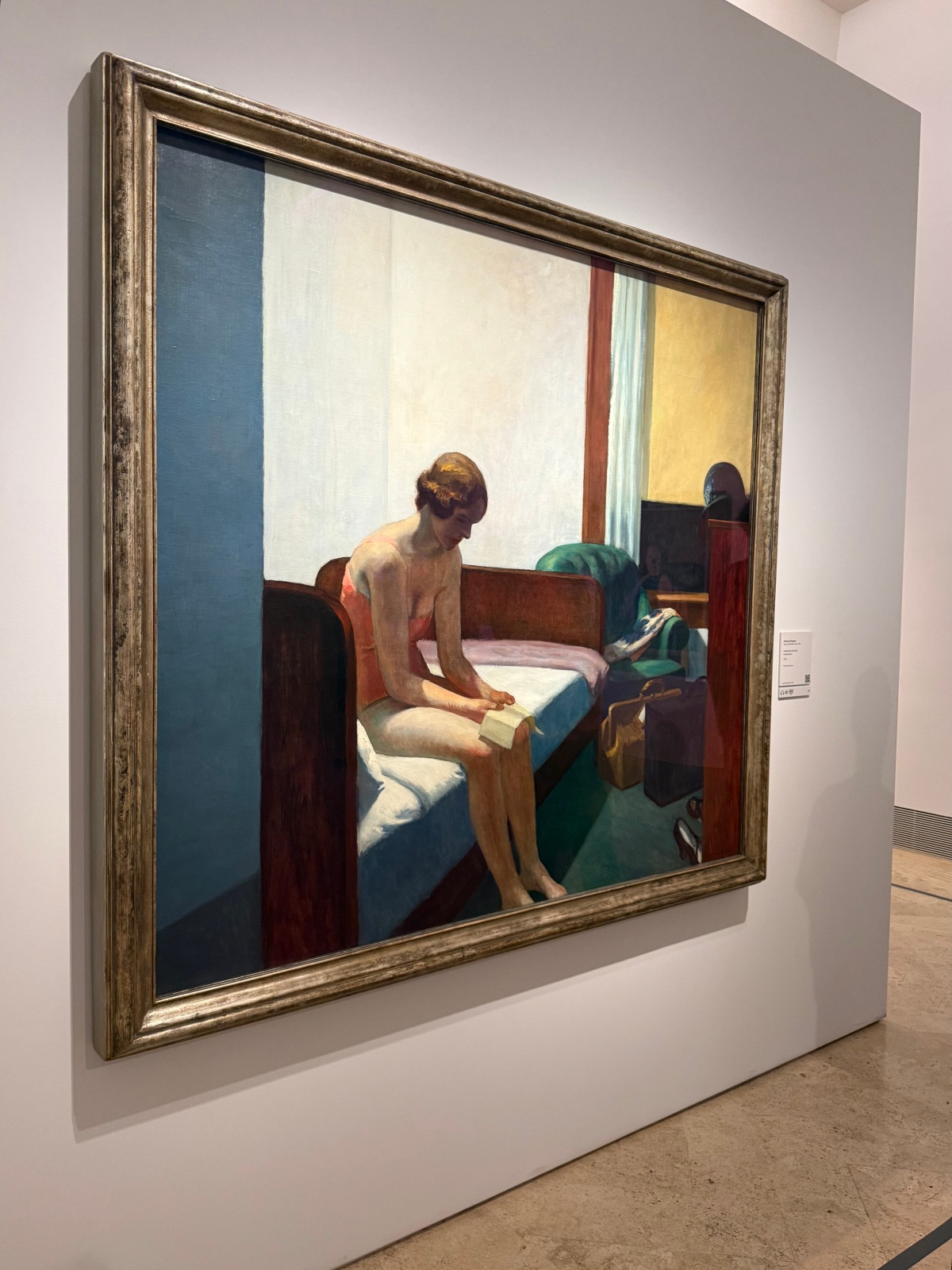
Madrid’s "Golden Triangle of Art"—comprising the Prado Museum, the Reina Sofía Museum, and the Thyssen-Bornemisza Museum—represents a cornerstone of European culture. Tailoring museum visits to family interests is essential for maintaining a positive experience.
The Thyssen-Bornemisza Museum offers a chronological overview of Western art, making it accessible for families who wish to observe various artistic styles without navigating the immense scale of the Prado. Conversely, the Prado Museum remains the definitive institution for classical Spanish masterworks, housing iconic creations such as Diego Velázquez’s Las Meninas. To assist younger visitors, the Prado provides specialized family resources, including a youth-oriented audio guide narrated from the perspective of the young princess depicted in Velázquez’s masterpiece.
For families with teenagers, the Reina Sofía Museum presents an opportunity to examine 20th-century avant-garde art, most notably Pablo Picasso’s monumental painting, Guernica. Created in 1937 as a visual condemnation of the bombing of a Basque town during the Spanish Civil War, the artwork stands as one of history’s most prominent anti-war statements, offering an educational focal point for older youth.
Alternatively, sports enthusiasts often choose to dedicate their afternoon to a guided tour of the Santiago Bernabéu Stadium. Following extensive modernization efforts, the home of Real Madrid offers access to player dressing rooms, the presidential box, the players’ tunnel, the trophy room, and panoramic views of the pitch, illustrating the economic and cultural impact of modern professional soccer.
For families seeking a more relaxed environment, Madrid Río provides an expansive modern park built over a subterranean highway along the Manzanares River. Featuring contemporary footbridges, extensive playgrounds, and recreational zones, the riverside park showcases Madrid’s successful urban renewal initiatives.
Day Trips: Toledo and Segovia
Travelers with a fourth day to spare frequently utilize Madrid’s high-speed rail network to explore nearby historic cities. Toledo, situated roughly 30 minutes south by train, rises dramatically above the Tagus River. Known as the "City of Three Cultures," Toledo preserves architectural and cultural evidence of its medieval Christian, Jewish, and Muslim inhabitants. Because of the city’s steep topography and complex historical narrative, engaging a private family-friendly guide is highly recommended.
An alternative destination is Segovia, located north of the capital. Segovia is internationally recognized for its remarkably preserved Roman aqueduct—constructed without mortar using large granite blocks—and the Alcázar of Segovia, a medieval fortress whose distinctive turrets inspired classic fairy-tale architecture. Both regional excursions offer a seamless transition from the capital while highlighting Spain’s diverse architectural heritage.
Through careful pacing, balanced itineraries, and an appreciation for local traditions, families visiting Madrid can successfully navigate the capital’s royal heritage, artistic treasures, and welcoming social landscape.