Thunder Bay Winter Tourism and the Strategic Expansion of Northern Ontario Recreational Infrastructure


The city of Thunder Bay, strategically positioned on the northwestern shore of Lake Superior, has increasingly positioned itself as a premier destination for winter sports tourism in Canada. By leveraging its unique geography—characterized by significant vertical elevation changes and extensive boreal forest cover—the municipality has integrated high-level recreational facilities with a revitalized culinary and hospitality sector. Recent data from regional tourism boards indicates that winter tourism in Northern Ontario has seen a steady uptick, as travelers seek accessible, high-quality outdoor experiences that avoid the congestion of southern alpine hubs.
The Geography of Northern Ontario Winter Recreation
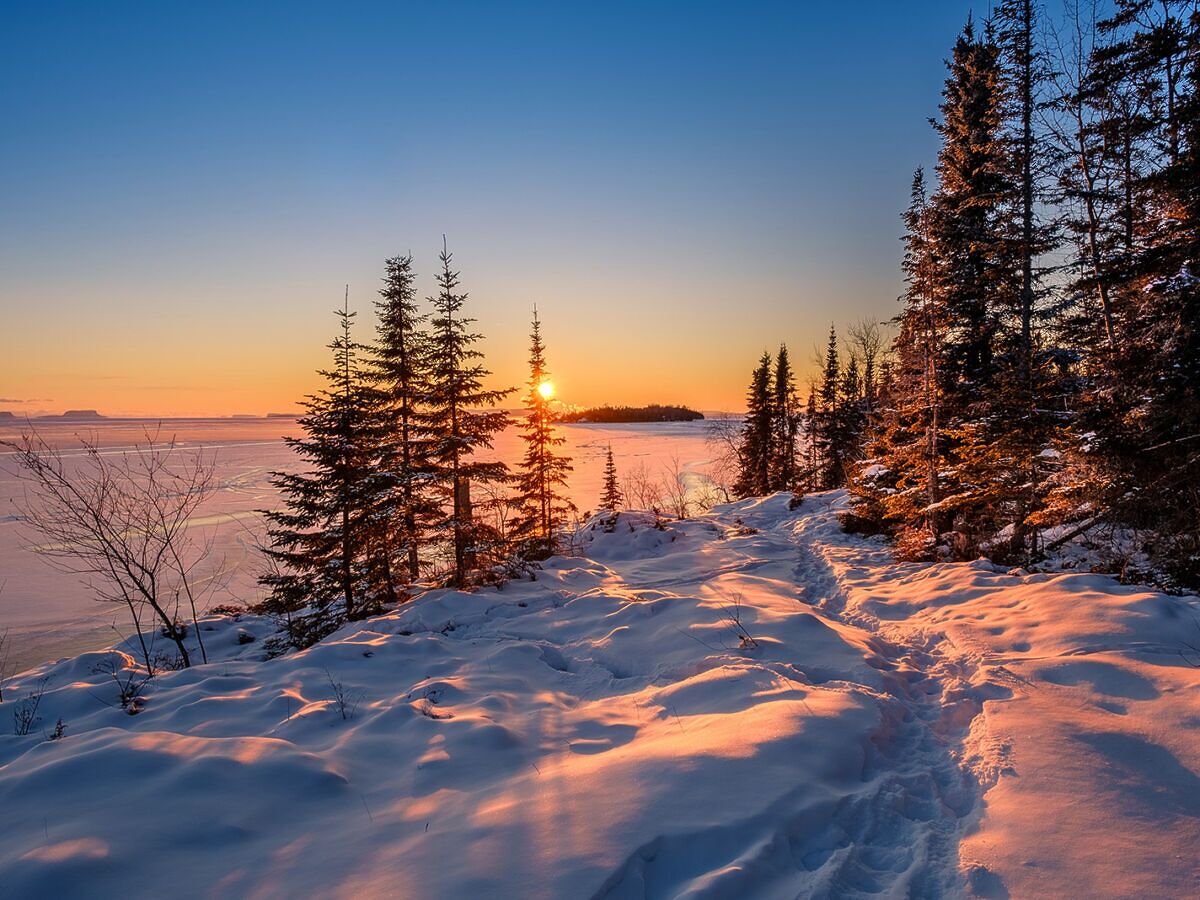
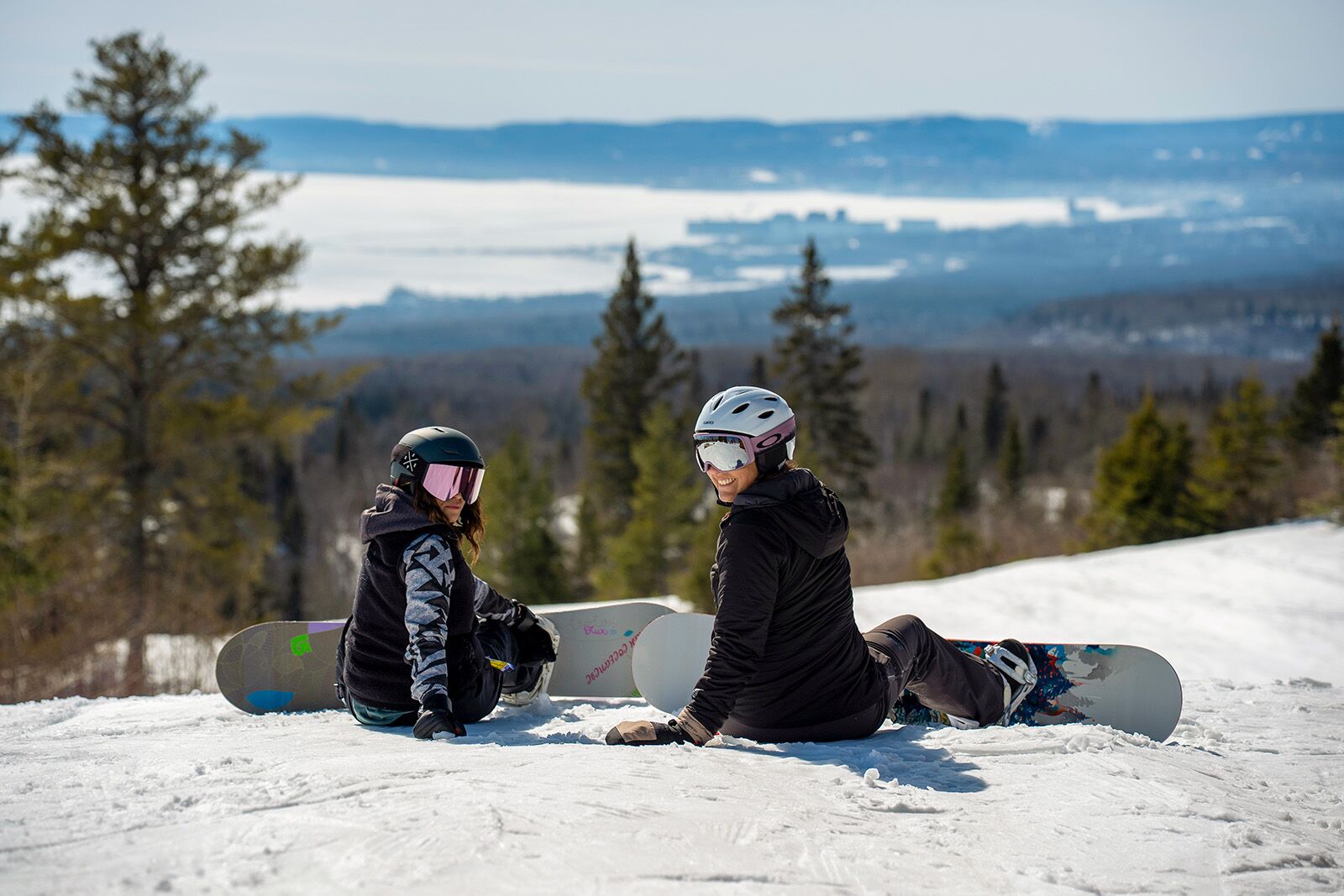
Thunder Bay’s appeal is anchored by a dual-approach to alpine and nordic skiing, supported by a climate that reliably sustains snow cover from early December through late March. The city’s two primary downhill facilities, Mount Baldy and Loch Lomond, provide distinct experiences for varying skill levels. Mount Baldy, situated on the city’s northern fringe, maintains a focus on community-oriented skiing with a three-lift system that facilitates night sessions, a critical component for local engagement. Conversely, Loch Lomond provides a more challenging technical environment, featuring a 229-meter (750-foot) vertical drop that serves as a training ground for regional athletes.
The integration of Nordic infrastructure at the Kamview Nordic Centre and Lappe Nordic Ski Centre further solidifies the region’s capacity to host large-scale winter events. Kamview, which manages over 30 kilometers of groomed trails, has become a cornerstone of local winter activity. Recent operational reports suggest that the center’s ability to provide on-site rentals and food service has significantly reduced barriers to entry for tourists visiting from urban centers like Toronto or Minneapolis. Lappe Nordic, while prioritizing a more traditional, gear-dependent experience, offers unique cultural amenities, such as authentic saunas and traditional Finnish pancakes, reflecting the deep-rooted Nordic influence on the region’s cultural identity.
Chronology of Winter Infrastructure Development
The development of Thunder Bay as a winter hub did not occur in isolation but followed a multi-decade shift in regional economic priorities.
- 1924: The construction of the Thunder Bay Courthouse, a structure that would eventually be repurposed into a boutique hotel, signaling the city’s long-term commitment to maintaining historical architecture as part of its modern tourism infrastructure.
- Late 20th Century: The establishment of the Voyageur Winter Carnival, which formalized the region’s celebration of its fur-trading history and sub-arctic climate.
- 2019: The grand reopening of The Courthouse Hotel following a multimillion-dollar renovation, which provided the city with high-end accommodation options necessary to attract international and long-haul domestic travelers.
- Present Day: The continued expansion of urban amenities, such as the waterfront ice rink at Prince Arthur’s Landing, which serves as a central social hub, connecting the city’s industrial history with its contemporary role as a leisure destination.
Economic and Cultural Impact of the Waterfront
The redevelopment of the waterfront at Prince Arthur’s Landing represents a significant shift in urban planning for the city. By repurposing former industrial lakefront property into public recreational space, the city has successfully drawn residents and tourists into the downtown core during the colder months. The presence of the outdoor skating rink, situated against the backdrop of the Sleeping Giant—a series of mesas known in Ojibwe tradition as the spirit Nanabijou—serves as a primary marketing asset.
From an economic perspective, this project has encouraged private sector growth in the immediate vicinity. The "Bay & Algoma" district, for instance, has seen a concentration of independent businesses, such as Nook, which focuses on locally sourced ingredients. Analysis of the local food scene suggests that the "Persian," a localized pastry consisting of fried cinnamon dough and berry-flavored icing, has become a culinary identifier for the city, contributing to the "brand identity" that encourages extended stays among visitors.
The Role of Fort William Historical Park
The significance of Fort William Historical Park cannot be overstated in the context of Northern Ontario’s heritage tourism. As one of North America’s largest living history museums, the site reconstructs the North West Company’s 19th-century inland headquarters. During the winter months, the park functions as more than a static exhibit; it hosts the Voyageur Winter Carnival and various solstice events.
By providing educational programming that highlights the resilience of early fur traders, the park offers a context for the modern visitor’s own experience with the harsh northern climate. Representatives from local tourism boards have frequently cited the park’s winter programming as a primary reason for increased occupancy rates during the mid-winter slump, as the site attracts school groups, history enthusiasts, and families seeking structured, long-form educational activities.
Regional Connectivity: The Marathon Corridor
Beyond the city limits, the Trans-Canada Highway serves as a conduit for "slow travel" tourism. The route to Marathon, a 3.5-hour drive east, offers travelers a synthesis of coastal Lake Superior scenery and access to the boreal forest. The Marathon Cross-Country Ski and Snowshoe Club manages 15 kilometers of trails that emphasize tranquility, a contrast to the higher-volume traffic often seen in the city center.
The implications of this interconnected trail system are significant for the regional economy. By promoting a circuit that includes both Thunder Bay and smaller nodes like Marathon, the province encourages longer durations of stay. Data regarding "drive-market" tourism indicates that visitors who incorporate multiple stops along the North Shore are 40% more likely to return within a 24-month period compared to those who remain in a single municipality.
Official Perspectives and Future Outlook
While municipal governments and private entities have not issued formal policy shifts in recent months, the trajectory of capital investment in the region suggests a strategic pivot toward year-round sustainability. The emphasis on "winter-readiness"—including the maintenance of high-speed fiber connectivity in hotel districts and the refinement of snow-clearing protocols—indicates that Thunder Bay is preparing for increased international interest.

Stakeholders in the local hospitality sector note that the "authenticity" of the experience is the region’s greatest competitive advantage. Unlike purpose-built resort towns, Thunder Bay retains a functional, working-class character that provides an immersive experience for visitors. The coexistence of modern craft breweries, such as the Lakehead Beer Company, alongside centuries-old historic sites, creates a multidimensional appeal that is difficult to replicate in artificial resort environments.
Analysis of Regional Resilience
The long-term viability of Thunder Bay’s winter tourism model depends on the continued maintenance of its natural assets and the preservation of its architectural heritage. As climate patterns shift, the region’s investment in artificial snow-making at its alpine facilities, such as Loch Lomond, serves as a hedge against unpredictable precipitation. Furthermore, the diversification of winter activities—ranging from high-intensity skiing to low-impact snowshoeing and historical education—ensures that the region remains relevant to a broad demographic of travelers.
As the province of Ontario continues to promote Northern travel, Thunder Bay stands as the primary anchor. The city’s ability to combine the logistical convenience of direct flight access with the rugged, expansive nature of the Canadian Shield provides a unique value proposition. Whether for the casual weekend traveler or the dedicated winter sports enthusiast, the region offers a comprehensive, albeit demanding, winter experience that remains deeply connected to the geography and history of the North. Moving forward, the continued development of high-quality, mid-tier accommodation and the expansion of cross-regional trail networks will be the primary indicators of the sector’s growth.