New Cyclone Arnab Approaches Nepal Threatening More Heavy Snowfall Across Mountaineering Regions

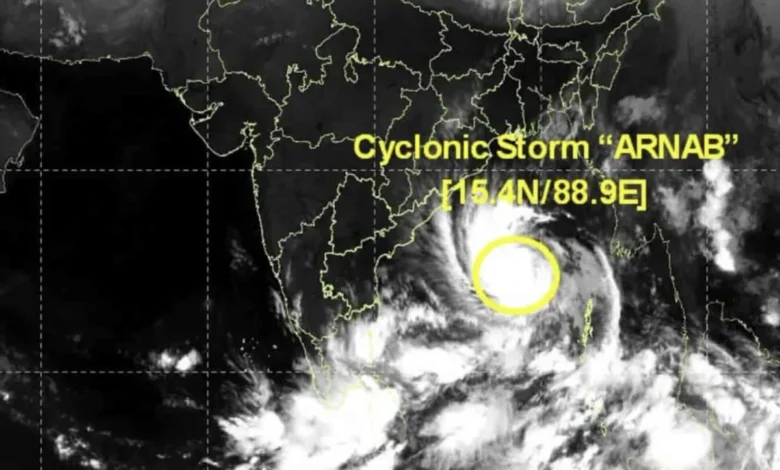
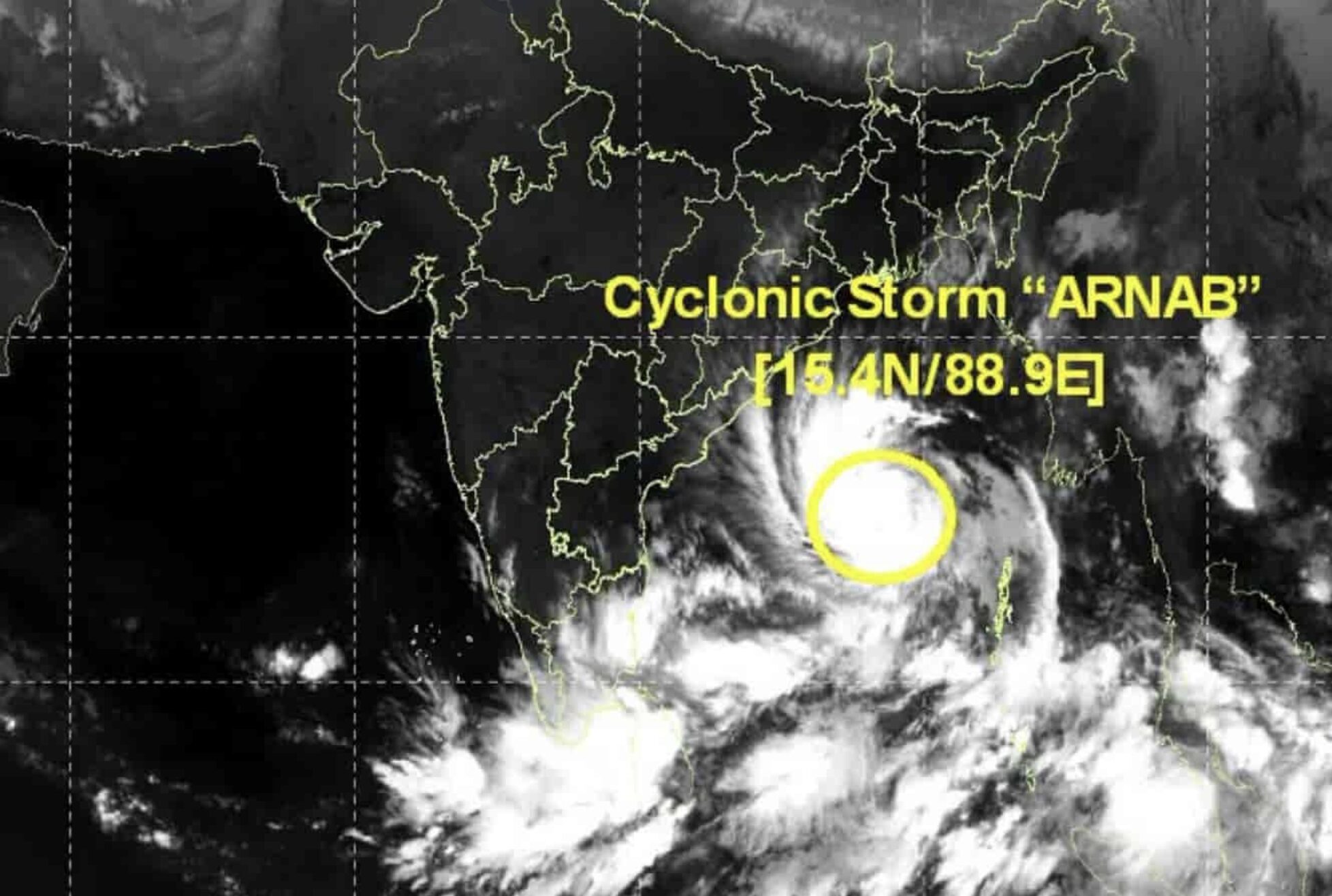
For the second time in just over a month, the Himalayan nation of Nepal finds itself in the crosshairs of a major meteorological disturbance. A developing weather system, officially designated as Cyclone Arnab by the India Meteorological Department, is currently tracking toward the high-altitude terrain of the Himalayas. This incoming storm poses a severe threat to the region, with meteorologists predicting an accumulation of up to two meters of fresh snow, particularly in the high-altitude zones already reeling from the catastrophic weather events of late September. The cyclone is expected to reach landfall and impact Nepal’s mountainous regions between Wednesday and Thursday, intensifying through the remainder of the week.
Chronology of the Crisis
The current atmospheric instability is a continuation of a volatile autumn season. In late September, an intense, unseasonable storm system struck Nepal, abruptly concluding the climbing season on Manaslu. The tragedy of that event was underscored by a devastating avalanche on Himlung, which claimed the lives of 16 base camp staff members. Despite the severity of that event, the climbing season remained officially open, leading several commercial and alpine-style expeditions to persist with their summit pushes.
The arrival of Cyclone Arnab marks a secondary, more localized pressure event. On October 26, satellite data and meteorological reports confirmed the development of a low-pressure front in the Bay of Bengal. By October 27, this front had evolved into a deep depression. The forecast from the Nepal National Mountain Guides Association, supported by the insights of Senior Meteorologist Krishna Bhakta Manandhar, indicates that the leading edge of the cloud system will begin affecting Nepal’s eastern mountain ranges—specifically the Khumbu and Kanchenjunga regions—by October 28. The precipitation is expected to manifest as heavy rain in the lower valleys and dangerous, high-volume snow at altitudes exceeding 6,500 to 7,000 meters.
Meteorological Data and Forecast Analysis
The meteorological mechanics behind Cyclone Arnab suggest a prolonged period of instability. Unlike the transient storms that frequently pass through the Himalayas, this system carries significant moisture from the Bay of Bengal, which, when forced upward by the topography of the Everest, Kanchenjunga, and Manaslu massifs, creates intense orographic precipitation.
Data models currently suggest that the cyclone will maintain its strength as it makes contact with the high peaks, potentially dumping between 1.5 and 2 meters of snow in less than 48 hours. For mountaineers, this is not merely an inconvenience; it represents a life-threatening scenario. The rapid accumulation of snow on top of existing, unstable layers from the September storms creates a high risk of spontaneous, massive slab avalanches. Furthermore, the persistent cloud cover will severely limit visibility, making rescue operations by helicopter—the primary mode of emergency extraction in Nepal—virtually impossible for the duration of the event.
Official Warnings and Local Impact
Authorities, including the Nepal Tourism Board and regional trekking associations, have issued urgent advisories. Climbers and trekkers currently in remote areas have been explicitly told to modify their itineraries and avoid high-altitude mountain passes, which are prone to being buried or rendered impassable.
The situation is particularly dire for those operating without modern communication infrastructure. While many professional expeditions utilize Starlink, satellite phones, or Garmin InReach devices, a significant number of independent trekkers and local logistical crews rely on cellular networks that are frequently disrupted by inclement weather. The vulnerability of these groups, particularly in the Annapurna and Manaslu regions, is exacerbated by the fact that many trails were already severely damaged or washed out by the flooding that followed the September storms.
"The flood cut our planned path and, according to forecasts, the incoming cyclone will leave up to two meters of snow," noted German mountaineer Jost Kobusch. Kobusch, who is preparing for a winter solo attempt on the West Ridge of Everest, is currently stranded in Samagaon, evaluating the safety of his team as the cyclone approaches. His predicament highlights the broader challenge: for elite athletes, the window for proper acclimatization is closing rapidly, while for commercial teams, the priority has shifted from summiting to safe evacuation.
Impact on High-Altitude Expeditions
The current weather window has forced a widespread strategic retreat among elite mountaineering teams. The Russian team currently acclimatizing in the Kanchenjunga region for an ascent of the 7,710-meter Jannu has reported that they are at a critical juncture. Their plan to reach 7,000 meters for acclimatization purposes is now on hold, as safety protocols dictate a descent to lower, more stable base camps ahead of the storm.
Similarly, the Russian expedition attempting the West Ridge of Everest has already retreated to Kathmandu. Team members Andrei Vasiliev, Serguey Kondrashkin, and Vitaly Shipilov have faced significant physiological challenges, including altitude-related lung issues, which, when combined with the deteriorating weather, forced them to abandon their second foray up the mountain. Their inability to push past the 7,500-meter mark, coupled with the incoming cyclone, effectively concludes their attempt for the current season.
Broader Implications for Himalayan Tourism
The frequency of these violent weather events is raising questions about the future of late-season climbing in Nepal. Historically, the post-monsoon window (September to November) was considered the most stable time for climbing. However, the intensity of the 2026 autumn season suggests a shift in climatic patterns that may require a reassessment of seasonal risk management.
The economic and human impact of these storms is profound. The loss of 16 lives on Himlung in September remains a somber reminder of the risks involved in high-altitude work. The fact that the mountain remained open to commercial traffic suggests a misalignment between commercial interests and safety reality—a topic now being debated within the international climbing community. As Cyclone Arnab approaches, the industry is once again forced to weigh the cost of ambition against the reality of a changing climate.
Safety Recommendations for Trekkers and Climbers
For those currently on the ground, the following measures are recommended:
- Immediate Cease of Movement: Avoid all high-altitude passes and glacier crossings until at least 48 hours after the storm has passed.
- Communication Maintenance: Keep all satellite communication devices fully charged and ensure that daily check-in protocols are established with base agencies.
- Logistical Flexibility: Do not attempt to "wait out" the storm in high-altitude camps. If safe to do so, descend to the lowest possible altitude to minimize exposure to wind and avalanche risk.
- Information Verification: Rely exclusively on bulletins from the Nepal National Mountain Guides Association and recognized regional meteorology centers rather than public-facing apps, which may lack the granularity required for Himalayan terrain.
As the region braces for the impact of Cyclone Arnab, the focus for all teams in Nepal remains singular: survival. The next 72 hours will be a test of resilience for both the local infrastructure and the international climbing community as they navigate the volatile, snow-choked slopes of the world’s highest mountains. The events of this week will likely serve as a pivotal case study in the necessity of extreme weather preparedness in an era of unpredictable Himalayan climate shifts.