Navigating Crisis and Recovery: Nepal Urges International Travelers Not to Cancel Trips Following Devastating Floods

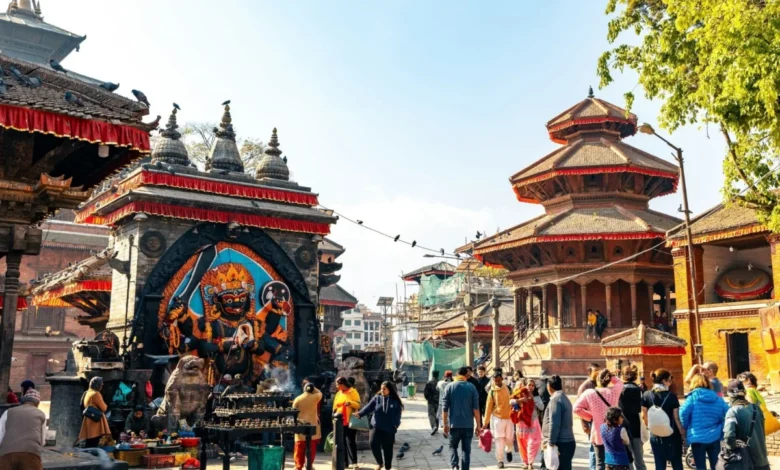
The catastrophic natural disasters that struck Nepal and Tibet in late August have left an indelible mark on the region, triggering massive rescue operations, displacing thousands, and claiming at least 1,386 lives, with thousands more remaining unaccounted for. As the Himalayan nation grapples with the immediate humanitarian fallout and the immense task of restoring critical infrastructure, a secondary crisis looms on the horizon: the economic survival of communities whose livelihoods depend almost entirely on international tourism. In response to a wave of preemptive trip cancellations, the Nepalese government and local tourism boards have launched urgent appeals under banners such as #NepalCalling, urging global travelers to keep their travel plans intact. This delicate balancing act—weighing the safety of visitors and the bandwidth of recovering communities against the absolute necessity of economic continuity—highlights the complex realities of modern disaster recovery in tourism-dependent economies.
Chronology of the Disaster and Immediate Aftermath
The crisis began in late August when unseasonably heavy monsoon rains triggered catastrophic flooding and massive landslides across Nepal and neighboring Tibet. The torrents of water overwhelmed riverbanks, washed away vital bridges, destroyed homes, and cut off entire communities.
- Late August: Heavy, relentless monsoon downpours initiate widespread flash floods and severe landslides across multiple districts in Nepal and Tibet.
- Immediate Post-Disaster Window: Search and rescue teams deploy to isolated areas, prioritizing the preservation of human life, emergency medical care, and the restoration of essential services such as power, clean water, and primary roadways.
- Early September: As search efforts transition into recovery planning, the Nepalese government notices an alarming spike in international travel cancellations. In response, tourism authorities and local operators initiate social media campaigns, including the #NepalCalling movement, to stem the tide of cancellations and clarify that large portions of the country remain open and accessible.
- Late September: Stakeholders, industry leaders, and researchers evaluate the broader economic footprint of the disaster, noting that the psychological barrier of perception poses as significant a threat to recovery as the physical damage itself.
The Economic Lifeline: Tourism in Nepal
To understand why Nepal is fighting so hard to retain its incoming visitors, one must look at the sheer scale of the tourism sector within the national economy. Prior to the disruptions, Nepal’s tourism industry was experiencing a robust resurgence, welcoming nearly 1.16 million foreign tourists last year—its strongest performance since the onset of the COVID-19 pandemic.
Tourism accounts for approximately six to eight percent of Nepal’s total Gross Domestic Product (GDP). More importantly, the sector supports nearly 15 percent of the nation’s total workforce. This equates to roughly one in every seven jobs being directly or indirectly tied to the influx of international travelers. The economic web stretches far beyond luxury hotels in Kathmandu; it encompasses trekking agencies, mountain guides, local porters, family-run teahouses along high-altitude routes, rural transport operators, and handicraft artisans.
When a traveler cancels a trek to the Annapurna region or a wildlife safari in Chitwan due to floods localized elsewhere, the financial shockwaves ripple directly down to individuals who rely on that seasonal income to feed their families through the winter. Consequently, local leaders argue that an unchecked wave of cancellations risks converting a localized environmental disaster into a nationwide economic catastrophe.
The Psychology of Risk and the "Perception Footprint"
A recurring phenomenon in disaster management is the discrepancy between actual physical risk and perceived risk among potential travelers. When international media outlets broadcast dramatic, high-definition footage of flood-ravaged terrain, collapsed bridges, and submerged neighborhoods, viewers thousands of miles away often process the information through a generalized lens: "Nepal is unsafe."
This cognitive distortion creates what disaster management experts define as a "perception footprint"—an area of reputational damage that extends far beyond the geographic boundaries of the actual disaster zone. Nepal experienced this exact phenomenon a decade prior during the devastating 2015 Gorkha earthquakes, which tragically claimed over 8,800 lives. In the immediate aftermath of that seismic event, international tourist arrivals plummeted by 32 percent in 2015 compared to the previous year.

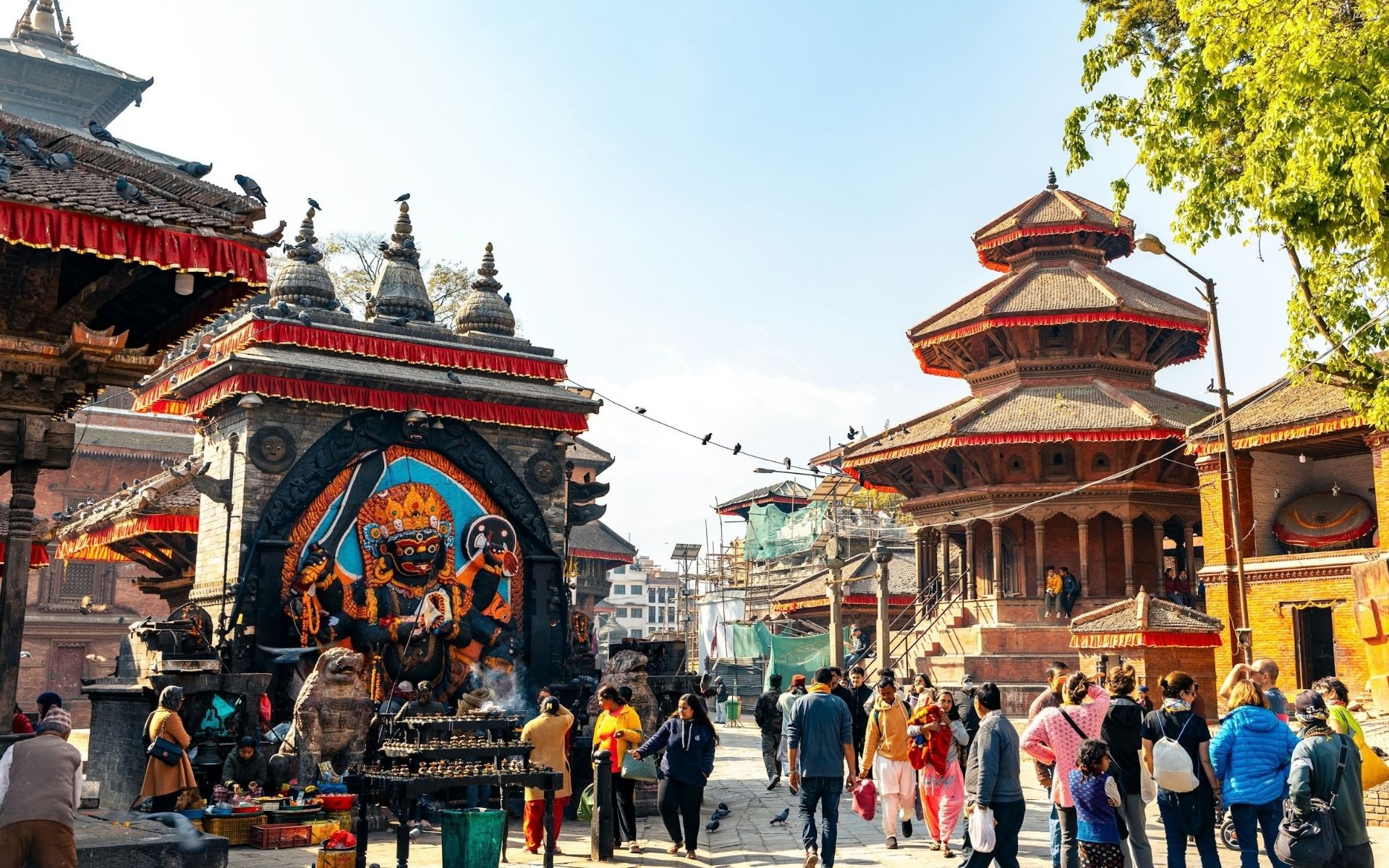
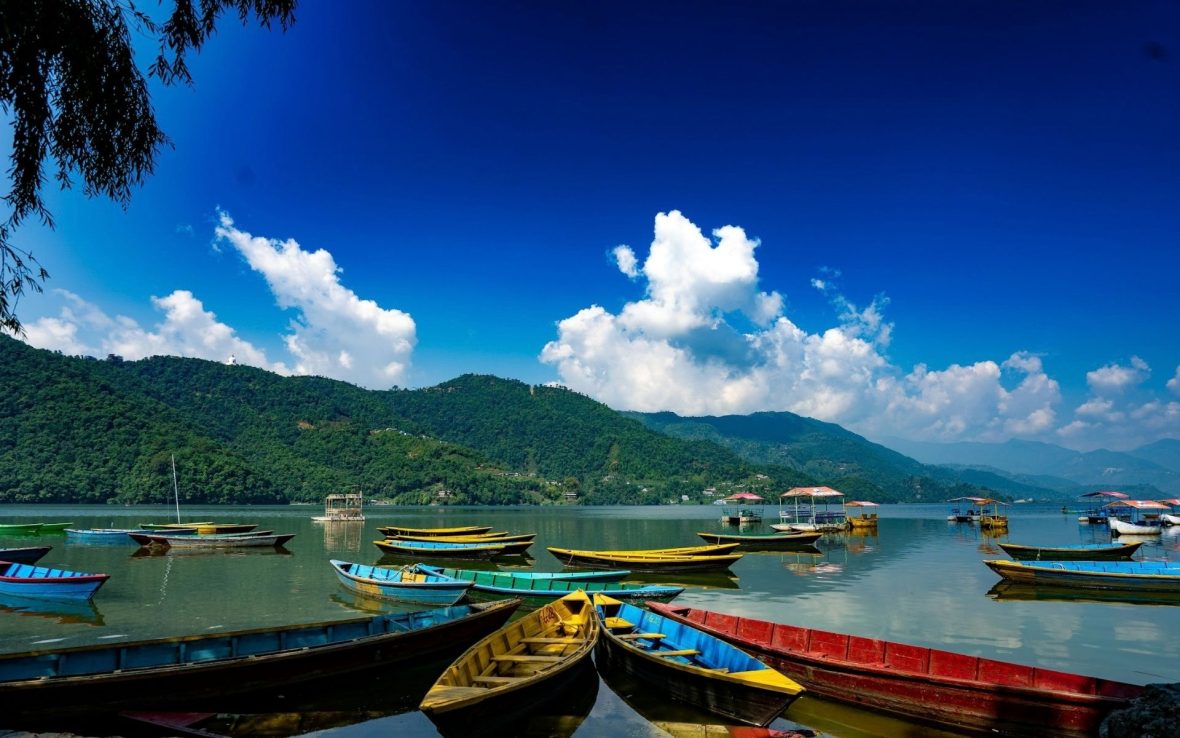
Crucially, this drop occurred even though major tourism hubs—such as Pokhara in the Himalayan foothills and Chitwan National Park—sustained little to no structural damage and remained fully operational. Images of historic temples crumbling in Kathmandu Valley painted a misleading picture of a nation entirely in ruins. It required a concerted, multi-year promotional effort by Nepalese authorities, leveraging international media and early-adopting travelers’ social media platforms, to rebuild confidence and eventually drive visitor numbers to a then-record 940,000 by 2017.
Lessons from Global Disasters: Queensland and Beyond
The challenges facing Nepal are by no means unique. Similar patterns have been documented globally following major natural catastrophes. In 2011, catastrophic floods struck Queensland, Australia, claiming 33 lives and inundating an area comparable to the combined landmass of France and Germany.
Academic studies involving thousands of potential tourists in the wake of the Queensland floods revealed a distinct psychological dilemma: while many travelers expressed a strong desire to visit regions to support economic recovery, they were paralyzed by uncertainty regarding whether their presence would drain local resources or place them in harm’s way.
Research into these behavioral patterns indicates that tourism recovery strategies must be highly targeted. For destinations attempting to jumpstart their visitor economy in the wake of a crisis, marketing campaigns yield the highest conversion rates when directed at seasoned repeat visitors or individuals with pre-existing personal ties—such as those visiting friends and relatives (VFR travelers). Because these groups possess a deeper, more accurate understanding of local conditions and geography, they are significantly more resilient to generalized media panic and are far quicker to return once basic safety is re-established.
Striking the Balance: Timing, Infrastructure, and Transparent Communication
Despite the urgent need for economic revival, tourism experts and government officials emphasize that encouraging travelers to return must be managed with extreme caution. Reopening a region prematurely can introduce unnecessary risks to tourists while placing an undue burden on local infrastructure and emergency services that must remain prioritized for displaced residents and ongoing reconstruction.
Achieving this balance requires rebuilding traveler confidence through absolute transparency and credible, real-time information. As Nepal progresses through its recovery phases, prospective visitors require clear, verified updates concerning:
- The operational status of specific trekking routes, national parks, and cultural heritage sites.
- The reliability and safety of domestic transportation networks, including domestic airports and major highways.
- The availability of healthcare infrastructure and accommodation facilities in regional hubs.
- Official guidance and travel advisories issued by foreign governments, such as the United States State Department, Australia’s Smartraveller, and New Zealand’s SafeTravel platforms.
Nepalese authorities are currently utilizing targeted digital communication strategies, including the widespread dissemination of verified travel advisories and user-generated content tagged with #NepalCalling, to ensure accurate, localized updates reach the global stage.
Ultimately, the challenge facing Nepal extends far beyond declaring the country officially "open for business." Success depends on precision—communicating transparently about which specific communities are fully prepared to welcome guests, and ensuring that the return of tourism acts as a catalyst for community resilience rather than an additional complication to an ongoing recovery effort.