Oregon Deputy Follows Single Bare Footprint in Snow to Rescue Hiker Lost for Four Days Along the Pacific Crest Trail

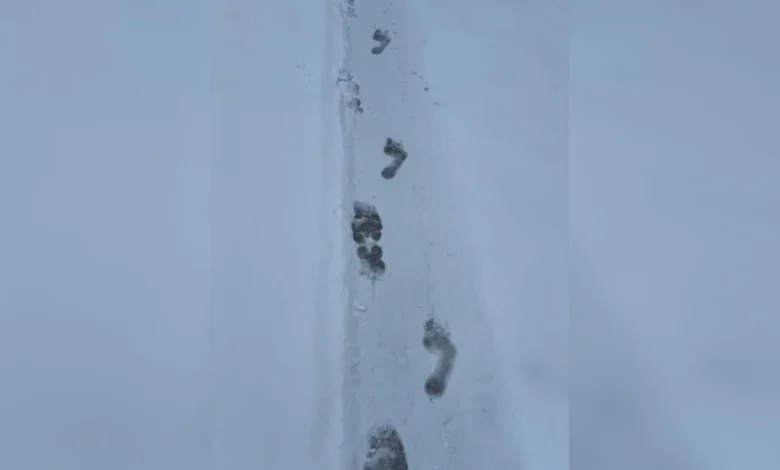
The unforgiving wilderness of the Pacific Northwest claimed a near-tragedy late last month, averted only by the sharp observation and persistence of a veteran law enforcement officer. A hiker who had endured four harrowing days lost in freezing conditions along the Pacific Crest Trail (PCT) in Oregon was rescued on October 30, 2026, after a Marion County Sheriff’s Office deputy noticed an anomalous trail in the snow: one impression left by a standard hiking boot, and the other by a bare foot.
The rescue, executed near Breitenbush Lake in the northern stretches of the Cascade Range, highlights both the rapid onset of hazardous shoulder-season weather in high-elevation environments and the critical importance of preparedness in backcountry settings. The survivor, whose identity has not been publicly released by authorities, was suffering from advanced hypothermia and severe frostbite when he was finally reached. He is currently recovering following emergency medical intervention.
The Discovery and Five-Mile Pursuit
The operation began on the afternoon of October 30, when Marion County Sheriff’s Office Forest Patrol Deputy Derrick Ramseyer was conducting routine patrols near Mile 2039.4 of the PCT, in the vicinity of Breitenbush Lake. During his sweep of the area, Ramseyer intercepted a set of tracks pressed into the fresh snowpack.
Upon closer inspection, the deputy recognized a deeply concerning detail: while one print clearly displayed the lugged outsole of a hiking boot, the alternating print was unmistakably bare. Recognizing the acute peril facing anyone walking shoeless through sub-freezing alpine snow, Ramseyer initiated a tracking effort to locate the individual before exposure proved fatal.
Over the course of the afternoon, the deputy followed the erratic tracks for nearly five miles across rugged, snow-dusted terrain. The trail ultimately led investigators to Forest Service Road 4220. There, sheltered inside a sleeping bag in a desperate bid to stave off the elements, sat the missing hiker.
According to the Marion County Sheriff’s Office, Ramseyer immediately coordinated an emergency response. The hiker was transported swiftly to the nearby community of Detroit, Oregon, where waiting emergency medical services personnel stabilized him and initiated treatment for severe environmental exposure.
Chronology of the Ordeal
While official reports indicate the rescue concluded on October 30, the timeline leading up to the discovery underscores the rapid deterioration hikers can experience when stranded without adequate gear or communication tools.
- October 26, 2026: The hiker is believed to have become lost or disoriented along the northern sections of the PCT in Oregon, encountering deteriorating weather conditions as an early-season cold front swept through the Cascades.
- October 26 – October 29: Over the span of four days, the victim remained unaccounted for in the rugged wilderness. During this period, temperatures at higher elevations plummeted well below freezing, accompanied by accumulating snowpack. At some point during the ordeal, the hiker lost one of his shoes—a dangerous occurrence that severely impeded mobility and accelerated the onset of frostbite.
- Afternoon of October 30: Deputy Derrick Ramseyer, a 19-year veteran of the Marion County Sheriff’s Office, encounters the mismatched footprints near Breitenbush Lake while on routine forest patrol.
- Late Afternoon, October 30: After tracking the prints for approximately five miles, Ramseyer locates the hypothermic man inside a sleeping bag near Forest Service Road 4220.
- Evening of October 30: The victim is evacuated to Detroit, Oregon, and handed over to medical professionals for critical care related to hypothermia and frostbite.
Environmental Hazards and Weather Data
The region surrounding Breitenbush Lake and the broader Cascade Range presents severe challenges to late-season recreationists. As autumn transitions into winter, high-elevation weather systems can shift within a matter of hours, dropping temperatures drastically and blanketing trails in disorienting snowpack.
Data from the regional weather monitoring network illustrates the harsh conditions the hiker faced. On October 30, the Boulder Creek weather station—situated approximately 13 miles from Breitenbush Lake and located roughly 2,000 feet lower in elevation than the highest points of the local PCT stretch—recorded a low temperature of 31 degrees Fahrenheit. At the higher elevations where the rescue occurred, ambient temperatures were significantly lower, and wind chill factors compounded the risk of rapid-onset hypothermia.
Search and rescue professionals note that hypothermia can impair cognitive function long before physical incapacitation occurs. This physiological decline frequently leads to poor decision-making, such as shedding clothing or footwear, which further endangers the victim.
The Phenomenon of "Shoe-Eating" Snowpack
The circumstance of the hiker missing a shoe is an unusual detail, yet emergency wilderness crews report that losing footwear in cold environments is more common than the general public realizes. Soft, deep snowpack—particularly during shoulder seasons when early snow accumulates over muddy or unfrozen ground—frequently acts as a trap.
When a hiker steps into deep drift or saturated pockets beneath snow crust, suction forces can easily pull a boot completely off the foot. In panic situations, or when an individual is already suffering from cognitive decline due to cold exposure, retrieving a lost shoe is frequently impossible.
A similar seasonal hazard drew national attention in April 2023, when rescue teams in Colorado were forced to respond to three separate incidents within a single week on Quandary Peak. In those cases, hikers lost their footwear in unstable, post-holing snow conditions, leaving them stranded, frostbitten, and unable to hike out independently. Industry experts frequently refer to this environmental hazard as the "snowpack eating shoes" phenomenon.
Official Responses and Public Safety Reminders
In the wake of the incident, the Marion County Sheriff’s Office commended the decisive actions of Deputy Ramseyer, stating publicly that his vigilance "likely saved the man’s life." Officials emphasized that the rescue serves as a stark reminder of the unpredictable nature of wilderness environments.
Law enforcement and backcountry safety organizations continue to urge all hikers, backpackers, and outdoor enthusiasts to adhere strictly to foundational safety protocols when venturing into remote terrain during transitional weather months:
- Carry Emergency Communication Devices: Independent satellite messengers, such as Garmin inReach devices or personal locator beacons (PLBs), allow recreationists to summon help immediately, bypassing the limitations of cellular service in remote mountain ranges.
- Monitor Weather Projections: Mountain weather differs substantially from valley forecasts. High-elevation zones are subject to sudden drops in temperature, high winds, and unexpected precipitation.
- Pack the Ten Essentials: Adequate layering, waterproof outer shells, emergency shelter, and extra provisions are vital when conditions deteriorate unexpectedly.
- Travel with Companions: Whenever possible, avoid solo trekking in remote areas during shoulder seasons, as having a partner significantly increases the likelihood of a rapid, coordinated response if an emergency arises.
As the rescued hiker continues his recovery, local authorities hope that public awareness of the incident will prompt greater caution among those seeking to experience Oregon’s wilderness trails during the challenging autumn and winter months.