The Art of the Alpine Fondue: Expert Techniques and Equipment for the Modern Home Chef

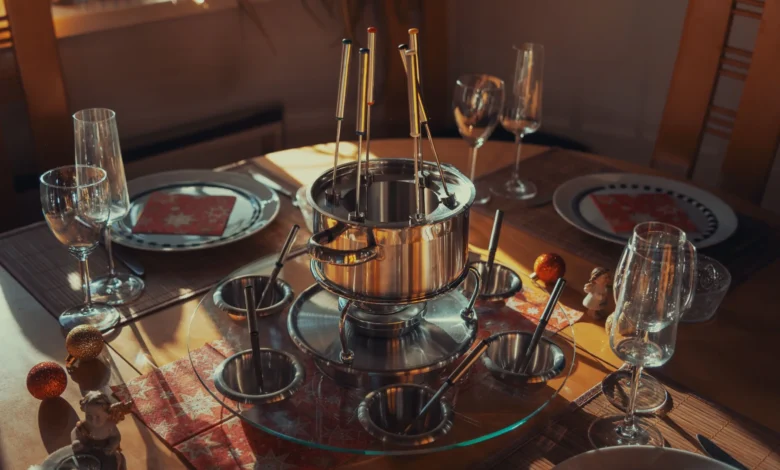
Fondue has long been associated with Alpine winters, particularly in mountain resorts where it remains a celebrated part of the après-ski experience, but the tradition of communal, molten-cheese dining has evolved far beyond the slopes of Gstaad or Verbier. While the dish is synonymous with Swiss cultural identity, its global appeal has cemented it as a centerpiece of sophisticated home entertaining. Recreating the authentic Alpine experience requires a confluence of high-quality ingredients, precise temperature management, and the proper hardware, transforming a simple meal into a refined gastronomic event.
A Brief History of the Swiss National Dish
The origins of fondue—derived from the French verb fondre, meaning "to melt"—trace back to the 18th century in the mountainous regions of Switzerland and the Savoie region of France. Initially, it was a practical solution for farmers who, during the harsh winter months, relied on stored, hardened cheese and stale bread. By melting the cheese with wine, they created a hearty, nutritious meal that could be shared by the entire family.
The dish gained international prominence during the 1940s when the Swiss Cheese Union (Schweizerische Käseunion) began aggressively marketing fondue as a national specialty to bolster cheese consumption. By the 1964 New York World’s Fair, the Swiss pavilion introduced fondue to a broader American audience, transforming it from a peasant staple into an upscale social ritual. Today, it stands as a pillar of culinary heritage, protected by various AOP (Appellation d’Origine Protégée) standards that ensure the authenticity of the cheeses used.
The Science of the Perfect Melt
Achieving the quintessential fondue consistency—smooth, velvety, and thick enough to coat a crusty baguette—is a process grounded in food chemistry. Francesco de Bartolomeis, executive chef at The Alpina Gstaad, emphasizes that the integrity of the dish is entirely dependent on the choice of cheese.
"The secret to an excellent fondue lies in using high-quality, authentic, and well-aged cheeses," says de Bartolomeis. He advocates for the classic Swiss blend of equal parts Gruyère AOP and Vacherin Fribourgeois AOP. The Gruyère provides a deep, nutty complexity and the necessary structural integrity, while the Vacherin Fribourgeois—a semi-soft cheese—contributes the signature creaminess required for a luxurious mouthfeel.
Beyond tradition, modern cheesemongers suggest that home chefs can experiment with different flavor profiles. Georgia Hollands of Neal’s Yard Dairy recommends incorporating washed-rind cheeses, such as the Somerset-based Ogleshield, which is prized for its superior melting properties. By blending this with sharp Montgomery’s cheddar or Irish varieties like Gubbeen and Durrus, a chef can create a complex, multi-layered flavor profile that challenges the traditionalist approach while maintaining the functional requirements of a classic fondue.
Common Pitfalls and Technical Execution
The preparation of fondue is often misunderstood as a simple "melt and serve" process, but the technical risks are significant. The most common error involves the use of pre-grated industrial cheese. These products often contain anti-caking agents, such as cellulose or potato starch, which prevent the cheese from emulsifying properly, often resulting in a grainy or clumpy texture.
"Fondue should be heated gently and never allowed to boil," warns de Bartolomeis. If the temperature exceeds a specific threshold, the proteins in the cheese denature and the fats begin to separate, leading to a broken emulsion—a watery, oily mess that cannot be corrected. Furthermore, the ratio of dry white wine to starch (usually cornstarch or potato starch) is critical. The starch acts as a stabilizer, preventing the cheese from clumping by keeping the proteins suspended within the wine and fat. Insufficient starch will lead to a thin, runny consistency, while an excess can render the mixture pasty.

The professional process involves three distinct phases:
- The Base: Rubbing the interior of the caquelon (the traditional pot) with a garlic clove to impart a subtle aromatic layer.
- The Emulsification: Slowly heating the wine and integrating the grated cheese in stages while stirring in a figure-eight motion.
- The Maintenance: Transferring the pot to a controlled heat source, such as a tea light or gel burner, to maintain a temperature between 140°F and 160°F.
The Hardware of Luxury: Selecting a Fondue Set
The caquelon is the heart of the fondue experience. Historically crafted from ceramic, which provides gentle heat distribution, modern iterations often favor enamelled cast iron. Cast iron is preferred for its exceptional thermal mass and durability, ensuring that the cheese maintains a consistent temperature throughout the duration of a long, conversational meal.
Industry experts and chefs frequently cite Le Creuset as a gold standard. The brand’s signature cast-iron sets are favored for their enamelled interior, which prevents sticking and allows for easy cleaning, and their ability to move seamlessly from the stovetop to the dining table.
For those seeking an elevated aesthetic, the market offers high-end options that blend utility with artisanal craftsmanship. The Mauviel M’150S Fondue set, for example, utilizes a copper exterior, which is globally recognized for its superior thermal conductivity. Since 1830, the Mauviel atelier in Villedieu-les-Poêles has refined the production of copper cookware, and this specific set offers precise temperature control for the discerning chef.
Alternatively, the Lorenzi Milano Stag Antler Fondue Set represents the intersection of luxury design and culinary tradition. Based in a historic Milanese atelier, the company utilizes sustainably sourced stag antler for its fork handles, paired with a matte black cast iron pot. Such items are designed not merely as kitchen tools, but as heirloom-quality centerpieces for the dining room.
Broader Implications and Culinary Trends
The resurgence of fondue in the home kitchen aligns with a broader trend toward "slow dining" and the re-emergence of interactive meal preparation. In an era dominated by convenience and delivery culture, the act of preparing a communal fondue requires time, attention to detail, and a pause in the pace of modern life.
Data regarding the specialty cheese market suggests that interest in high-quality, artisanal aged cheeses continues to climb. Retailers have noted that consumers are increasingly seeking provenance and authenticity, moving away from mass-market options toward products with protected status. This shift directly benefits the small-scale producers of Gruyère and other traditional Alpine cheeses, whose livelihoods depend on the sustained demand for these time-honored ingredients.
Furthermore, the environmental impact of home-prepared, locally sourced, and traditional meals is generally lower than that of processed convenience foods. By selecting high-quality, authentic ingredients and investing in durable equipment, consumers are participating in a sustainable culinary cycle. The durability of a cast-iron set from a reputable manufacturer like Staub or Le Creuset means the product will last for decades, reducing the waste associated with disposable or low-quality cookware.
Conclusion
The preparation of a successful fondue is an exercise in restraint and technique. By respecting the chemical requirements of the cheese, utilizing high-quality equipment, and adhering to the traditional methods established by Alpine chefs, the home cook can elevate a simple communal dish into an sophisticated dining experience. Whether one chooses to strictly follow the classic Gruyère and Vacherin blend or to explore the contemporary nuances of artisanal cheddar and washed-rind varieties, the essence of the meal remains unchanged: it is an act of shared sustenance that prioritizes quality, patience, and the conviviality of the table. As the market for luxury culinary goods continues to mature, the tools and ingredients available to the home chef have never been more refined, making the Alpine tradition more accessible than ever before.