Why Autumn is Peak Spider Season on North American Hiking Trails and What It Means for Outdoor Enthusiasts

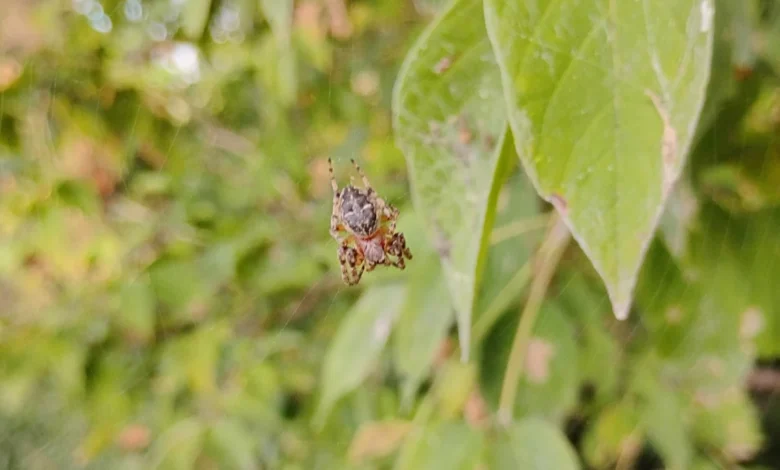
Hikers across the Northern Hemisphere stepping onto forest paths and backcountry trails this autumn are encountering a sharp increase in eight-legged wildlife, a seasonal phenomenon confirmed by entomologists and arachnid experts. From the dense underbrush of the Ice Age National Scenic Trail in Wisconsin to local trail networks across the United States, orb-weaver webs and ground-dwelling wolf spiders have become ubiquitous features of the fall landscape. While the sudden abundance of arachnids often triggers discomfort or hesitation among outdoor recreationists, wildlife biologists and trail organizations emphasize that this annual surge is a natural, predictable part of the seasonal transition. Rather than signaling an overpopulation or an ecological anomaly, the autumn spike in spider visibility is driven by distinct biological milestones: the culmination of a summer’s worth of growth and the onset of peak mating season. Understanding the science behind these behaviors helps reframe spiders not as trail hazards, but as vital components of a functioning autumnal ecosystem.
The biological mechanisms governing spider visibility follow a strict seasonal timeline that begins in the early spring and reaches its crescendo in the autumn months. During the spring thaw and early summer, spider populations hatch or emerge from overwintering sites as microscopic spiderlings. Throughout the warm months, these juvenile arachnids feed voraciously on abundant insect populations, including mosquitoes, flies, and gnats. This consistent dietary intake fuels rapid physiological development. By late August and September, a significant portion of these populations reaches full adult size. Consequently, orb-weavers, funnel-web spiders, and other species construct larger, more intricate webs that span trail corridors, making them far more conspicuous to hikers than their smaller, spring-season counterparts.
Simultaneously, autumn triggers the reproductive cycle for numerous terrestrial spider species. Adult male spiders, driven by biological imperatives to locate prospective mates, abandon their hidden retreats and wander extensively across the forest floor and open terrain. This heightened mobility increases the frequency of encounters with humans. Ground-dwelling wanderers, such as wolf spiders and grass spiders, are particularly prone to crossing paths with hikers during this period. According to invertebrate specialists at institutions such as the Butterfly Pavilion in Westminster, Colorado, this combination of maximum body size and migratory mating behavior creates the illusion of a sudden population explosion, even though total population numbers may remain relatively stable compared to mid-summer peaks.
Despite the visceral reactions often elicited by unexpected encounters with large arachnids, medical and wildlife authorities stress that the vast majority of North American spider species pose no threat to human health. Out of the thousands of species inhabiting the continent, only a select few possess venom potent enough to warrant medical attention. Among these, the brown recluse and the black widow are the most notable. However, the likelihood of encountering either species while actively hiking on an open trail is exceptionally low. Brown recluses are predominantly synanthropic, meaning they thrive in human-altered environments and are almost exclusively found inside dark, undisturbed indoor spaces such as basements, attics, and woodpiles. They rarely inhabit natural backcountry environments and have little incentive to venture onto exposed trails.
Black widows, while occasionally found in outdoor settings, are similarly disinclined to interact with humans. These timid arachnids prefer sheltered, dark microhabitats, such as hollow logs, rock crevices, and human-constructed infrastructure like backcountry privies, trail shelters, and concrete underpasses. When confronted by vibrations or the approach of a large animal, black widows and other native spiders consistently choose flight over fight, attempting to retreat rapidly to the safety of a crevice or dense cover. Documented bites typically occur only when a spider is inadvertently trapped against human skin, such as when someone puts on a glove or shoe left on the ground, or directly handles the animal without protective gear.
The economic and ecological implications of autumn spider activity extend far beyond the temporary inconvenience faced by hikers. As apex invertebrate predators, spiders play an indispensable regulatory role in forest and grassland biomes. By consuming vast quantities of agricultural and forest pests, including biting insects and herbivorous arthropods, spiders provide a critical ecosystem service that helps maintain ecological balance. Their presence during the autumn months correlates with the final push of insect activity before winter dormancy, ensuring that prey populations remain controlled. For outdoor recreation economies, managing public perception regarding wildlife—including misunderstood creatures like spiders—is essential for sustaining participation in hiking and trail-based tourism during the shoulder seasons.
Land management agencies and outdoor advocacy groups have increasingly focused on public education to mitigate unfounded fears and promote coexistence with local wildlife. Interpretive programs at state and national parks frequently highlight the ecological importance of arachnids, encouraging hikers to view trailside webs and wandering spiders through an ecological lens rather than a fearful one. Trail maintenance protocols also account for seasonal changes, though clearing every web from a multi-mile backcountry route remains impractical. Consequently, outdoor organizations advise hikers to adopt simple preventative measures, such as using trekking poles to clear low-hanging webs across narrow paths, wearing appropriate footwear, and inspecting gear left unattended overnight in shelters or campgrounds.
As autumn progresses toward winter, the visible abundance of spiders will naturally decline. As temperatures drop below freezing, most annual spider species complete their life cycles, leaving behind egg sacs secured in protected microclimates to overwinter until the following spring. Perennial species will seek deep subterranean shelter, greatly reducing their surface activity. For the outdoor community, the annual autumn spider season serves as a reminder of the dynamic, interconnected nature of wild spaces. By replacing apprehension with curiosity, hikers can continue to enjoy the visual splendor of changing foliage and crisp autumn air, viewing every leggy trail companion as an integral thread in the complex tapestry of the seasonal wilderness.