The Art of the Slow Gallery Tour: Why Three Helsinki Museums Are the Perfect Number for an Immersive Cultural Experience

The conventional approach to urban tourism often resembles a high-speed logistical exercise: travelers map out five or six cultural institutions, sprint through marble halls, and attempt to document their presence with a rapid succession of photographs before moving to the next location. In Helsinki, where the concentration of world-class art and design is exceptionally dense, this "checklist" strategy frequently results in cognitive fatigue and a failure to meaningfully engage with the exhibits. A growing consensus among cultural historians and local guides suggests a more refined methodology: the "three-museum limit." By curating an itinerary of exactly three institutions, visitors can embrace the Finnish concept of rauhassa—a state of peace and unhurried focus—that allows for a deeper, more intellectual engagement with the city’s artistic heritage.
The Cultural Landscape of Helsinki’s Museum District
Helsinki serves as a primary hub for Nordic art, with a high concentration of institutions situated within the immediate vicinity of the city center. The pedagogical benefits of limiting one’s daily itinerary are backed by the psychological reality of "museum fatigue," a phenomenon where the brain’s ability to process visual and historical data degrades after approximately two to three hours of exposure.
The city’s infrastructure supports a walkable, contemplative pace. The proximity of the Ateneum Art Museum, Kiasma Museum of Contemporary Art, and the subterranean Amos Rex creates a natural "art loop." By focusing on this triad, a visitor is not merely consuming art as a commodity but is tracing the evolution of Finnish identity from the romantic nationalism of the late 19th century to the boundary-pushing contemporary discourse of the 21st century.
Morning Chronology: The Ateneum and the Foundations of Finnish Identity
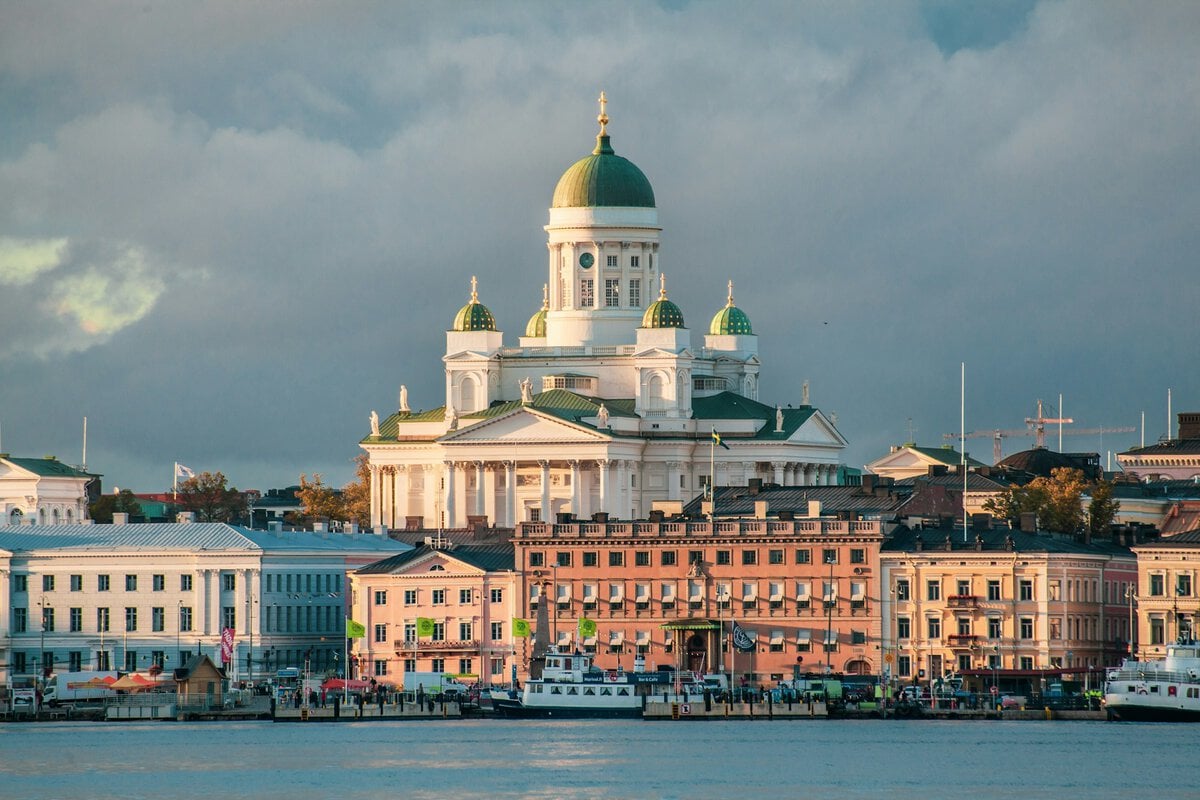
The most logical point of departure for any cultural exploration in Helsinki is the Ateneum. Located adjacent to the Helsinki Central Station, the building itself is a masterpiece of Neo-Renaissance architecture. As the primary component of the Finnish National Gallery, the Ateneum houses the largest collection of classical art in the country.
A morning visit is recommended for logistical and cognitive reasons. The galleries are generally quieter during early hours, allowing for an uninterrupted interaction with iconic works by Akseli Gallen-Kallela, whose depictions of the Kalevala epic formed the visual bedrock of the Finnish national identity. Visitors also encounter the works of Helene Schjerfbeck, whose mastery of modernism offers a poignant contrast to the grand scale of the national romanticists.
Current institutional data suggests that visitors who engage with the Ateneum’s curatorial staff often report higher levels of satisfaction. Unlike automated audio guides, a brief inquiry with the information desk regarding current thematic focuses can provide a tailored perspective on the collection, turning a passive viewing experience into a directed educational session. The museum’s operational schedule remains consistent, generally opening at 10:00 a.m. with extended hours on Wednesday and Thursday evenings.
The Midday Transition: From Classical Tradition to Contemporary Critique
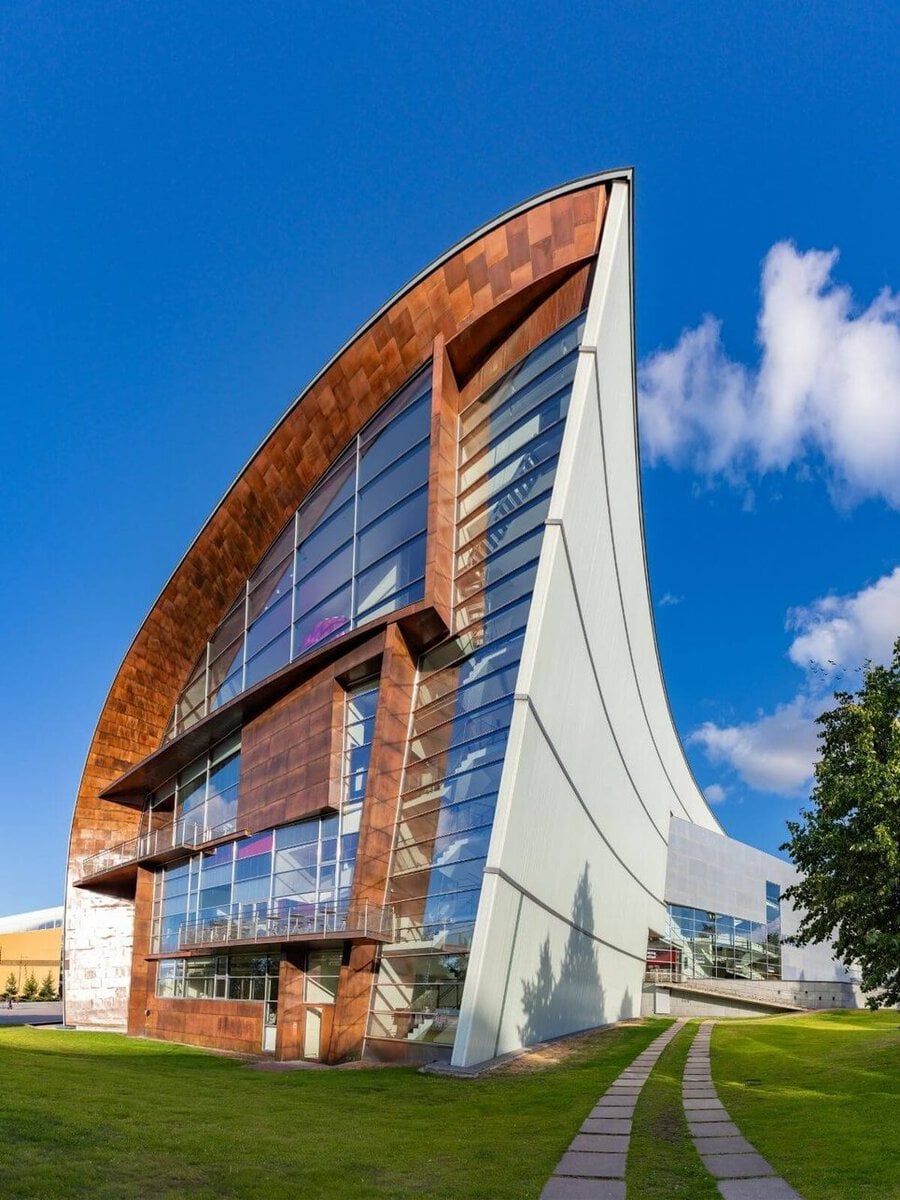
After a three-hour engagement at the Ateneum, a five-hundred-meter walk towards Kiasma offers more than just transit; it provides a necessary transition period. Moving from the traditional, ornament-rich environment of the Ateneum into the radical, light-filled geometry of Steven Holl’s Kiasma architecture acts as a sensory "reset."
Kiasma represents a sharp departure in both form and intent. As the center for contemporary art, its mission is to facilitate dialogue regarding current global and local issues. The contrast between the two institutions is intentional: where the Ateneum chronicles the past, Kiasma questions the present. For the traveler, this shift is critical. By limiting the morning to one site, the visitor arrives at the second with the mental bandwidth to appreciate the complexities of avant-garde installations, video art, and performance pieces that define the contemporary scene.
The Afternoon Conclusion: Strategic Curation and Rest
The practice of rauhassa mandates a structured intermission. The culture of the "museum café" in Helsinki is not an auxiliary service but an integral part of the visitor experience. These spaces provide the necessary downtime to synthesize the morning’s observations. Following this pause, the visitor is positioned to engage with a third site.
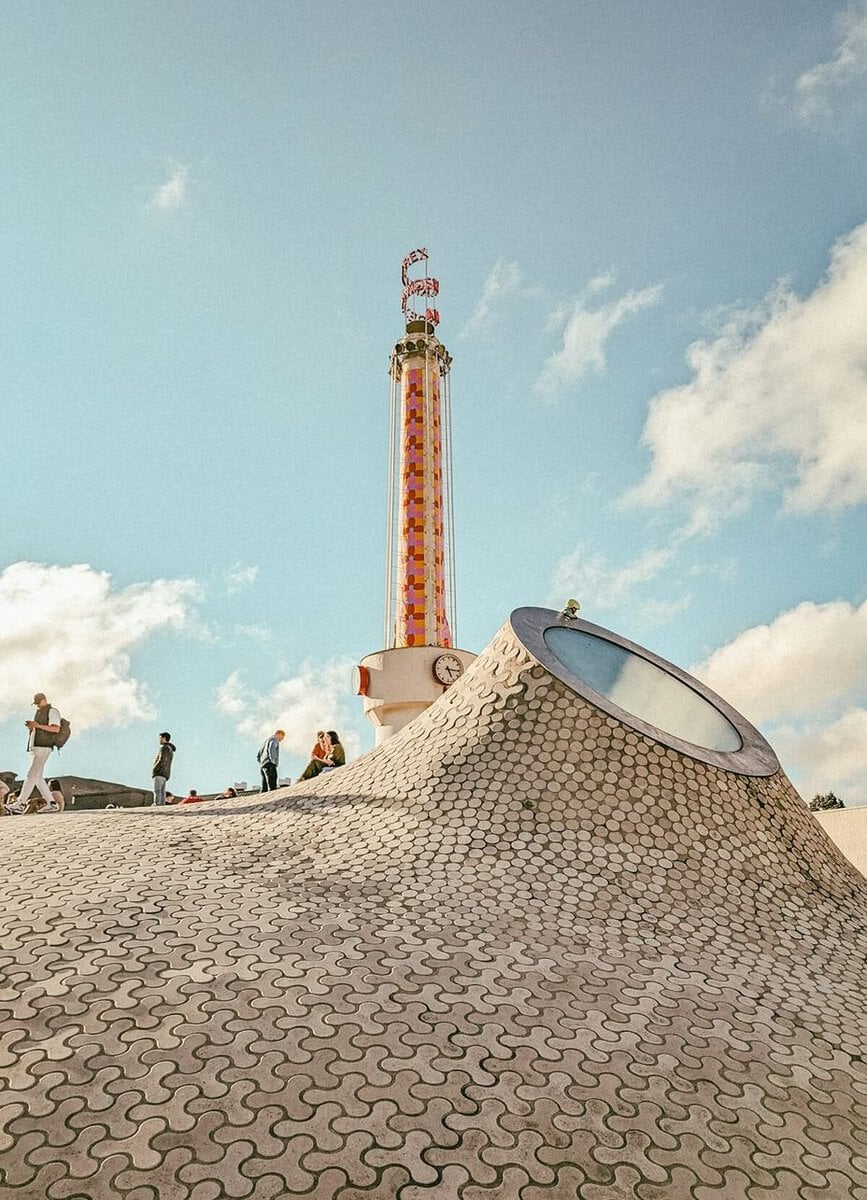
The choice between the Architecture and Design Museum or the innovative, subterranean space of Amos Rex allows the visitor to personalize their cultural narrative. Amos Rex, in particular, has redefined the city’s urban space with its domed skylights and flexible exhibition areas, proving that even a third stop can be as intellectually stimulating as the first, provided the visitor has not exhausted their capacity for discovery.
Analyzing the Value Proposition: Museum Cards vs. Individual Admission
A frequent point of debate among international visitors is the cost-benefit analysis of the various city passes. It is a common misconception that the Museum Card—a nationwide pass valid for 12 months—is automatically the most economical choice for a short-term visitor.
Data shows that for a one-day, three-museum itinerary, the cost of individual admission or day-specific tickets often aligns closely with the price of a multi-day pass. The Museum Card is designed primarily for residents or long-term visitors who intend to utilize the pass over several months across various cities in Finland. Conversely, the Helsinki Card provides broader utility, bundling museum entry with public transport and sightseeing, which may appeal to those who plan to utilize the city’s extensive tram and bus network.
Before purchasing, travelers are advised to conduct a "math-first" approach: calculate the entry fees for the specific three institutions intended for the visit. If the total is lower than the price of a multi-day pass, the individual ticket remains the more logical and fiscally responsible choice.
Practical Considerations and Environmental Factors
Helsinki’s climate necessitates a practical approach to attire. The city is subject to rapid meteorological shifts, particularly in the shoulder seasons. The "three-museum" route is largely indoors, but the brief walks between locations expose visitors to the elements. The standard recommendation is a layered clothing strategy. This ensures comfort in the climate-controlled environment of the galleries while providing the necessary insulation during transitions between buildings.
Furthermore, the logistical ease of this route—entirely within walking distance—negates the need for taxis or complex transit planning, effectively reducing the "travel friction" that often plagues urban vacations. By removing the stress of navigating transit systems, the visitor is free to maintain a calm, observational disposition.
Broader Implications for Sustainable Tourism
The "three-museum" approach aligns with the broader goals of sustainable tourism in the Nordic region. By encouraging visitors to spend more time in fewer locations, the strain on gallery staff and infrastructure is managed, and the quality of the individual experience is significantly elevated. This method moves away from the "checklist" culture that treats cities as a series of backdrops for social media content, and instead treats Helsinki as a destination for cultural immersion.
Ultimately, the goal of a museum day should not be the quantity of buildings entered, but the clarity of the impressions left behind. Whether one concludes the day at the historic Architecture and Design Museum or the modern marvel of Amos Rex, the three-museum limit ensures that the visitor leaves with a coherent understanding of the Finnish artistic narrative. By choosing depth over breadth, the traveler respects both the city’s cultural heritage and their own capacity for wonder.