Elevating the London Experience: A Comprehensive Guide to the London Eye Afternoon Tea

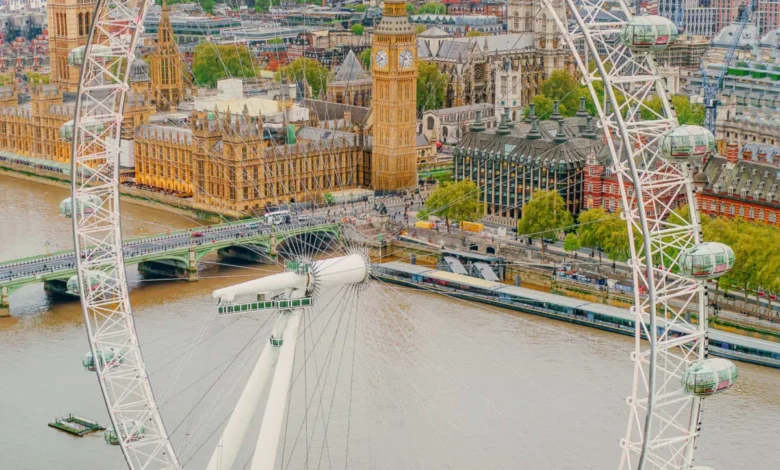
The London Eye has solidified its position as a cornerstone of the capital’s tourism infrastructure, evolving from a temporary structure built for the Millennium celebrations into a permanent, iconic architectural fixture on the South Bank of the River Thames. Managed by the Merlin Entertainments group, this cantilevered observation wheel has transitioned beyond its primary function as a scenic viewpoint to become a versatile venue for bespoke hospitality experiences. Among these, the London Eye Afternoon Tea service has emerged as a significant premium offering, blending the traditional British culinary ritual with an elevated vantage point of the city’s urban landscape.

Historical Context and Operational Evolution
Commissioned to commemorate the turn of the millennium, the London Eye—officially known as the Lastminute.com London Eye—began operation in March 2000. Designed by the architectural team of Julia Barfield and David Marks, the structure reaches a total height of 135 meters. Initially conceived as a five-year project, the wheel’s immediate commercial success and cultural popularity led to it being granted permanent planning permission.

Over the past two decades, the operational model of the attraction has shifted from standard tourist rotations to a diversified portfolio of experiences. The introduction of private pod bookings and themed events, such as the Afternoon Tea service, reflects a broader trend in the attractions industry: the "premiumization" of standard sightseeing to increase average spend per head and cater to a demographic seeking exclusivity.
The Logistics of the Premium Afternoon Tea Service

The London Eye Afternoon Tea is not merely an add-on to a standard ticket but a curated VIP service. Participants are granted access to a private lounge prior to departure, a departure from the standard queueing system used by the general public. This logistical adjustment is designed to enhance the perception of value and provide a seamless transition from the ground to the observation pod.
A critical operational constraint for this experience is the rotational speed of the wheel. The London Eye completes one full rotation approximately every 30 minutes. The Afternoon Tea package provides for two full rotations, ensuring that guests remain within the pod for a full hour. This timeframe is strategically calculated to allow for the consumption of the meal while providing sufficient time for photography and observation.

Technical and Culinary Specifications
The Afternoon Tea service adheres to traditional British standards, featuring a tiered selection of finger sandwiches—typically including cucumber, coronation chicken, and smoked salmon—followed by warm scones served with clotted cream and strawberry preserves. A variety of miniature pastries and cakes accompany the selection, alongside a choice of loose-leaf teas or coffee.

From a food safety and service delivery standpoint, the logistics of serving food in a rotating, climate-controlled glass pod are complex. The catering is managed by pre-arranged service teams who ensure that the food is staged in the pod prior to the guests’ arrival, ensuring that the service is "ready to enjoy" as soon as the doors are secured. Optional enhancements, such as the inclusion of champagne, are integrated into the booking process to allow for upselling and revenue optimization.
Capacity and Availability Constraints

Capacity management is a defining feature of this experience. Each pod, which can hold up to 25 people in a standard configuration, is restricted to approximately eight guests for the Afternoon Tea service. This limitation is necessary to maintain the "VIP" environment, but it creates significant scarcity.
Demand analysis suggests that weekend slots and sunset rotations are the most heavily requested. Consequently, the operator utilizes dynamic pricing models and early booking incentives—such as the promotional code TEAWEEK26—to manage demand and encourage advance reservations. This approach allows the operator to predict occupancy rates with greater accuracy and mitigate the risks associated with the high operational costs of maintaining the pods and the dedicated staffing required for the service.

Data and Economic Implications
While individual ticket prices typically start at approximately £75 per person, the value proposition is rooted in the aggregation of services. By bundling a one-hour ride (two rotations) with a high-end food and beverage service, the operator creates a package that is often perceived as more economical than the sum of its parts—a standard ticket plus a separate visit to a high-end hotel for afternoon tea.

For the tourism sector in London, this represents a shift toward "experience-based" spending. Data from the Office for National Statistics (ONS) regarding tourism expenditure indicates that international and domestic visitors are increasingly prioritizing unique, localized experiences over traditional sightseeing. The London Eye’s strategy of integrating gastronomy into its core attraction aligns with this macroeconomic shift.
Operational Requirements for Participants

For visitors, the operational requirements are strict. Due to the nature of the mechanical operation of the wheel, the attraction does not pause for late arrivals. The standard protocol for VIP guests involves an arrival time 30 minutes prior to the scheduled flight. This buffer serves two purposes: it allows for the security and check-in process to be completed without impacting the departure schedule, and it provides an opportunity for the guests to utilize the private lounge, thereby extending the duration of the "VIP experience."
Broader Impact on Urban Tourism

The integration of such services into major landmarks has profound implications for urban planning and heritage management. By diversifying the use of the London Eye, the operators are effectively increasing the utility of the structure. It transforms the site from a "look-and-leave" attraction into a destination where visitors spend significantly more time and money.
Furthermore, the visibility of the London Eye from the Houses of Parliament, Buckingham Palace, and the City of London makes it an ideal point for visual mapping. During the hour-long service, guests are provided with an unparalleled vantage point to observe major landmarks such as St. Paul’s Cathedral and the development of the Canary Wharf financial district. This perspective is frequently cited in tourism literature as one of the most effective ways for visitors to orient themselves within the capital.

Challenges and Future Considerations
Despite the success of these initiatives, challenges remain. The reliance on clear weather for the "viewing" aspect of the experience is a significant variable that can impact customer satisfaction. While the food and beverage quality remains constant regardless of weather conditions, the primary product—the view—is subject to meteorological limitations.

Additionally, the environmental impact of such services must be considered. As a major tourist attraction, the London Eye is subject to scrutiny regarding its carbon footprint and waste management. The provision of afternoon tea involves significant amounts of disposable packaging and food waste, necessitating a robust sustainability strategy for the catering partners involved.
Final Analysis

The London Eye Afternoon Tea stands as a successful model of how major tourist attractions can adapt to changing consumer expectations. By focusing on exclusivity, convenience, and the blending of cultural rituals with structural landmarks, the operators have successfully maintained the relevance of the London Eye long after its initial millennium-era popularity. For the discerning visitor, the service offers a controlled, high-quality environment that mitigates the common frustrations of mass-market tourism—namely, long wait times and crowded spaces—in exchange for a premium price point.
As the landscape of London’s tourism continues to evolve, it is likely that the model established by this service will be mirrored by other attractions seeking to enhance their value proposition and secure a sustainable revenue stream in a highly competitive global market. Prospective visitors are advised to finalize their bookings well in advance, as the combination of limited capacity and high demand makes this one of the most sought-after experiences on the South Bank.