Beyond the Monuments: How Osaka’s Neighborhood Tours are Redefining Modern Travel

The evolution of contemporary tourism is undergoing a noticeable shift. Rather than adhering strictly to traditional itineraries dominated by UNESCO World Heritage sites, monumental architecture, and standard sightseeing checklists, modern travelers increasingly seek immersive experiences that capture the cultural essence and everyday life of a destination. This transformation in travel philosophy is acutely visible in urban centers like Osaka, Japan’s third-largest city, where the absence of ancient temples on the scale of neighboring Kyoto or towering skyscrapers comparable to Tokyo prompts a different kind of exploration.
A recent excursion through the Kansai region’s commercial hub highlights this trend. Navigating Osaka through neighborhood-focused excursions—such as those offered by experiential operators like Intrepid Urban Adventures—demonstrates how a city traditionally celebrated for its working-class roots, culinary identity, and distinct subcultures offers a compelling blueprint for the future of urban tourism.
The Architectural and Cultural Landscape of Osaka
While cities such as Kyoto draw millions of visitors annually with historic shrines, and Tokyo commands attention with futuristic urban development, Osaka occupies a unique space in Japan’s tourism ecosystem. Beyond recognized landmarks such as the historic Osaka Castle, the expansive Kaiyukan Aquarium, and Universal Studios Japan, the municipality does not rely on a dense concentration of monumental architectural attractions.
Nevertheless, the destination consistently ranks among the most visited in the country. Industry analysts attribute this enduring popularity to the city’s social fabric, economic history, and vibrant local character. Osakans have long held a cultural reputation throughout Japan for straightforwardness, humor, and exceptional warmth, traits immediately experienced by visitors stepping into local establishments.
Urban exploration in the city frequently centers on the Minami entertainment district and historical neighborhoods like Shinsekai. Established in 1912 as a model neighborhood of the future, Shinsekai was originally designed with architectural influences drawn from early 20th-century New York City and Paris. The district features the iconic Tsutenkaku Tower at its center. Following the Second World War, the area experienced a period of economic decline, eventually evolving into a red-light district associated with organized crime.
In recent decades, however, local revitalization efforts have transformed Shinsekai into a vibrant enclave that preserves its retro atmosphere while shedding its illicit elements. Today, the neighborhood is characterized by neon signage, traditional izakaya standing bars, pachinko parlours, and vintage gaming arcades that attract both domestic and international visitors seeking mid-century nostalgia.
Culinary Heritage: The Nation’s Kitchen
Osaka’s historical designation as tenka no daidokoro—translating to "the nation’s kitchen"—underscores the central role that gastronomy plays in the city’s identity. Dating back to the Edo period, when the city served as a vital logistical hub for the rice trade and domestic commerce, Osaka developed a rich food culture centered on accessibility, affordability, and bold flavors.
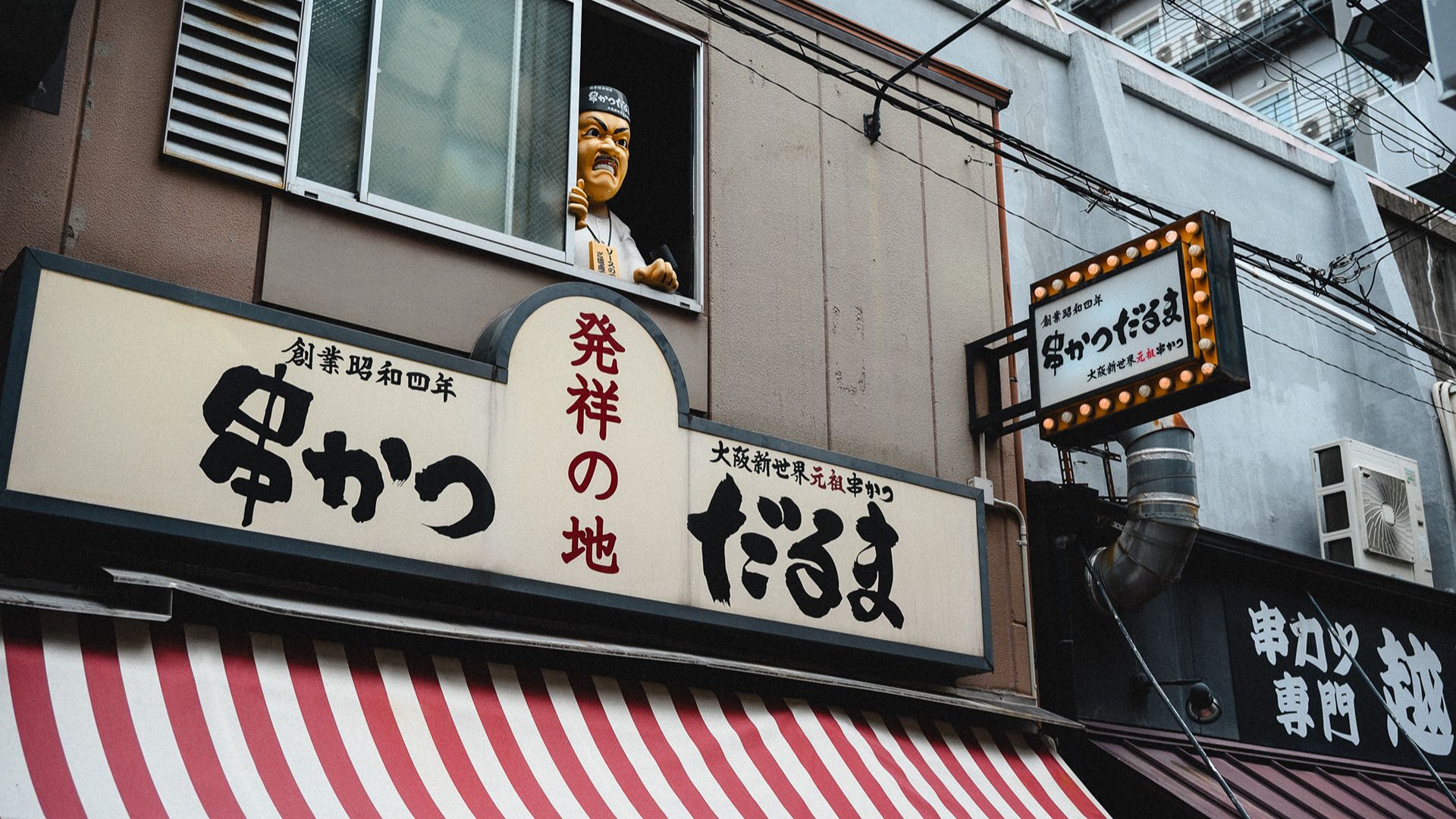
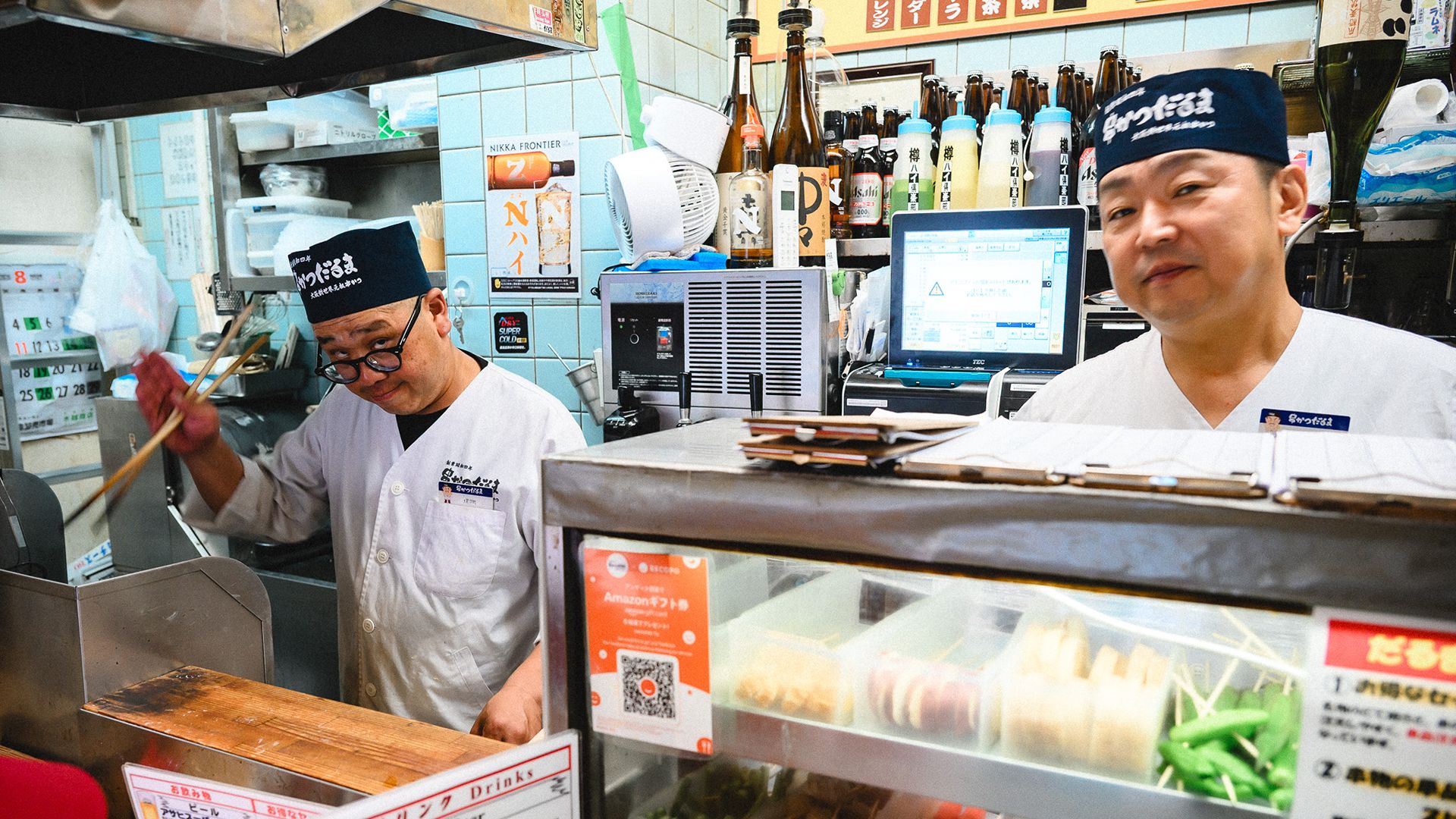
Post-World War II economic conditions gave rise to several of the city’s most enduring soul foods, designed originally as quick, inexpensive meals for local laborers. Among these is kushikatsu, a dish consisting of skewered meats, seafood, and vegetables dipped in wheat flour, egg, and panko breadcrumbs before being deep-fried. Traditionally served with a communal container of savory tonkatsu sauce—governed by strict etiquette prohibiting double-dipping—kushikatsu remains a staple of working-class dining.

Other regional specialties include takoyaki (battered octopus balls) and okonomiyaki (savory cabbage pancakes). Culinary tours and market visits, such as those conducted at the historic Kuromon Market, emphasize the continuity of these traditions. Kuromon Market functions not merely as a tourist attraction, but as a functioning neighborhood marketplace where residents purchase fresh seafood, seasonal produce, and traditional street foods like tsukemono (pickled vegetables) and obanyaki (stuffed pancakes).
Economic and Demographic Shifts in Neighborhood Commerce
The commercial geography of Osaka is heavily influenced by shotengai, traditional covered shopping arcades that predate modern enclosed shopping malls. These pedestrian corridors preserve elements of the Showa Era (1926–1989), a period of rapid industrial growth and economic expansion in Japan. Neighborhoods such as Den Den Town, Osaka’s counterpart to Tokyo’s Akihabara district, illustrate the evolution of urban districts from post-war electronics markets into hubs for otaku culture—communities centered on anime, manga, and gaming subcultures.
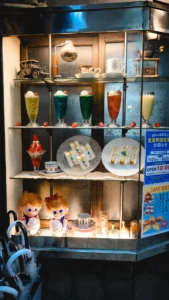
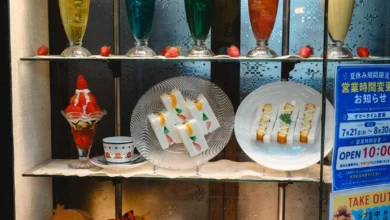
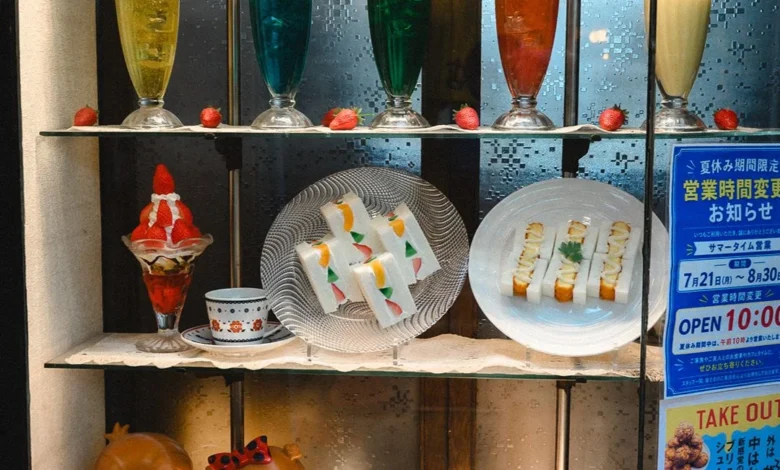
Frugality and practicality remain defining characteristics of Osaka’s working-class commercial ethos. A notable example is the city’s market for mikuru jusu (mixed fruit juice), a beverage historically created by blending unsold, overripe premium fruit to prevent food waste. This emphasis on resourcefulness permeates local commerce, distinguishing Osaka’s consumer culture from the luxury-oriented retail sectors found in other metropolitan centers.

Implications for the Future of Urban Tourism
The growing demand for neighborhood-based, narrative-driven travel reflects broader shifts in consumer behavior within the global tourism industry. As international travel recovers and expands, industry observers note a fatigue with over-commercialized, standardized attractions. Destinations that leverage intangible cultural assets—such as culinary traditions, neighborhood history, and interpersonal interactions—are increasingly favored by independent travelers.
Tour operators and destination management organizations are responding to this trend by diversifying their offerings away from primary monuments. By decentralizing visitor traffic into neighborhoods like Shinsekai, Tennoji, and the historic waterways of Dotonbori, local authorities and tourism providers can mitigate overcrowding at major landmarks while supporting local small businesses and preserving regional heritage.
Ultimately, the enduring appeal of Osaka demonstrates that modern travel is less defined by the accumulation of physical monuments and more by authentic, unscripted engagement with local communities. As travelers increasingly prioritize cultural immersion and personal connection, cities that celebrate their unvarnished history and distinctive social character are uniquely positioned to shape the future of global tourism.
Related posts: