The Hidden Cost of Heritage: Animal Welfare and the Crisis of Exploitation in Global Tourism

The intersection of global tourism and animal welfare has increasingly become a focal point of ethical debate, forcing travelers, international organizations, and destination governments to re-examine the true cost of bucket-list experiences. Across the globe, attractions once marketed as iconic cultural encounters—from elephant trekking in Southeast Asia and holding captive sea turtles in the Caribbean to "walking with lions" excursions in southern Africa—face intense scrutiny. Behind the curated imagery of pristine landmarks and unforgettable adventures lies a systemic reality of exploitation, where working animals, wildlife, and local ecosystems frequently bear the brunt of commercialized leisure.
This tension is especially pronounced in nations rich in antiquity, where centuries-old traditions of utilizing working animals collide with modern ethical standards. The dilemma is illustrated by the experiences of travelers like Michiko, who spent years meticulously planning a comprehensive journey to explore the ancient civilizations of Egypt and Jordan. Drawn by the global allure of UNESCO World Heritage sites and millennia of human history, Michiko’s anticipated dream vacation unraveled during the final stages of itinerary planning, ultimately culminating in a total cancellation of the trip.
The Reality Behind the Monuments: Evidence of Systemic Mistreatment
Upon conducting deeper research through independent traveler forums, investigative reports, and advocacy documentation, Michiko encountered a recurring narrative that starkly contrasted with official tourism boards’ marketing materials. Traveler accounts and media investigations consistently highlight the severe mistreatment of horses, camels, and donkeys operating around globally recognized antiquities, such as the Giza Pyramids and Luxor’s ancient sites.
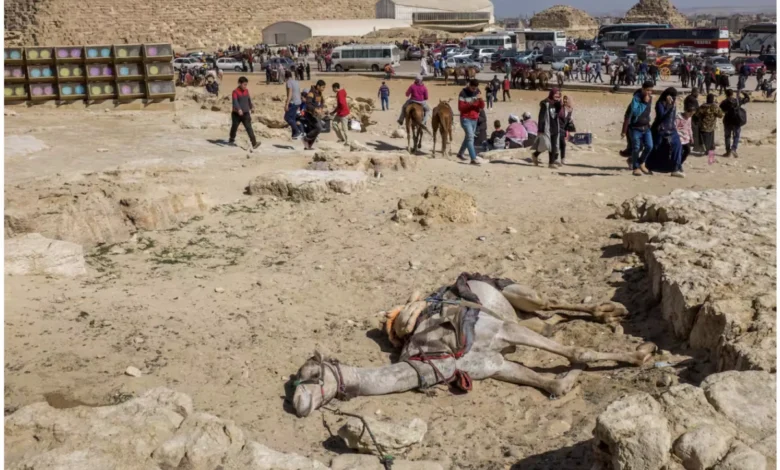
Evidence gathered by tourists, whistleblowers, and animal rights organizations reveals harrowing conditions: horses and camels suffering from mutilated, bleeding noses; severely emaciated animals with visible ribs laboring under scorching desert temperatures; and documented instances of extreme physical abuse. Furthermore, reports have brought to light the existence of exotic creatures kept in dark, cramped confinement for decades, alongside grim disclosures of informal "animal graveyards" situated near major tourist hubs, where exhausted working animals deemed no longer economically useful are allegedly left behind.
This normalization of cruelty under the guise of cultural tradition has sparked intense debate among animal welfare advocates. While local operators frequently cite severe economic hardship and generational practice to justify the handling of working animals, international observers argue that poverty does not negate the responsibility of humane treatment. The debate underscores a central philosophical question within the sustainable tourism movement: whether cultural heritage can or should be preserved through practices that violate basic standards of sentience and welfare.
Chronology of Growing Backlash and Institutional Pressure
The rising awareness surrounding animal exploitation in major tourism destinations is not an isolated phenomenon, but rather the result of years of mounting documentation by international watchdogs, investigative journalism, and digital advocacy communities.

- Pre-2020: Independent travel forums, including TripAdvisor and Reddit, begin accumulating substantial user-generated evidence detailing the neglect and physical abuse of working horses, donkeys, and camels at major archaeological sites in North Africa and the Middle East.
- 2023–2024: Major international media outlets, alongside organizations like People for the Ethical Treatment of Animals (PETA) and local groups such as the Society for the Protection of Animal Rights in Egypt (SPARE), publish comprehensive investigations detailing the systematic suffering of working equines and captive wildlife in urban tourist centers.
- April 2026: In a notable regulatory shift, Egypt’s Chamber of Tourism Establishments and Restaurants issues a formal directive banning the use of both domestic and wild animals in artistic and entertainment performances across registered hotel and tourism facilities. While praised as a progressive step, advocates note that the decree leaves significant enforcement gaps regarding working animals stationed at open-air archaeological monuments.
- Present Day: Individual travelers increasingly leverage digital platforms not only to share cautionary reviews but to directly petition governing bodies, raising questions regarding the ethical responsibilities tied to UNESCO World Heritage designations.
The Economic and Ethical Dilemma of the Tourist Dollar
For conscientious travelers, the decision to withhold financial support from exploitative destinations represents a direct exercise of economic leverage. Michiko’s choice to cancel the long-awaited trip was underpinned by a firm ethical stance: refusing to contribute personal funds to an industry reliant on the suffering and disposal of sentient creatures. Beyond cancellation, this form of consumer activism frequently extends to direct correspondence with governing bodies, such as Michiko’s formal outreach to the Egyptian Ministry of Tourism and Antiquities and the Egypt Tourism Promotion Authority to demand structural reforms.
This individual action feeds into a broader institutional question regarding the responsibilities of international heritage bodies. UNESCO World Heritage status is primarily conferred based on cultural and historical significance, yet critics increasingly argue that the ongoing neglect of living beings within protected zones undermines the integrity of these sites. The coexistence of ancient architectural wonder and modern animal cruelty presents a multifaceted public relations and ethical challenge for host governments attempting to balance heritage preservation with sustainable tourism metrics.
Supporting Reform and Identifying Responsible Alternatives
For travelers committed to experiencing global history without compromising ethical standards, industry experts and animal rights organizations emphasize the importance of rigorous pre-trip research. Educational resources provided by organizations such as PETA and SPARE offer travelers actionable tools, including petition templates, reporting mechanisms, and guidelines for identifying humane operators.
If visitors do choose to travel to regions where working animals are prevalent, minimizing harm requires heightened vigilance. Travelers are advised to actively avoid engaging in camel or horse rides at historical monuments, refuse services utilizing visibly distressed or undernourished animals, and report instances of abuse directly to local authorities and international advocacy groups.
Moreover, the shifting landscape of global tourism has prompted a re-evaluation of destination choices altogether. Initiatives such as Ethical Traveler’s annual assessment of developing nations highlight countries that successfully balance cultural tourism with rigorous commitments to human rights, environmental sustainability, and social welfare. By evaluating nearly 150 nations annually, these assessments point travelers toward destinations where economic development aligns with ethical stewardship.
Ultimately, the decisions made by individual tourists carry collective weight. As awareness surrounding the hidden costs of heritage tourism expands, the travel industry faces mounting pressure to transition away from outdated practices, proving that long-term economic viability in tourism must be inextricably linked to compassion, accountability, and the protection of all living inhabitants within historic landscapes.