Discovering Palisade: A Comprehensive Guide to Biking Colorado’s Premier Fruit and Wine Region

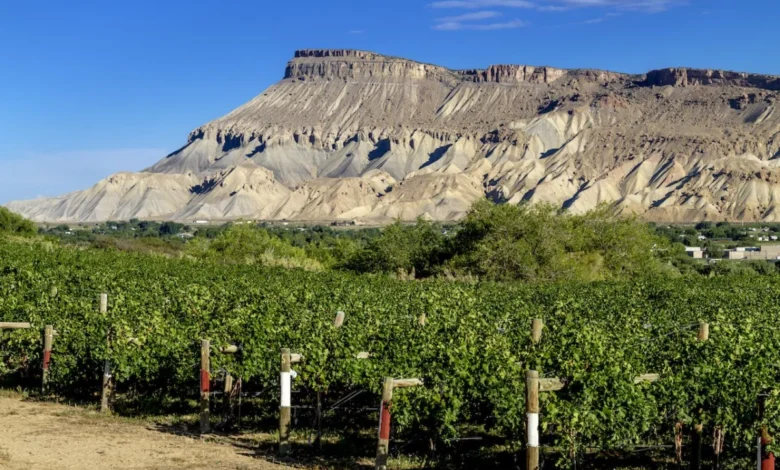
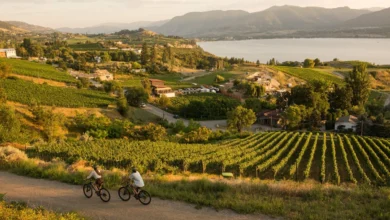
Palisade, Colorado, nestled within the verdant Grand Valley, has firmly established itself as a quintessential destination for enthusiasts of fine wines, fresh produce, and outdoor adventure. Renowned for its sun-drenched vineyards and prolific peach orchards, this charming Western Slope town offers a distinctive approach to wine tourism, most notably through its popular self-guided bicycle tours along the famed Fruit & Wine Byway. This unique convergence of agriculture, viticulture, and active recreation provides visitors with an immersive and unforgettable experience, allowing them to intimately explore the landscape that shapes the region’s celebrated flavors.
The Terroir and History of Colorado Wine
The Grand Valley’s unique geography and climate are foundational to its success as a wine-growing region. Situated at an elevation ranging from 4,500 to 5,000 feet, Palisade benefits from a high-desert environment characterized by intense daytime sun, crucial for ripening grapes, and significantly cooler nighttime temperatures, which help preserve acidity and complex aromatics. This diurnal temperature variation, combined with mineral-rich, well-drained soils derived from ancient riverbeds and volcanic activity, creates an ideal terroir for a diverse array of grape varietals. Irrigation, historically managed through an intricate system of canals drawing water from the Colorado River, ensures consistent hydration in this arid climate. This combination allows winemakers to produce high-quality Cabernet Sauvignon, Merlot, Syrah, Chardonnay, Riesling, and Viognier, among others, many of which have garnered national and international accolades.
The history of winemaking in Colorado dates back to the late 19th century, with early pioneers planting grapes in the Grand Valley. Prohibition in the 1920s brought this nascent industry to a halt. However, a significant resurgence began in the 1970s and 80s, driven by determined individuals who recognized the region’s viticultural potential. Over the past few decades, Palisade has transformed from a primarily fruit-growing agricultural community into a thriving wine region, boasting dozens of wineries and cideries. This evolution has spurred considerable economic growth, drawing tourists who seek authentic, farm-to-glass experiences and supporting local businesses ranging from accommodations to culinary establishments. According to the Colorado Wine Industry Development Board, the state’s wine industry contributes tens of millions of dollars annually to the local economy, with Palisade being a primary hub for this activity.
Preparing for Your Pedal-Powered Wine Tour
Embarking on a bicycle tour of Palisade’s wineries requires some forethought and preparation to ensure both enjoyment and safety. The primary entry point for most visitors is securing a bicycle. Palisade Cycle and Shuttle stands as the area’s premier rental service, offering a selection of bikes tailored for the leisurely pace of wine touring. Daily rentals are available, typically priced at $45 for a comfortable cruiser bike, ideal for the flat, paved routes, or $55 for an electric version, which provides an invaluable assist on longer rides or the region’s few challenging inclines. Reservations are highly recommended, especially during peak season from late spring through early autumn, to guarantee availability. Upon pickup, the knowledgeable staff at Palisade Cycle and Shuttle provide not only the bike but also essential resources such as detailed maps of the area’s wineries and a comprehensive briefing on current biking conditions, including any potential hazards or detours. Additionally, maps are readily accessible at the Palisade Chamber of Commerce, serving as another vital resource for route planning.
Beyond the bike itself, personal preparation is paramount, particularly concerning the region’s climate. Summer temperatures in Palisade frequently soar into the upper 90s Fahrenheit, making hydration a critical concern. Seasoned locals and frequent visitors universally recommend acquiring a CamelBak or similar hydration pack, filled with ample cold water. The dual exertion of cycling and the dehydrating effects of alcohol necessitate a proactive approach to fluid intake. Consistently sipping water between vineyard stops not only maintains hydration levels but also plays a crucial role in mitigating the severity of potential hangovers, allowing for sustained enjoyment throughout the day and into the evening.
Essential gear extends beyond hydration. Sunscreen, sunglasses, and a wide-brimmed hat (if compatible with a helmet) are indispensable. Helmets, often provided with rentals, are non-negotiable for safety. Light, breathable clothing is advisable, and comfortable footwear is a must. While the routes are generally well-maintained, carrying a small repair kit with a patch and pump can be a prudent measure for unexpected punctures, though most rental services offer roadside assistance. Finally, understanding the local road rules and maintaining awareness of vehicular traffic, even on designated byways, contributes significantly to a safe and pleasurable experience.
Strategizing Your Route: Pacing and Provisions
The network of roads comprising the Fruit & Wine Byway is predominantly paved, offering a smooth ride for cruiser bikes. However, many of the scenic driveways leading into individual vineyards are composed of gravel or packed dirt, which standard cruisers are well-equipped to handle. The routes are clearly marked with distinctive "Fruit & Wine Byway" signs, expertly guiding cyclists through the picturesque landscape, preventing missed turns, and highlighting optimal spots for photo opportunities. These include iconic geological formations like the majestic Bookcliffs and panoramic views of the Colorado River as it meanders through the Grand Valley.
Palisade offers three distinct, organized cycling routes, each catering to varying levels of physical exertion and interest. Two of these are classified as "easy cruisers," ideal for casual riders and those seeking a relaxed pace. The third, particularly under the intense summer sun, presents a significant challenge even for experienced cyclists. For individuals new to biking or those returning after a hiatus, commencing with the West Cruiser Loop is highly advisable. Its proximity to downtown Palisade and numerous amenities means a convenient pause at a town park or a quick return to lodging is never far off.
One of the defining characteristics of Palisade’s wine region is the remarkable density of its tasting rooms. Cyclists will rarely find themselves pedaling for more than 10 minutes without encountering another winery, with many establishments located less than a mile apart. While this offers an abundance of choices, attempting to stop at every single winery can quickly become overwhelming and may compromise the ability to maintain a clear head and safe riding posture. A more judicious approach involves selecting a handful of wineries that align with personal preferences, perhaps two to four per loop, allowing for a more focused and enjoyable tasting experience.
Furthermore, it is important to note that not all tasting rooms provide food services beyond perhaps a small selection of cheeses or crackers. The majority of Palisade’s dining establishments are concentrated within the compact downtown area, in close proximity to the bike rental shop. Therefore, packing an assortment of snacks, such as nuts, fruit, or energy bars, is highly recommended to sustain energy levels between stops. For those preferring a more substantial meal or wishing to avoid the uncertainty of finding food en route, packing a picnic lunch to enjoy at a scenic vineyard or park is an excellent option.
Detailed Exploration of Palisade’s Cycling Routes
The West Cruiser Loop: An Urban Vineyard Journey
The West Cruiser Loop is arguably the most popular and accessible cycling route in Palisade, renowned for its flat terrain and gentle undulations, making it an ideal choice for families and casual riders. Spanning approximately seven miles roundtrip from downtown Palisade, this loop offers a comprehensive tour of the town itself, seamlessly blending urban charm with vineyard vistas. Along this route, cyclists can anticipate visiting around seven wineries, with a welcome respite available at Riverbend Park, where towering cottonwood trees provide shade and a peaceful setting to rest weary legs and escape the midday heat.
This loop is distinguished by its diversity of offerings. Starting from Palisade Cycle and Shuttle, riders can head through downtown to discover establishments such as The Ordinary Fellow, a winery celebrated for its unique collection of fruit wines alongside traditional varietals like Cabernet Sauvignon and Chardonnay. Nearby, Grand River Vineyards specializes in dry whites and reds, with particular acclaim for its Viognier and Meritage white blends, showcasing the finesse of high-altitude winemaking. Further along, Cliff Dweller Wine Co. presents a unique stop, particularly known for its robust Malbec. The tasting room’s patio offers breathtaking views of Mt. Garfield, the region’s iconic desert peak, providing a picturesque backdrop for wine sampling. To conclude the route, Maison La Belle Vie offers a distinctly French-inspired experience, featuring a deep catalog of red-heavy wines and delectable pastries, perfect for a revitalizing snack before the return journey. Their Vin de Pêche, crafted from Palisade’s renowned peaches, is a local specialty not to be missed.
The East Cruiser Loop: Scenic Vistas and Boutique Wineries
For those prioritizing sweeping high-desert scenery alongside their wine tasting, the East Cruiser Loop is the optimal choice. This route allows the dramatic landscapes of the Grand Valley to take center stage, with the wine serving as an exquisite complement to the visual feast. Cyclists will pedal past expansive vineyards and fruit orchards, enveloped by the serene beauty of the region. The initial stop often leads to Colterris, recognized as the largest winemaking operation in the valley. Colterris is notable not only for its extensive vineyard holdings but also for its innovative approach, being the sole winery in the area to offer its wines in cans, alongside traditional bottles, catering to outdoor enthusiasts.
From Colterris, the route follows US-6, tracing the scenic curves of the Colorado River, leading to Bookcliff Vineyards. This relatively new tasting room has quickly gained recognition for its full-bodied Malbec, a quintessential example of the prowess of high-altitude viticulture in producing wines of exceptional depth and character. While Colterris and Bookcliff represent the primary tasting rooms directly on this loop, a brief detour of a few minutes from Bookcliff, leading back through downtown, provides convenient access to TerraVin Cellars. Opting for fewer wineries on this particular route allows for a more leisurely experience at each stop, encouraging a deeper appreciation for the wines and the surrounding environment, often resulting in the enjoyment of a more generous pour.
The East Orchard Mesa Loop: A Challenging Ascent with Rewarding Views
The East Orchard Mesa Loop is designed for the more adventurous cyclist, those who appreciate a vigorous workout alongside their wine tasting. This demanding route stretches approximately 25 miles roundtrip and picks up where the East Cruiser Loop concludes. Instead of crossing the Colorado River, riders turn left onto 38 Road, embarking on an ascent onto the elevated East Orchard Mesa. This initial push up to the mesa constitutes the route’s only significant hill, a challenging climb that typically lasts for about 10 minutes. Fortunately, a dedicated bike sidewalk runs parallel to the road, offering a safer alternative away from traffic and providing space for cyclists to pause and catch their breath as needed. After reaching the mesa, the tour winds down and eventually loops back into downtown Palisade, incorporating a section of the West Cruiser Loop on its return leg.
Perched atop the mesa, Talbott’s Cider Company offers a refreshing break from grape-based libations. Here, cyclists can savor crisp hard ciders, featuring a diverse range of flavors from sweet peach to hoppy profiles. Talbott’s also hosts an on-site farmer’s market, where visitors can purchase fresh local fruits and vegetables, an excellent option for replenishing energy if backpack space allows. From Talbott’s, navigating this loop feels akin to following a precise, almost military-like progression: a series of right-angle intersections with orchards on all sides, often presenting only one clear path forward. The tasting rooms along this segment are clearly signposted, minimizing navigational challenges.
Even if completing the entire 25-mile loop is not feasible, a push at least to Restoration Vineyards is highly recommended. This newer tasting room, opened recently, has quickly garnered acclaim for producing the valley’s finest Sauvignon Blanc. Their Barbera, a rich red wine with blackberry notes and a smooth finish, is also a notable highlight. Continuing further, Carlson Vineyards offers an intimate tasting experience within a small tasting room that evokes the feeling of sampling wines in the winemaker’s personal kitchen. Their "NSFW (Not Safe For Work) Red" and Rosé are must-trys, serving as a memorable and fitting nightcap back at your lodging.
Beyond the Bicycle: Alternative Ways to Experience Palisade
While biking is the quintessential Palisade experience, it is not the only way to explore the region’s viticultural offerings. For destinations like Whitewater Hill Winery, recognized as one of Palisade’s finest and a true representation of the area’s agricultural heritage and mastery of the soil, the 24-mile roundtrip journey by bike might be daunting for some. In such cases, or for those simply preferring a different mode of transport, several alternatives exist.
The most straightforward option for groups is to designate a sober driver, as ample parking is available at all tasting rooms. This allows for maximum flexibility and the ability to transport any purchased bottles of wine or cider. While the romantic notion of renting a horse and carriage exists, it proves to be a rather slow mode of transport and logistically challenging for carrying wine purchases. A more modern and unique solution is provided by Pali-Tours, the exclusive operator offering stylish, open-air rides through town in a distinctive 6×6 military "duckie" vehicle. This adventurous mode of transport provides a memorable and comfortable way to shuttle between wineries. Pali-Tours also offers specialized "Water to Wine" packages, combining an invigorating morning rafting excursion on the Colorado River with an afternoon of wine touring, creating a comprehensive adventure package. While private limousines or ride-sharing services may also be available, the charm and uniqueness of a Pali-Tours experience often make it a preferred choice for visitors seeking something truly distinctive.
Beyond wine, Palisade is a hub for other agricultural delights, most famously its peaches, celebrated annually at the Palisade Peach Festival. Visitors can explore various peach orchards, lavender farms, and roadside stands offering seasonal produce. The Colorado River also provides opportunities for rafting, paddleboarding, and fishing, cementing Palisade’s reputation as a multifaceted outdoor recreation destination.
Accommodations in Palisade: Immersing in Wine Country Charm
To fully embrace the Palisade experience, staying within the town itself is highly recommended. While chain hotels are available in nearby Grand Junction, opting for local accommodations allows for a deeper immersion into Colorado’s distinctive wine country ambiance. Palisade is characterized by its century-old bed and breakfasts, a laid-back atmosphere, and the genuine hospitality of proprietors who often double as the very individuals pouring your tasting.
The Wine Country Inn stands as a prominent lodging option, adjacent to two of the valley’s most respected wineries. This impressive Victorian-style building houses 80 guest rooms and offers a complimentary hot breakfast, along with guest wine tastings each afternoon, providing a seamless extension of the wine country experience. Right in the heart of downtown, the Wine Valley Inn offers a charming bed and breakfast experience, complete with a large porch and outdoor tasting area. Its central location ensures easy walking access to downtown shops, restaurants, and, of course, the bike rental shop. For those prioritizing modern comfort and convenience, the Spoke and Vine Motel provides clean, contemporary rooms. A significant advantage for cyclists is the availability of on-site bike rentals, eliminating the need to coordinate a separate pickup at an external bike shop. Local tourism officials consistently advocate for staying within Palisade, emphasizing that it not only supports local businesses but also fosters an unparalleled sense of community and connection to the region’s unique charm.
Decoding Palisade’s Unique Street Naming System
Visitors to Palisade will quickly notice an unusual and distinctly logical system of street names. Roads running north to south are identified by numbers, such as "29 Road" or "38 Road," and even fractional labels like "36 3/10 Road." This system is not a test of mathematical prowess but rather a highly practical method of geographic demarcation. These numbers directly correspond to their distance in miles from the Colorado-Utah state border. For instance, if you are on 29 Road, you are precisely 29 miles east of the border. Conversely, heading 36.3 miles west from 36 3/10 Road would bring you directly to the state line. Each full number increment, like the distance between 28 Road and 29 Road, represents exactly one mile.
East-west streets, on the other hand, are labeled by letters, with each full letter representing a mile. So, if you are navigating the East Orchard Mesa Loop and make a right turn onto "F ¼ Road," you are precisely a quarter-mile north of F Road and three-quarters of a mile shy of G Road. This hilariously unique system, while initially perplexing, was originally designed to serve as clear and easy markers for agricultural plots and land parcels, a testament to the region’s deep farming roots. Once understood, it provides a highly efficient and unambiguous method of navigation, allowing both locals and visitors to precisely pinpoint locations within the expansive agricultural landscape.
Conclusion: Palisade’s Enduring Appeal and Future Outlook
Palisade stands as a testament to the ingenuity and dedication of Colorado’s agricultural and viticultural communities. Its distinctive blend of high-altitude winemaking, prolific fruit orchards, and an accessible, active approach to tourism through its bike-friendly byways, creates a destination unlike any other. The commitment to local production, often overseen by family-run operations, imbues the experience with an authentic, personal touch that resonates deeply with visitors.
The region’s growth as a premier wine destination is a direct result of continued investment in quality viticulture, innovative winemaking techniques, and a concerted effort to enhance the visitor experience. As stated by a representative from the Palisade Chamber of Commerce, "The synergy between our rich agricultural heritage, burgeoning wine industry, and stunning natural landscape creates an unparalleled experience for visitors, fostering both economic growth and a deep appreciation for our unique environment. We anticipate continued growth, driven by our commitment to sustainability and authentic, high-quality experiences." Looking forward, Palisade is poised to further solidify its reputation as a must-visit destination, offering a unique opportunity to pedal through picturesque vineyards, savor exceptional wines, and immerse oneself in the vibrant culture of Colorado’s Grand Valley.