Family Trekking in Québec: A Weeklong Exploration of Trails, Valleys, and Natural History Across 10 Scenic Routes

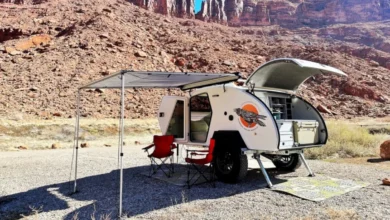
The burgeoning trend of experiential family tourism has placed outdoor adventure travel at the forefront of modern vacation planning, with regional park authorities reporting a steady increase in multi-generational hiking excursions. Over a seven-day period, a family of four—traveling via converted campervan across a well-curated route originating near Québec City and moving north into the Charlevoix region—completed a comprehensive trekking itinerary spanning more than 15 trails. Designed to balance manageable distances with engaging natural topography, the journey sought to evaluate the accessibility and educational value of Québec’s premier provincial parks, Indigenous historical trails, and UNESCO-designated biosphere reserves for children aged six and ten.
This expedition highlights a broader shift in North American tourism, where families increasingly prioritize immersive environmental education and physical endurance challenges over traditional leisure travel. Regional tourism boards note that such itineraries not only stimulate local rural economies through culinary and equipment-rental expenditures but also foster early conservation awareness among younger demographics.
Chronological Overview and Route Architecture
The journey began in the urban periphery of Québec City, moving systematically northward through designated provincial conservation areas and public lands managed by the Société des établissements de plein air du Québec (Sépaq). The structured seven-day timeline prioritized progressive elevation gains and diverse ecological zones, transitioning from glacial valleys and subarctic taiga to marine forests and wetland marshes along the St. Lawrence River.
Days 1 to 3: Jacques Cartier National Park and Wendake Cultural Integration
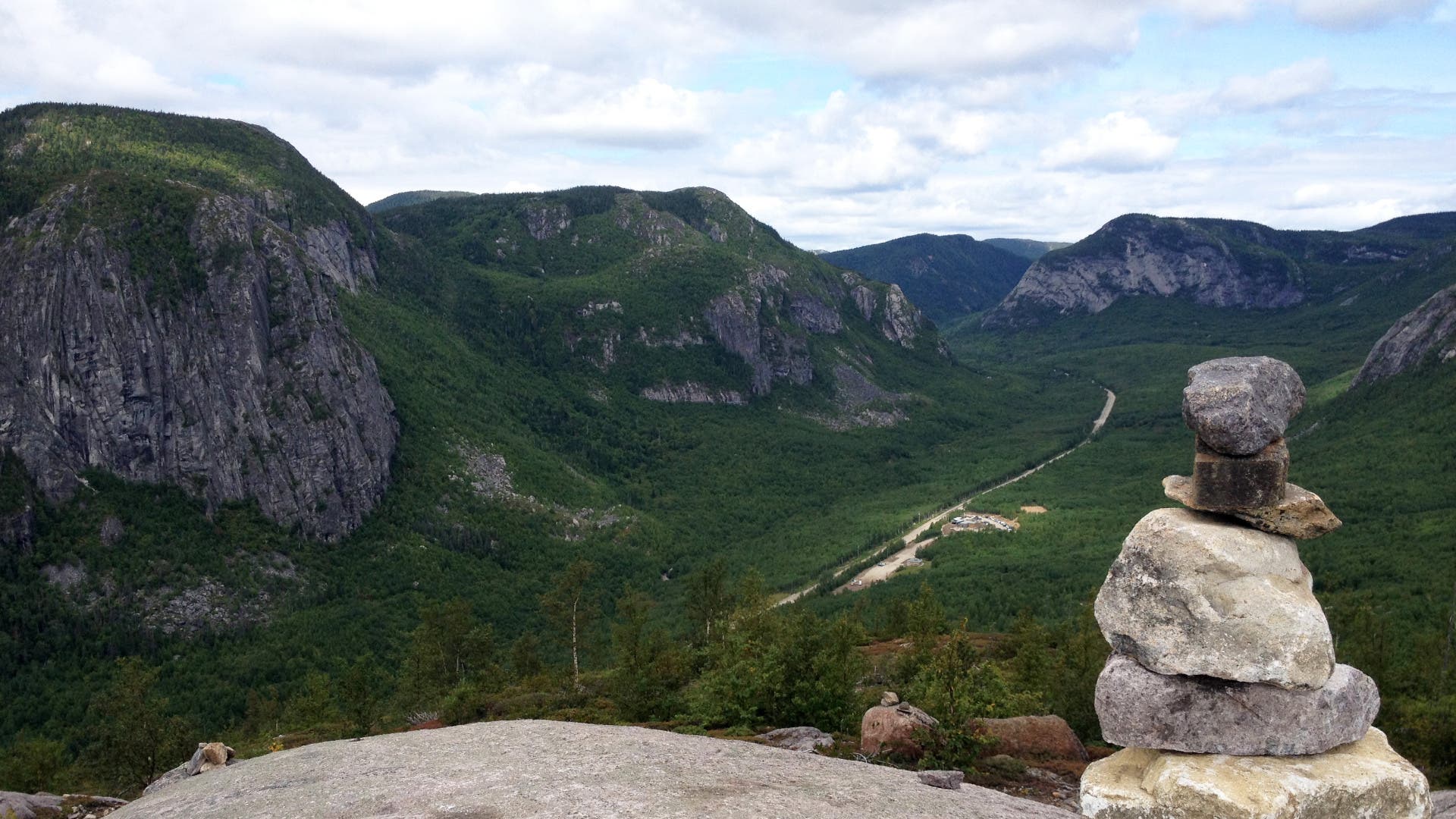
The itinerary opened less than an hour north of Québec City at Jacques Cartier National Park, a protected glacial valley featuring an 1,800-foot chasm carved by geological forces.
- La Tourbière Trail: Serving as an introductory warm-up, this 1.3-mile loop introduces hikers to regional flora, including balsam fir and yellow birch stands, alongside peat bog decomposition exhibits. Educational kiosks at the trailhead highlight Huron-Wendat history and traditional medicinal plant applications.
- L’Éperon Loop: Requiring more technical endurance, this 3-mile loop ascends over 700 feet to an elevation of 1,541 feet on Montagne de l’épaule, testing climbing proficiency on craggy slopes before concluding with a descent to the Jacques-Cartier River for flatwater rafting.
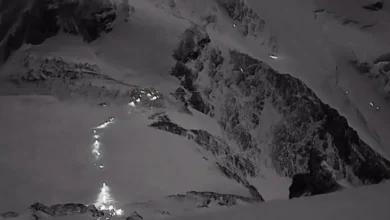
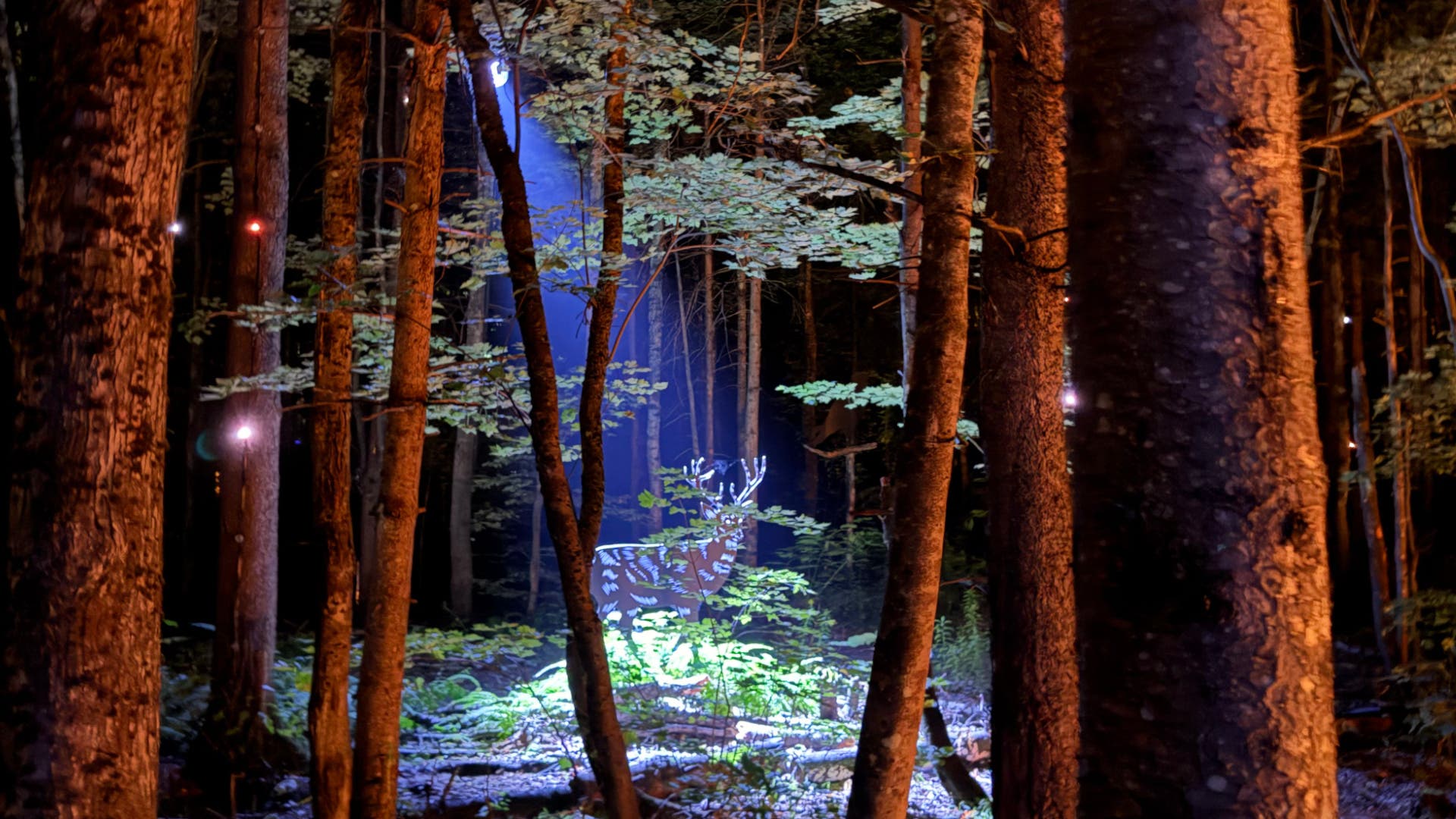
- Onhwa’ Lumina and Wendake Forest: Integrating cultural heritage with evening recreation, this 0.75-mile illuminated night trail at the Huron-Wendat Nation’s territory utilizes light projections, native soundscapes, and oral histories to educate visitors on regional Indigenous cosmology.
Days 4 and 5: Grands-Jardins National Park and Canyon Sainte-Anne
Moving further north into the UNESCO Charlevoix Biosphere Reserve, the expedition focused on subarctic landscapes and geological formations.
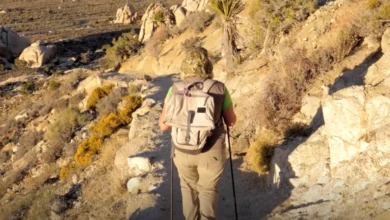
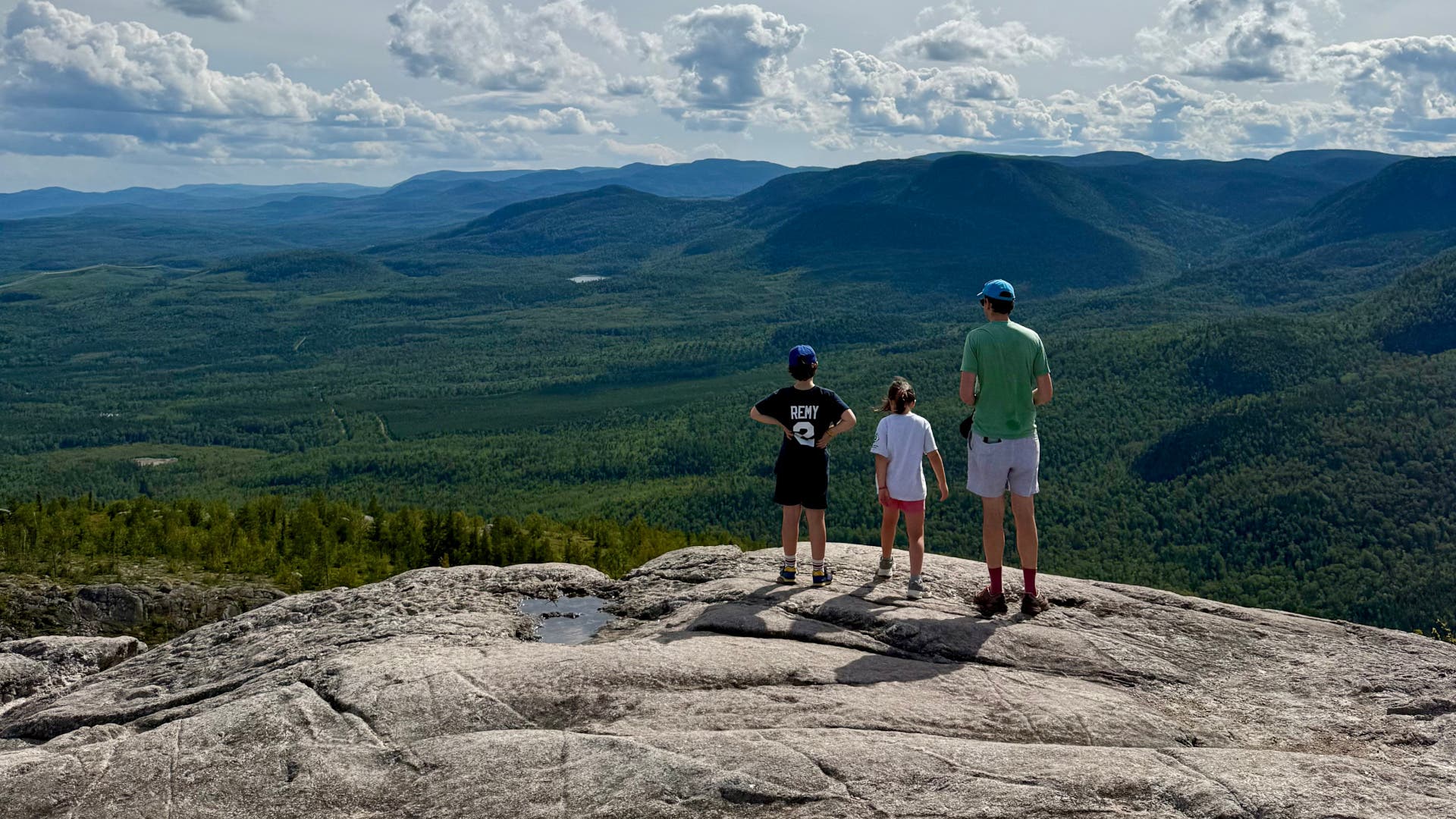
- La Chouenne Trail: Located in the Mont du Lac des Cygnes sector of Grands-Jardins National Park, this 3-mile roundtrip route culminates at a 2,400-foot summit. The trail features significant geological waypoints, notably an anorthosite erratic boulder deposited by glacial retreat approximately 11,000 years ago.
- Canyon Sainte-Anne: Situated near Beaupré, this privately managed conservation site features a 243-foot waterfall, three suspension bridges, and a 1.9-mile trail circuit. Geological exhibits document the post-glacial formation of the gorge in bedrock exceeding the age of the Mesozoic era.
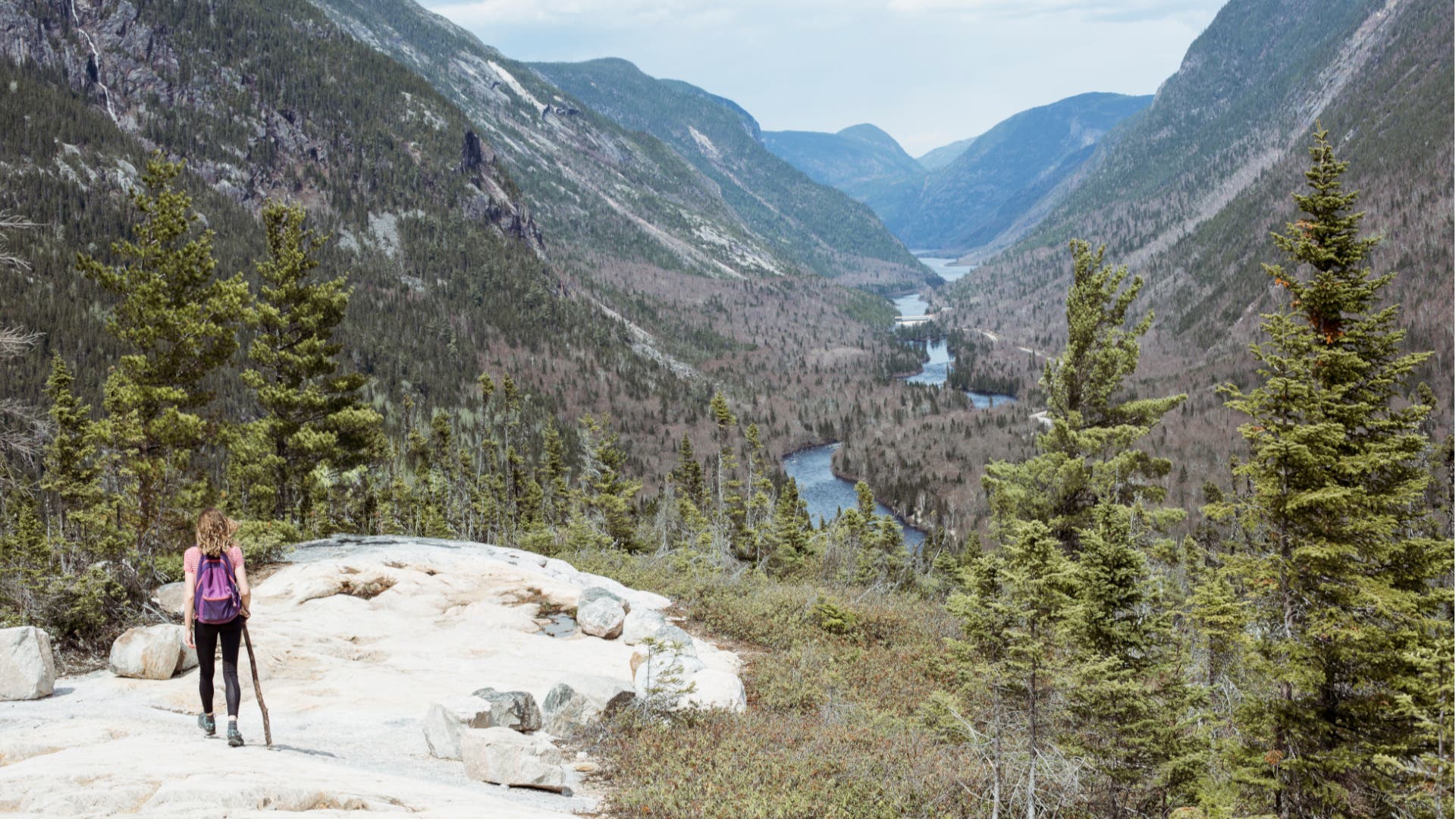
- Le Pied-des-Sommets: Located within Hautes-Gorges-de-la-Rivières-Malbaie National Park—which boasts the highest rock faces east of the Canadian Rockies—this steep 0.5-mile loop provides access to valley views, botanical observation points, and connections to longer out-and-back routes such as Les Riverain and Les Rapides.
Days 6 and 7: Marine Forests, Coastal Basins, and Alpine Ridges
The final leg of the journey emphasized coastal geography, marine biodiversity, and alpine infrastructure supported by regional resort partnerships.
- Sentier de la Forêt Marine (Les Éboulements): Running adjacent to the Charlevoix Maritime Museum, this 4.6-mile out-and-back trail gains 1,269 feet of elevation through historic timberlands previously harvested for schooner construction.
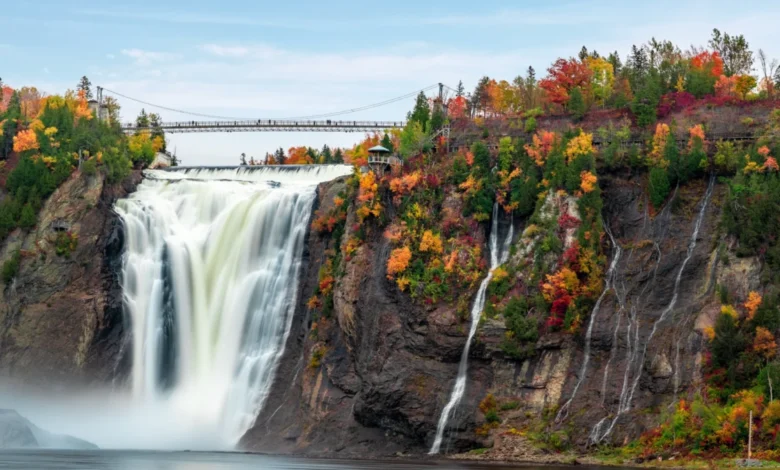
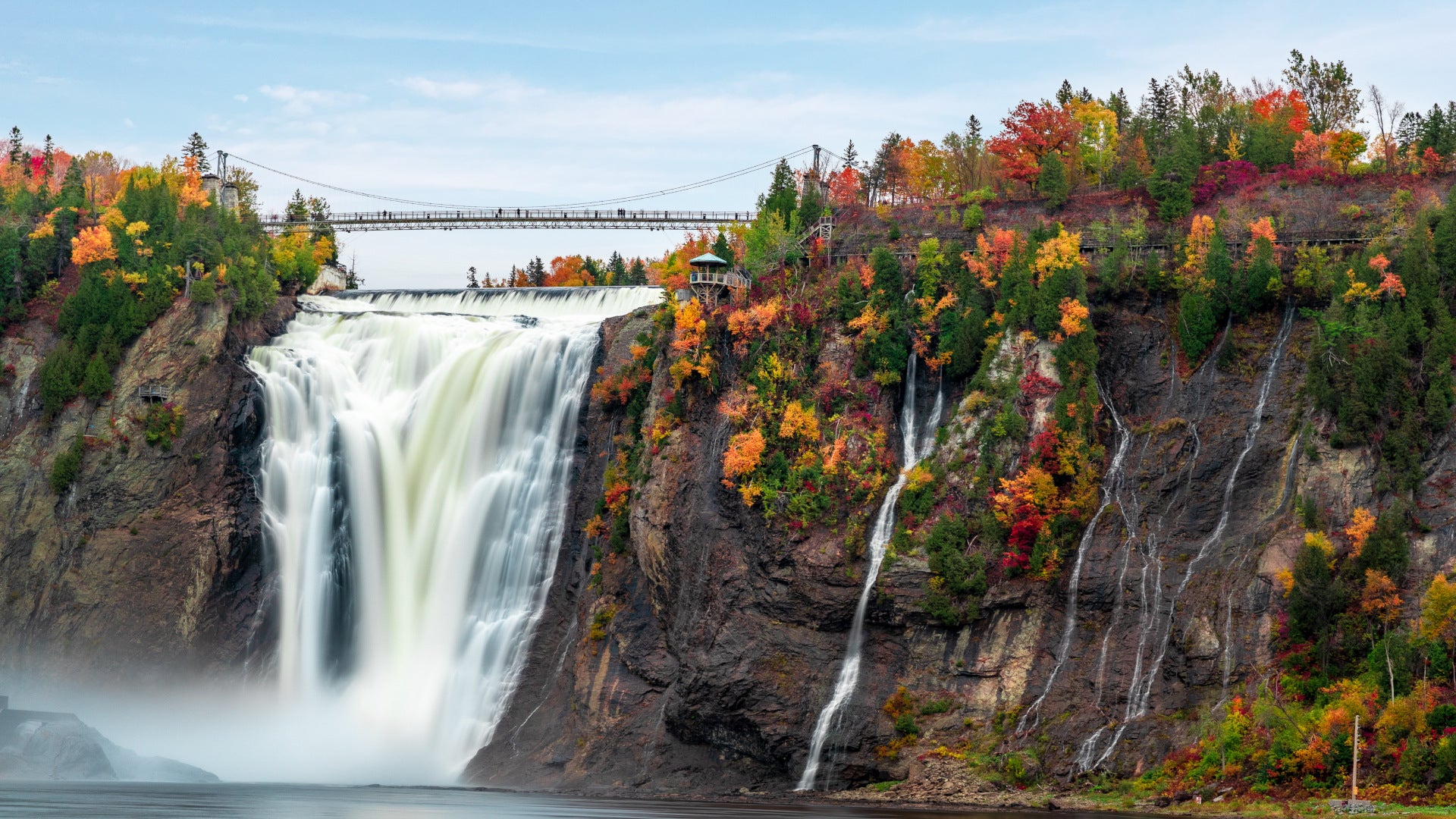
- Montmorency Falls: Positioned just outside Old Québec, this park features a 272-foot waterfall accessible via 487 cliffside stairs, suspension bridges, and a cable car system, with prominent rock strata exposing fossilized trilobites and prehistoric cephalopods.
- Le Buton (Le Massif de Charlevoix): Utilizing gondola infrastructure at an all-inclusive basecamp, this 1.2-mile alpine loop begins at a former Olympic-level slalom ski departure ramp, terminating at a 2,300-foot elevation overlook with panoramic views of the St. Lawrence River.
- L’Éperon Trail (Marais du Nord): Concluding the itinerary north of Québec City, this 1.4-mile wetland boardwalk trail traverses protected marshes along Lac-Saint-Charles, offering avian observation points for nearly 200 recorded bird species and ecological interpretations of decaying nurse logs.
Supporting Data and Environmental Infrastructure
Québec’s provincial park system, primarily administered through Sépaq, represents a cornerstone of the province’s conservation and recreational economy. According to regional tourism metrics, the Charlevoix Biosphere Reserve alone attracts hundreds of thousands of visitors annually, drawn by its unique convergence of boreal forest, marine ecosystems, and impact-crater topography formed by a meteorite strike 360 million years ago.
Trail management protocols across these sites emphasize minimal-impact recreation, extensive boardwalk construction to protect sensitive peat bogs and alpine tundra, and comprehensive multilingual signage. Educational integration—such as the inclusion of Huron-Wendat linguistic vocabulary and geological timelines detailing anorthosite crystallization—reflects a concerted policy by park authorities to merge environmental science with cultural reconciliation.
Official Responses and Economic Implications
Tourism representatives and regional economists emphasize that family-oriented adventure itineraries provide critical stabilizing revenue for rural communities situated outside major metropolitan centers like Montréal and Québec City.
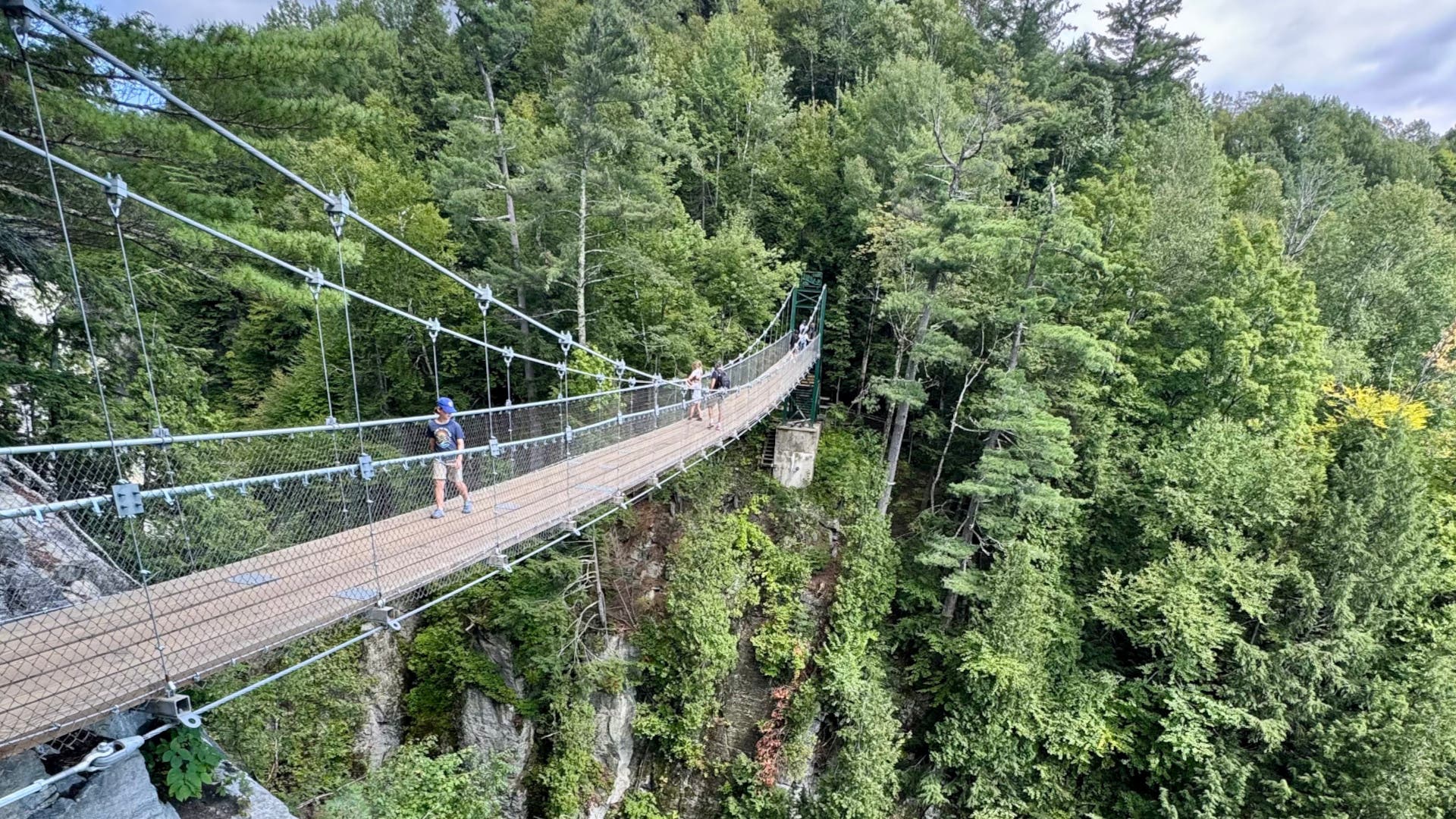
"The integration of soft-adventure infrastructure, such as well-maintained interpretive loops, suspension bridges, and gondola systems, democratizes access to rugged terrain," notes a regional development official familiar with the Charlevoix trail network. "It allows younger demographics to safely build endurance while distributing tourist traffic away from overcrowded urban hubs and into sustainable rural corridors."
Furthermore, partnerships between provincial authorities and local enterprises—such as organic agricultural producers along the Route des Saveurs and Indigenous cultural centers in Wendake—demonstrate a collaborative economic model. This framework ensures that tourism revenue directly supports heritage preservation, ecological monitoring, and rural hospitality sectors.
Broader Impact and Industry Analysis
The success of structured, multi-day trekking itineraries for families points to a wider evolution in modern outdoor recreation. As public land managers face rising visitor numbers, the emphasis has shifted toward educational programming that encourages environmental stewardship among children. By transforming physical exertion into an interactive lesson in glacial geology, Indigenous history, and forest ecology, such family expeditions validate the efficacy of combining rigorous outdoor recreation with formalized interpretation.
As provincial tourism boards continue to invest in trail maintenance, safety infrastructure, and cultural integration, the model established in regions like Charlevoix and Jacques Cartier serves as a benchmark for sustainable family adventure travel throughout North America.