Finding Solace in the Shadows: How One Traveler Confronted Mortality and Anxiety in the Heart of Bangkok

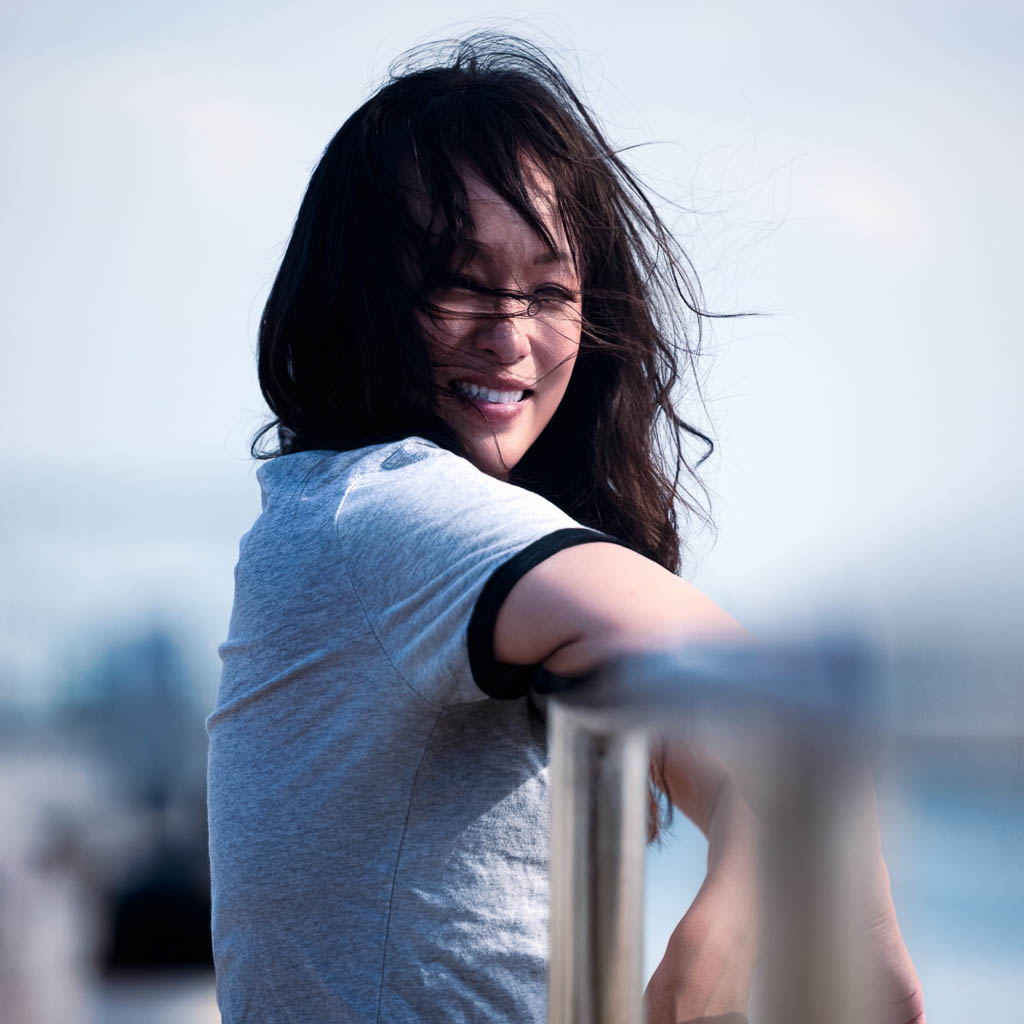
The intersection of travel, mental health, and existential reflection has increasingly drawn the attention of modern wellness seekers, shifting the paradigm of tourism from mere leisure to profound psychological exploration. For Australian author and columnist Liv Arnold, a scheduled trip to Bangkok, Thailand, materialized during a period of acute personal and familial crisis. Facing her mother’s third diagnosis of liver cancer while simultaneously managing a diagnosed anxiety disorder, Arnold’s journey evolved into an unintended exploration of mortality, grief, and emotional resilience. Against the vibrant and chaotic backdrop of the Thai capital, her experiences at unconventional cultural institutions—ranging from elite Muay Thai boxing gyms to a death-awareness cafe—highlight a growing global trend toward radical acceptance and the confrontation of existential dread.
The Context of Crisis: Balancing Anticipatory Grief and Clinical Anxiety

To understand the emotional weight of Arnold’s journey, one must examine the psychological landscape that preceded her departure from Melbourne. Clinical anxiety disorders often manifest as an over-engagement with future uncertainties, a neurological hyper-vigilance that attempts to predict and preempt potential disasters. For Arnold, this pattern was deeply rooted in childhood, characterized by a persistent, anticipatory fear of parental mortality.
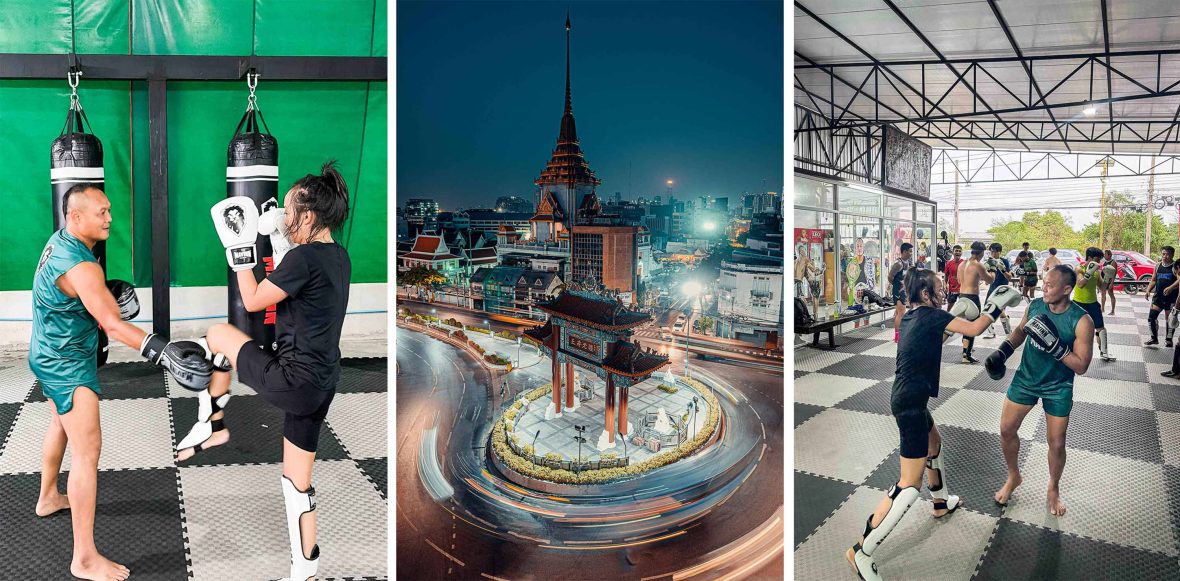
When her mother’s liver cancer returned for a third time, the nature of these psychological fears shifted fundamentally. The abstract dread of a distant future was replaced by the immediate, crushing reality of progressive illness and medical interventions aimed at palliation and survival rather than cure. In response, Arnold sought physical grounding through high-intensity martial arts, specifically Muay Thai boxing. Beginning her training in 2023, she integrated the combat sport into her wellness routine, noting that the physiological demand of defending against an incoming strike forces the human brain firmly into the present tense. Trading chronic rumination for the immediate survival instincts required inside a boxing ring served as her initial, unorthodox method of somatic self-regulation.
Exposure Therapy in the Thai Capital: The Kid Mai Death Awareness Cafe
Upon arriving in Bangkok, Arnold’s itinerary intentionally incorporated spaces designed to challenge conventional Western paradigms surrounding aging, pain, and death. Among the most notable stops was the Kid Mai Death Awareness Cafe, located in the Phahonyothin district. Established in 2018 by Buddhist philosopher Veeranut Rojanaprapa as part of his doctoral fieldwork, the cafe operates on a foundational tenet of Buddhist philosophy: that maintaining a conscious awareness of human impermanence fosters ethical behavior, reduces greed, and cultivates social harmony.
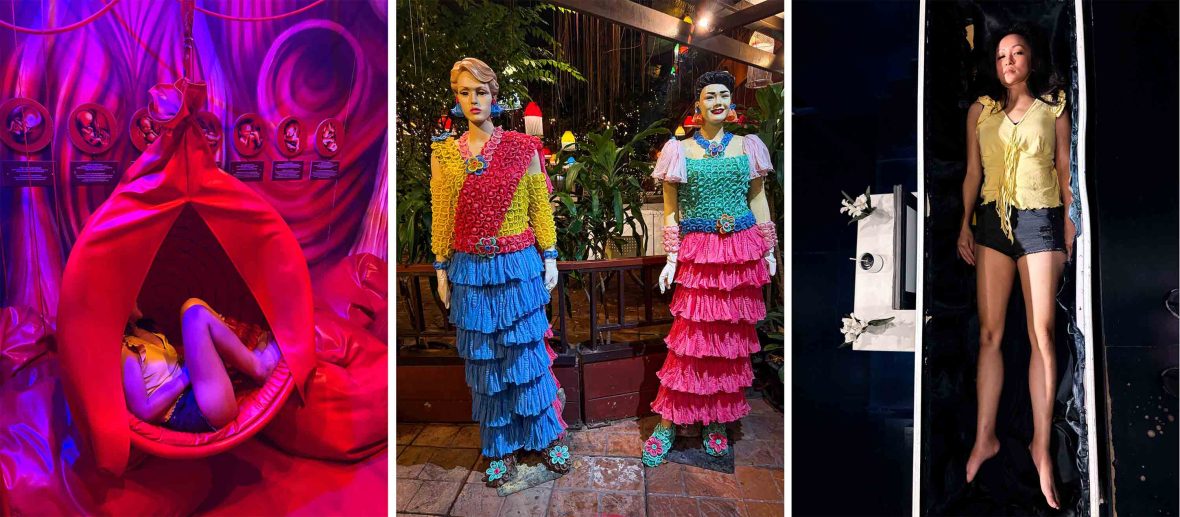
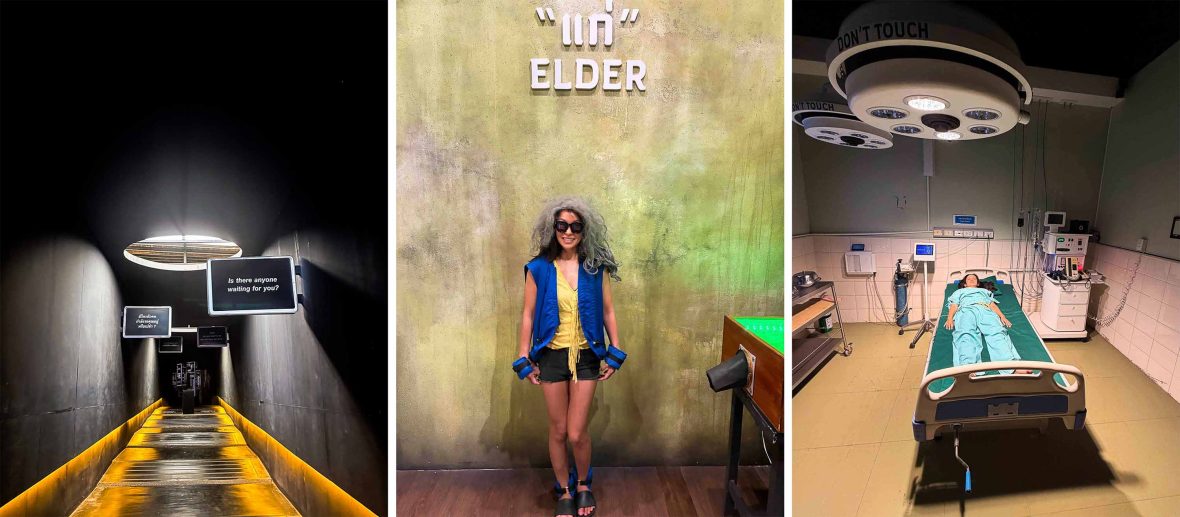
The cafe’s installations take visitors through a symbolic human life cycle divided into distinct sequential rooms: Birth, Elder, Pain, and Death. In the Birth exhibit, visitors encounter womb-like structures meant to evoke fetal existence; the Elder exhibit utilizes weighted vests, sandbags, and visual impairment tools to simulate the physical friction of aging; and the Pain exhibit immerses participants in an intensive care unit (ICU) environment complete with medical gowns, monitors, and synthetic IV setups.
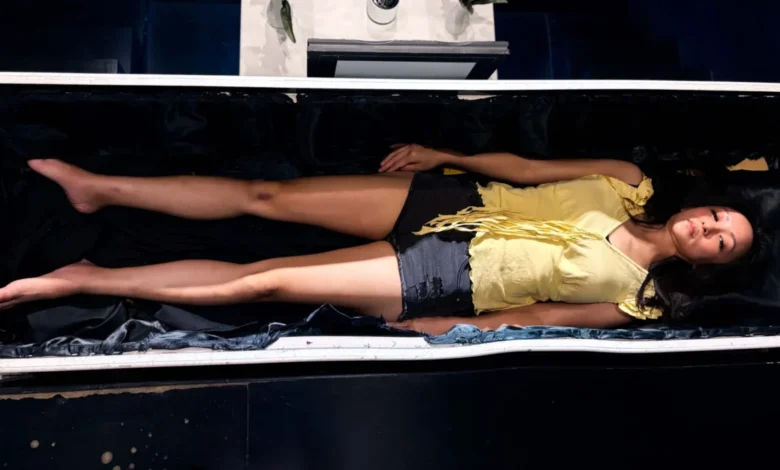
The focal point of the attraction, however, is a wooden coffin situated in the final chamber. Visitors are invited to lie inside and close the lid for a brief period of introspection regarding the finite nature of life. While local neighborhood reactions initially included complaints regarding the delivery of caskets, Rojanaprapa has publicly welcomed the friction, asserting that public discourse about caskets signifies that individuals are actively contemplating their own mortality.
Cultural Frameworks of Death and Impermanence in Thailand
Thailand provides a unique socio-cultural environment for such existential exploration. As a predominantly Theravada Buddhist nation—where approximately 90 percent of the population identifies as Buddhist—mortality is not typically sequestered behind the walls of hospitals and mortuaries as it often is in Western societies. Instead, concepts of impermanence (anicca) and non-self (anatta) are woven into daily life, traditional architecture, and public philosophy.
Major religious landmarks in Bangkok reflect this cosmological framework. At Wat Pho, home to the renowned 151-foot Reclining Buddha symbolizing the historical Buddha’s entry into nirvana, visitors routinely participate in the ritual dropping of coins into 108 bronze bowls to generate merit and reflect on spiritual transition. Similarly, the public embrace of symbolic memorials and open dialogues surrounding aging highlights a cultural willingness to integrate the reality of death into the human experience.
Parallel Public Health Innovations: The Legacy of Mechai Viravaidya
Arnold’s travels also intersected with other unconventional Thai institutions that challenge societal taboos, most notably the Cabbages & Condoms restaurant chain. Founded by prominent social activist Mechai Viravaidya, the establishment emerged from a broader, highly successful public health campaign designed to combat the HIV/AIDS epidemic in Thailand during the late 20th century.
Viravaidya’s initiative revolutionized safe-sex advocacy by introducing condoms into unexpected social spheres—including distribution by traffic police, promotion by taxi drivers, and endorsement by religious figures. Public health data indicates that these aggressive, destigmatizing public education campaigns contributed to an estimated 90 percent reduction in new HIV infections, preventing an estimated 7.7 million transmissions nationwide. By dining surrounded by decor fashioned entirely from contraceptives, visitors engage with a legacy of practical, unvarnished public health interventions that parallel the philosophical unmasking practiced at the death-awareness cafe.
Broader Implications: The Evolution of Grief Tourism and Mental Health
The experiences detailed by Arnold point to a broader cultural shift regarding how individuals process grief and trauma in the 21st century. Traditional Western responses to terminal illness and bereavement have historically emphasized privacy, medical compartmentalization, and emotional shielding—a dynamic reflected in Arnold’s mother attempting to protect her children from the more harrowing details of her medical treatments.
However, the rise of "death cafes," mortality-focused tourism, and somatic therapies suggests a growing public appetite for direct confrontation with existential realities. Psychologists note that engaging with mortality through controlled environments—whether lying in a symbolic coffin in Bangkok or enduring the physical rigor of a Muay Thai clinch—can help individuals externalize abstract anxieties. By converting amorphous dread into tangible, physical experiences, travelers are finding new pathways toward emotional integration and psychological closure.
Conclusion: Transforming Silence into Connection
Ultimately, Arnold’s journey through Bangkok did not eliminate her underlying anxiety, nor did it provide a magical panacea for the impending loss of her mother. Impermanence, as she observed, does not require philosophical belief to exert its reality.
Yet, the deliberate immersion in spaces dedicated to birth, aging, pain, and death yielded a profound internal shift. Moving away from a lifetime of protective silence—where families mutually shield one another from the heaviest realities of existence—Arnold was able to alter her approach to communication. By stepping outside the cafe and utilizing the phone to ask her mother a direct, vulnerable question about the difficulty of her lived experience, the journey transcended mere travel writing. It became a testament to the capacity of human connection to endure even in the lengthening shadow of mortality.