Breaking the Alpine Ceiling: Norie Kizaki and the Evolution of Mountain Guiding Representation

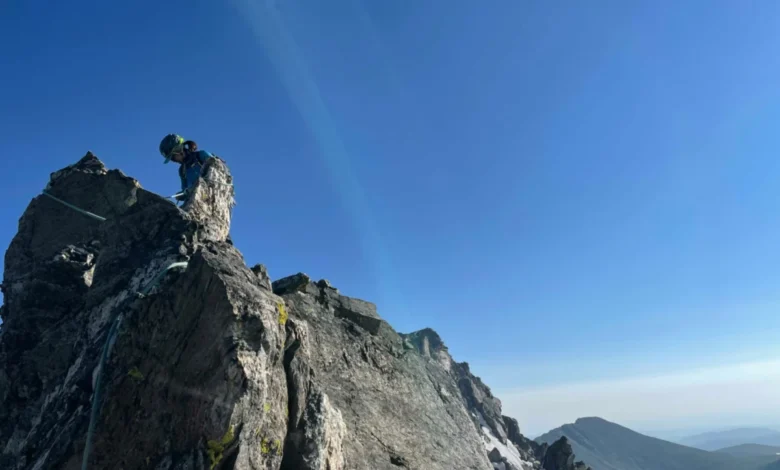
When I first heard of the American Mountain Guides Association nearly six years ago, I did not even know guiding was a viable career option. Entering the outdoor industry via an undergraduate recreation program, my initial professional experiences were defined by a recurring, isolating trend: I was consistently the only woman of color in my cohort, the only woman on my instructor teams, and the only person of color in my Wilderness First Responder certifications. This professional isolation is not unique to my experience; it reflects a broader, systemic demographic imbalance within the high-altitude professional guiding community in the United States.
The American Mountain Guides Association (AMGA), which serves as the primary governing body for professional mountain guides in the U.S., has historically struggled with diversity. Achieving the International Federation of Mountain Guides Association (IFMGA) certification—the pinnacle of the profession—is an arduous, decade-long endeavor requiring rigorous training in rock, alpine, and ski disciplines. It is a path marked by high financial costs, often exceeding tens of thousands of dollars, and an immense time commitment that frequently necessitates a singular, uninterrupted focus. For many, this structure inherently limits participation to those with specific socioeconomic and demographic advantages.
The Chronology of an Unseen Career Path
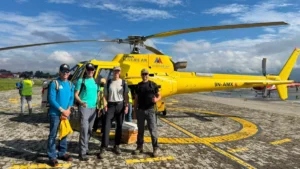
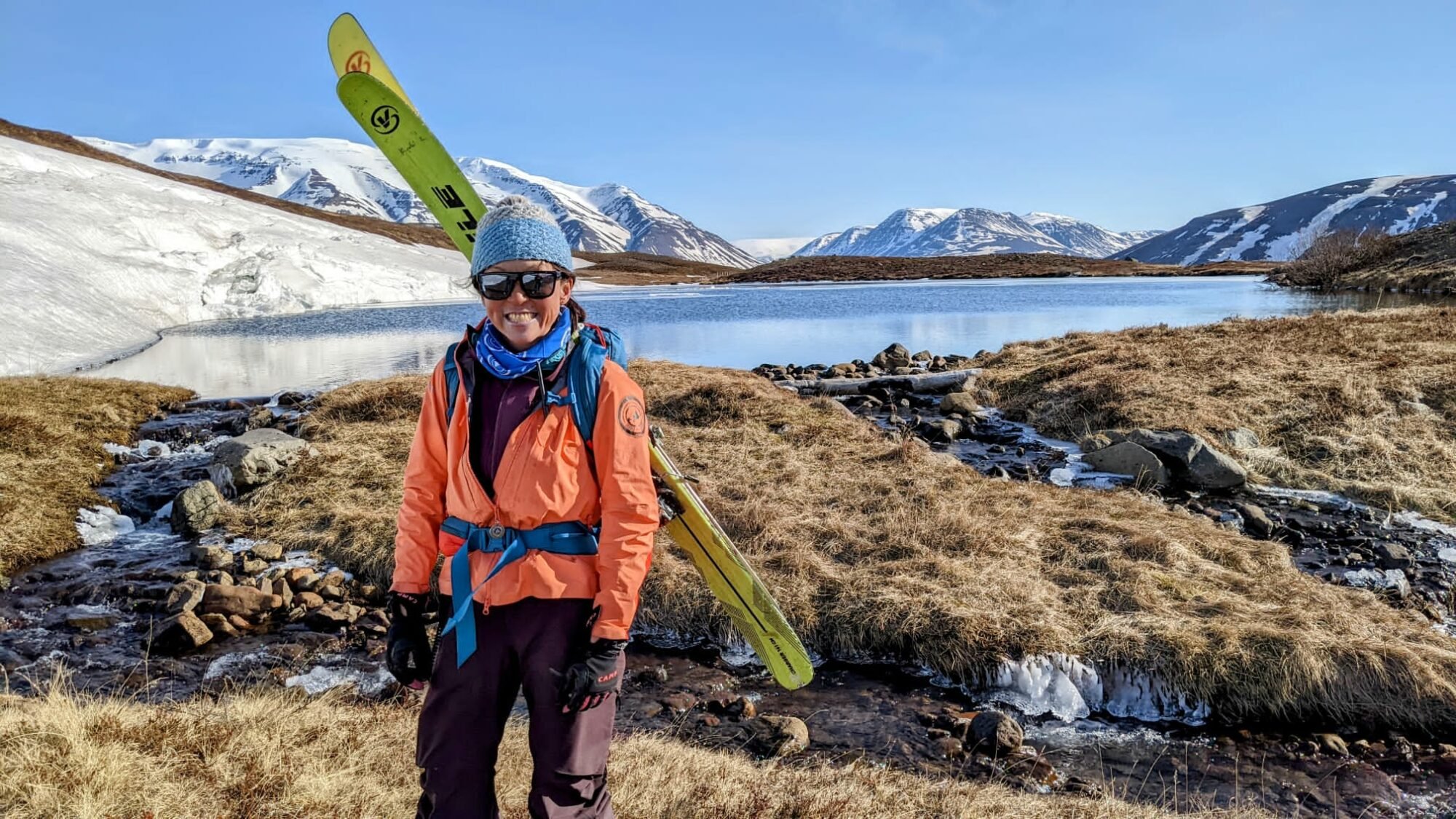
The journey toward professional certification is rarely linear. For Norie Kizaki, a Japanese-American guide based in Colorado, the path was further complicated by immigration status and the societal expectations surrounding motherhood. Kizaki’s introduction to the field occurred over two decades ago through a clinic hosted by Chicks Climbing and Skiing, led by Angela Hawse, a trailblazing IFMGA guide and current AMGA president.
Kizaki’s career trajectory illustrates the structural hurdles faced by immigrant guides. After her initial exposure, she faced visa restrictions that prevented her from transitioning into full-time outdoor work. It took a year of navigating these legal and professional constraints before she could commit to the industry. Following this, she began the multi-year process of AMGA certification. However, the intensity of the program reached a critical juncture when Kizaki chose to prioritize starting a family.
For many female guides, the choice between professional advancement and family life is often perceived as a zero-sum game. The physical toll of the training programs—which require weeks of high-intensity mountaineering and technical assessment—is often incompatible with the early stages of parenting. Kizaki paused her pursuit of the IFMGA pin, eventually becoming a mother in her 40s. It was only after a three-year hiatus that she returned to the field, balancing the responsibilities of motherhood with the final, most taxing components of her certification. In 2021, Kizaki achieved her IFMGA certification, becoming the first U.S.-based woman of color to hold the designation.
Statistical Context and the Representation Gap
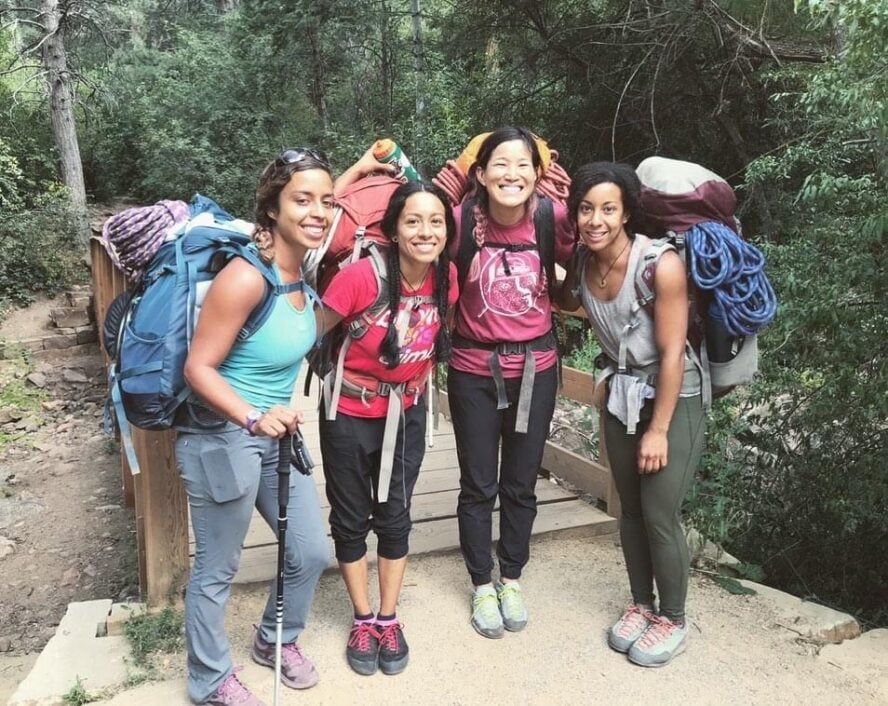
The outdoor industry’s lack of representation is substantiated by a consistent, if sparse, body of data. While the AMGA does not provide a public, real-time demographic breakdown of its certified membership by race, the scarcity of women of color in the upper echelons of the profession has been historically self-evident. Prior to recent efforts by organizations like Brown Girls Climb and shifts in AMGA internal policy, an aspirant looking for a mentor who shared their background could often count the available candidates on their fingers.
The implications of this are significant. The adage "you can’t be what you can’t see" serves as more than a mantra; it is a sociological reality in professional development. When the leadership and expert tier of an industry appear homogenous, it creates a psychological barrier for entry, reinforcing the perception that the space is not intended for underrepresented groups. The success of guides like Kizaki, along with early trailblazers such as Genevive Walker—the first Black woman to achieve Single Pitch Instructor (SPI) certification—and Monserrat Alvarez Matehuala, who documented these shifts, represents a fundamental change in the industry’s landscape.
Institutional Responses and Industry Evolution
The AMGA has begun to respond to these challenges through the implementation of Diversity, Equity, and Inclusion (DEI) initiatives. These programs are designed to provide mentorship, financial support, and structural pathways for marginalized climbers to pursue certification. The objective is to shift the industry from a system that relies on individual persistence against the odds to one that provides institutional support.

The significance of Kizaki’s achievement extends beyond the individual accomplishment. By successfully navigating the IFMGA program while being a mother, Kizaki has challenged the traditional industry narrative that suggests guide certification must be completed in a singular, uninterrupted sprint. Her success provides a template for "career sustainability," a model that emphasizes that professional excellence in mountaineering should not require the sacrifice of personal milestones or family life.
Broader Implications: Sustainability and Access
The push for diversity in the guiding profession is not merely a matter of social optics; it is a functional requirement for the industry’s future. As the climate and the demographics of the United States change, the outdoor industry must broaden its base to remain relevant and effective. Professional guiding is, at its core, a service industry centered on risk management and environmental stewardship. A more diverse cohort of guides brings a wider array of perspectives to risk assessment and client engagement, potentially improving the quality and safety of the services provided.
Furthermore, the "firsts"—the women of color who have broken the trail for others—are now actively involved in creating the systems that will make their own roles less exceptional. This shift from being the "only one" to building a collective community is the most critical development in the field. The focus has moved toward creating sustainable pathways where individuals do not have to endure systemic exclusion to achieve professional recognition.

Conclusion: Reclaiming the Narrative
The experience of being an "only" in the mountains is a duality of burden and honor. While it carries the weight of navigating spaces that were not designed for you, it also provides the unique opportunity to set a new standard. For Kizaki and her peers, the focus is now on the next generation. By advocating for flexible certification timelines and equitable access, these leaders are transforming the guiding profession from a gated community into a more inclusive career path.
The history of mountain guiding is being rewritten not by a single event, but by the accumulation of these individual journeys. Each certification earned by a woman of color acts as a structural reinforcement, making the path easier for those who follow. As the industry continues to evolve, the goal remains clear: to create an environment where the demographics of the mountain guides reflect the demographics of the public they serve. The success of Norie Kizaki serves as a definitive milestone in this ongoing transition, proving that the highest levels of alpine expertise are not, and should not be, the exclusive domain of any single demographic. The future of guiding relies on this democratization of the mountains, ensuring that the next generation of guides can focus on the ascent rather than the struggle to be seen.