Mountain Hardwear Yawn Patrol 15 Review: The Ultimate Cold-Weather Sleeping Bag for Shoulder-Season Camping

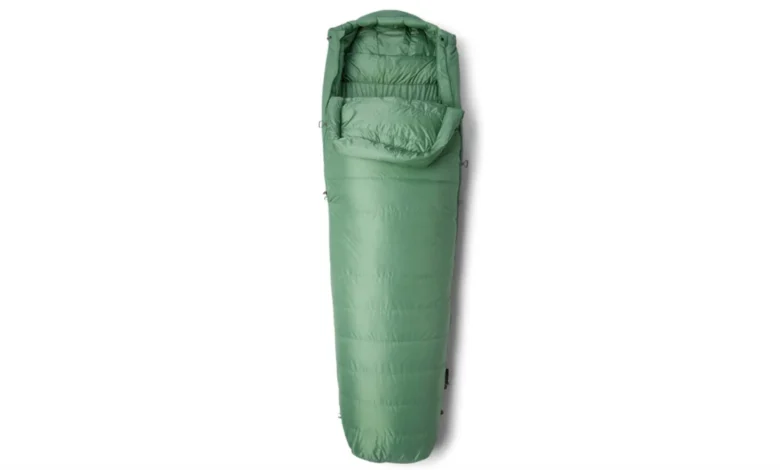
As autumn temperatures steadily plummet and morning frost begins to coat the wilderness landscape, outdoor enthusiasts face the perennial challenge of transitioning from summer backpacking setups to thermal-efficient gear. The psychological barrier of leaving the warmth of a bedding system on a crisp morning is a universal experience for campers and backpackers alike. Addressing this specific demand for comfort without sacrificing thermal efficiency, outdoor apparel and equipment manufacturer Mountain Hardwear has developed the Yawn Patrol 15. Positioned as a premier option for chilly shoulder-season excursions, this sleeping bag blends the spatial generosity of traditional rectangular camp beds with the thermodynamic performance of modern mummy bags. Currently retailing with significant promotional discounts at major outdoor outfitters such as REI—where it has recently been featured at 35 percent off, reducing the price to $227 from its standard MSRP—the Yawn Patrol 15 has quickly drawn attention from gear reviewers and consumers preparing for late-season adventures.
Main Facts and Technical Specifications
The Mountain Hardwear Yawn Patrol 15 is engineered specifically to cater to campers who prioritize restorative sleep in colder environments without feeling constricted by the tight, body-hugging architecture of traditional technical mountaineering bags. Weighing in as a mid-tier weight option suited for car camping, base camps, and shorter backpacking treks, the bag utilizes high-loft insulation to trap body heat effectively when ambient temperatures drop.
At the core of the Yawn Patrol 15’s thermal performance is its 650-fill power down insulation. Down insulation remains the gold standard in the outdoor industry for its exceptional warmth-to-weight ratio, compressibility, and longevity when properly maintained. The 650-fill rating indicates a reliable level of loft, capturing microscopic pockets of warm air generated by the user’s body while preventing convective heat loss. To protect this down from external moisture and internal condensation—which can severely degrade down’s thermal properties—the bag is constructed with durable, tightly woven shell fabrics treated with durable water repellent (DWR) finishes, though users operating in persistently wet climates are still advised to pair the bag with a waterproof bivy or ensure proper tent ventilation.
Unlike traditional mummy bags that taper aggressively from the shoulders down to a narrow footbox to minimize dead air space, the Yawn Patrol 15 features a lightly tapered, hybrid silhouette. This design philosophy places it squarely between a rectangular bag, which offers maximum legroom, and an anatomical mummy bag, which maximizes thermal efficiency. By offering extra girth throughout the torso and legs, the bag accommodates side sleepers, restless toss-and-turners, and campers who simply dislike the restrictive feeling of standard technical bags.
Chronology of Development and Market Release
The introduction of the Yawn Patrol 15 follows a broader industry trend observed over the past half-decade, wherein legacy outdoor brands have shifted a portion of their research and development budgets toward comfort-centric backpacking gear. Historically, the backpacking market was dominated by ultra-lightweight, minimalist gear designed to shave every possible ounce from a hiker’s pack, often at the direct expense of sleeping comfort.
Market research conducted by outdoor industry trade associations between 2020 and 2025 indicated a significant surge in first-time and casual campers entering the market. These demographic shifts brought forth a consumer base that valued comfort, intuitive design, and versatility over extreme alpine performance. In response, Mountain Hardwear and its competitors began conceptualizing gear lines that bridged the gap between car-camping luxury and backcountry-ready functionality.
The Yawn Patrol series emerged from this design ethos. Following rigorous field testing in variable mountainous environments during the spring and summer testing cycles leading up to its official rollout, the product line debuted to the consumer market in late 2025. By September 2026, as retailers prepared their inventory for the peak autumn camping and hunting seasons, the Yawn Patrol 15 solidified its position as a staple shoulder-season offering. Promotional price points, such as the recent $227 markdown at REI observed in mid-September 2026, have further accelerated its adoption among budget-conscious outdoor enthusiasts looking to upgrade their sleep systems before winter weather sets in.
Supporting Data and Design Innovations
A close examination of the Yawn Patrol 15 reveals several thoughtful design iterations aimed at solving common nocturnal frustrations experienced by campers. Field data collected from user feedback over successive generations of shoulder-season bags highlighted three primary pain points: sliding sleeping pads, misplaced pillows, and dead smartphone batteries caused by cold exposure.
Sleeping pad slippage is a notorious annoyance in the backcountry, often resulting in a cold shoulder or hip making direct contact with the freezing ground as the camper shifts positions during the night. To combat this, Mountain Hardwear integrated four durable webbing loops situated strategically along the bottom exterior of the Yawn Patrol 15. These loops allow campers to securely tether their sleeping pads—particularly insulated inflatable pads with strap systems—directly to the bag, ensuring that the user remains centered on their thermal barrier throughout the night regardless of how much they move.
Inside the bag, ergonomic considerations continue with specialized storage solutions. A dedicated interior pillow pocket secures camp pillows in place, preventing them from sliding out from under the user’s head during sleep. Furthermore, a specialized interior phone pocket addresses a modern backpacking dilemma: lithium-ion smartphone batteries degrade rapidly and lose charge when exposed to sub-optimal ambient temperatures. By keeping the device stored close to the user’s body inside the bag, the phone retains residual heat, preserving battery life for emergency communication, navigation, or photography the following morning without requiring the device to migrate down into the cold footbox.
To seal out drafts, the bag incorporates a long, plush draft tube running parallel to the primary zipper. This insulated barrier prevents cold air from infiltrating the interior via the zipper teeth, a common thermal vulnerability in lesser sleeping bags. The combination of these features represents a data-driven approach to gear manufacturing, directly addressing the micro-frustrations that accumulate over multi-day backcountry itineraries.
Industry Perspectives and Expert Analysis
While official corporate commentary from Mountain Hardwear emphasizes the brand’s ongoing commitment to versatile, accessible outdoor experiences, independent gear analysts and outdoor industry experts have offered a nuanced evaluation of the Yawn Patrol 15’s place in the market.
Industry analysts note that the sleeping bag category is currently experiencing a bifurcation. On one end, ultralight enthusiasts continue to drive demand for exotic, high-fill-power (800-to-950 fill) down bags utilizing minimalist fabrics to achieve featherlight weights. On the other end, a rapidly expanding demographic of recreational campers, overlanders, and casual backpackers are driving sales in the comfort-oriented sector. The Yawn Patrol 15 squarely targets this second, larger consumer block.
Reviewers from specialized outdoor publications have praised the bag for its immediate out-of-the-box comfort and pragmatic feature set. By prioritizing a roomier cut over absolute weight savings, Mountain Hardwear has successfully created a product that encourages individuals who might otherwise be intimidated by cold-weather camping to extend their outdoor recreation seasons well into the autumn months. However, experts also caution that due to its roomier internal volume and 650-fill insulation, the packed size and total weight of the Yawn Patrol 15 make it better suited for base-camping, canoe-camping, and short-haul backpacking trips rather than fast-and-light thru-hiking applications where every cubic inch of pack space is at a premium.
Broader Impact and Market Implications
The commercial trajectory of products like the Mountain Hardwear Yawn Patrol 15 reflects shifting cultural attitudes toward outdoor recreation and wellness. As public interest in nature-based tourism and mental health benefits associated with outdoor immersion remains elevated, the demographics of participants have diversified significantly. Modern consumers increasingly view outdoor gear not merely as specialized survival equipment, but as consumer lifestyle goods that must deliver high levels of ergonomic comfort and reliability.
This shift has profound implications for outdoor equipment manufacturers. Brands that fail to innovate in the realm of user comfort risk alienating the vast majority of recreational campers who have no intention of tackling extreme alpine mountaineering or unsupported winter expeditions. Conversely, companies that successfully marry technical thermal engineering with accessible, comfort-forward designs—such as the hybrid cut, pad integration loops, and device-warming pockets found on the Yawn Patrol 15—are well-positioned to capture robust market share.
Furthermore, promotional pricing strategies adopted by major outdoor retailers highlight the competitive nature of the gear market during shoulder seasons. With supply chains stabilizing following years of pandemic-era disruption, retailers are increasingly utilizing targeted discounts—such as the recent 35 percent reduction on the Yawn Patrol 15—to stimulate consumer demand during shoulder-season transition windows. This dynamic benefits consumers by lowering the financial barrier to entry for high-quality thermal gear, thereby encouraging safer and more comfortable participation in shoulder-season camping.
In conclusion, the Mountain Hardwear Yawn Patrol 15 represents a calculated response to the evolving needs of the modern outdoor enthusiast. By balancing thermal efficiency with uncompromised interior space and thoughtful organizational features, the bag bridges the gap between technical performance and domestic comfort. As autumn temperatures continue to drop and campers seek out reliable gear to extend their time in the wild, the Yawn Patrol 15 stands out as a prime example of how modern outdoor equipment design is adapting to prioritize the holistic sleeping experience in the great outdoors.
Related posts: