A Journey into Sabah’s Untamed Heart: Unveiling the Proboscis Monkey and Firefly River Cruise near Kota Kinabalu

While many visitors to Kota Kinabalu gravitate towards its vibrant waterfront for evening leisure, a profound natural spectacle awaits just an hour’s drive from the city’s pulse. Here, a tranquil river meanders through dense mangrove forests, a critical ecosystem supporting a wealth of biodiversity. By day, the trees host the distinctive proboscis monkeys, feeding among the branches, while after sunset, the same arboreal canvas transforms into a breathtaking light show orchestrated by thousands of synchronized fireflies. This dual-phase river cruise offers an immersive encounter with Sabah’s unique wildlife and natural rhythms, providing a stark contrast to urban life and underscoring the delicate balance of its ecosystems. This comprehensive guide delves into the combined proboscis monkey and firefly river cruise near Kota Kinabalu, examining the diurnal and nocturnal transformations, the ecological significance of the habitat, the challenges and triumphs of ecotourism, and the profound importance of present observation in an age of constant documentation.
From Urban Bustle to Mangrove Serenity: The Departure
The experience commences with a seamless pickup from designated points within Kota Kinabalu, signaling the gradual transition from the urban sprawl to the tranquil embrace of nature. As vehicles depart the city, the concrete landscape progressively yields to more open vistas, the quality of light softens, and the very air begins to shift, carrying the subtle scents of distant foliage and fresh water. Upon arrival at the river jetty, often a rustic structure nestled amidst verdant surroundings, the transformation is palpable. Small, unassuming boats await, poised on the calm waters, flanked by towering mangrove trees that line both banks. This immediate sense of quietude, a profound stillness absent in the city, serves as the initial indicator of entry into a different, more primal facet of Sabah’s natural heritage. This calm is not merely an absence of noise; it is the perceptible hush of an ecosystem in balance, an invitation to slow down and observe.
The Daytime Expedition: Mangroves and Macaques
The initial leg of the journey, the daytime cruise, is meticulously designed for quiet observation. Boats navigate the waterways at a deliberately slow pace, a crucial methodology to minimize disturbance to the delicate ecosystem. Rapid movement and loud engine noise can disrupt wildlife, driving animals deeper into the impenetrable foliage. The measured pace allows passengers ample opportunity to absorb their surroundings and for wildlife to habituate to the vessel’s presence.
The mangrove forests themselves are a marvel of natural engineering, appearing as an impenetrable tangle from a distance, yet revealing a vibrant, interconnected web of life upon closer inspection. These coastal wetlands are among the most biodiverse and productive ecosystems on Earth, acting as critical nurseries for marine life, natural barriers against coastal erosion, and significant carbon sinks. In Sabah, mangroves support an extraordinary array of species, from countless bird species that call from the dense canopy to a complex array of insects that tick and hum, creating a living symphony. The water, often mirroring the sky, remains calm, allowing for an acute auditory distinction between the gentle lapping of the river and the rustling sounds emanating from the forest’s depths.
The Proboscis Monkey: An Endemic Icon of Borneo
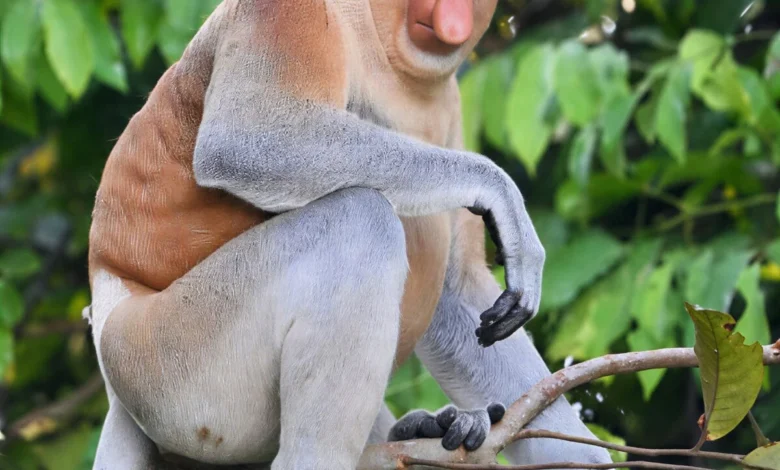
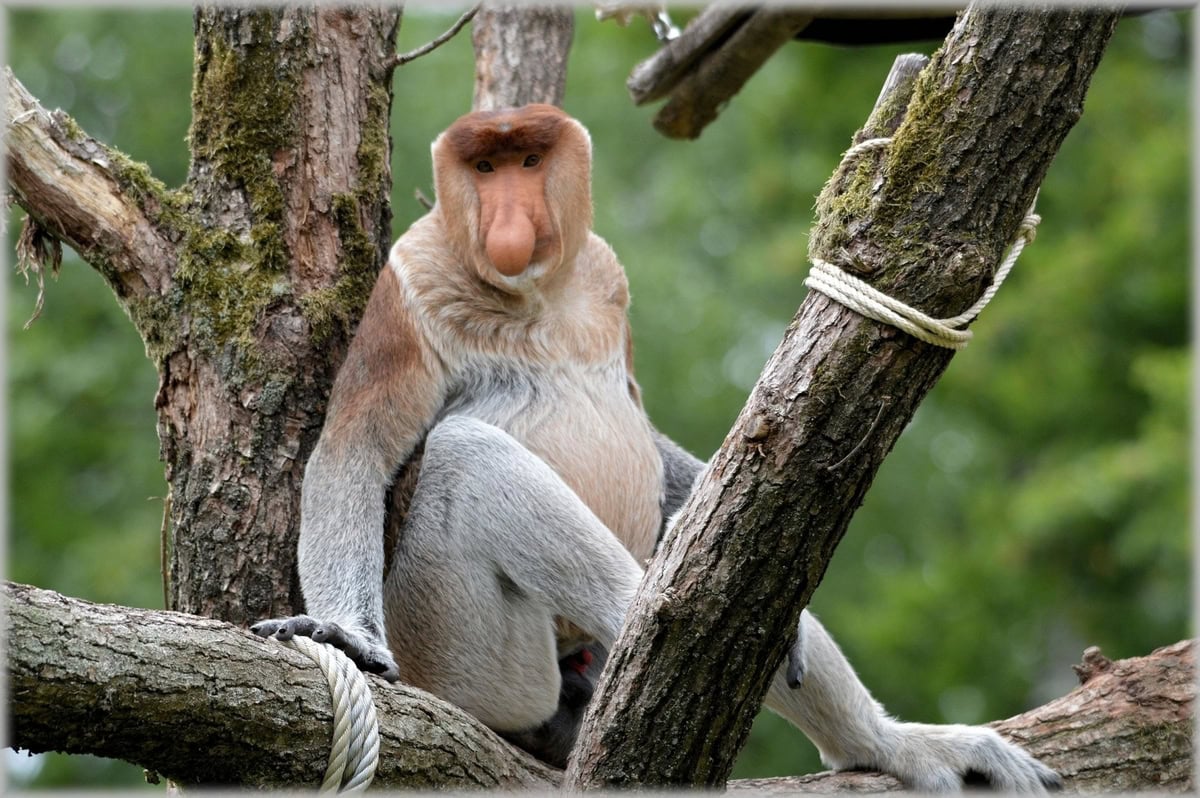
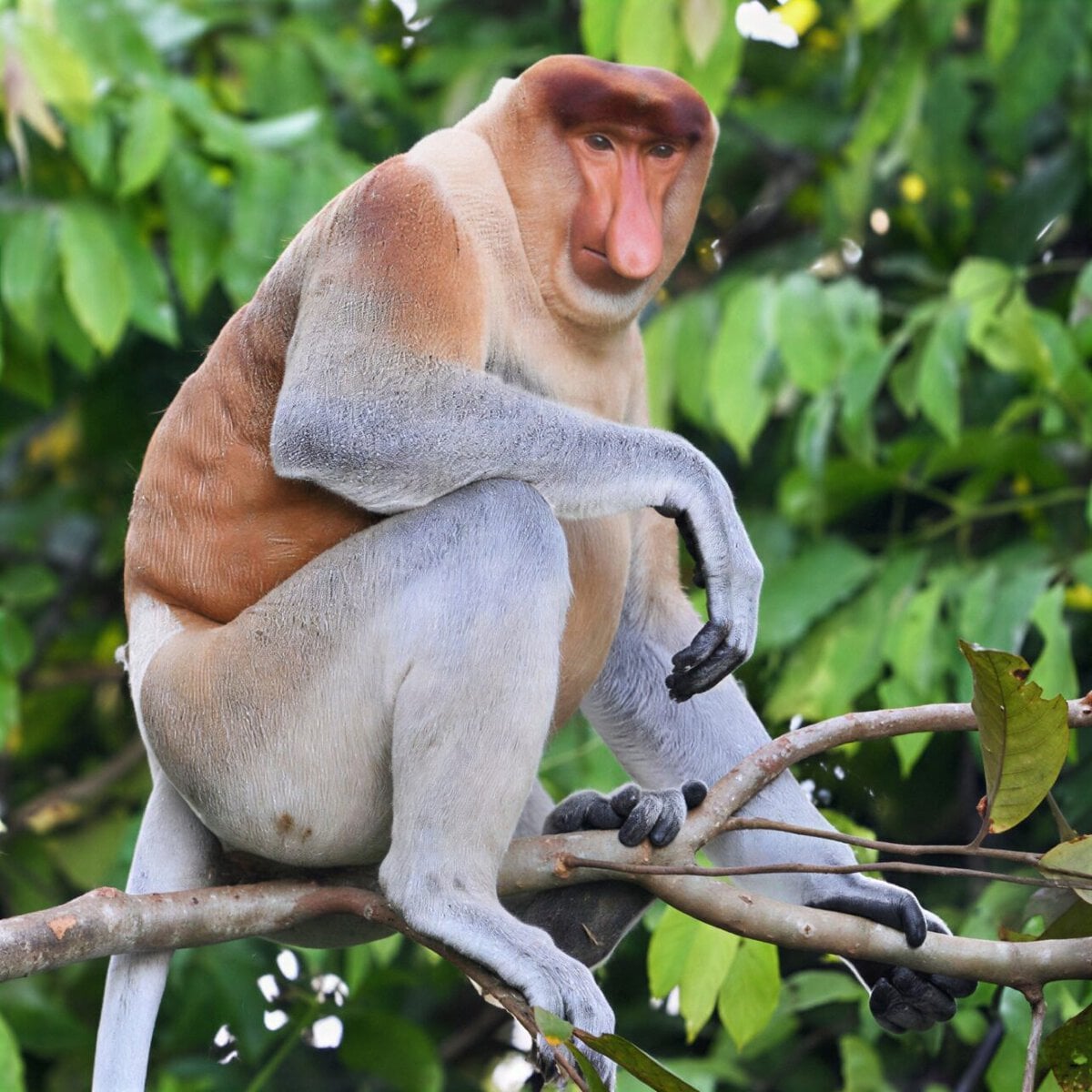
The highlight of the daytime excursion is the quest for the proboscis monkey (Nasalis larvatus). These captivating primates, instantly recognizable by the males’ distinctive, elongated noses, are endemic to the island of Borneo and are almost exclusively found in mangrove and riverine forest habitats. Their presence is a testament to the health and integrity of these specific ecosystems. Proboscis monkeys are arboreal, moving with surprising agility through the upper branches in small, cohesive groups, often comprising a dominant male, several females, and their offspring.
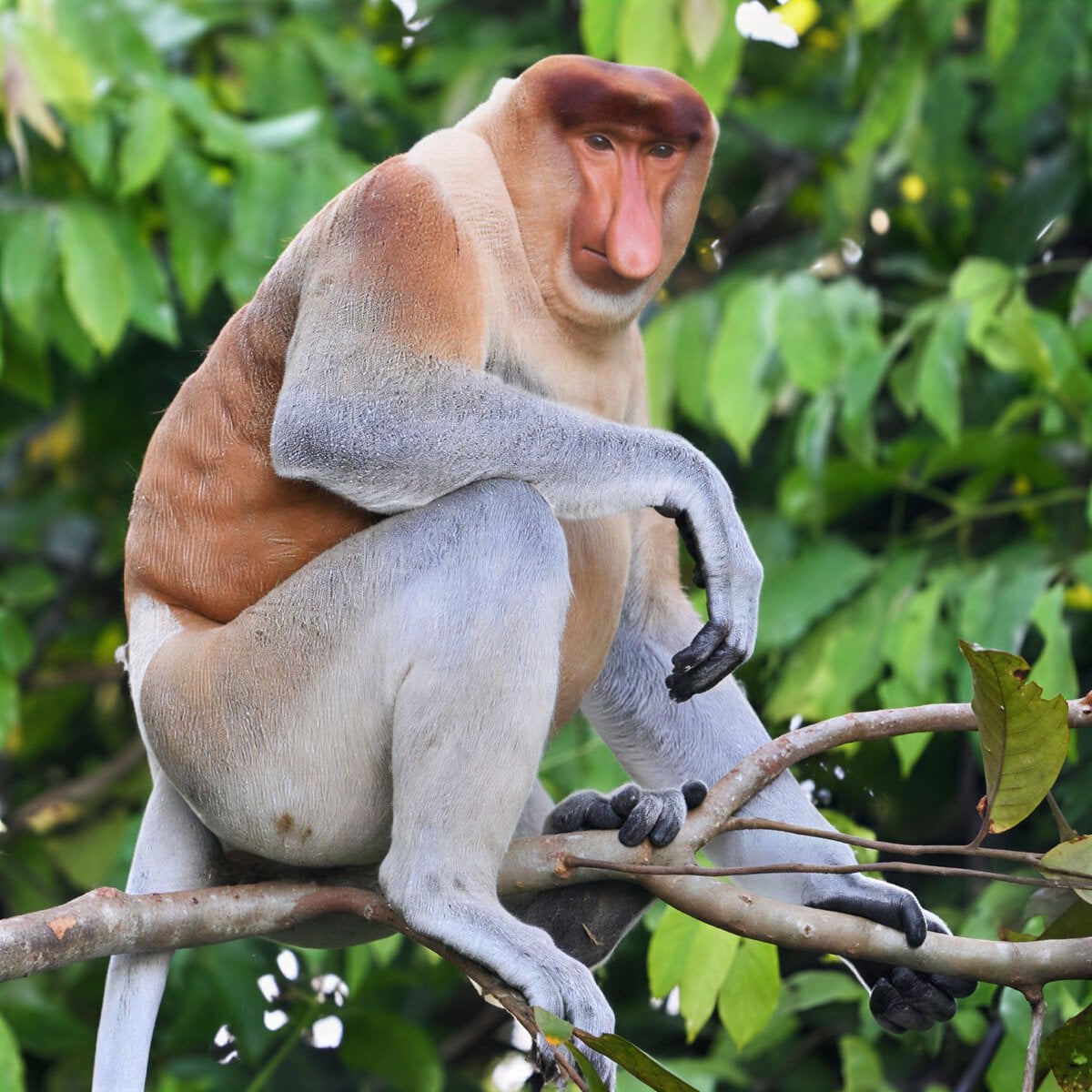
Observing these magnificent creatures requires patience and keen eyesight. Unlike a scheduled performance, their appearance is unscripted and spontaneous. Guests are encouraged to scan the trees, allowing their eyes to adjust to the subtle movements within the dense foliage. A common anecdote among tour operators recounts a guest who, upon spotting a proboscis monkey, instinctively raised their camera but then slowly lowered it, opting to simply observe. This moment of pure, unmediated connection with nature, unburdened by the compulsion to document, is frequently cited as a profound takeaway from the experience. It underscores a fundamental truth in wildlife watching: the most vivid memories are often forged when the lens is set aside, allowing for unhindered engagement with the present.
The expertise of local river guides is indispensable during these encounters. Many guides in Sabah possess an intimate, lifelong knowledge of these rivers and their surrounding villages, having grown up within these environments. Their insights extend beyond mere spotting; they offer nuanced observations about monkey behavior, explain intricate river routes, and convey a quiet, ingrained respect for the natural world that subtly influences and enriches the guests’ experience. This local wisdom significantly enhances the chances of a meaningful sighting, transforming a mere viewing into an educational and culturally resonant interaction.
IUCN Red List Status and Conservation: The proboscis monkey is classified as "Endangered" on the IUCN Red List of Threatened Species. Their population has declined by over 50% in the last 36-40 years, primarily due to habitat loss from deforestation for palm oil plantations and logging, as well as hunting. Ecotourism initiatives like this river cruise play a vital, albeit complex, role in their conservation by raising awareness, providing economic incentives for local communities to protect their habitat, and funding conservation efforts. However, responsible tourism management is crucial to minimize disturbance to these sensitive animals.
Sunset’s Embrace: A Gentle Transition
As the afternoon light wanes, casting long shadows across the water, the atmosphere on the boat undergoes a subtle yet profound shift. The air cools perceptibly, a gentle breeze often sweeps off the river, and the colors painting the mangrove landscape transition through a spectrum of warm hues – from golden yellows to deep oranges and purples. This transition is organic; there is no designated "sunset stop," but rather an collective, unspoken acknowledgment of the moment as the river itself seems to hold time. Passengers, previously engaged in conversation or photography, tend to fall silent, collectively immersed in the natural grandeur.
This period also marks a pause for sustenance. The experience typically includes a simple, yet authentic, local dinner served before the evening cruise. These meals often feature traditional Malaysian flavors, characterized by light spices and fresh ingredients, providing a comforting and culturally immersive interlude without overwhelming the senses before the nocturnal adventure. It’s a taste of Sabah’s culinary heritage, grounding the visitor further in the local experience.
The Evening Cruise: A Symphony of Bioluminescence
Following dinner, the boats once again venture onto the river, embarking on an entirely different sensory journey. The evening cruise unfolds under the cloak of darkness. The sky deepens to an inky black, and the once-familiar mangrove trees are reduced to silhouetted forms against the even darker expanse. Then, gradually, almost imperceptibly at first, tiny pinpricks of light begin to emerge within the dense foliage.
Fireflies, or lightning bugs, do not announce their presence with a sudden burst. Their appearance is a slow, magical unfolding, beginning with a solitary spark, then a scattering of a few more, until entire sections of the trees begin to glow with a mesmerizing, synchronized pulse. This phenomenon, where thousands of individual fireflies flash in unison, is a testament to the complex communication and mating rituals of certain firefly species, creating an illusion that the mangroves themselves are breathing, a living, pulsating entity. Scientific research suggests that this synchronized flashing is a highly efficient way for male fireflies to attract mates in species-specific patterns.
The transformation in the guests’ demeanor during this phase is remarkable. Those who began the tour with animated discussions and constant camera clicks invariably fall silent. This quietude is not enforced; it is a natural consequence of the profound beauty and stillness of the moment. The river, the enveloping darkness, and the rhythmic, silent dance of the lights collectively exert a powerful, almost meditative, influence.
It is precisely at this juncture that guides often reiterate the wisdom of setting aside cameras. The firefly display, with its peripheral glow, the ambient sounds of the nocturnal river, and the unique sensation of gliding through the dark amidst pulsing lights, defies easy capture by a lens. The experience is holistic and ephemeral; it does not compress well into a two-dimensional frame. It requires presence, full immersion, and an appreciation for something that must be felt rather than merely seen or recorded.
Aramaiti: Embracing the Moment
In Sabah, there exists a profound expression, "aramaiti," which loosely translates to "let’s go" or "let’s enjoy." It functions as an invitation to embrace the present, to participate fully, and to release any inhibitions or the urge to overanalyze. This sentiment perfectly encapsulates the firefly experience on the river. It encourages travelers to transcend the role of a passive observer or a photographer and instead become an active participant in the unfolding magic, to simply watch, feel, and absorb.
Ecotourism in Sabah: A Delicate Balance
Sabah, a Malaysian state on the island of Borneo, is renowned globally for its rich biodiversity and commitment to ecotourism. The proboscis monkey and firefly river cruise is a prime example of how the region leverages its natural assets to attract visitors while aiming to promote conservation. According to statistics from the Sabah Tourism Board, nature-based tourism is a significant contributor to the state’s economy, supporting numerous local communities. In 2023, Sabah welcomed over 2.6 million tourists, with a substantial portion seeking out its unique wildlife and natural landscapes. These tours not only provide direct economic benefits through employment for guides, boat operators, and hospitality staff but also create indirect economic spin-offs for local vendors and service providers.
However, ecotourism presents a delicate balance. While it offers a powerful mechanism for conservation funding and community engagement, it also carries the inherent risk of environmental degradation if not managed sustainably. The Sabah Parks and Wildlife Department, alongside various NGOs, works to establish guidelines for tour operators, focusing on minimizing ecological footprints, managing visitor numbers, and educating tourists on responsible wildlife viewing practices. For instance, regulations often dictate boat speeds, permissible viewing distances from wildlife, and strict adherence to waste management protocols to protect the sensitive mangrove habitat.
The Broader Implications: Education, Awareness, and Stewardship
Beyond the immediate economic benefits, tours like the river cruise serve a crucial educational purpose. They offer visitors a tangible connection to endangered species like the proboscis monkey and highlight the ecological importance of often-overlooked habitats such as mangroves. This direct engagement can foster a deeper understanding and appreciation for biodiversity, inspiring guests to become advocates for conservation. For many, seeing these creatures in their natural environment is a transformative experience, far more impactful than any documentary or textbook.
The increasing threat of light pollution, particularly in regions experiencing rapid development, poses a challenge to firefly populations. The synchronized flashing of fireflies is a complex mating ritual, and artificial light can disrupt their communication, impacting reproduction rates. Similarly, habitat encroachment from agricultural expansion and urban development continues to threaten mangrove forests. Responsible tourism, therefore, not only provides a revenue stream but also acts as a public awareness campaign, reminding visitors and locals alike of the intrinsic value of these fragile ecosystems and the urgent need for their protection.
The Return Journey: Echoes of Stillness
The cruise concludes with a quiet journey back to Kota Kinabalu. The city reappears gradually, its lights, traffic, and familiar sounds slowly reasserting themselves. Yet, the return trip is often marked by a contemplative silence among guests. The evening’s experiences, though not overtly overwhelming, instill a profound sense of stillness, a quiet immersion that takes time to dissipate.
This lingering quietude is often overlooked in typical travel write-ups that might label this solely as a "wildlife tour." While the proboscis monkeys are indeed a significant draw and well worth seeing, the essence of the experience is far more encompassing. It is a slow, unfolding river journey, punctuated by a breathtaking sunset, nourished by local flavors, and culminating in the ethereal dance of fireflies in the dark. It is not merely a sequence of highlights but a holistic, sensory-rich evening that emphasizes presence, connection, and an appreciation for the subtle wonders of Sabah’s natural world.
Practical Considerations for the Eco-Conscious Traveler
- Transportation: Hotel pickup and drop-off from Kota Kinabalu are typically included, eliminating the need for independent transport to the often remote river jetties.
- Timing: The experience is a half-day commitment, commencing in the late afternoon and extending into the evening to encompass both the diurnal wildlife viewing and the nocturnal firefly spectacle.
- Essentials to Bring:
- Clothing: Light, breathable attire suitable for warm, humid daytime conditions, with an understanding that evenings on the water can be slightly cooler.
- Insect Repellent: Crucial for comfort in a mangrove environment.
- Bag: A small, preferably waterproof or dry bag, for safeguarding electronic devices like phones and cameras.
- Footwear: Comfortable shoes that can tolerate potential dampness around the jetty area.
- Suitability: This tour is ideal for solo travelers, couples, and small groups who appreciate a slower, more observational pace. It is less suited for those seeking high-energy activities. While calm, the extended evening section, particularly the firefly viewing, rewards patience and quiet contemplation. Operators recommend checking age guidelines for children, as very young children may find the duration challenging, though the gentle nature of the cruise can appeal to older, more attentive children.
- Wildlife Guarantee: As with all wildlife tours, sightings of proboscis monkeys cannot be guaranteed. However, the specific mangrove habitats frequented by these tours are known active areas, and the expertise of local guides significantly enhances the likelihood of an encounter. Any operator guaranteeing sightings should be viewed with skepticism.
- Photography: While a camera is welcome, especially for daytime wildlife, it’s advised that standard phone cameras struggle with low-light conditions on a moving boat for fireflies. Professional gear (DSLR/mirrorless with fast lenses) might capture more, but the true essence of the firefly display is best experienced by putting the camera down and being present.
- Weather: Rain is a natural part of tropical Sabah. Light showers are common and generally do not impede the experience, with boats usually equipped with overhead cover. Heavy rain, however, can affect firefly visibility as the insects may retreat. Guides often note the refreshing, earthy scent of the mangroves after a shower as an unexpected highlight.
The river cruise near Kota Kinabalu transcends a mere sightseeing excursion. It is an invitation to witness the intricate beauty of Borneo’s natural world, to connect with its unique inhabitants, and to reflect on the vital importance of preserving these precious ecosystems. It is a profound reminder that some of life’s most extraordinary moments are best savored in silent, present appreciation.