Expanding Your Horizons: How to Seamlessly Extend Your Moroccan Itinerary into Neighboring Territories and Europe

Many international travelers arrive in Morocco captivated by the sensory allure of its historic medinas and vast desert landscapes, often overlooking the geographic reality that the kingdom serves as a primary gateway to three distinct regions: Western Europe, the Atlantic islands, and the broader Saharan expanse. Because of its strategic position at the crossroads of the Mediterranean and the Atlantic, Morocco offers a unique logistical opportunity for travelers to expand their itineraries into Spain, the British territory of Gibraltar, the Canary Islands, and the vast frontiers of Mauritania. Understanding the transit mechanisms, geopolitical nuances, and border regulations of these regions is essential for any traveler looking to transition seamlessly between these diverse cultural landscapes.
The Geopolitical Gateway: Connecting Morocco and Spain
The most frequented transit corridor from Morocco is the Strait of Gibraltar, a narrow waterway spanning just 14 kilometers (roughly nine miles) at its closest point. This maritime bridge has facilitated trade, migration, and tourism for centuries. For contemporary travelers, the connection between the port of Tangier and the southern Spanish ports of Algeciras and Tarifa represents one of the most efficient international transit routes in the world.
From a regulatory standpoint, the majority of Western travelers—including citizens of the United States, the United Kingdom, Canada, and the European Union—benefit from a visa-free entry policy for both Morocco and the Schengen Area, provided their passports remain valid for at least six months beyond their date of departure. This administrative ease, coupled with high-frequency ferry services, makes the transition between the African and European continents a matter of a few hours.

Major operators, including FRS (DFDS), Balearia, and Trasmediterránea, manage the logistics of this route, utilizing a fleet of high-speed catamarans and conventional ferries. Data from regional maritime authorities indicates that millions of passengers transit this corridor annually, particularly during the summer months when the “Operation Crossing the Strait” (Operación Paso del Estrecho) facilitates the movement of Moroccan expatriates returning from Europe. Travelers are advised to book in advance during peak seasons to account for high demand and potential weather-related delays, which can impact the scheduling of the Strait’s maritime traffic.
The Enclaves of Ceuta and Melilla: A European Presence in Africa
An often-overlooked dimension of travel in this region is the presence of the Spanish autonomous cities of Ceuta and Melilla. Located directly on the North African coast, these territories are integral parts of the Spanish state and, by extension, the European Union.
When traveling from Morocco into either Ceuta or Melilla, visitors are effectively crossing an international border between a non-EU country and the Schengen Zone. This requires formal passport control and customs clearance. Historically, these borders have been subject to intense political scrutiny and security updates. Travelers should be prepared for potential queues at the land crossings, which are subject to the fluctuating diplomatic climate between Rabat and Madrid. Despite the logistical rigor of these borders, the cities offer a unique synthesis of Andalusian architecture and North African geography, providing a distinct cultural experience for those interested in the complexities of colonial history and modern European administration.
Maritime Transit to the Canary Islands
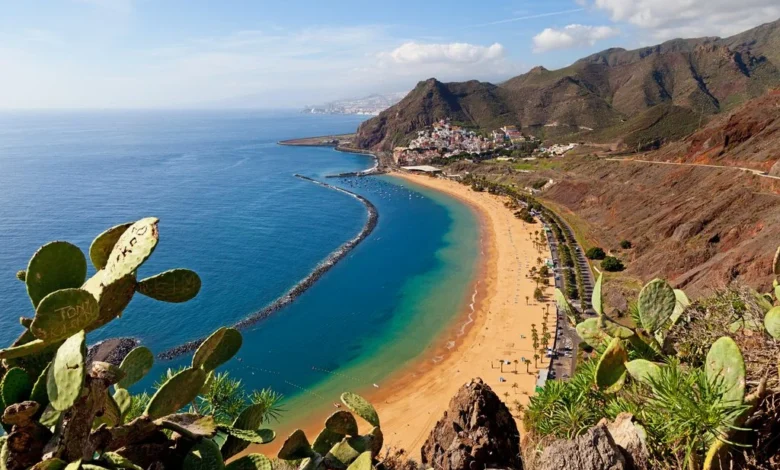
Located approximately 100 kilometers off the coast of Southern Morocco, the Canary Islands represent an Atlantic extension of the Spanish archipelago. While many travelers reach these islands via direct flights from mainland Europe, there is an established maritime link from the port of Tarfaya and other southern Moroccan hubs to islands like Lanzarote and Fuerteventura.

The Canary Islands are characterized by their volcanic geology and temperate climate, serving as a hub for both the tourism and renewable energy industries. For travelers, the transit from the Moroccan coast to the islands offers a shift from the arid Saharan environment to a lush, maritime climate. Because the Canary Islands are a Spanish territory, the same European entry regulations apply. It is important to note that while the islands are physically closer to the African continent than to the Spanish mainland, they remain administratively and economically tethered to Madrid, influencing everything from currency (the Euro) to public infrastructure standards.
The Strategic Position of Gibraltar
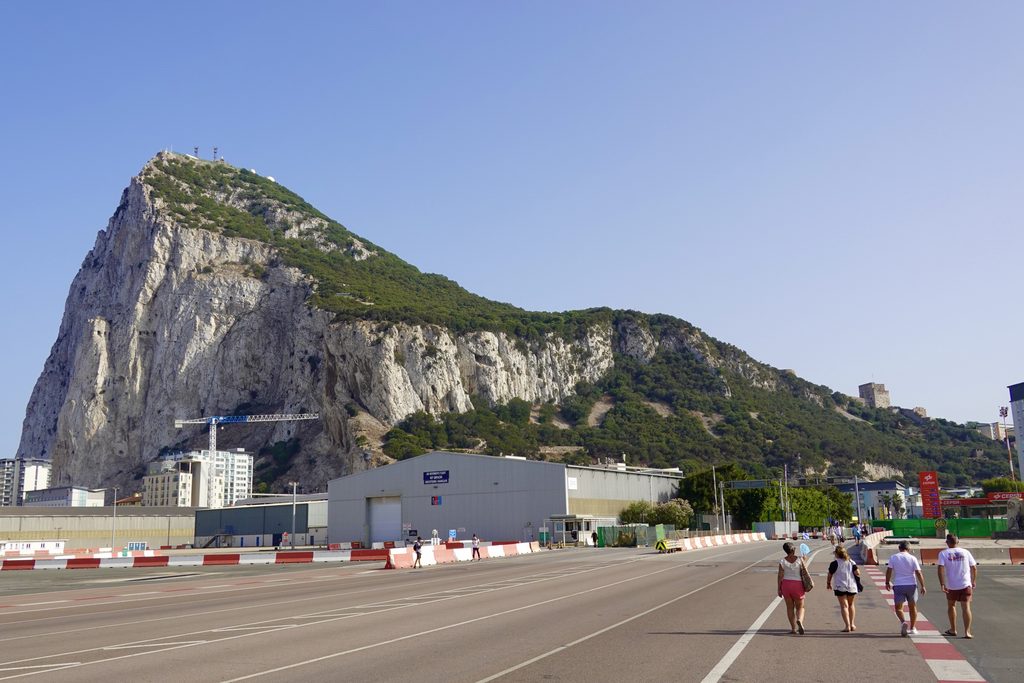
The British Overseas Territory of Gibraltar, located at the southern tip of the Iberian Peninsula, remains a geopolitical outlier. Accessing Gibraltar from Morocco typically involves a ferry transit to Spain followed by a short overland journey. Gibraltar is renowned for its iconic limestone monolith—the Rock of Gibraltar—and its unique status as a British jurisdiction with a Mediterranean climate.
From an administrative perspective, Gibraltar maintains its own border control, which is separate from the Schengen Area. Travelers entering from Spain must pass through customs, as Gibraltar is not a member of the Schengen Agreement. The territory’s role as a financial and shipping hub has remained stable, and it continues to be a site of significant interest for historians and tourists alike, particularly regarding its strategic importance during the Napoleonic Wars and the Second World War.
Navigating the Western Sahara and Mauritania
Travelers looking to venture south into the Western Sahara or across the border into Mauritania face a different set of challenges. The Western Sahara, a territory largely administered by Morocco, is a region of vast, open landscapes and sparse population. Coastal cities like Dakhla have gained international recognition as premier destinations for kitesurfing and desert sports. However, the region remains subject to specific diplomatic considerations, and travelers are strongly encouraged to consult the latest travel advisories issued by their home governments.
The crossing from the Western Sahara into Mauritania is a significant undertaking. The border post at Guerguerat represents the transition from the Moroccan-administered territory into the Islamic Republic of Mauritania. This route is not a standard tourist corridor; it is a rugged path that demands a high level of self-sufficiency. Travelers are required to obtain a Mauritanian visa, often available at the border, though the process is subject to change. Given the remoteness of the region, it is essential to carry sufficient supplies, including fuel, water, and emergency communication equipment. The geopolitical landscape of Mauritania is influenced by its history within the Sahel, and the region requires an awareness of local security trends.
The Closure of the Morocco-Algeria Border
While Morocco offers diverse options for regional expansion, it is critical to note the enduring closure of the land border between Morocco and Algeria. Sealed since 1994, this border remains a testament to the complex diplomatic relations between the two nations. All attempts to traverse this frontier by land will be unsuccessful, as the checkpoints are heavily monitored and entirely closed to the public. Furthermore, there are no direct commercial flights operating between the two countries. Travelers wishing to visit both nations must route their travel through a neutral third country, such as Tunisia or France. This logistical reality underscores the importance of pre-trip planning for anyone aiming to traverse the Maghreb region.
Broader Impact and Regional Implications
The ability to cross these borders is more than just a matter of tourism; it is a reflection of the centuries-old interconnectedness of the Mediterranean basin. The movement of people, goods, and cultural influence across the Strait of Gibraltar has defined the historical development of both North Africa and Southern Europe.
Modern infrastructure, including high-speed ferry terminals and regional airports, has lowered the barriers to cross-border transit, yet the geopolitical realities of these territories remain paramount. The presence of the European Union in North Africa (via Spain) and the unique status of the Western Sahara create a complex landscape that requires the modern traveler to be both mobile and well-informed.
For the international community, the continued stability of these transit corridors is vital. Whether it is the economic exchange between Morocco and the Spanish mainland or the specialized travel routes through the desert, the ability to move between these regions provides a broader perspective on the cultural synthesis that defines the North African and Southern European experience. As international travel continues to evolve, these borders remain as conduits for understanding the enduring ties that link Africa, Europe, and the Atlantic. Travelers who take the time to navigate these connections responsibly are rewarded with a deeper appreciation for the historical and contemporary realities that bridge these two worlds.