The Evolving Landscape of Travel: Embracing Extended Stays in US Cities for Deeper Immersion

Modern travel is undergoing a profound transformation, shifting decisively from rapid-fire sightseeing to more deliberate, immersive experiences. This paradigm shift, often termed "slow travel," encourages individuals to move beyond the superficial tourist circuit and truly integrate into the daily rhythms and authentic character of a destination. Central to this evolution is the rising popularity of extended stays in U.S. cities, allowing travelers to inhabit a place rather than merely visit it, fostering a deeper understanding of local culture, community, and lifestyle.
The advent of remote work has catalyzed this trend, granting professionals unprecedented flexibility to blend work and exploration. No longer tethered to a physical office, a significant portion of the workforce can now choose their "office" from virtually anywhere with a reliable internet connection. Reports indicate that approximately 71% of remote employees experience improved work-life balance, a key driver for those seeking to relocate temporarily for an extended stay. This professional liberation, combined with a growing desire for authentic experiences over curated itineraries, has made furnished apartments for longer durations an increasingly attractive option.
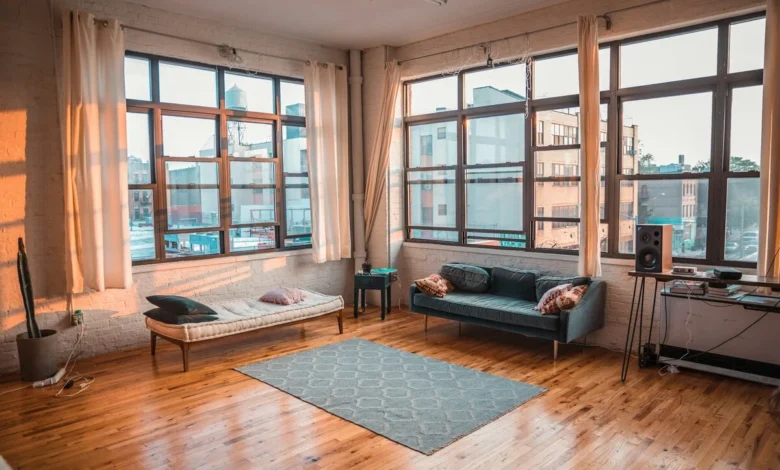
When travelers opt for a furnished apartment for a month or more, the very nature of their trip changes fundamentally. The hurried pace of a vacation gives way to the measured rhythm of daily life. Individuals establish routines, discovering a preferred local coffee shop, mastering the nuances of public transportation, and uncovering hidden neighborhood gems that remain invisible to transient visitors. The city ceases to be a mere checklist of attractions and gradually transforms into a temporary home, offering a genuine sense of belonging and a richer, more nuanced perspective. This mode of travel also inherently promotes mindful practices, moving beyond superficial engagement with landmarks to a profound immersion in local foods, traditions, and community life.
The Genesis of Slow Travel and Extended Stays
The concept of slow travel gained traction as a counter-movement to the frenetic pace of modern tourism, advocating for deeper engagement and a reduced environmental footprint. Its principles align perfectly with the practicalities and desires of remote workers. The COVID-19 pandemic further accelerated this shift, forcing a global re-evaluation of work structures and personal priorities. As companies adopted widespread remote work policies, employees gained the freedom to work from anywhere, leading to a surge in interest for "workcations" and extended stays. This period also highlighted the appeal of spacious, self-contained accommodations over traditional hotels, providing amenities like full kitchens and dedicated workspaces crucial for long-term living.
Travel industry analysts have observed this burgeoning market, with various platforms reporting significant increases in bookings for stays exceeding 30 days. This indicates a sustained demand for travel that blends leisure with personal and professional development. Cities, in turn, are beginning to recognize the economic and cultural benefits of attracting this new demographic of temporary residents, who contribute to local economies over a longer period and integrate more deeply into the community fabric.
Key Considerations for Selecting an Extended Stay City
For an extended stay to be truly rewarding, the chosen city must offer more than just tourist appeal. It must provide an exceptional quality of life conducive to both remote work and sustained exploration. Several critical factors come into play:
- Robust Infrastructure for Remote Work: High-speed, reliable internet is paramount. Access to co-working spaces, quiet cafes, and dependable cell service are also essential.
- Walkability and Efficient Public Transit: The ability to navigate the city easily without constant reliance on a car enhances the daily experience and reduces expenses.
- Cultural and Culinary Depth: A rich tapestry of museums, theaters, music venues, diverse culinary scenes, and vibrant neighborhoods ensures sustained interest and endless discovery.
- Cost of Living and Accommodation Value: While some cities are inherently more expensive, extended stays in furnished apartments often present significantly better value than nightly hotel rates, especially for stays of 30 days or more.
- Community and Social Opportunities: The chance to connect with locals, participate in community events, and build a temporary social circle enriches the experience beyond mere sightseeing.
- Access to Green Spaces and Nature: Opportunities for outdoor recreation, whether urban parks or nearby natural landscapes, contribute significantly to overall well-being.
Planning ahead is crucial for maximizing savings during extended travel. Beyond accommodation, budgeting for groceries, local transportation, and activities can lead to substantial reductions in overall expenses compared to short, intensive tourist trips.
Spotlight: Six US Cities for Immersive Long-Term Living
The following U.S. cities stand out as prime candidates for extended stays, each offering a distinct blend of culture, opportunity, and lifestyle:
1. Atlanta, Georgia: The Dynamic Southern Metropolis
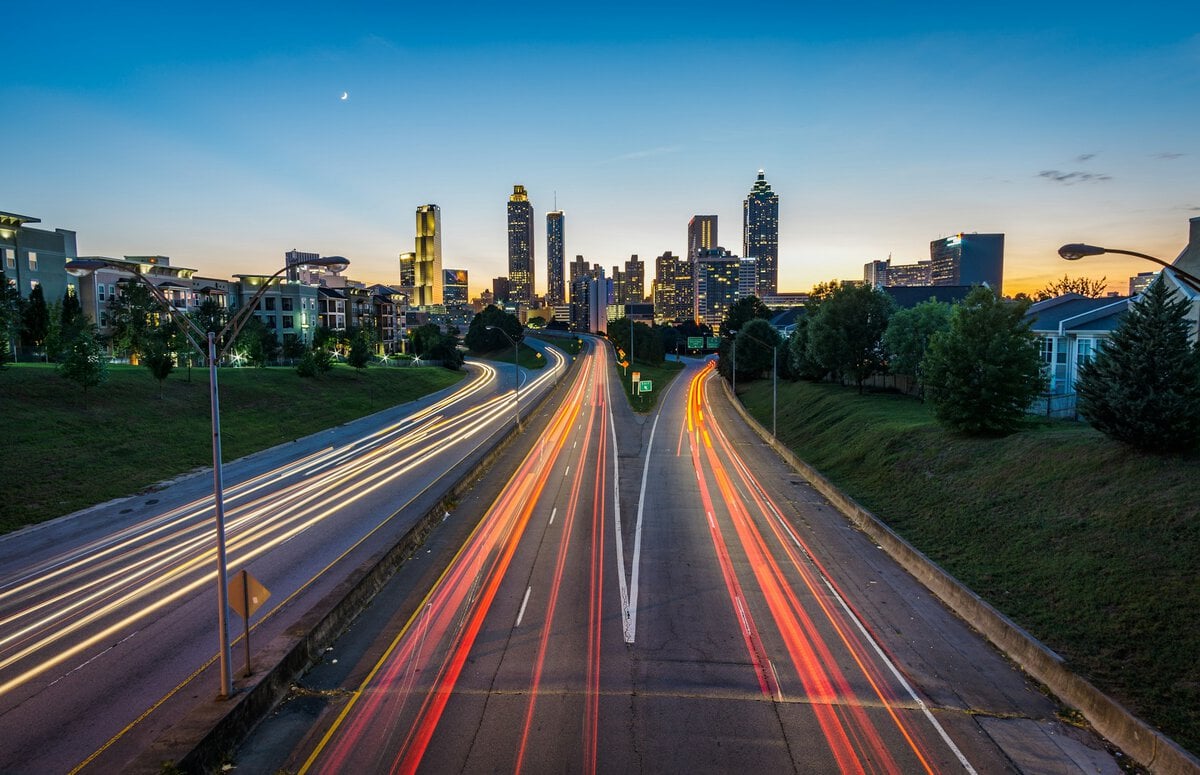
Atlanta seamlessly blends its rich Southern heritage with a rapidly expanding modern economy, creating a vibrant environment ideal for extended stays. Often referred to as "the city in a forest" due to its abundant tree canopy, Atlanta offers a unique juxtaposition of lush greenery and urban sophistication. Its booming film and television industry, world-class dining scene, and accessible cultural institutions make it a compelling choice for travelers seeking both professional opportunity and leisure. The city’s Hartsfield-Jackson Atlanta International Airport further cements its status as a major global hub, facilitating easy domestic and international travel.
An extended stay in Atlanta allows for a leisurely appreciation of its cultural offerings. The High Museum of Art, with its impressive collections spanning centuries and continents, invites repeated visits to explore rotating special exhibitions. The Fox Theatre, a magnificent example of 1920s architecture, regularly hosts Broadway tours, concerts, and other performances. The Martin Luther King, Jr. National Historical Park provides a profound journey through the Civil Rights Movement, offering multiple sites to explore without the pressure of a rushed itinerary.
The Atlanta BeltLine is a defining feature of modern Atlanta, transforming former railway corridors into a network of multi-use trails, linear parks, and public art installations. It connects diverse neighborhoods, providing access to local restaurants, breweries, and community events, fostering a strong sense of urban connection. Beyond the BeltLine, an extended stay allows for in-depth exploration of Atlanta’s distinct neighborhoods, from the eclectic, bohemian charm of Little Five Points to the upscale boutiques and fine dining of Buckhead. Its growing tech sector and status as a film and TV production hub also present unique networking and professional development opportunities for remote workers in creative industries.
2. New York, New York: The Quintessential Big City Experience
New York City, with its unparalleled energy and diversity, often overwhelms short-term visitors. However, extended stays transform the city from an exhausting sprint into a sustainable and deeply rewarding lifestyle. Rather than frantically ticking off tourist landmarks, longer visits allow travelers to discover personal favorite coffee shops, explore independent bookstores, and truly understand the distinct personality of each borough and neighborhood.
Thriving in New York during an extended stay means establishing routines. Finding a regular morning walk route through a local park, identifying reliable takeout spots, and mastering the city’s intricate subway patterns make the seemingly chaotic metropolis feel manageable and intimately familiar. The city’s extensive public transportation system is a major asset, allowing residents to navigate without a car, further enhancing the immersive experience.
Manhattan’s myriad neighborhoods, from the tree-lined streets and intimate cafes of the West Village to SoHo’s blend of high-end shopping and art galleries, each offer distinct atmospheres. Extended stays provide the luxury of time to experience these authentically. Beyond Manhattan, exploration of Brooklyn’s artistic enclaves like Bushwick and Williamsburg, or Queens’ diverse culinary landscape in neighborhoods like Jackson Heights, becomes not just possible but integral to the experience. Discovering a favorite dim sum spot in Chinatown or an intimate jazz club in the East Village creates personal connections that brief visits simply cannot foster. New York’s cultural calendar is perpetually packed, from Broadway shows to world-class museums like the Metropolitan Museum of Art, MoMA, and the American Museum of Natural History, offering endless opportunities for engagement.
3. Los Angeles, California: Sunshine, Creativity, and Natural Splendor
Los Angeles offers an extended stay experience defined by its abundant sunshine, potent creative energy, and immediate access to extraordinary natural landscapes. The city’s pervasive health and wellness culture, evident in its numerous juice bars, organic markets, and fitness studios, permeates daily life. Concurrently, the world-renowned entertainment industry fosters an atmosphere where creative pursuits are not just encouraged but actively celebrated.
Living in Los Angeles for weeks or months allows ample time to experience the full spectrum of its offerings. Hiking to the iconic Hollywood Sign for sunrise views becomes a regular, achievable activity rather than a rigid tourist event. The vibrant art scene in Downtown LA, with its galleries, street art, and museums like The Broad and MOCA, rewards repeated visits as new exhibitions and installations frequently emerge.
The diverse beach towns, such as Santa Monica with its classic seaside charm and Venice with its grittier, more eclectic atmosphere, each have distinct personalities worth exploring in depth. Weekly farmers’ markets across the city provide opportunities to sample fresh local produce and artisanal goods. Beyond the urban sprawl, Los Angeles serves as a gateway to stunning natural beauty, from the Pacific Coast Highway to the hiking trails of Griffith Park and the Santa Monica Mountains, making outdoor activity an integral part of daily life. While car-centric, LA’s improving public transit and extensive ride-share options can mitigate the need for personal vehicle ownership in many areas, particularly for those based in central neighborhoods.
4. Houston, Texas: A Diverse Hub of Innovation and Cuisine
Houston appeals to extended stay travelers through its unparalleled culinary diversity, robust economy, and genuine cultural variety. Its restaurant scene rivals any in the nation, offering authentic international cuisines that reflect the rich tapestry of communities calling Houston home. From critically acclaimed Vietnamese pho and Nigerian suya to Tex-Mex and barbecue, the sheer breadth and quality of the food alone justify an extended exploration.
The city’s job market remains remarkably robust, particularly in the energy, medicine (home to the world-renowned Texas Medical Center), and aerospace sectors (NASA Johnson Space Center). This economic vitality creates opportunities for networking, professional development, and even temporary project-based work for those seeking to leverage their extended stay for career growth.
Houston’s vastness is matched only by its cultural richness, making it an ideal city for a deep dive. The world-renowned Museum District boasts 19 institutions, including the Museum of Fine Arts, Houston Museum of Natural Science, and the Menil Collection, offering weeks of exploration. An extended visit also allows time to appreciate the city’s sprawling green spaces, such as the expansive Memorial Park and Hermann Park, which provide urban oases for recreation and relaxation. The Theater District, one of only five in the United States, hosts resident companies for all major performing arts, ensuring a constant stream of high-quality entertainment. Houston’s generally lower cost of living compared to coastal metropolises also makes it an attractive option for those seeking a more budget-friendly extended stay.
5. Chicago, Illinois: Architectural Grandeur and Midwestern Hospitality
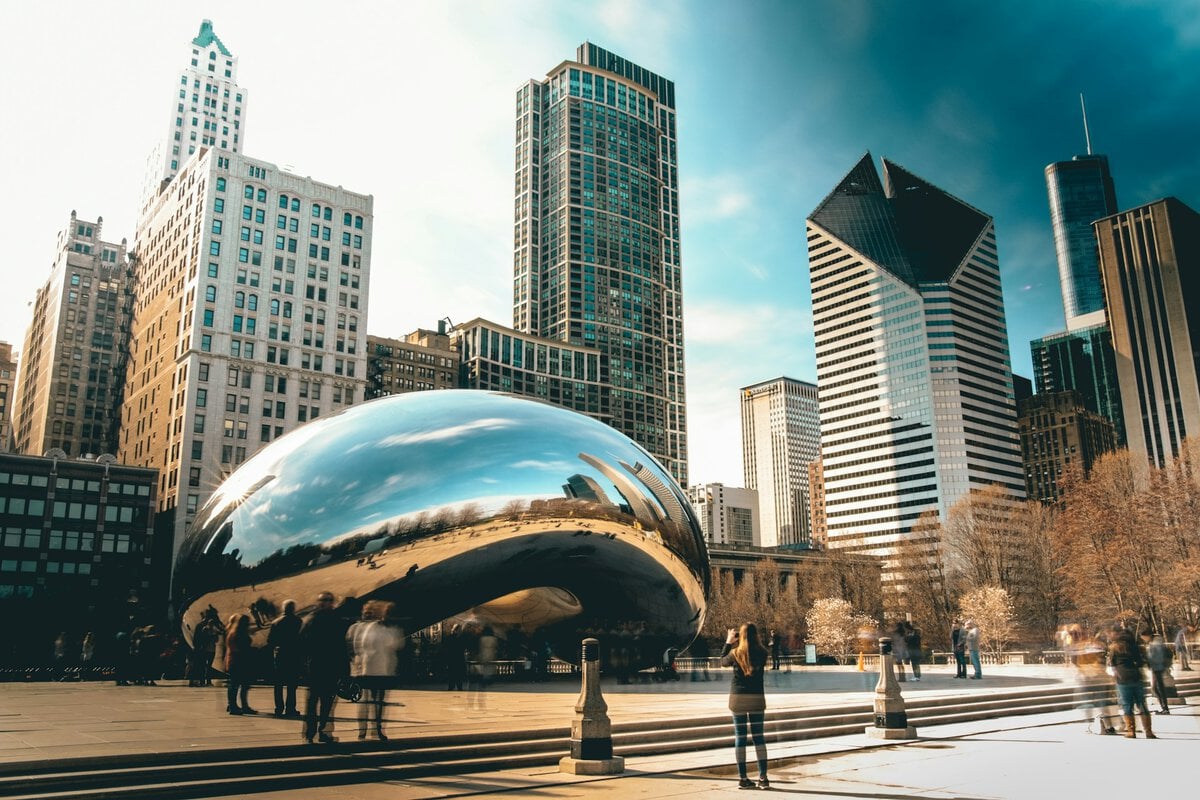
Chicago captivates with its stunning architecture, picturesque Lake Michigan waterfront, and distinct, welcoming neighborhoods. The city masterfully combines the cultural amenities of a global metropolis with the renowned friendliness and approachability of the Midwest, creating an atmosphere that feels both sophisticated and genuinely inviting.
Chicago’s cultural institutions consistently rank among the finest in the world. The Art Institute of Chicago houses masterpieces spanning centuries and cultures, with collections so extensive that they warrant multiple, unhurried visits. Architectural boat tours along the Chicago River provide essential context for understanding the city’s iconic skyline and its pioneering role in modern architecture. Beyond the Art Institute, the Field Museum, Shedd Aquarium, and Museum of Science and Industry offer further avenues for intellectual and recreational exploration.
The city’s food scene offers incredible diversity, from its legendary deep-dish pizza to numerous Michelin-starred restaurants pushing culinary boundaries. Neighborhood taverns serve comforting fare alongside craft beers, while vibrant ethnic enclaves in areas like Little Italy, Chinatown, and Devon Avenue offer authentic dishes from around the globe.
During an extended stay, Chicago’s efficient grid system and extensive public transit (CTA ‘L’ trains and buses) become a gateway to endless discovery. Beyond the architectural tours, residents can explore miles of sandy beaches along Lake Michigan, a surprising urban oasis perfect for summer relaxation. The city’s vibrant theater scene, centered in the downtown Theater District, rivals that of New York, providing a constant stream of plays, musicals, and improv comedy. Late spring through early fall (May to October) is considered the prime time for an extended stay, allowing visitors to fully enjoy Chicago’s vibrant outdoor life and numerous festivals before the notoriously harsh winters set in.
6. Las Vegas, Nevada: Beyond the Glitz of the Strip
Las Vegas offers far more than its glittering casino floors and resort spectacles. Extended stays reveal a city with a rapidly growing arts scene, an increasingly sophisticated culinary landscape, and a vibrant local culture that thrives entirely separate from the tourist corridors. The consistent sunshine and mild winters make outdoor activities accessible year-round, while its proximity to stunning natural landscapes provides endless opportunities for weekend excursions.
The natural beauty surrounding Las Vegas is one of its best-kept secrets. Red Rock Canyon National Conservation Area, just minutes from the city, offers world-class hiking, rock climbing, and scenic drives against dramatic desert landscapes. Valley of Fire State Park showcases spectacular geology with vivid red rock formations and ancient petroglyphs. Lake Mead, the largest reservoir in the U.S., provides opportunities for water activities, from kayaking and paddleboarding to boating and fishing. The Grand Canyon, Zion, and Bryce Canyon National Parks are also within a few hours’ drive, making Las Vegas an ideal base for exploring the American Southwest.
An extended stay in Las Vegas allows visitors to discover the city’s thriving local culture beyond the Strip’s glitz. The Downtown Arts District (18b Arts District) is a hub of creativity, with independent galleries, quirky boutiques, and monthly First Friday art walks. This emerging side of Las Vegas offers a more grounded, community-oriented experience for those who choose to stay awhile, complete with diverse local restaurants, breweries, and unique shops. The city is also seeing significant investment in tech and business, offering a growing job market and a more diverse economy than its entertainment reputation suggests. Its relatively affordable cost of living compared to major coastal cities also adds to its appeal for long-term residents.
Practicalities and Implications of Extended Stays
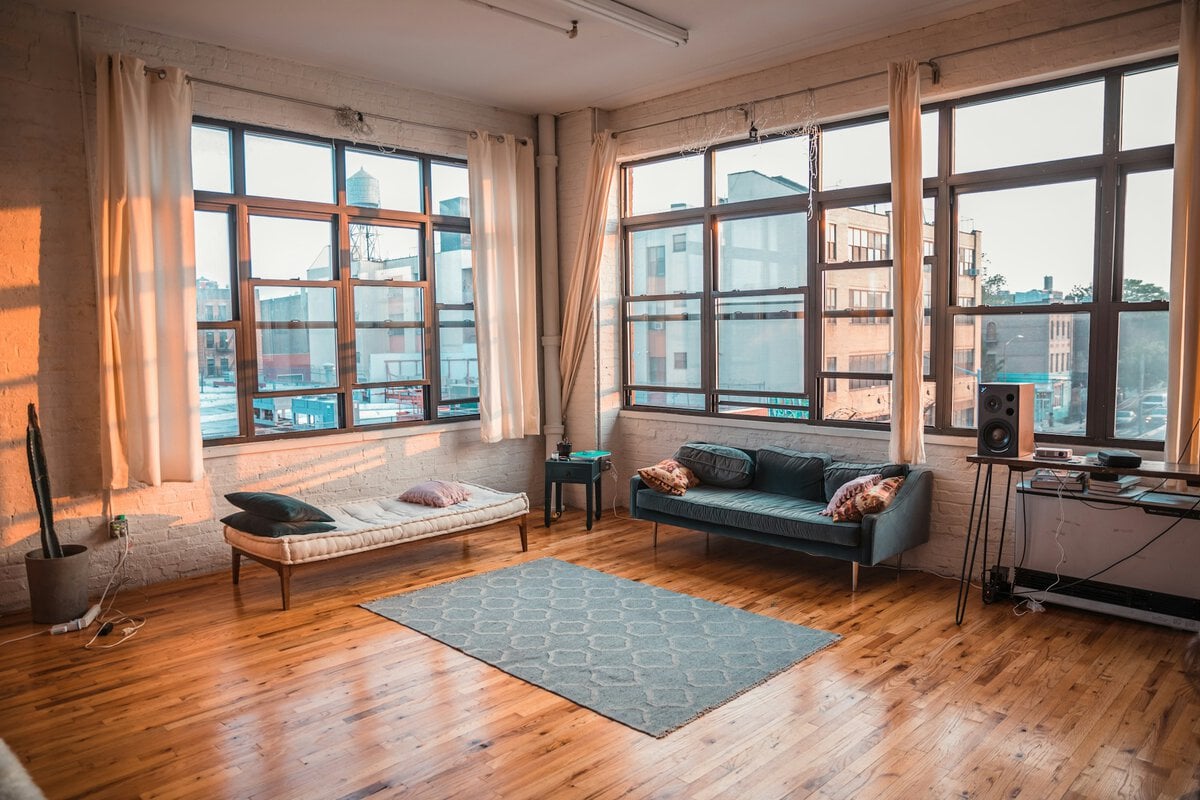
Choosing the Right Accommodation: For extended stays, furnished apartments are almost always a superior choice to hotels for stays over two weeks, becoming significantly more cost-effective and practical for 30 days or more. These typically offer full kitchens, allowing for home-cooked meals and substantial savings on dining out. Dedicated workspaces, separate living areas, and in-unit laundry facilities provide a higher quality of life and reduce daily friction. Platforms specializing in corporate housing or extended-stay rentals often provide flexible month-to-month lease terms, offering the adaptability necessary for temporary relocations.
Transportation Considerations: The need for a car varies greatly by city. New York and Chicago boast world-class public transit systems, making car ownership largely unnecessary. In Los Angeles and Atlanta, a car can be useful for exploring widely, but living in a well-connected neighborhood can often make do with a combination of public transit and ride-share services. Houston and Las Vegas are more car-dependent, though ride-share options are readily available.
Optimizing for Remote Work: When selecting a furnished apartment, verified internet speeds are paramount, as advertised speeds can differ from actual performance. Look for a dedicated workspace with natural light, a comfortable chair, and reliable cell service. Identifying nearby co-working spaces can also provide a valuable backup or a change of scenery.
Budgeting for Long-Term Travel: Houston and Atlanta generally offer the best value for extended stays among the six cities listed, with lower costs for furnished apartments and a lower overall cost of living. Chicago and Las Vegas fall into a mid-range, while New York and Los Angeles are the most expensive, although strategic neighborhood choices can significantly impact costs within these cities. Embracing local markets, cooking at home, and utilizing public transit are key strategies for managing expenses.
Flexibility in Planning: Most reputable extended stay providers offer flexible lease terms, allowing for extensions or even early departures with appropriate notice. It is crucial to confirm these policies before booking to ensure they align with potential changes in travel plans.
The shift towards extended stays represents more than just a travel trend; it signifies a broader cultural movement towards intentional living, authentic connection, and a redefined relationship with work. By embracing these opportunities, travelers can unlock a deeper, more meaningful engagement with the world, transforming transient visits into enriching chapters of temporary residency. As the landscape of work and travel continues to evolve, the appeal of truly living somewhere new, even for a season, will only grow.