Beyond the Maghreb: A Comprehensive Guide to Expanding Your Moroccan Itinerary into Europe and Beyond

Many travelers arrive in Morocco captivated by the sensory richness of its imperial cities and the vastness of the Sahara, often overlooking the fact that the country serves as a primary gateway to a much broader regional tapestry. Strategically positioned at the crossroads of Africa, Europe, and the Atlantic, Morocco offers a unique geographic advantage. With a network of high-speed ferry routes, frequent flight connections, and ancient overland pathways, extending a North African holiday into Spain, the British territory of Gibraltar, the Canary Islands, or the deep Sahara has become increasingly streamlined for the modern international traveler.
The logistical feasibility of these multi-country itineraries is supported by a robust infrastructure of maritime and aviation services. Understanding these connections requires a look at the historical and geopolitical context of the region, where the nine-mile stretch of the Strait of Gibraltar has functioned as both a barrier and a bridge for millennia.
Historical Context and Modern Connectivity
The historical relationship between Morocco and its northern neighbors—particularly Spain—is defined by centuries of cultural exchange, conflict, and economic integration. Today, this legacy manifests in modern logistics. For most Western travelers, including citizens of the United States, the United Kingdom, Canada, and the European Union, the entry requirements are remarkably permissive; valid passports and adherence to the 90-day visa-free allowance for tourism remain the standard for cross-border movement between Morocco and the Schengen Area.

The maritime connection across the Strait of Gibraltar remains the most popular conduit for travel. Every year, millions of passengers and hundreds of thousands of vehicles transit through major ports such as Tangier Med, Tanger Ville, and Nador, connecting directly to Algeciras, Tarifa, and Motril in Spain. Major maritime operators, including FRS (DFDS), Balearia, and Trasmediterránea (Armas), provide high-frequency service, with some fast ferries completing the crossing in as little as 60 to 90 minutes.
The Dynamics of Cross-Border Transit
Traveling between Morocco and Spain involves more than just a nautical passage; it requires navigating two distinct administrative zones. A notable point of interest for travelers is the existence of the Spanish autonomous cities of Ceuta and Melilla. Situated on the North African coast, these cities are technically part of the European Union. Consequently, while they are physically located within the African continent, they operate under European customs and immigration laws. Travelers crossing from Morocco into these territories undergo full international passport control, marking an abrupt transition from the African continent into the European Schengen zone.
The inclusion of these cities in an itinerary offers a fascinating study in cultural blending. In Melilla, for instance, the architecture reflects a unique fusion of Spanish modernist design and traditional North African influences, providing a logistical midpoint that serves as a literal bridge between two continents.
Aviation Links and Regional Hubs
For those seeking to bypass maritime travel, the aviation sector has seen significant growth in direct connectivity. Budget carriers have expanded their operations, linking primary Spanish hubs like Madrid-Barajas, Barcelona-El Prat, and Málaga-Costa del Sol with Moroccan cities such as Casablanca, Marrakech, Fez, and Tangier.

Data from the Moroccan National Office of Tourism indicates a steady rise in cross-border air traffic, driven by both tourism and the substantial Moroccan diaspora living in Europe. This connectivity has reduced the "distance" between the two regions, allowing travelers to build itineraries that feature the architectural marvels of Andalusia in the morning and the bustling souks of Marrakech by evening.
The Canary Islands: A Trans-Atlantic Extension
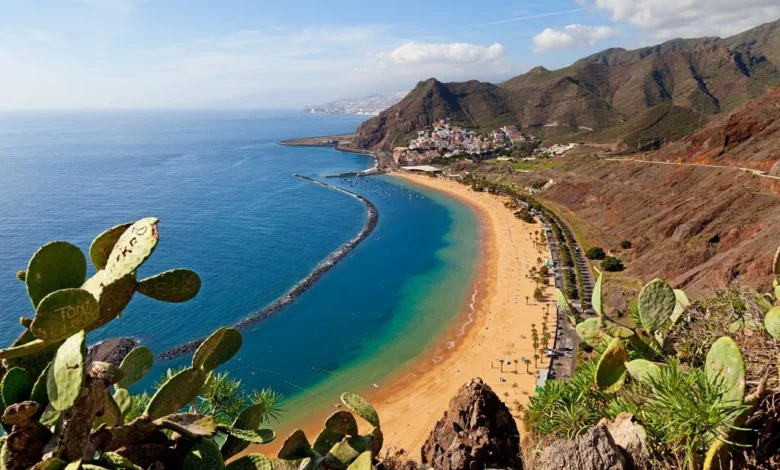
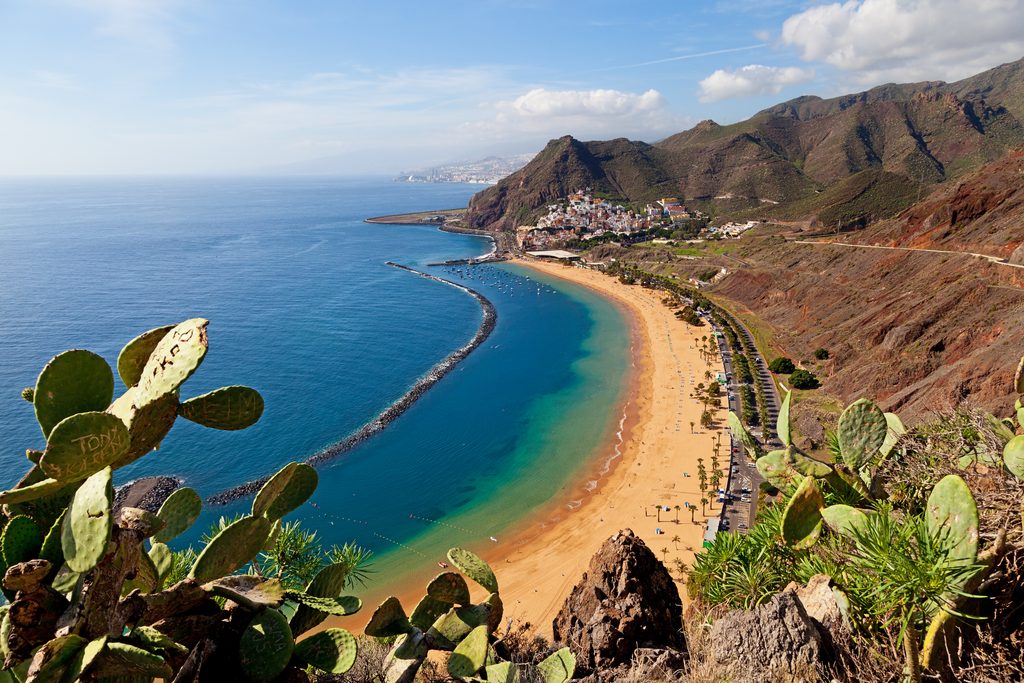
The Canary Islands, though politically part of Spain, are geographically situated off the coast of Morocco and Western Sahara. This proximity makes them an ideal secondary destination for travelers already in the region. Flights from Moroccan coastal cities to hubs like Tenerife or Gran Canaria are frequent and typically short, lasting under two hours.
The islands provide a distinct environmental contrast to mainland Morocco. While Morocco is characterized by its arid desert landscapes and mountain ranges, the Canary Islands offer a subtropical climate, volcanic terrain, and a distinct island culture. For travelers, this provides a logistical "add-on" that offers a complete change of pace, moving from the desert dunes of the Sahara to the black-sand beaches of the Atlantic archipelago.
Navigating the Western Sahara and Mauritania
Travel to the southern regions of Morocco and beyond requires a higher degree of planning. The Western Sahara, a territory largely administered by Morocco, is a region of immense scale and stark beauty. Cities like Dakhla have transformed into international hotspots for water sports, particularly kitesurfing, attracting a niche demographic of adventure travelers. However, the political status of the region means that travelers should remain informed via their respective national foreign offices regarding local stability and security protocols.
Crossing into Mauritania represents the most challenging segment of a regional itinerary. The border crossing at Guerguerat is the primary, and often only, land route for civilian traffic. This journey is recommended only for experienced travelers. Mauritania’s infrastructure is limited, and the vast desert stretches require self-sufficiency, adequate provisions, and a deep understanding of regional safety risks. Diplomatic advisories frequently highlight the potential for instability, making this a route reserved for those who prioritize expedition-style travel over conventional tourism.
The Geopolitical Reality of the Morocco-Algeria Border
A critical factor for any traveler planning a regional tour of North Africa is the status of the Morocco-Algeria land border. Since 1994, this border has been strictly closed due to long-standing diplomatic tensions. Despite the geographic proximity of cities like Oujda and Tlemcen, there is no direct passage, and all flights between the two nations remain suspended.
For the international traveler, this necessitates a "third-country" strategy. If a visitor wishes to include both Morocco and Algeria in their itinerary, they must route their travel through a secondary hub, such as France or Tunisia. This restriction underscores the importance of consulting current diplomatic status reports before finalizing any regional travel plans, as the lack of direct transit routes can significantly increase both the cost and time requirements of a journey.
Strategic Implications and Future Outlook
The ability to move fluidly between these diverse regions is more than a convenience for tourists; it is a reflection of the evolving economic and social ties between North Africa and Europe. As investment in ferry ports and regional airports continues, the ease of movement is likely to increase.
From an economic perspective, the "cross-border" travel trend bolsters the tourism sector in both Morocco and Spain. By promoting multi-country packages, tourism boards are increasingly framing the region not as a collection of isolated nations, but as a cohesive destination. For the individual traveler, this presents an opportunity to experience a breadth of history—from the Roman ruins of Volubilis in Morocco to the Moorish palaces of the Alhambra in Spain—within a single, seamless trip.
Planning for Success
For those considering a broader regional journey, preparation is the foundation of a successful experience. Travelers are encouraged to:
- Verify Documentation: While many routes are visa-free for specific nationalities, travel into the Schengen Area (Spain, Ceuta, Melilla) versus non-Schengen areas (Morocco, Mauritania) requires a clear understanding of stamp requirements and passport validity, which should generally exceed six months.
- Monitor Travel Advisories: Government websites provide essential, real-time updates on safety, particularly for remote border regions like those in the Western Sahara or southern Mauritania.
- Leverage Local Expertise: Using established ferry operators and reputable regional flight carriers ensures that transit schedules are reliable, particularly during peak tourist seasons when demand for cross-Strait travel is high.
As one gazes out from the northernmost points of Morocco toward the faint silhouette of the Spanish coastline, the proximity of these two worlds becomes strikingly apparent. The history of this region has never been one of isolation; it is a story written in the currents of the Mediterranean and the winds of the Sahara. For the modern traveler, the opportunity to bridge these landscapes is an invitation to engage with a complex, interconnected history, offering a perspective that is as profound as it is memorable. By planning carefully and respecting the logistical realities of these diverse territories, the modern explorer can craft an itinerary that truly transcends borders.