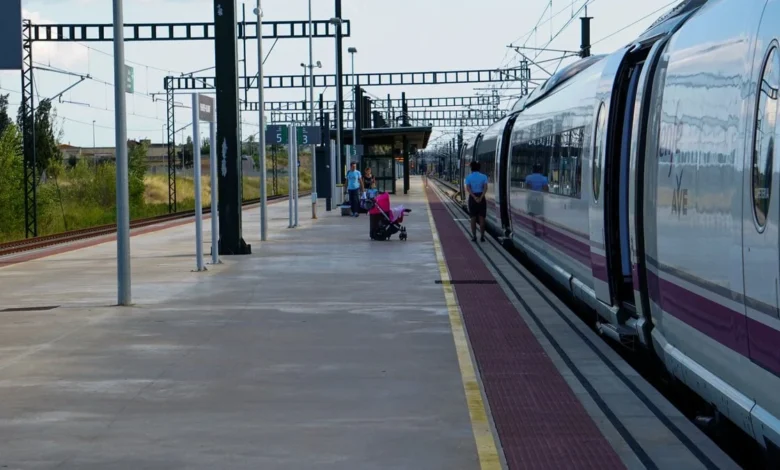
The bustling terminals of Barcelona Sants railway station serve as the beating heart of Catalonia’s commuter and regional rail network, dispatching locomotives in multiple cardinal directions without the necessity of securing a rental automobile. Within a span of one to two hours, travelers can disembark to find themselves standing before millennia-old Roman ruins, navigating steep monastery trails carved into jagged mountain peaks, or observing the tranquil waves of the Mediterranean from the sea wall of an unchanged fishing village. This comprehensive analysis and travel advisory details five premier day trips accessible by rail from Barcelona, outlining exact transit routes, municipal histories, and practical expectations for modern travelers.
Strategic Rail Connectivity and the Shift Toward Sustainable Transit
In recent years, regional transit authorities across Catalonia have intensified efforts to promote rail travel as the primary mode of intercity transit, aiming to reduce highway congestion and lower carbon emissions associated with coastal tourism. Barcelona Sants, along with Passeig de Gràcia and França stations, acts as the foundational hub for this initiative. Regional operators such as Rodalies de Catalunya and high-speed Avant services facilitate seamless journeys that bypass parking shortages and the high costs of vehicle rentals.
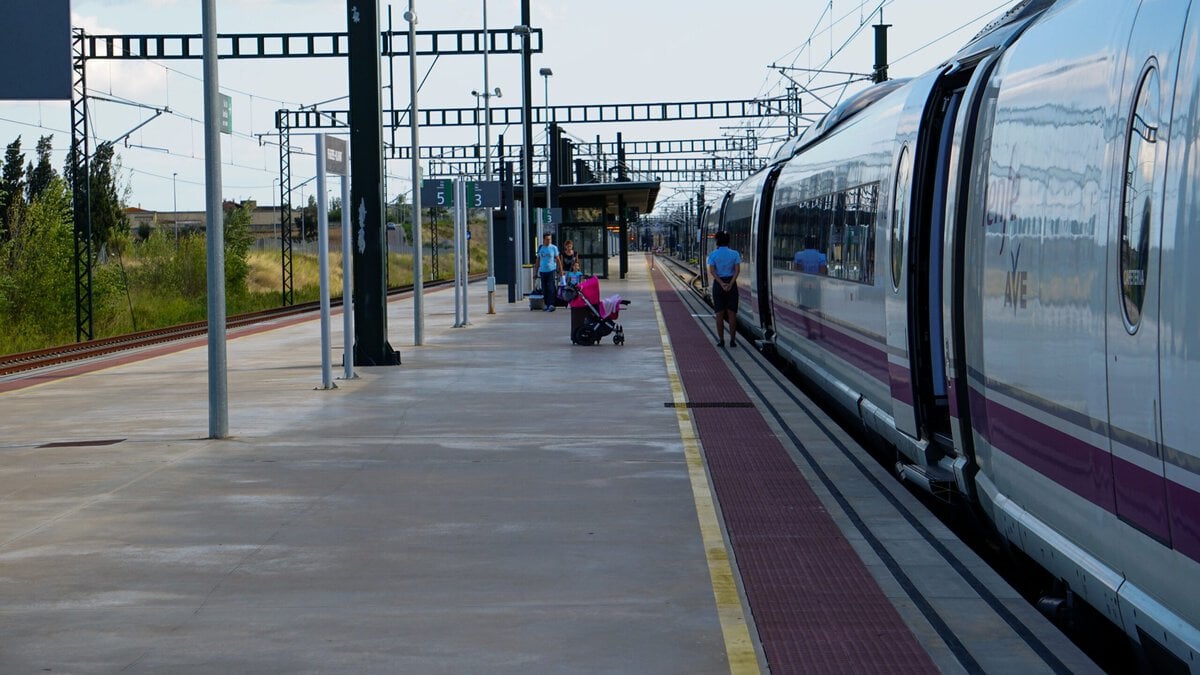
Transportation economists and tourism boards note that rail-based excursions significantly distribute visitor expenditures beyond the metropolitan boundaries of Barcelona, directly supporting municipal economies in Tarragona, Girona, and surrounding heritage towns. Commuter rail tickets generally remain accessible without advance reservations, allowing for spontaneous itineraries, though specialized mountain conveyances and high-profile gastronomic destinations require careful advance planning.
- Tarragona: Unearthing the Capital of Hispania Citerior
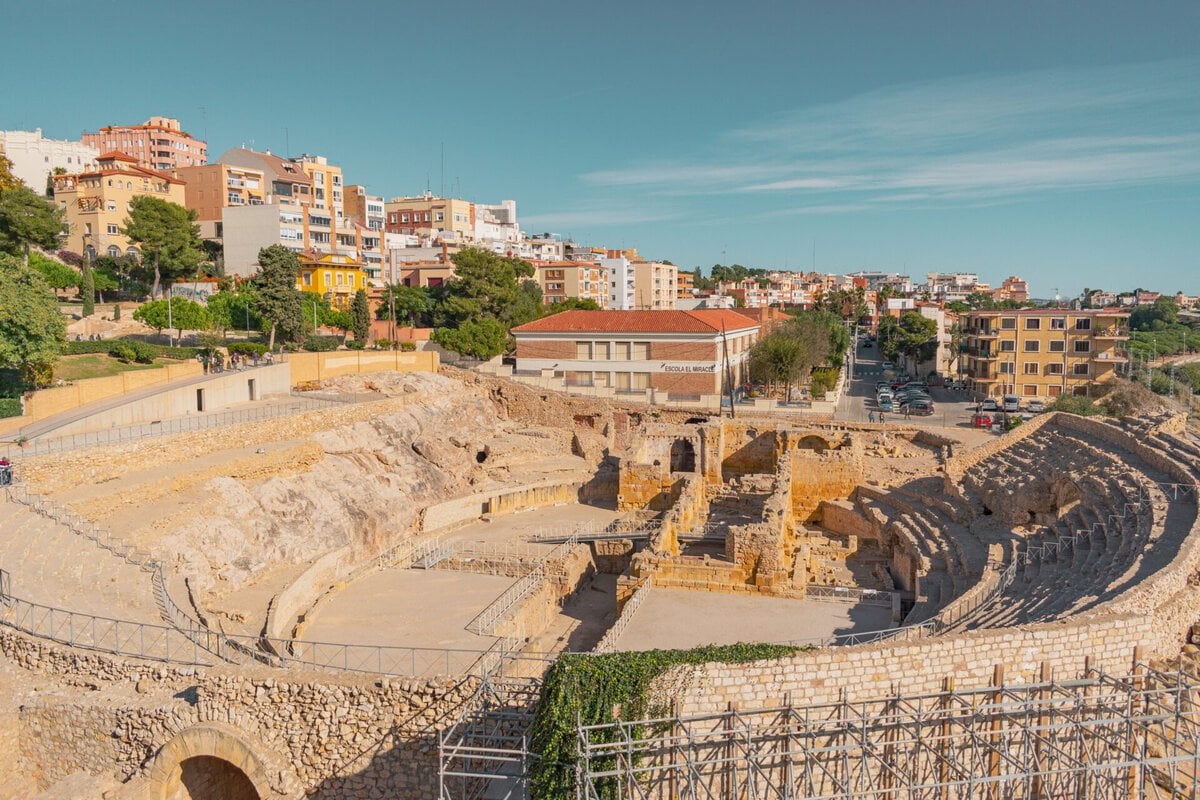
Located approximately 1 hour and 10 minutes south of Barcelona by regional train, Tarragona—historically known as Tarraco—offers one of the most concentrated collections of Roman architecture on the Iberian Peninsula. Founded as a military stronghold during the Second Punic War by the Scipio brothers, Tarraco eventually served as the capital of the Roman province of Hispania Citerior.
The itinerary for modern visitors typically commences at the Amphitheater of Tarraco, constructed in the 2nd century AD on an embankment overlooking the Mediterranean Sea. Historically utilized for gladiator combats, animal hunts, and public martyrdoms, the site retains significant portions of its original stone seating, visible from the adjacent Amphitheater Park. A short distance away lies the Roman Circus, an exceptionally well-preserved subterranean and open-air complex where chariot races once entertained thousands of citizens.
Further historical context is provided by the ancient Roman city walls, which originally extended roughly 3,500 meters to defend the administrative center. Pedestrians traversing the historic core will eventually reach Carrer Major, a vibrant commercial thoroughfare leading directly to the Tarragona Cathedral. The cathedral integrates Romanesque and Gothic architectural transitions, reflecting centuries of ecclesiastical evolution. Local tourism officials emphasize that Tarragona’s compact urban layout allows visitors to tour these UNESCO World Heritage-listed monuments entirely on foot, eliminating local transit costs upon arrival.
- Sitges: Maritime Heritage and Modernist Coastal Culture
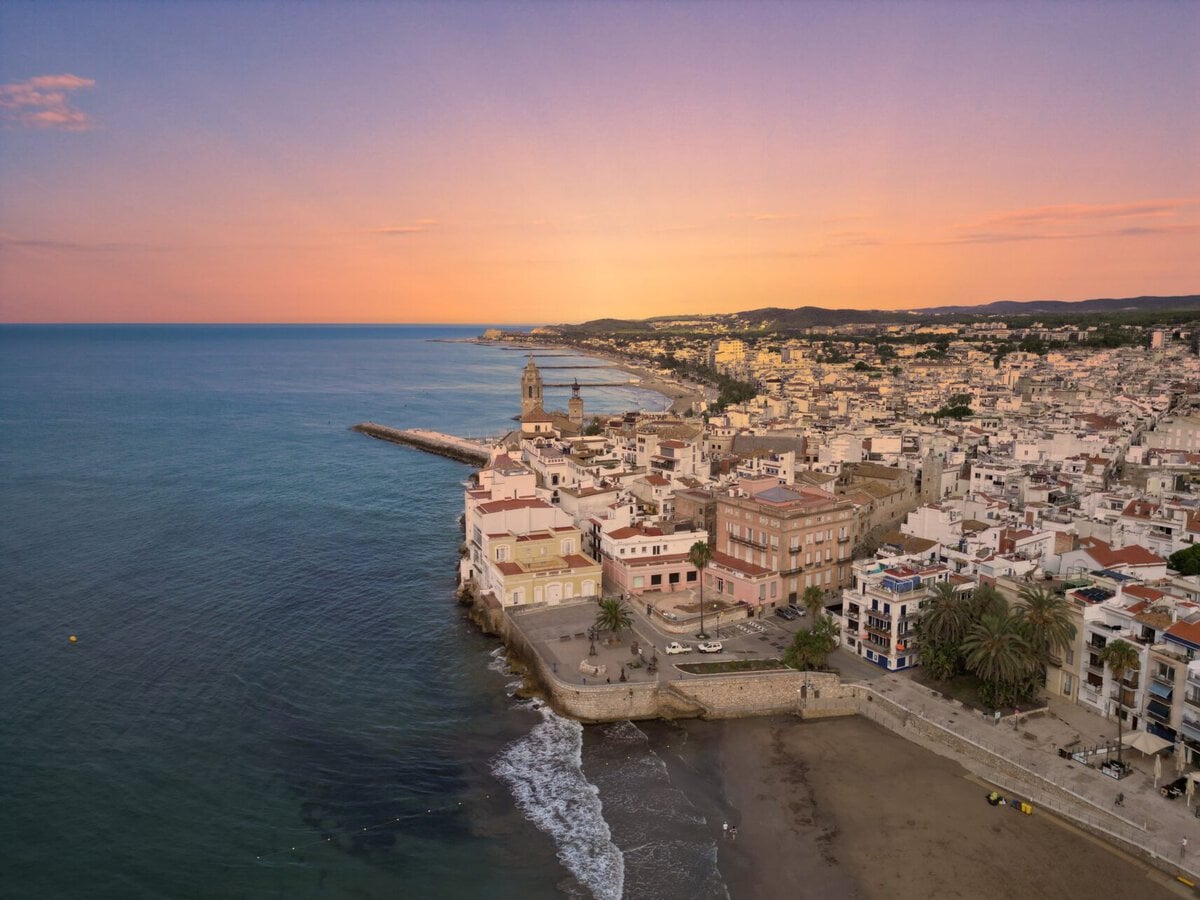
Situated less than an hour south of Barcelona along the scenic Garraf coast, Sitges transitions from a modest historical fishing and agricultural village into a vibrant cultural enclave. Historically renowned for its wine production—particularly Malvasia wine—and transatlantic trade with the Americas during the 18th and 19th centuries, Sitges later evolved into a sanctuary for Catalan Modernism, championed by artist Santiago Rusiñol in the late 19th century.
The visual anchor of the town is the Church of Sant Bartomeu and Santa Tecla, perched prominently on a rocky promontory overlooking the Mediterranean and visible from nearly all points along the seaside promenade. Navigating the labyrinthine, whitewashed alleyways of the old town reveals artisan boutiques, local galleries, and traditional taverns.
Sociological studies on coastal gentrification indicate that Sitges has successfully balanced preservation of its maritime vernacular with a cosmopolitan tourism profile. The town’s multiple accessible beaches make it an ideal destination for travelers seeking a balance of cultural exploration and coastal relaxation without the logistical complexities of long-distance transit.
- Montserrat: The Spiritual and Geological Pinnacle of Catalonia
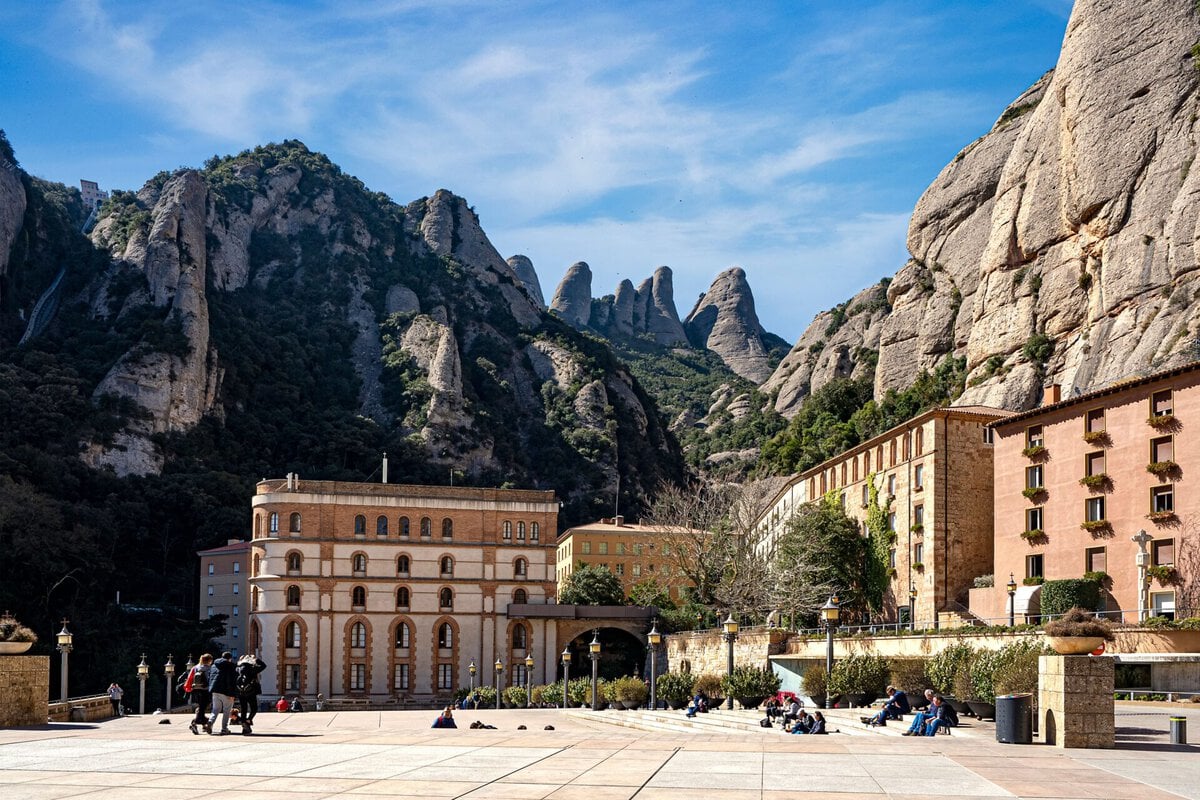
Rising abruptly from the central Catalan plain approximately 1 hour and 15 minutes northwest of Barcelona, the serrated mountain range of Montserrat commands profound cultural and religious significance. The crown jewel of the site is the Santa Maria de Montserrat Abbey, home to the revered Black Madonna, known locally as La Moreneta.
The architectural history of the basilica dates back to its initial construction in the 16th century, though significant portions were reconstructed following destruction during the Peninsular War in the early 19th century. The current façade was finalized in the 20th century, embodying modernist and neo-Romanesque design elements. Adjacent to the basilica, the Montserrat Museum houses an extensive collection of archaeological artifacts, gold and silver smithing, and fine art, including works by Caravaggio, El Greco, Dalí, and Picasso.
Geological and historical accounts record that shepherds allegedly discovered the miraculous image of the Virgin Mary in a mountain cave in the year 880 AD. Today, pilgrims and hikers reach this historic grotto via the Rosary Path, an outdoor mountain trail spanning slightly under 1.5 kilometers that originates near the rack railway station (Cremallera de Montserrat). Transit authorities advise that while the mountain is accessible via a combination of regional rail and rack railway, advance booking for the mountain transport is strongly recommended during peak pilgrimage and tourism seasons.
- Girona: Medieval Stratigraphy and Haute Gastronomy
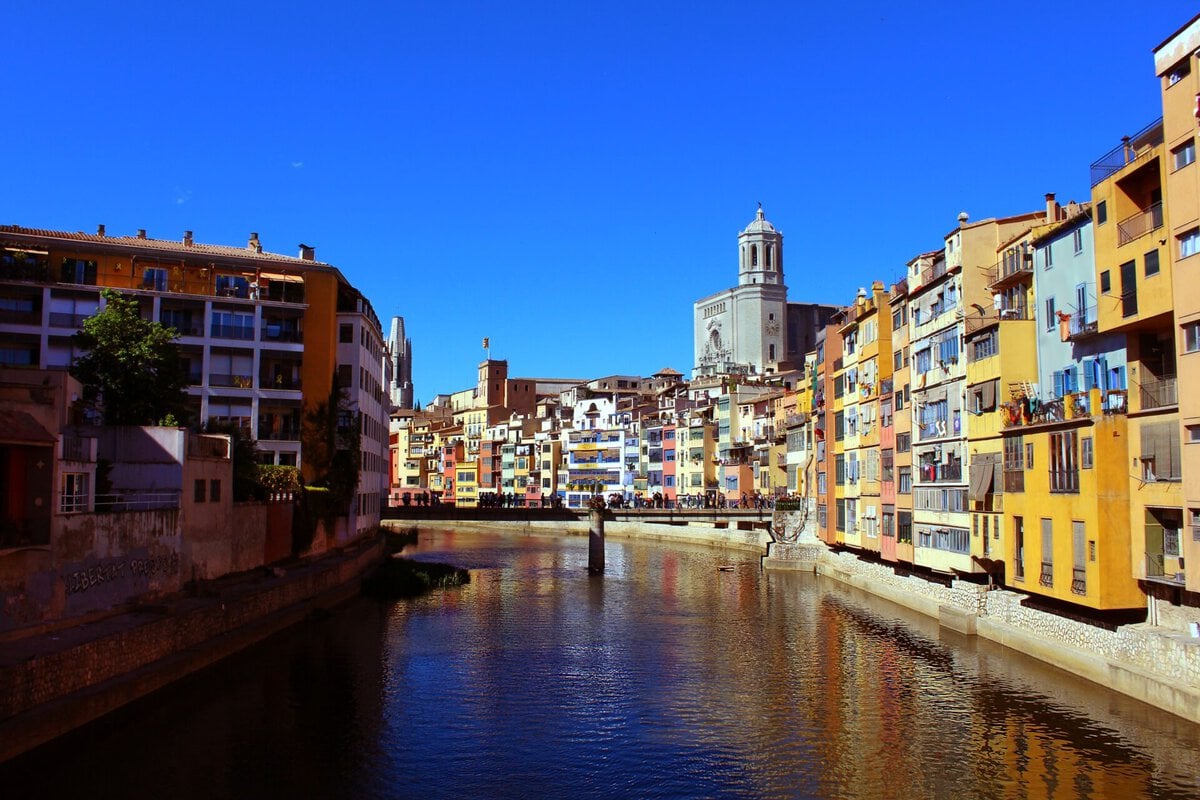
Positioned roughly 103 kilometers northeast of Barcelona, Girona is accessible in under 45 minutes via high-speed Avant trains or in approximately 1 hour and 30 minutes via regional services. The city’s architectural fabric is a palimpsest of Roman, Carolingian, Gothic, and medieval Jewish history, anchored by its defining landmark: the Girona Cathedral, which boasts the widest Gothic nave in the world.
Girona’s historic prominence is matched by its contemporary reputation as a global culinary epicentre. The city houses El Celler de Can Roca, a world-renowned three-Michelin-starred establishment operated by the Roca brothers—Joan, Josep, and Jordi. Recognized repeatedly by international gastronomic institutes, the restaurant exemplifies the region’s innovative approach to traditional Catalan produce and haute cuisine. Due to unprecedented global demand, table reservations must be secured months in advance.
Beyond gastronomy, Girona gained international cultural visibility as a filming location for major television productions, including HBO’s Game of Thrones, which utilized the medieval quarter and cathedral steps for fictional depictions of Braavos and King’s Landing. Cultural visitors frequently extend their itineraries to the Girona Art Museum, situated near the cathedral, which preserves collections spanning from Romanesque stone carvings to contemporary Catalan art following its establishment in 1976 through the merger of historical ecclesiastical and provincial collections.
- Altafulla: Medieval Preservation on the Costa Dorada
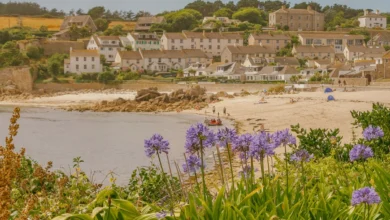
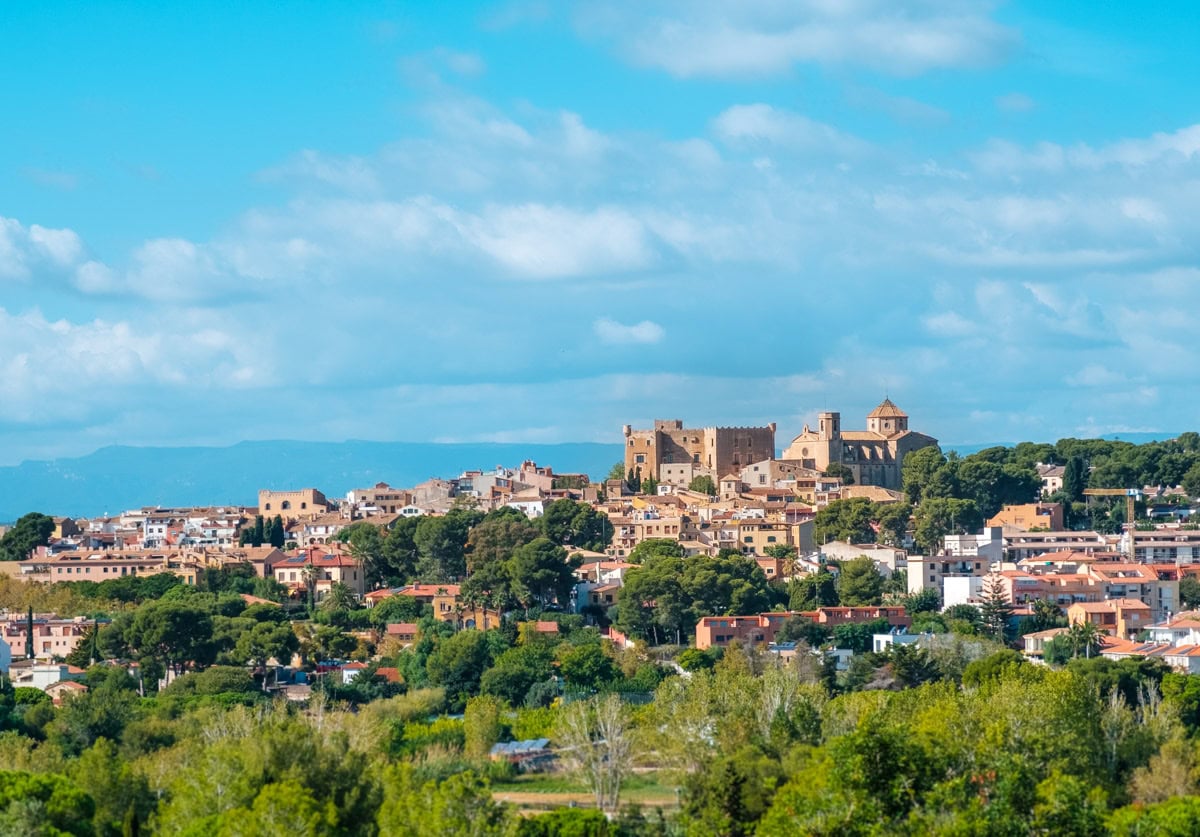
Located one hour south of Barcelona by regional train, Altafulla is a coastal municipality of approximately 5,000 residents that preserves the architectural integrity of a medieval fortified village. The historic core, officially designated as the Vila Closa, is entirely enclosed by defensive stone walls and features an array of narrow, sloping cobblestone streets lined with whitewashed stone residences.
Dominating the upper tier of the town is the Castle of Altafulla (Castell d’Altafulla), a privately owned yet historically significant monument that dates back to the 11th century, with major expansions occurring during the Renaissance. Local municipal guidelines dictate that interior tours must be coordinated in advance through the Altafulla tourist office. These guided visits, lasting approximately 30 minutes, grant access to the inner courtyard, gardens, historical common areas, and the notable Renaissance gallery overlooking the Mediterranean basin.
Economic and demographic analyses of Altafulla highlight its role as a low-impact alternative to hyper-developed resort towns along the Costa Dorada. The proximity of Roman ruins, such as the nearby Villa Romana dels Munts, underscores the historical continuity of settlement in the area, while local eateries specialize in traditional Catalan coastal cuisine, including regional rice dishes and freshly caught seafood.
Logistical Guidelines and Practical Considerations for Rail Travelers
Navigating Catalonia’s regional rail network requires an understanding of ticketing structures, timing, and accessibility constraints.
For standard commuter routes operated by Rodalies (such as those to Sitges, Tarragona, and Altafulla), advance ticket purchases are unnecessary. Passengers may utilize contactless payment systems or purchase same-day paper tickets at station vending machines. Conversely, journeys involving high-speed services to Girona or specialized mountain transit to Montserrat necessitate advance ticket acquisition to guarantee seating during peak operational hours.
Travel analysts recommend treating Montserrat and Girona as full-day excursions due to the extent of pedestrian exploration and travel duration involved. Shorter trips, such as pairing Tarragona and Altafulla, are logistically feasible for ambitious travelers due to their shared rail corridor, provided journeys commence in the early morning hours. Families traveling with children frequently favor Sitges for its direct beach access and compact walking routes, while visitors undertaking mountain excursions to Montserrat are formally advised to wear appropriate footwear suitable for unpaved alpine terrain rather than urban walking shoes.
Ultimately, the dense rail infrastructure radiating from Barcelona Sants provides a reliable, environmentally sustainable framework for exploring Catalonia’s diverse historical, geological, and culinary landscapes without the economic and ecological overhead of private automotive transport.