Sailing to the Maghreb: A Comprehensive Guide to Ferry Travel Between Europe and Morocco

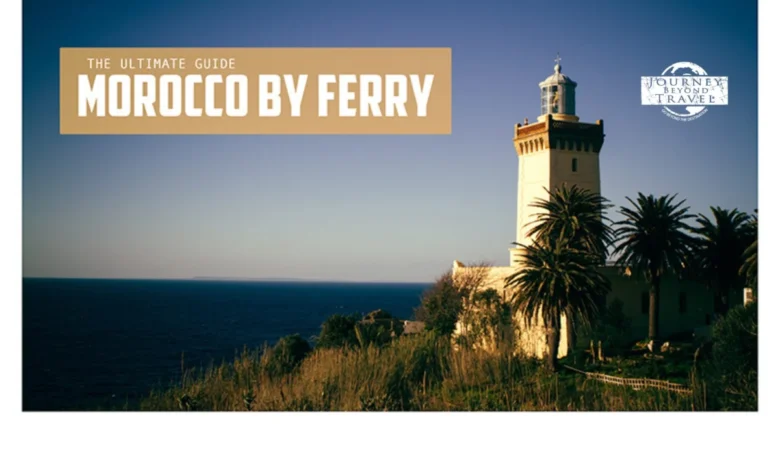
While the expansion of low-cost aviation has made Morocco’s major airports more accessible than ever, a growing segment of international travelers is rediscovering the maritime routes that connect the European continent to North Africa. Crossing the Strait of Gibraltar or the broader Mediterranean by ferry is not merely a logistical alternative to flying; it is a distinct travel experience that provides unique advantages, particularly for those seeking autonomy, cargo flexibility, and scenic transit. As of mid-2026, the maritime infrastructure connecting Spain, France, and Italy to Moroccan ports has seen significant modernization, positioning ferry travel as a vital component of the Mediterranean transit ecosystem.
Historical Context and Modern Maritime Evolution
For decades, the ferry routes across the Strait of Gibraltar have served as the primary bridge between the African and European continents. Traditionally, these crossings were dominated by seasonal workers returning to Morocco from Western Europe and a steady flow of overland adventurers. However, the last decade has witnessed a transformation in the quality and frequency of these services. The introduction of high-speed vessels and the consolidation of operators—such as the 2023 acquisition of FRS by the global logistics giant DFDS—have signaled a move toward more professionalized, reliable, and standardized service offerings.
The strategic importance of these routes cannot be overstated. Beyond tourism, they represent critical logistical veins for commercial trade. Ports like Tangier Med, which has grown into one of the largest container ports in the Mediterranean, function alongside passenger terminals to facilitate a massive movement of goods and vehicles. This dual-purpose nature ensures that ferry infrastructure remains a top priority for investment, maintaining high safety standards and consistent operational schedules despite the inherent challenges of maritime travel.
Geographic Connectivity and Port Logistics
The northern Moroccan coastline is punctuated by several key entry points, each serving different segments of the traveling public. Tangier Ville, located at the mouth of the Strait, remains the most popular choice for foot passengers and those prioritizing proximity to the historic city center. In contrast, Tangier Med, situated approximately 30 kilometers east, is a sprawling industrial and passenger hub designed to handle high-volume traffic, making it the preferred arrival point for travelers arriving by private vehicle or commercial freight.
Further east, the port of Nador serves the Oriental region, acting as a crucial gateway for travelers arriving from Almeria, Spain. Additionally, the Spanish autonomous cities of Ceuta and Melilla, while politically European, are deeply integrated into the Moroccan transit network. Travelers arriving in these enclaves must undergo land border crossings to enter Moroccan territory. While this adds a layer of administrative complexity—involving customs checks and potential wait times—it remains a highly utilized path for those traveling by road.
Strategic Routes: An Analysis of the European Corridor
The ferry network is categorized by three main geographic origins: Spain, France, and Italy. Each offers a different value proposition based on time, cost, and traveler intent.
Spain, owing to its proximity, functions as the central hub. The Tarifa-Tangier Ville route remains the most efficient, with transit times often clocking in at under 60 minutes. This route is essentially a commuter line for the Mediterranean, with 10 to 14 daily sailings. Conversely, the Algeciras-Tangier Med link is the backbone of the transit network, boasting the highest frequency of sailings and the greatest capacity for vehicles.
For those traveling from Western or Central Europe, the routes from France and Italy offer a more leisurely, albeit significantly longer, maritime experience. The Sete-Tangier Med route, operated primarily by Grandi Navi Veloci, serves as a bridge for the North African diaspora and tourists who prefer to avoid the lengthy drive through Spain. These voyages, lasting between 35 and 48 hours, effectively turn the transit into a cruise-like experience, complete with cabins and onboard dining. Similar services from Genoa and the seasonal Civitavecchia (Rome) link provide vital connections for travelers originating from the Italian peninsula, though these are subject to seasonal fluctuations and demand-driven scheduling.
Comparative Data and Economic Implications
The cost of ferry travel is highly elastic, influenced by the season, the type of vehicle, and the advance booking window. Off-season travel (September through May) offers significant cost reductions and greater availability. In contrast, the peak summer months—driven by the annual return of Moroccan expatriates—result in near-capacity sailings, necessitating reservations months in advance.
Data Analysis of Key Routes:
- Tarifa to Tangier: 1 hour crossing; average cost €30–€50.
- Algeciras to Tangier Med: 1.5 hour crossing; average cost €40–€150.
- Malaga to Melilla: 6 hour crossing; average cost €53–€91.
- Sete to Tangier Med: 35–48 hour crossing; average cost starting at €90 (rising significantly with cabin selection).
- Genoa to Tangier Med: 48–54 hour crossing; average cost starting at €89.
Economic analysts note that while air travel often provides a lower base fare, the hidden costs of international car rentals in Morocco—which can be restrictive and costly—often make the ferry the more economical choice for long-term travelers. By bringing a personal vehicle, a traveler eliminates the need for expensive rental agreements and enjoys the freedom to explore the Atlas Mountains, the Sahara, and the Atlantic coast without the limitations of public transport schedules.
Operational Challenges and Regulatory Compliance
Despite the benefits, ferry travel is not without its complexities. Unlike the strictly regulated aviation industry, maritime travel is highly sensitive to weather conditions in the Strait of Gibraltar. Strong winds can lead to sudden cancellations or delays, which can disrupt secondary travel plans. Furthermore, the administrative process of disembarking—which involves vehicle customs, passport control, and potential vehicle inspections—requires patience.
Travelers are advised to arrive at ports at least 90 to 120 minutes prior to departure. Vehicle documentation must be current, and in many cases, travelers must possess a specific insurance document (the "Green Card") that covers Morocco. Failure to produce valid documentation for a vehicle can result in significant delays or the denial of entry at the port.
Official Perspectives and Future Outlook
Maritime authorities and ferry operators have signaled a commitment to further digitizing the booking process. The recent shift toward centralized, app-based ticketing systems has reduced the incidence of "port-side" ticket purchasing, which was once the standard but often led to confusion and price gouging.
Industry observers note that the environmental footprint of these ferry routes is also under scrutiny. There is an ongoing dialogue regarding the transition to greener, more fuel-efficient vessels to comply with new Mediterranean maritime emission regulations. As these fleets modernize, travelers can expect an increase in the number of high-speed, lower-emission vessels entering service over the next five years.
For the modern traveler, the ferry is more than a way to reach the coast of Morocco; it is a deliberate choice to embrace the geography of the journey. Whether opting for the rapid, high-frequency transit across the Strait or the long, reflective crossing from a European port, the maritime route remains an indispensable, albeit rugged, alternative to the skies. As infrastructure continues to stabilize, the ferry is expected to maintain its status as the most practical mode of transit for those looking to immerse themselves in the full scale of the Moroccan landscape.