Navigating the High Desert: A Comprehensive Guide to Responsible Mountain Biking in Moab


The transition from the humid, dense subtropical forests of the American Gulf Coast to the high-desert expanse of the Colorado Plateau represents one of the most significant environmental shifts a mountain biker can experience. When riders move from the root-heavy, loamy trails of regions like Florida to the arid, sandstone-dominated topography of Moab, Utah, the fundamental requirements for trail navigation and environmental stewardship undergo a radical transformation. This shift is not merely aesthetic; it is a critical change in how a rider interacts with a fragile ecosystem where "Leave No Trace" principles are not just suggestions, but essential requirements for the survival of the landscape.
A Historical Perspective on the Adventure Capital
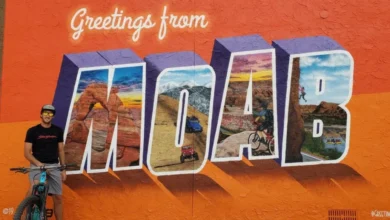
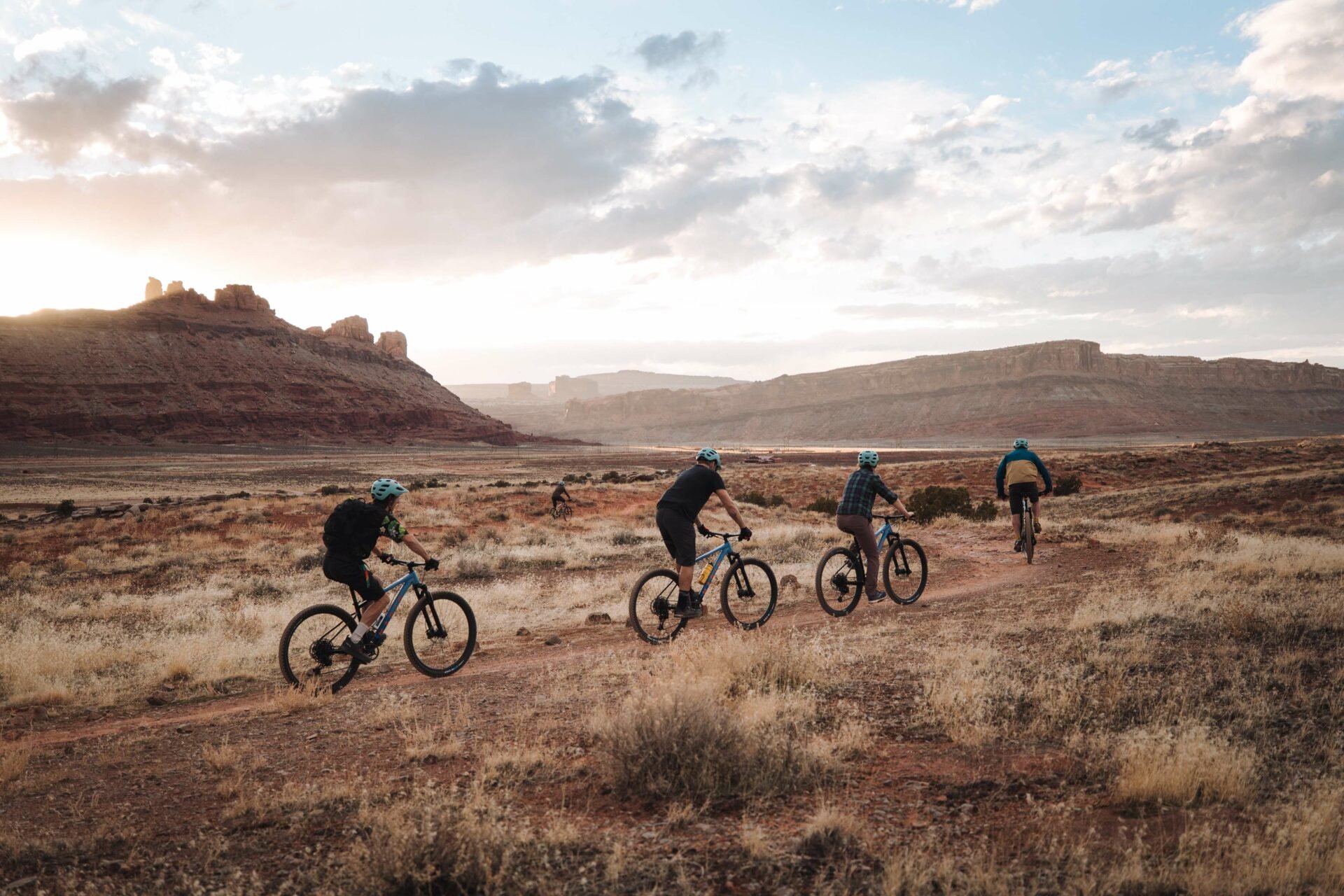
Moab’s identity as the "Adventure Capital of the West" is a relatively recent development in the region’s long, complex history. For much of the 20th century, the town’s economy was tethered to the boom-and-bust cycles of uranium mining. However, the 1970s marked a pivotal shift in the cultural geography of the American West. As the sport of mountain biking began to germinate in California, adventurous cyclists started looking toward the remote, rugged landscapes of Utah and Colorado to test the capabilities of their early equipment.
The institutionalization of this movement began in 1983 with the opening of Rim Cyclery, which provided the necessary infrastructure for a nascent community of riders. By 1985, national media attention—specifically the launch of Mountain Bike Magazine—propelled the region into the spotlight. Since that era, the trail network has expanded to encompass more than 900 miles of rideable terrain. Today, the local economy has successfully pivoted from extractive industries to a robust, outdoor-recreation-based model that supports dozens of bike shops, tour operators, and professional guide services.
The Ecological Imperative: Protecting Cryptobiotic Crust
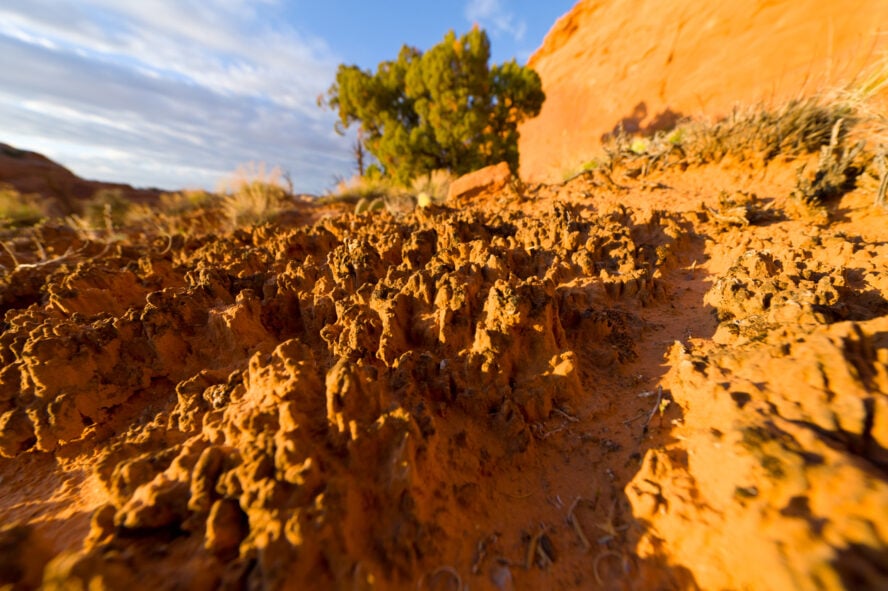
Central to responsible recreation in Moab is the protection of the cryptobiotic soil crust. This living, biological layer—composed of a complex matrix of cyanobacteria, lichens, fungi, and mosses—is the literal foundation of the high-desert ecosystem. It serves a dual purpose: it prevents soil erosion by binding the loose, sandy earth, and it facilitates nitrogen fixation, which is vital for the growth of local flora such as sagebrush, yucca, and cacti.
Scientific assessments by land management agencies, including the Bureau of Land Management (BLM) and the National Park Service, indicate that this crust is extremely susceptible to physical disruption. A single footprint or tire track can destroy years of biological development. Once damaged, the crust can take decades to recover. Consequently, the practice of "staying on the trail" is the primary mandate for all visitors. The common, yet ecologically destructive, practice of creating "social trails"—unauthorized paths formed by riders cutting corners or seeking viewpoints—leads to a fragmentation of the landscape that can cause permanent, long-term degradation.
The Challenges of Clay and Precipitation
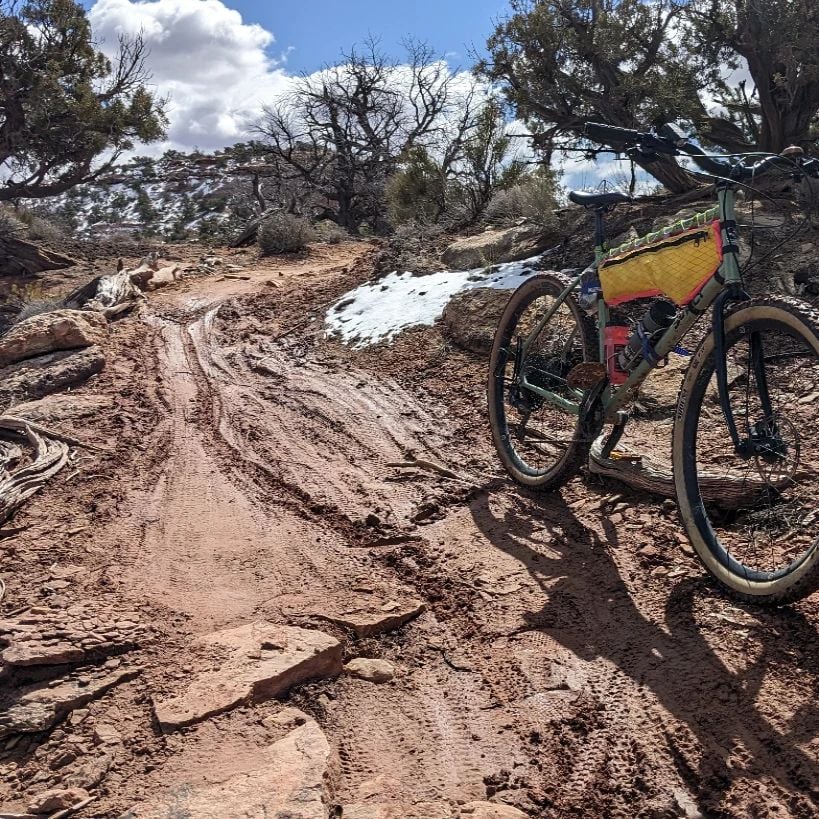
Moab’s topography is defined by the Entrada Sandstone and the underlying clay-rich soils. While these surfaces provide exceptional traction in dry conditions, their composition becomes volatile during periods of precipitation. When moisture hits the desert, the soil transforms into a high-viscosity mud, often colloquially referred to as "peanut butter."
Riding in these conditions presents a twofold problem. First, it compromises the structural integrity of the trail, leading to deep rutting and water-channeling that necessitates expensive and labor-intensive maintenance. Second, it creates an unsafe riding environment that can damage bicycle components, particularly drivetrains and suspension systems. Local experts consistently advise that if a trail is wet, it should be avoided entirely. Unlike forest floors that may benefit from a degree of moisture, the clay-heavy trails of Moab remain fragile until they have fully drained and solidified under the desert sun.
Standard Operating Procedures for Trail Etiquette
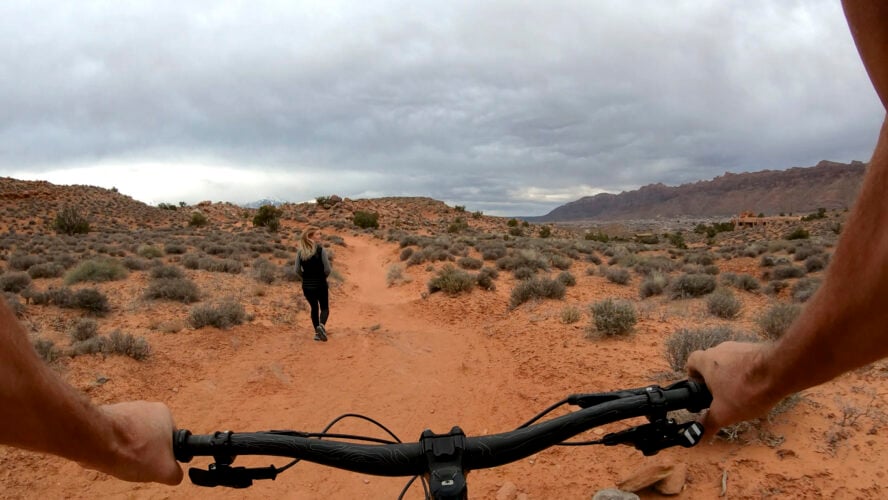
The influx of visitors to the Moab region has necessitated a standardized approach to trail etiquette. As a multi-use destination, Moab trails are shared by hikers, horseback riders, and rock climbers. The standard hierarchy of right-of-way remains consistent: cyclists should yield to both hikers and equestrians.
Furthermore, the lack of auditory masking in the wide-open desert means that noise pollution can significantly detract from the experience of other users. Professional guides and local trail advocacy groups, such as the Moab Trail Mix committee, emphasize the importance of controlled, courteous communication. When passing other users, riders should provide a clear, polite warning, and avoid the use of external speakers or aggressive riding behaviors that might alarm those unfamiliar with mountain biking.
Infrastructure and Self-Reliance
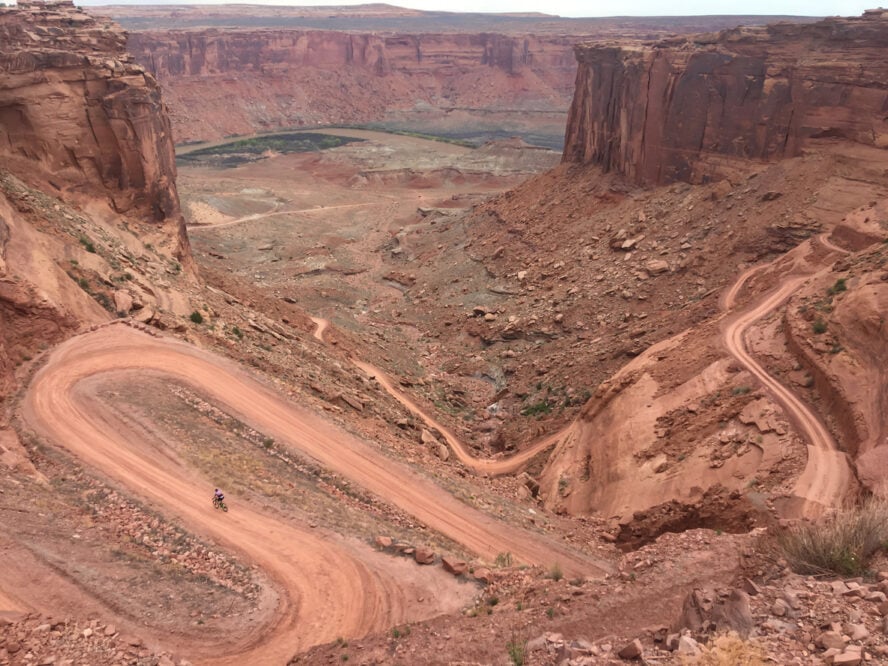
The desert environment is inherently unforgiving. Unlike alpine or woodland environments where shade and water sources may be abundant, the Colorado Plateau is characterized by extreme exposure and low humidity. Dehydration and heat exhaustion are the primary health risks for visitors.
A standard safety protocol for any excursion in the area involves carrying at least one liter of water per hour of anticipated activity, supplemented by electrolyte replacement. Due to the remote nature of many trails, cellular service is frequently non-existent. Consequently, self-sufficiency is a prerequisite for safety. Riders should carry a comprehensive repair kit—including a chain breaker, spare master links, multi-tools, a high-pressure pump, and spare tubes—and possess the mechanical knowledge to perform trail-side repairs. The absence of these supplies can turn a minor mechanical failure into a dangerous survival situation.
The Role of Advocacy and Stewardship
The sustainability of Moab’s trail network depends heavily on the involvement of the user base. Organizations like Moab Trail Mix serve as the primary conduits for stewardship, organizing trail maintenance days and educational outreach. Participation in these events is increasingly viewed as an essential component of the "mountain biker’s duty."
Data suggests that as visitation numbers increase, the pressure on existing infrastructure grows proportionally. For individual riders, donating time or funds to these local committees is a tangible way to offset the impact of their presence. These organizations not only maintain the physical trails but also act as the primary lobbyists for protecting public lands, ensuring that access remains open for future generations.
The Value of Professional Guidance
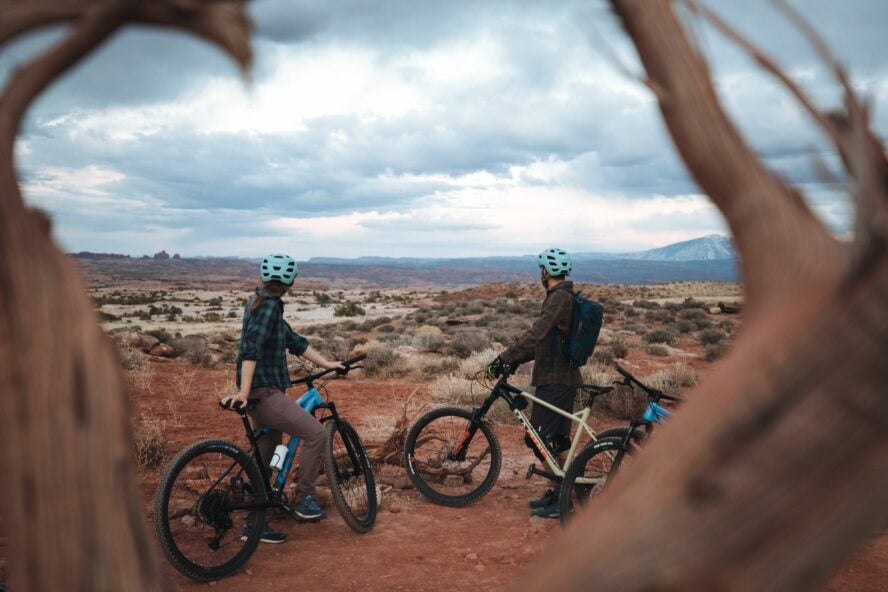
For those new to the high-desert environment, hiring a professional guide offers significant benefits beyond convenience. Certified guides are trained not only in technical riding and navigation but also in the ecological nuances of the desert. They serve as educators, helping riders understand why certain trails are restricted, how to identify cryptobiotic crust, and how to manage energy expenditure in a high-UV, low-humidity environment.
Furthermore, guides provide a necessary layer of risk management. In a landscape where navigation can be difficult due to the uniformity of the terrain, professional leadership ensures that groups stay on authorized paths, thereby minimizing the accidental creation of social trails. This is particularly relevant for families and novice riders, for whom the desert can be an intimidating and potentially hazardous environment.
Implications for the Future of Moab
The long-term health of Moab as a premiere mountain biking destination hinges on a delicate balance between public access and environmental conservation. As of the early 2020s, the trend toward increased outdoor recreation has placed unprecedented strain on the region’s natural resources. The implications are clear: without a rigorous adherence to established ethical standards—including strict "Leave No Trace" compliance and a commitment to trail preservation—the very features that draw riders to the Colorado Plateau are at risk of being lost.
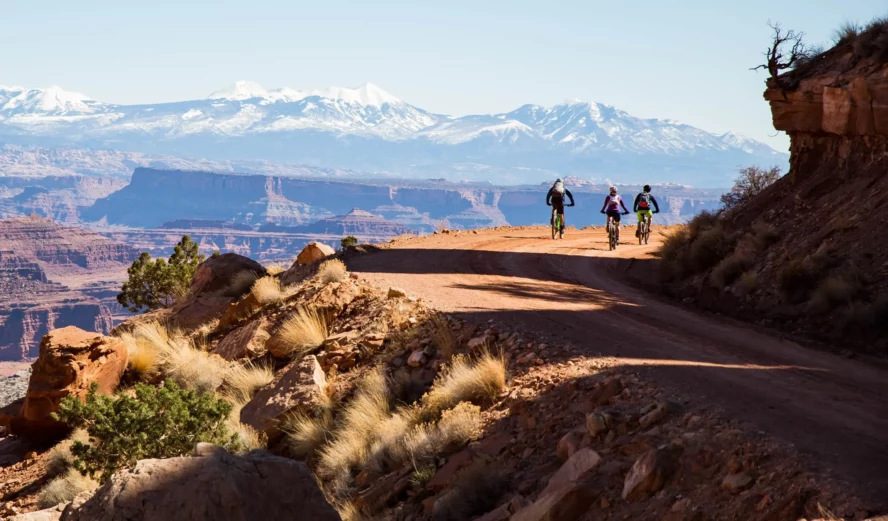
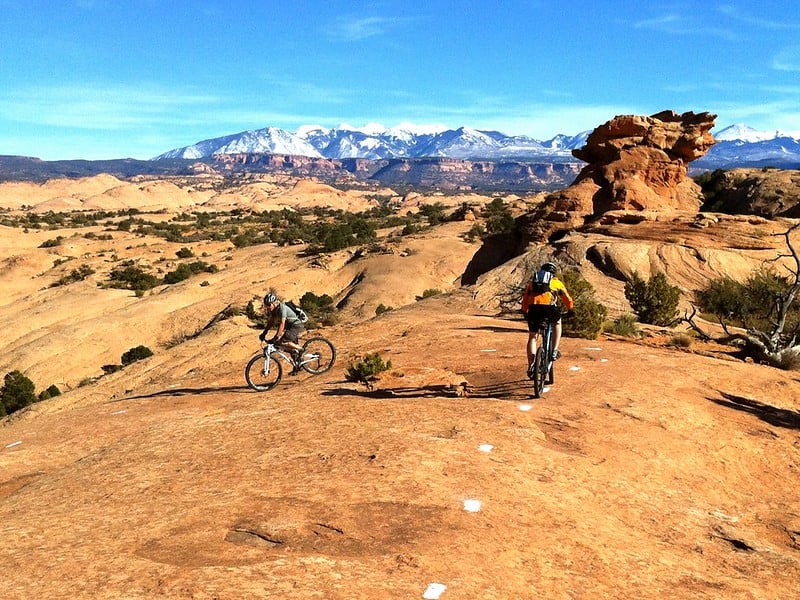
The transition from a visitor who merely "consumes" the trail to a participant who "stewards" the land is the necessary evolution for every mountain biker in Moab. By respecting the biological limits of the desert, prioritizing safety through preparation, and engaging with local advocacy, the mountain biking community can ensure that the "Adventure Capital of the West" continues to thrive as a model for sustainable, high-impact outdoor recreation. Whether it is the iconic slickrock surfaces or the high-altitude vistas of the La Sal Mountains, the responsibility for maintaining these trails rests with the individuals who ride them. The future of the sport in this region depends on a culture of respect, preparation, and proactive environmental management.
Related posts: