After more than 15 years of continuous global travel, the lifestyle shift for digital nomads Dariece and Nick, known online as "Goats on the Road," has culminated in their residency in Bulgaria, a decision they report has profoundly enhanced their health and well-being. This transition marks a significant departure from their decade and a half of living out of suitcases and transient accommodations, signaling a growing trend among long-term nomads seeking stability and routine.
The couple, who commenced their travel-focused lifestyle in 2008, previously maintained a part-time base in Grenada. However, the move to Bulgaria represents their first sustained period of establishing roots, a development they describe as instrumental in cultivating consistent routines. This stability, they observe, has directly translated into tangible improvements in their physical and mental health, a critical factor as they navigate life in their 40s. Their new home in Bansko provides a foundation for a structured approach to wellness, a stark contrast to the unpredictable nature of constant itinerancy.
The Evolution of the Digital Nomad Lifestyle and Its Challenges

The rise of digital nomadism, facilitated by remote work and global connectivity, has seen millions embrace a life of perpetual travel. While offering unparalleled freedom and cultural immersion, this lifestyle often presents inherent challenges to long-term health. Irregular sleep patterns due to differing time zones and unfamiliar beds, inconsistent access to nutritious food, and the absence of stable social networks can cumulatively impact well-being. Dariece and Nick’s journey reflects a common trajectory where the initial allure of boundless exploration eventually gives way to a yearning for consistency and community, particularly as individuals mature. Bulgaria, with its blend of natural beauty, affordable cost of living, and growing expat communities, has emerged as an attractive destination for those seeking to balance a global outlook with a stable home base.
Establishing a Wellness Foundation: Saunas and Hydrotherapy
A cornerstone of their new health regimen involves regular sauna sessions. The couple previously enjoyed the convenience of an infrared sauna during their nearly four-year stay in a larger house near Plovdiv. Now, residing in Bansko, they prioritize weekly visits to local spas. Scientific research consistently highlights the benefits of regular sauna use, including improved cardiovascular health, enhanced circulation, accelerated muscle recovery, and significant stress reduction. Studies published in journals like JAMA Internal Medicine and Mayo Clinic Proceedings have linked frequent sauna bathing to a lower risk of fatal cardiovascular events and all-cause mortality, underscoring its therapeutic value beyond simple relaxation.
The Crucial Role of Rest: Prioritizing Sleep Quality

One of the most disruptive aspects of continuous travel, as reported by the couple, is its detrimental effect on sleep quality. Frequent changes in sleeping environments, coupled with jet lag and varying mattress comfort, contribute to chronic sleep deprivation. Recognizing sleep as a fundamental pillar of health, Dariece and Nick have made its optimization a priority. Their past experiences in Grenada and Plovdiv led them to invest in quality mattresses, and a recent move to Bansko has prompted a similar focus on improving their current sleeping arrangements.
The importance of restorative sleep is well-documented, impacting everything from cognitive function and mood to immune response and metabolic health. Sleep tracking devices, such as the Oura Ring and Apple Watch utilized by the couple, offer valuable data for monitoring sleep patterns and identifying areas for improvement. While occasional travel may necessitate adapting to less-than-ideal sleeping conditions, establishing a consistent, high-quality sleep environment at home is deemed non-negotiable for overall well-being.
Harnessing Nature’s Therapies: Mineral Baths and Cold Plunges
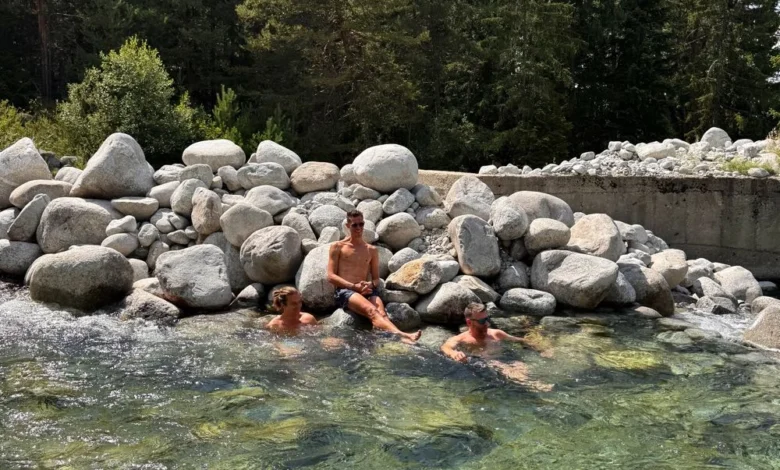
Bulgaria’s abundant natural mineral springs have become an integral part of their wellness routine. The region surrounding Bansko is dotted with mineral spa pools, which the couple frequently visits. These naturally heated waters, rich in magnesium, calcium, and sulfur, are traditionally associated with benefits for muscle soreness, joint health, and skin conditions. Balneotherapy, the practice of bathing in mineral-rich waters, has been recognized for its therapeutic effects, including pain relief and relaxation, offering a unique form of recovery and stress reduction amidst picturesque mountain scenery.

Complementing the warmth of mineral baths, Nick has enthusiastically embraced natural cold plunges, a practice gaining widespread attention for its physiological benefits. While Dariece approaches cold exposure with more caution, favoring water temperatures above 10°C, Nick regularly immerses himself in icy mountain streams. Cold exposure is supported by a growing body of scientific evidence suggesting its role in reducing inflammation, improving circulation, boosting the immune system, and enhancing mental clarity and alertness. The initial shock of cold water is often followed by a significant endorphin rush, leading to feelings of invigoration and heightened focus. Research, including studies on cold water immersion in athletic recovery, continues to explore these profound effects.
Personalized Nutrition: The Science of Targeted Mineral Supplementation
A more specialized aspect of their health journey involves targeted mineral supplementation based on Hair Tissue Mineral Analysis (HTMA). This diagnostic test, which analyzes a hair sample, provides insights into an individual’s mineral levels and ratios, as well as potential heavy metal accumulation. The couple’s HTMA results revealed specific deficiencies, guiding them toward a personalized supplementation strategy rather than a generalized approach.
Mineral imbalances can have widespread effects on energy levels, mood, sleep quality, and overall physiological function. For instance, magnesium plays a crucial role in over 300 enzymatic reactions, while zinc is vital for immune function and cell growth. The HTMA approach, when conducted under the guidance of a qualified practitioner, allows for a more precise intervention, addressing specific bodily needs. This emphasis on personalized nutrition underscores a shift towards more data-driven health management.

Structured Fitness: Integrating Multi-Modal Exercise
Having a stable home base has enabled the couple to establish a comprehensive and consistent fitness routine. Their daily schedule now typically includes morning stretching, followed by an hour-long hike or walk. Midday often involves a run and strength training at a local gym, with some evenings concluding with a shorter walk. This multi-modal approach, integrating flexibility, cardiovascular exercise, and strength training, ensures a holistic development of physical fitness.
The benefits of regular, varied physical activity are indisputable, encompassing improved cardiovascular health, increased muscle strength and bone density, enhanced mood, and better weight management. Breaking up exercise throughout the day can also be beneficial, countering the sedentary effects of prolonged desk work, a common challenge for digital professionals. This structured routine provides the consistency often lacking in a nomadic lifestyle, where access to gyms or suitable outdoor spaces can be unpredictable.
Embracing the Outdoors: The Benefits of Mountain Hiking

Situated at the foot of the Pirin Mountains, Bansko offers immediate access to an extensive network of hiking trails. Daily hiking has become a primary form of physical activity for Dariece and Nick. This not only provides cardiovascular and strength benefits – particularly on uphill climbs – but also contributes significantly to their mental well-being.
Immersion in nature, often referred to as "forest bathing" or "ecotherapy," has been shown to reduce stress, lower blood pressure, and improve mood. The combination of physical exertion and exposure to natural environments offers a powerful antidote to modern stressors. Whether a short forest stroll or a more demanding trek, these regular interactions with the natural landscape are a cherished aspect of their Bulgarian life.
Culinary Control: The Impact of Home Cooking
A significant advantage of having a permanent kitchen is the ability to cook the majority of their meals at home. During their years of constant travel, dining out was a frequent necessity, often leading to less control over ingredients, portion sizes, and nutritional content. While enjoying local cuisine is a highlight of travel, a sustained diet of restaurant food can be less healthy than home-prepared meals.

Home cooking allows for complete control over ingredients, enabling the couple to prioritize fresh, whole foods and avoid excessive sugars, unhealthy fats, and additives. This dietary control is crucial for maintaining energy levels, supporting gut health, and managing chronic conditions. Furthermore, the act of preparing meals together can be a bonding experience, fostering a sense of routine and shared activity.
Social Well-being: Building Community and Connection
Despite the perceived independence of digital nomadism, prolonged periods of transience can lead to a craving for deeper social connections. Dariece and Nick emphasize that while they value their individual relationship, the absence of a stable community became increasingly noticeable. Becoming residents in Bansko, a town known for its vibrant mix of expats, digital nomads, and locals, has allowed them to cultivate a genuine community.
Engaging in local events, group hikes, and social gatherings has fostered a sense of belonging. Research consistently demonstrates the critical role of social connection in mental and physical health, linking strong social ties to increased longevity, reduced risk of depression, and improved overall well-being. This re-established community provides a support network and a sense of shared experience that was challenging to maintain during their nomadic years.

Mindful Consumption: Re-evaluating Alcohol Habits
While not advocating for complete abstinence, the couple has adopted a more mindful approach to alcohol consumption. The social dynamics of full-time travel often involve exploring local craft beer scenes or wine bars and socializing over drinks. Settling down has allowed for a more intentional relationship with alcohol.
Instead of daily consumption, they now savor a few glasses of local Bulgarian wine during special meals or social evenings. This moderation aligns with general health recommendations for alcohol intake, which emphasize reduced consumption for optimal organ health and overall wellness, particularly as individuals age. The shift also highlights the financial benefits of reduced spending on alcohol, reinforcing a more disciplined approach to lifestyle choices.
Broader Implications and Future Outlook

The experience of Dariece and Nick reflects a broader re-evaluation occurring within the digital nomad community. While the allure of perpetual travel remains strong, an increasing number of long-term nomads are seeking hybrid models that combine periods of travel with established home bases. This allows them to harness the benefits of exploration while mitigating the health and social challenges of continuous transience.
Bulgaria, with its compelling combination of natural resources, affordable living, and a welcoming environment for international residents, stands out as a prime example of a destination that supports this evolving lifestyle. The couple’s journey underscores the profound impact that environmental stability and intentional routine can have on health, demonstrating that true freedom for digital professionals might not lie in endless movement, but rather in the judicious choice of when and where to plant roots. Their story offers valuable insights for anyone considering a significant lifestyle change, emphasizing that consistency, community, and a mindful approach to daily habits are crucial for sustained well-being, irrespective of one’s professional or travel aspirations.