From Digital Influence to Polar Stewardship The Evolution of Expedition Guiding in the High Arctic

The landscape of high-latitude tourism is undergoing a significant transformation as seasoned travel professionals transition from digital content creation to specialized field roles. This shift is exemplified by the career evolution of industry veterans who are moving away from traditional influencer models toward professional expedition guiding and travel advisory services. As the Arctic becomes increasingly accessible during the summer months due to shifting ice patterns, the demand for expert-led expeditions has surged, creating a new niche for professionals who combine logistical knowledge with storytelling expertise.
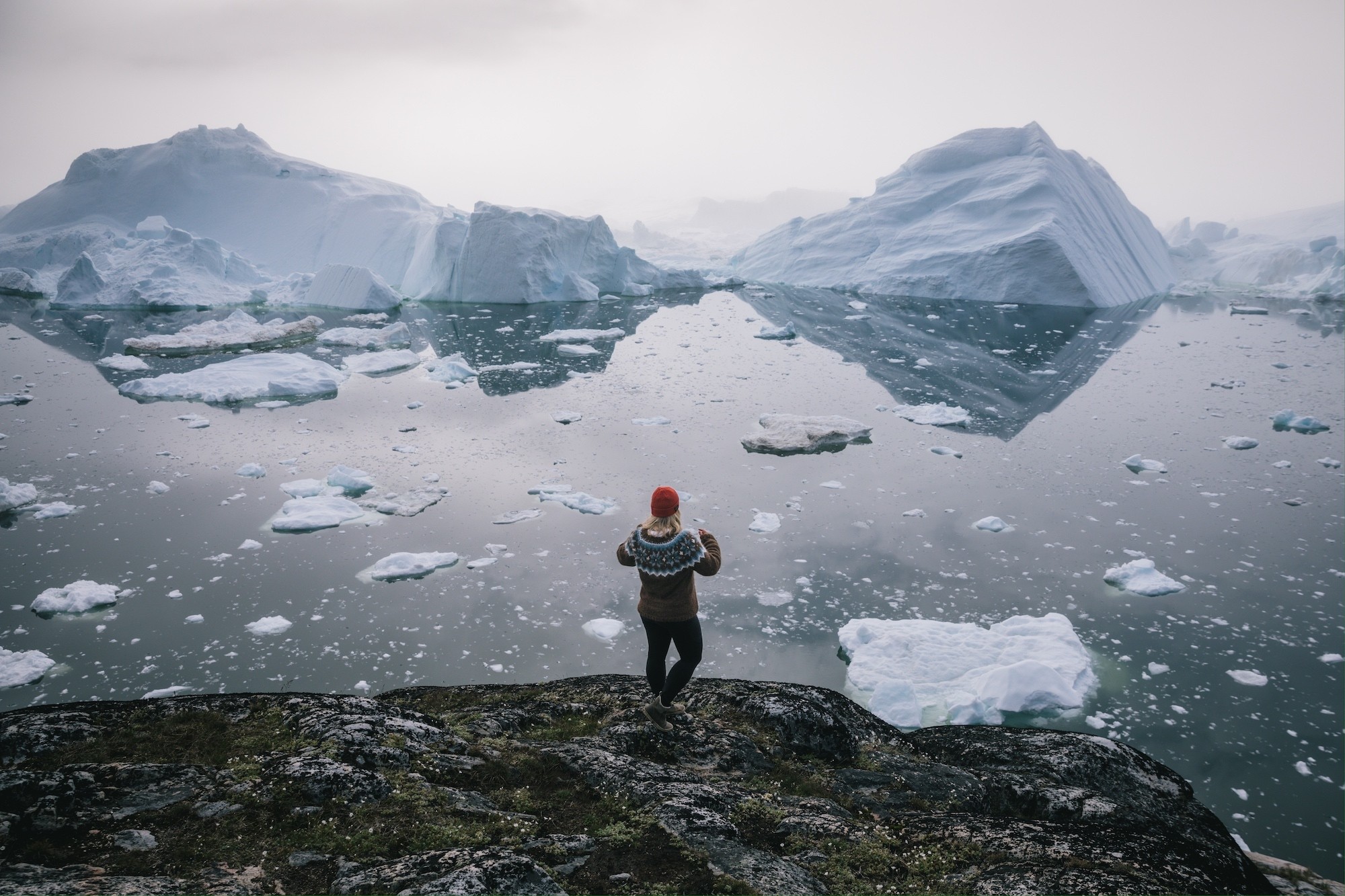
The Arctic remains one of the most challenging regions on Earth to navigate. For the majority of the year, the High Arctic is encased in sea ice, rendering it inaccessible to standard maritime traffic. The window for exploration is remarkably narrow, typically limited to a few months during the boreal summer when the ice retreats sufficiently to allow passage for ice-strengthened expedition ships. During this period, the region becomes a focal point for scientific research, cultural exchange, and high-end expedition tourism.
The Logistics and Geography of Polar Expeditionary Travel
Expedition travel in the polar regions differs fundamentally from traditional cruising. In areas such as the Canadian Arctic and Greenland, infrastructure is minimal. There are few deep-water ports, and most transportation between remote communities relies on small aircraft, snowmobiles in winter, or local watercraft. Consequently, expedition ships serve as self-contained mobile bases, providing the only efficient means for visitors to access the vast reaches of the Northwest Passage and the Greenlandic coastline.
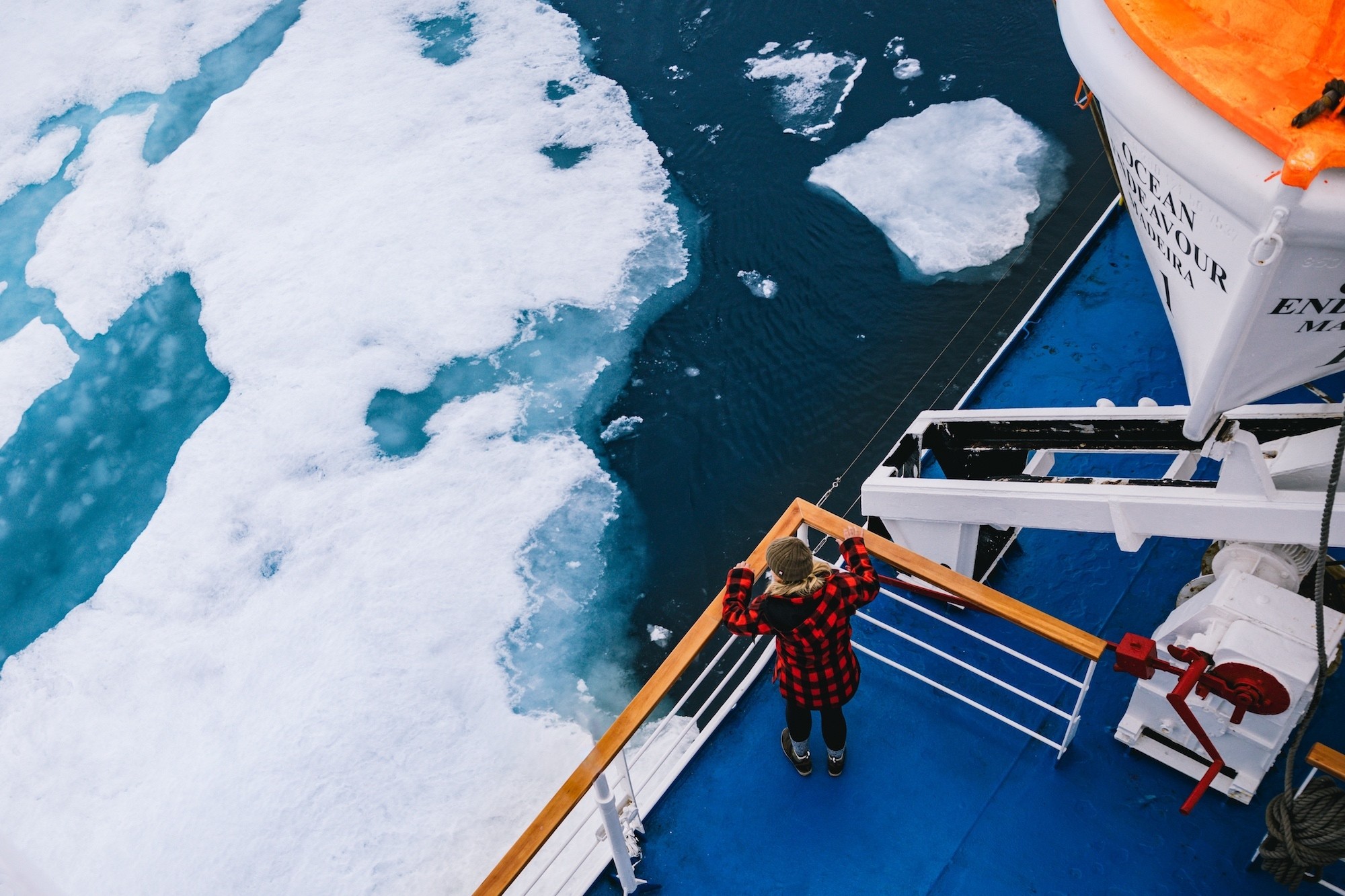
A primary player in this sector is Adventure Canada, a family-owned operation that has specialized in the region for decades. The company’s model emphasizes a high ratio of guides to passengers and a focus on community engagement. This approach has fostered a unique ecosystem where approximately 50% of passengers are repeat travelers, a statistic that underscores the loyalty generated by deep-field immersion. The guiding teams often consist of naturalists, historians, and cultural educators who return season after season, creating a continuity of knowledge that is essential for navigating the unpredictable conditions of the High North.
Historical Context and Wildlife Ecology of the High Arctic
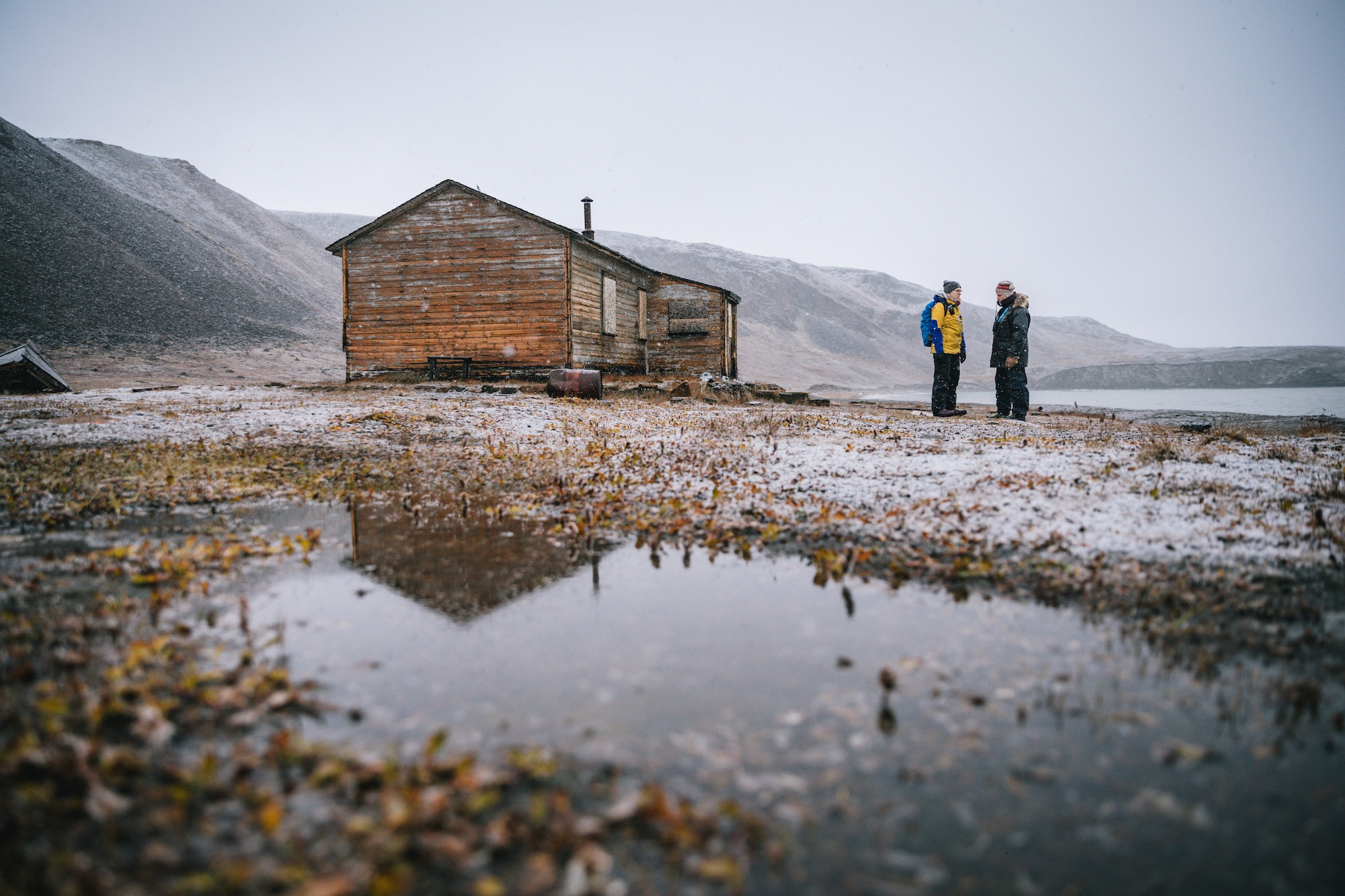
Modern expeditions often follow the wake of historical explorers, providing a tangible link to the era of polar discovery. One of the most significant sites in Arctic history is Beechey Island, located in the Canadian Arctic Archipelago. This site served as a wintering ground for the ill-fated 1845 expedition led by Sir John Franklin. Today, visitors can observe the graves of crew members and the remains of Northumberland House, a storehouse built by search parties. This historical depth is a cornerstone of the educational programming offered on expedition ships, bridging the gap between 19th-century exploration and 21st-century environmental science.
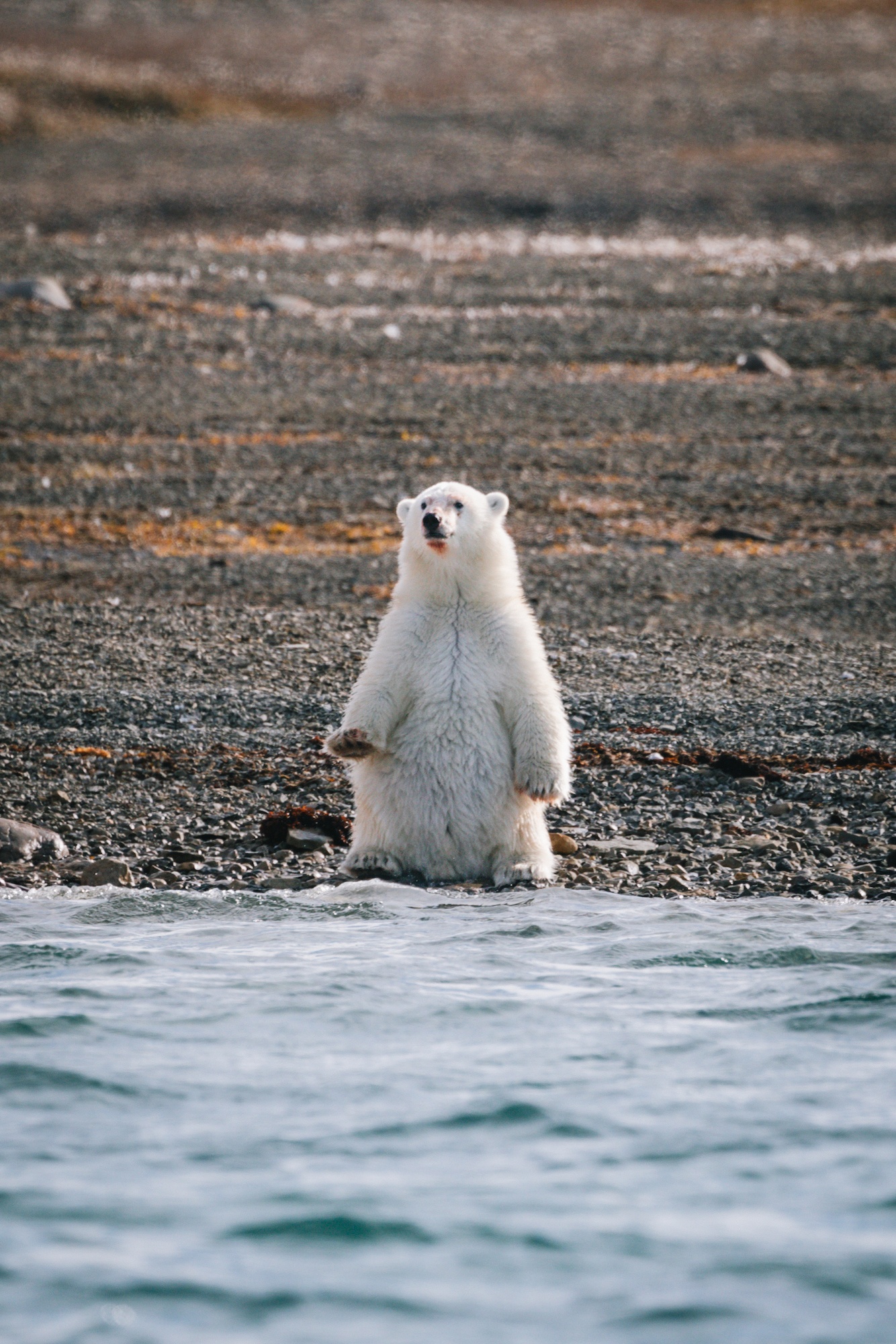
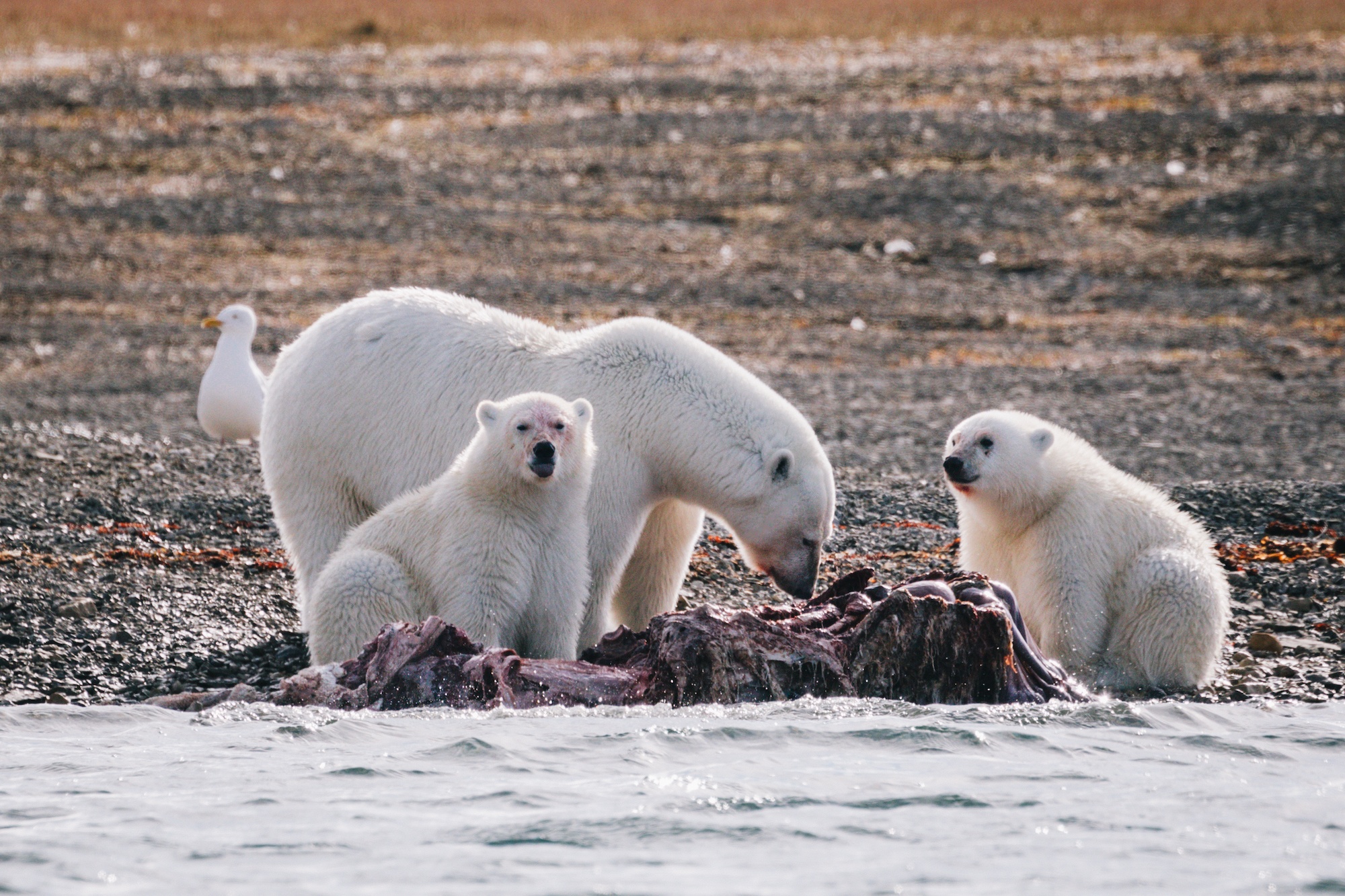
Beyond history, the Arctic’s ecological significance is a major draw for tourism. The region is home to the "Big Five" of the North: polar bears, walruses, muskoxen, whales, and the elusive narwhal. Recent sightings during the 2023 season highlighted the raw nature of the Arctic food web, including observations of polar bears scavenging beluga whales—a stark reminder of the region’s harsh realities.
Polar bears (Ursus maritimus) remain the primary focus of wildlife enthusiasts. Current data from the International Union for Conservation of Nature (IUCN) suggests that while some subpopulations are stable, others face significant threats from the loss of sea ice, which they rely on for hunting seals. The presence of these apex predators is not guaranteed, and the ability of guides to track and safely view these animals in their natural habitat is a critical component of the expedition experience.
The Professional Shift: From Influencer to Field Expert
The transition of travel professionals from "influencers" to guides reflects a broader trend in the travel industry. The post-pandemic era has seen a marked shift in how travel experts monetize their skills. Many are moving away from the "hustle" of digital marketing—characterized by constant content production and social media competition—toward roles that offer more substantial engagement with the environment and the traveler.
This professional evolution involves a dual-track career path:

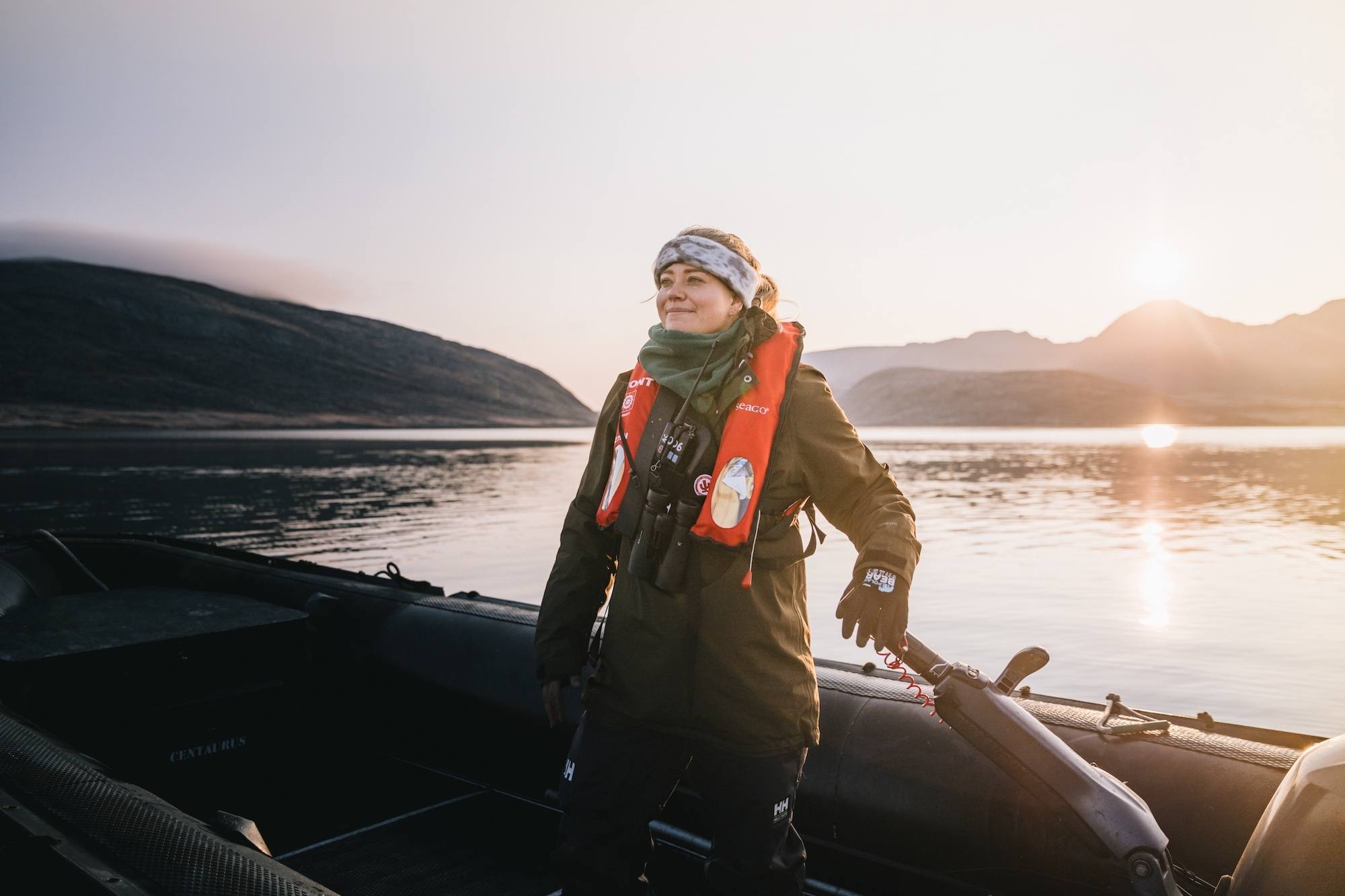
- Field Guiding: Professionals spend months at sea, managing logistics, driving Zodiacs (inflatable boats used for shore landings), and ensuring passenger safety in polar bear territory.
- Travel Advisory: Utilizing first-hand field experience to act as specialized travel agents, helping clients navigate the complexities of booking polar trips.
This model provides a more sustainable income stream while allowing experts to focus on "polar stewardship." By moving into referral-based sales and professional guiding, these individuals can provide more authentic recommendations than traditional travel agents who may have never visited the regions they sell.
Chronology of the Modern Arctic Tourism Season
The Arctic season follows a strict chronological progression dictated by the environment:
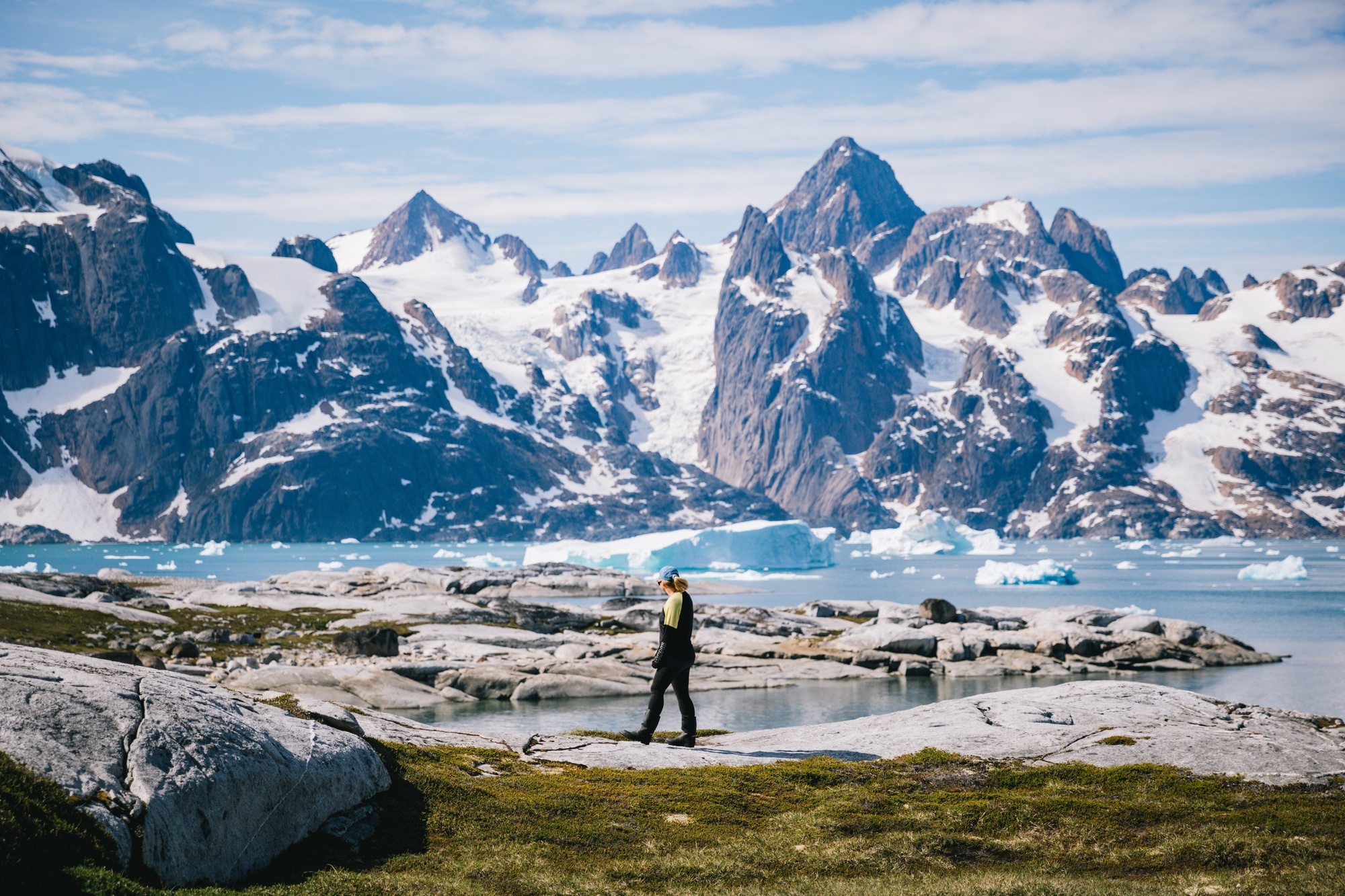
- June to Early July: The ice begins to break up in the sub-Arctic. Expeditions often focus on the southern coasts of Greenland and the Labrador Sea.
- Late July to August: This is the peak of the Arctic summer. The Northwest Passage becomes navigable, allowing ships to reach high-latitude sites like Beechey Island and the northern reaches of Baffin Island.
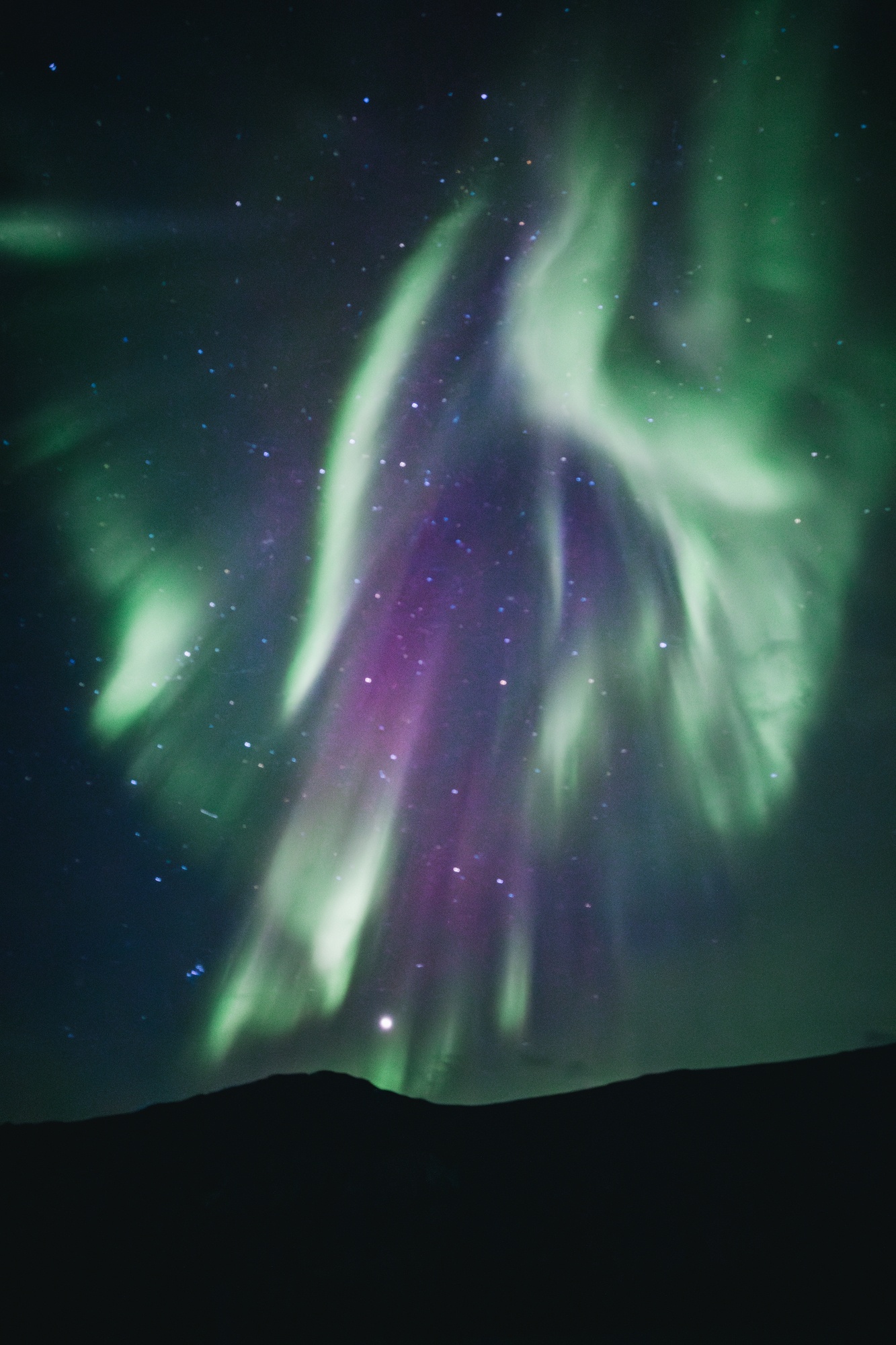
- September: As the days shorten, the Aurora Borealis (Northern Lights) becomes visible over Greenland and the Canadian North. This period marks the end of the shipping season as new ice begins to form.
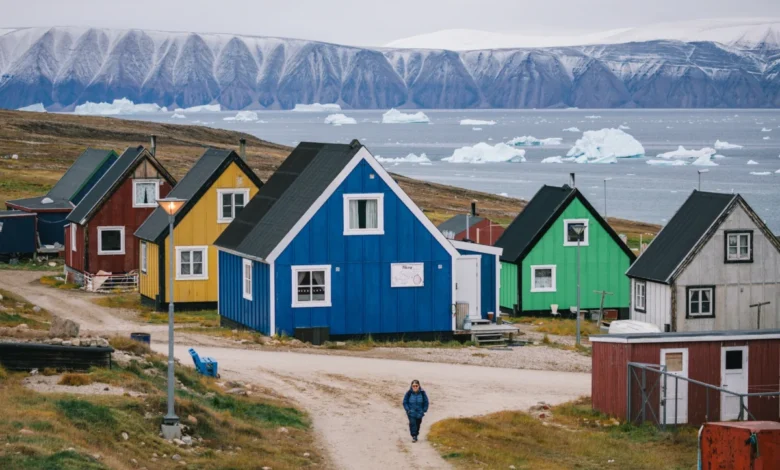
During the 2023 season, guides reported record sightings of mothers and cubs among polar bear populations in certain sectors, as well as significant interactions with Inuit communities. These communities provide the "incredible welcomes" noted by travelers, offering insights into modern Arctic life, which balances traditional hunting and fishing with the challenges of climate change and globalization.
Supporting Data: The Growth of Polar Tourism
According to the Association of Arctic Expedition Cruise Operators (AECO), there has been a steady increase in the number of passengers visiting the Arctic. In 2023, the industry saw a significant rebound from pandemic-era lows, with a focus on "expedition-style" vessels carrying fewer than 200-500 passengers. This scale is considered more environmentally and socially responsible than large-scale cruise tourism, as smaller ships have a lower carbon footprint and can visit smaller communities without overwhelming local infrastructure.
Data from the 2023-2024 seasons indicate that:
- Expedition cruise capacity in the Arctic has grown by approximately 15% annually over the last five years (excluding the 2020-2021 hiatus).
- Greenland has seen a 20% increase in cruise passenger arrivals, leading to the development of new port facilities in Nuuk and Ilulissat.
- The Canadian Arctic remains the most restricted and expensive region to visit, with permits and environmental regulations keeping passenger numbers relatively stable.
Broader Impact and Environmental Implications
The rise of polar tourism brings with it a complex set of implications. On one hand, the "ambassador" theory suggests that people who visit the Arctic and witness the effects of climate change firsthand are more likely to support conservation efforts. On the other hand, the carbon footprint of flying to remote ports and the emissions from ships are points of ongoing debate.
To mitigate these impacts, companies like Adventure Canada have implemented strict protocols regarding waste management, wildlife viewing distances, and community compensation. The goal is to create a "net positive" effect where the economic benefits to northern communities and the educational value for passengers outweigh the environmental costs of the travel itself.
The professionalization of the guide role is a key part of this mitigation. Experienced guides ensure that "Leave No Trace" principles are strictly followed and that interactions with wildlife do not disrupt natural behaviors. As the industry matures, the role of the guide is evolving from a mere facilitator to a critical link in the chain of Arctic conservation and education.
Conclusion: The Future of the High North
The Arctic is at a crossroads. As sea ice continues to diminish, the region will likely see increased commercial activity, including shipping and resource extraction. In this context, expedition tourism serves as a vital witness to a changing world. The shift of experienced travel professionals into guiding and specialized advisory roles represents a maturation of the industry. It moves the focus from "vacationing" to "witnessing," providing travelers with the expertise needed to understand the Arctic not just as a destination, but as a critical component of the global climate system.
For the professionals making this transition, the rewards are found in the "vast, wild, and unpredictable" nature of the work. The move from digital influence to field stewardship highlights a growing desire for meaningful work in an era of environmental uncertainty. As they lead the next generation of travelers into the ice, these guides are helping to define the future of sustainable exploration in the world’s most fragile environments.