Exploring the Remote Splendor of Golden Bay A Comprehensive Guide to New Zealands Northernmost South Island Retreat

Golden Bay, situated at the northwestern tip of New Zealand’s South Island, represents one of the most geographically isolated yet ecologically diverse regions in the country. Bordered by the Tasman Sea to the west and the expansive Golden Bay to the east, this area is defined by its dramatic limestone landscapes, alpine tracks, and a distinct socio-economic character often described as a "step back in time." Access to the region is primarily facilitated through the winding State Highway 60 over the Takaka Hill or via localized aviation services connecting the area to Wellington and Karamea. As tourism trends shift toward "slow travel" and nature-based experiences, Golden Bay has emerged as a critical case study in balancing environmental conservation with regional accessibility.
Geographic and Administrative Profile
Golden Bay forms a distinct "C" shape, stretching from the northern boundaries of Abel Tasman National Park to the 26-kilometer-long sandspit known as Farewell Spit (Onetahua). Administratively part of the Tasman District, the region’s primary service hub is the town of Takaka. The area is flanked by two of New Zealand’s most significant national parks: Abel Tasman to the east and Kahurangi to the west. This positioning makes Golden Bay a strategic terminus for the Heaphy Track, one of New Zealand’s "Great Walks," which spans 78.4 kilometers through the Kahurangi wilderness.
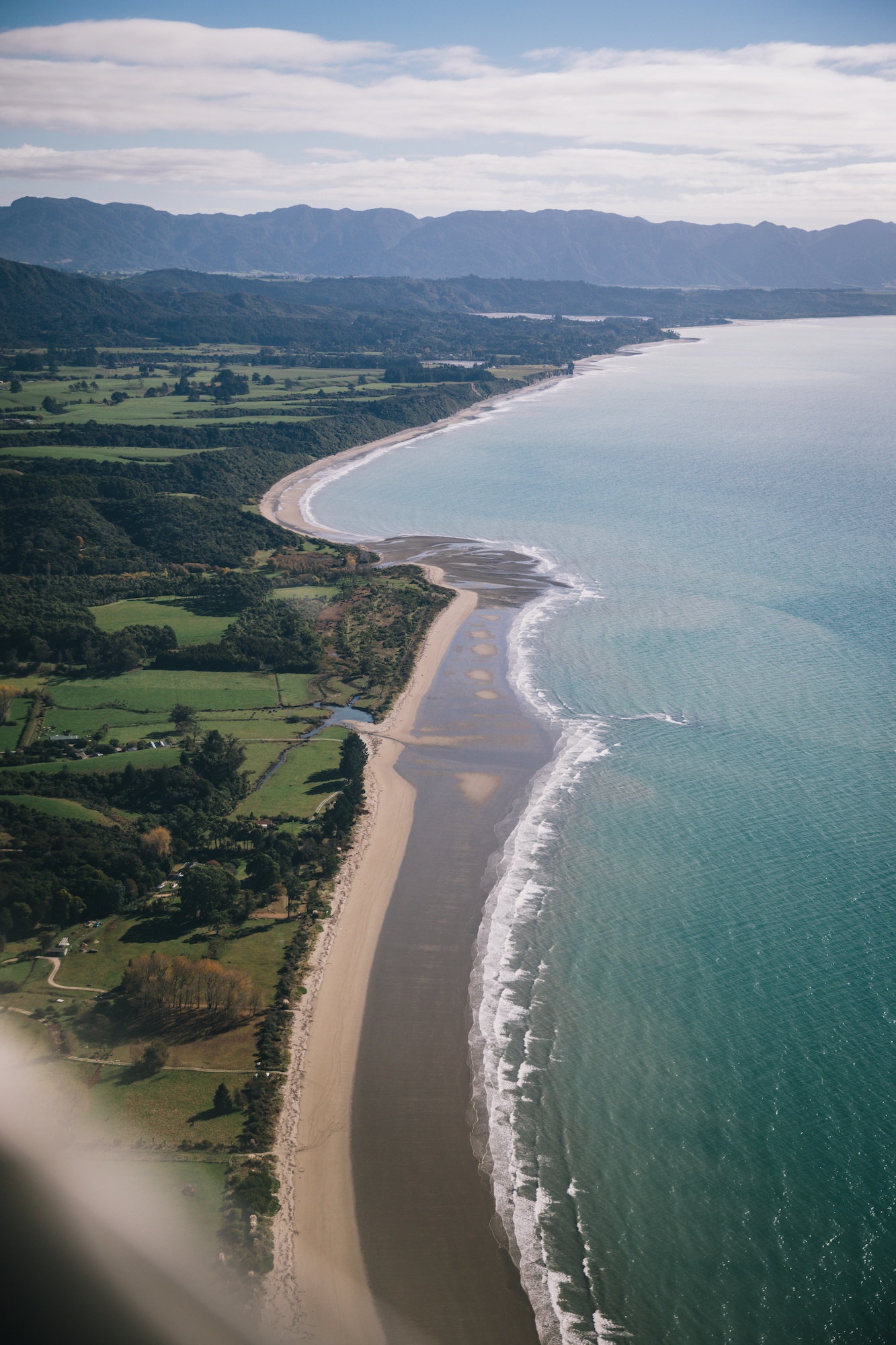
The region is characterized by high sunshine hours, frequently ranking among the sunniest locations in New Zealand. This climate supports a robust primary sector, including independent horticulture, dairy farming, and aquaculture. However, the geographic barriers—most notably the Takaka Hill—have historically insulated the local economy from the rapid commercialization seen in other South Island hubs like Queenstown or Wanaka.
Infrastructure and Regional Accessibility
The logistics of reaching Golden Bay remain a significant factor in its regional development. For many travelers, the journey begins or ends with the negotiation of State Highway 60, colloquially known as Takaka Hill. Rising to 791 meters above sea level, the road is a vital artery that has faced significant resilience challenges.
The Takaka Hill Resilience Project
In February 2018, Cyclone Gita caused catastrophic damage to the Takaka Hill road, resulting in multiple washouts and long-term closures. The ensuing repair project became a focal point of local frustration and engineering complexity. For over four years, a section of the road operated under single-lane traffic light control. The New Zealand Transport Agency (NZTA) finally completed the $27 million recovery project in late 2021, reinforcing the slope with over 6,000 meters of soil anchors. This history of infrastructure fragility underscores the region’s reliance on stable weather patterns and the high cost of maintaining remote alpine routes.
Aviation as a Strategic Alternative
Given the complexities of the road route, aviation has become an essential component of Golden Bay’s transport network. Golden Bay Air, operating out of Takaka Airport, provides scheduled flights and charter services that bypass the mountain pass. The airport itself serves as a functional office and a modest runway, catering to small-craft aviation. These services are particularly vital for the "Great Walk" logistics, allowing hikers to return to their starting points in Karamea or Wellington without a multi-hour drive.

Environmental Conservation and the Farewell Spit "Trap"
Farewell Spit is a Ramsar site of international importance, serving as a critical habitat for migratory birds. However, it is also internationally recognized as a "whale trap." The spit’s gently sloping sand and massive tidal flows—which can recede up to seven kilometers—are thought to interfere with the echolocation of marine mammals, particularly long-finned pilot whales.

Chronology of Major Strandings
The region has a harrowing history of mass strandings:
- February 2017: The largest recorded event in recent history, where more than 400 pilot whales stranded. Despite the efforts of hundreds of volunteers and the marine mammal rescue organization Project Jonah, approximately 250 whales perished.
- February 2021: A pod of 49 whales stranded at the base of the spit. Rapid response from the Department of Conservation (DOC) and local volunteers resulted in the successful refloating of 28 survivors.
- January 2024: Smaller-scale strandings continue to occur, prompting ongoing research into the magnetic anomalies and bathymetric features of the bay.
These events have shaped the local identity, fostering a community deeply attuned to marine conservation and the logistical challenges of environmental crisis management in remote areas.
Natural Landmarks and Geological Heritage
Golden Bay’s geology is predominantly karst, characterized by limestone and marble formations that have created some of the deepest and most extensive cave systems in the Southern Hemisphere.
Te Waikoropupū Springs
Located near Takaka, the Te Waikoropupū Springs (Pupū Springs) are the largest cold-water springs in the Southern Hemisphere. The water is renowned for its optical purity, with horizontal visibility measured at 81 meters—approaching the theoretical clarity of pure distilled water.
- Cultural Significance: For the local Māori iwi (Ngāti Rārua and Te Āti Awa), the springs are a taonga (treasure) and a wāhi tapu (sacred place).
- Protection Status: Since 2023, the springs have been protected by a Water Conservation Order (WCO), the highest level of legal protection for a water body in New Zealand, ensuring that the water quality and spiritual values are preserved from industrial or agricultural degradation.
Wharariki Beach
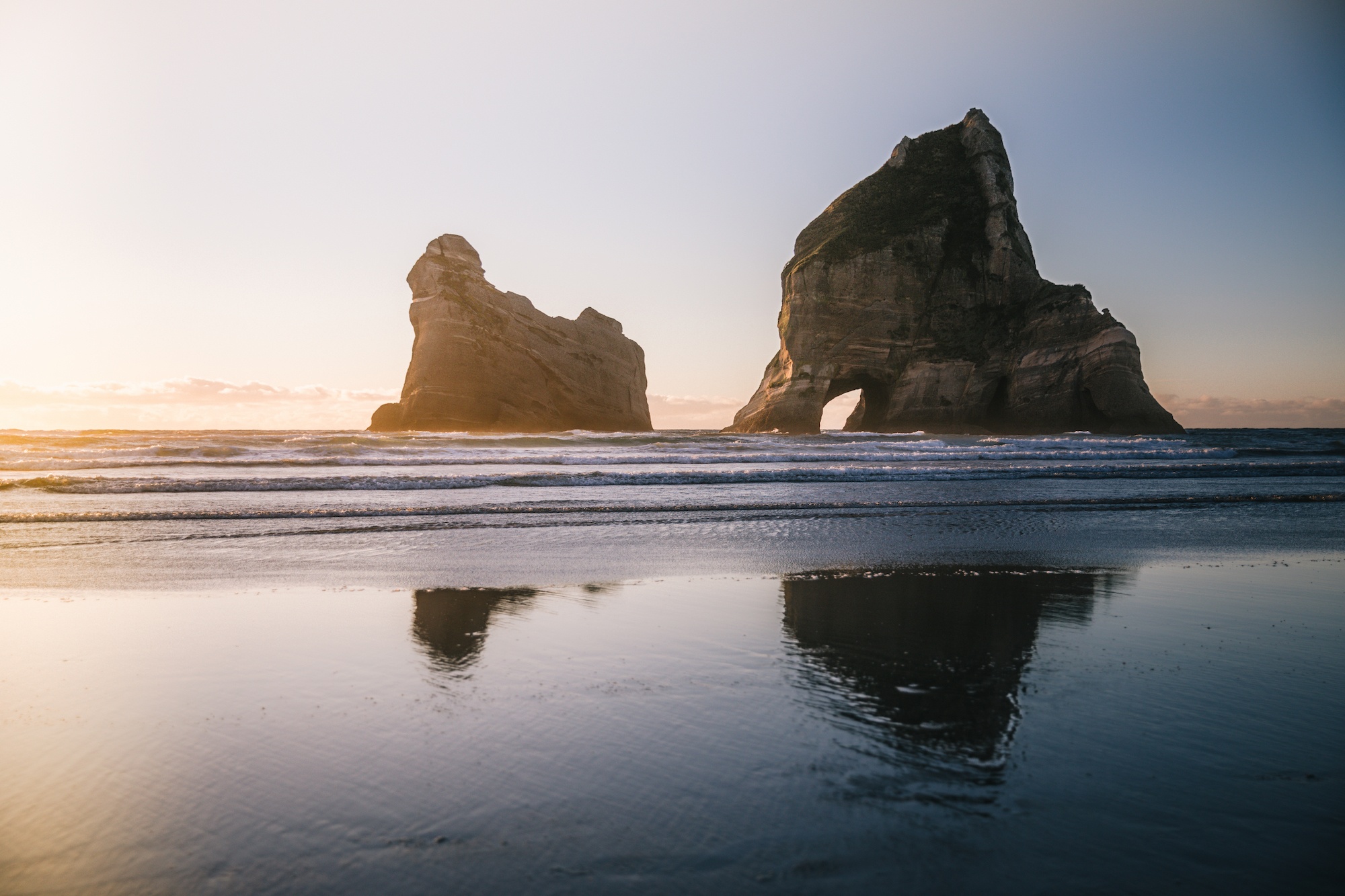
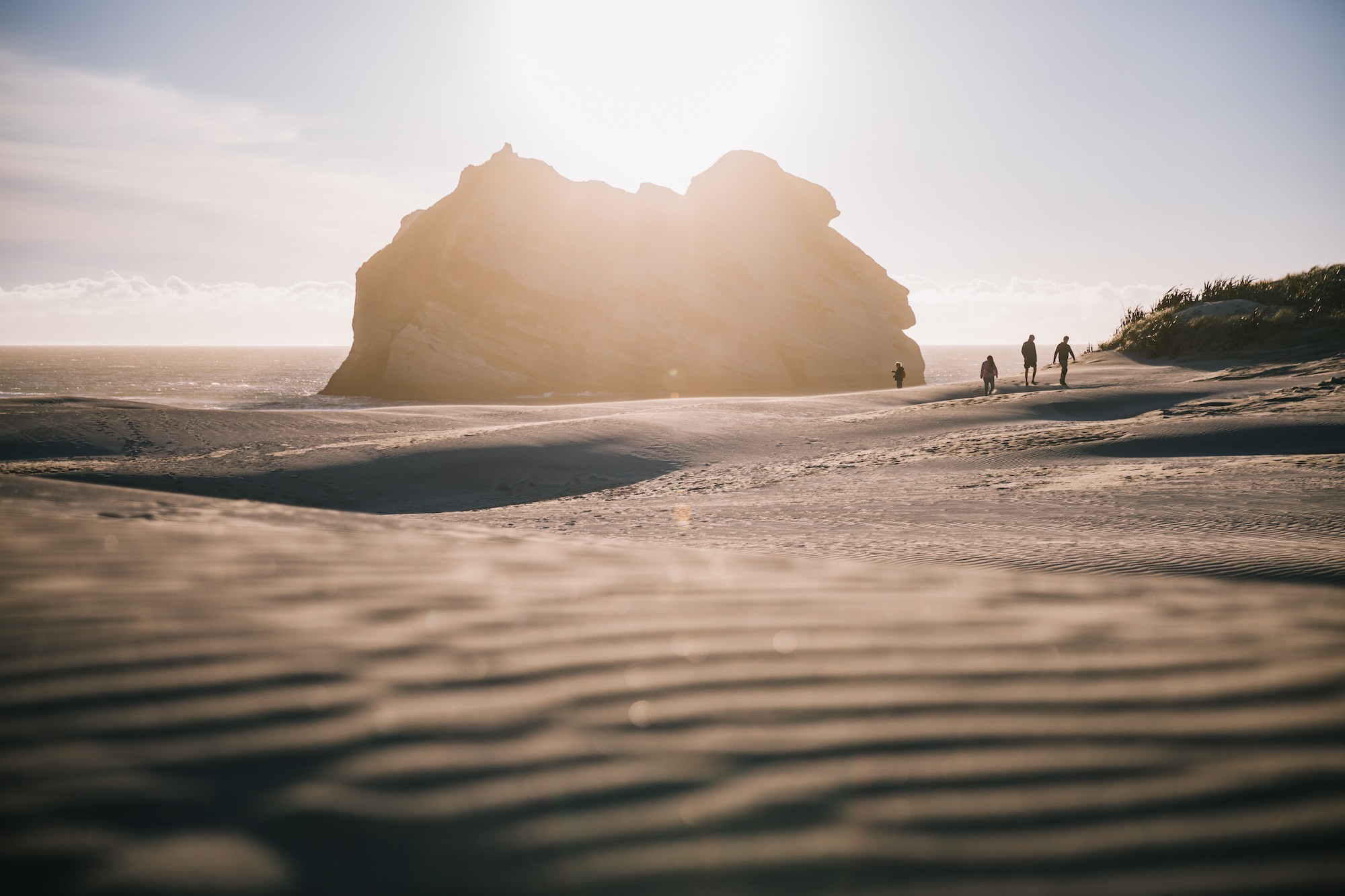
At the northernmost point of the region lies Wharariki Beach, a site of significant geological interest. The beach is famous for its Archway Islands—massive rock formations that have been sculpted by the relentless Tasman Sea. The area serves as a nursery for New Zealand fur seals (kekeno), with pups often found in tide pools during the autumn months. The beach’s massive dune systems are a result of high-velocity winds, creating a landscape that is both ecologically sensitive and a major draw for landscape photography.

Rawhiti Caves
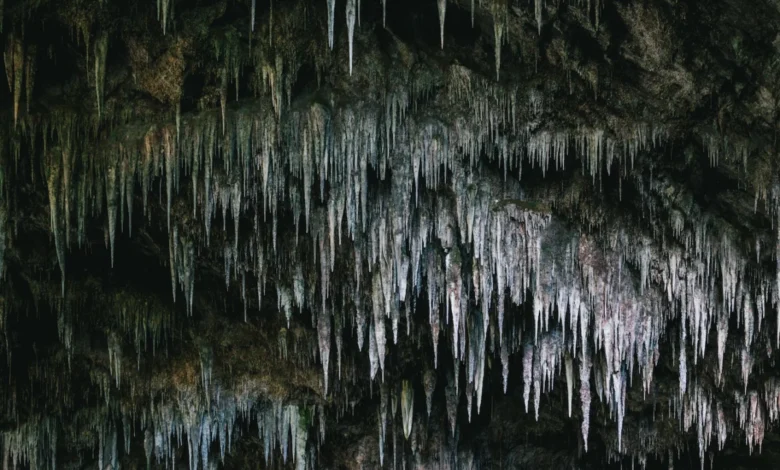
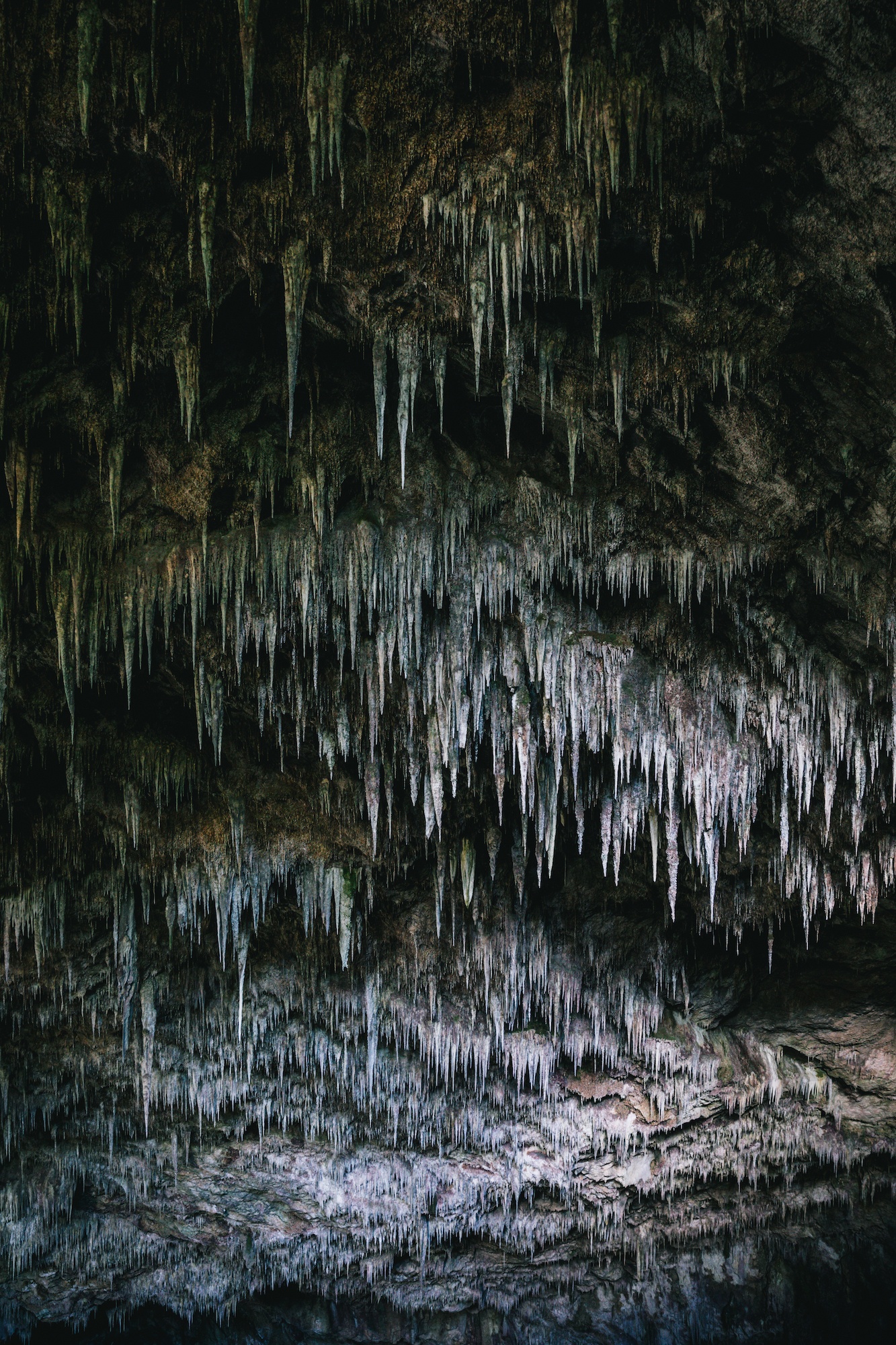
The Rawhiti Caves, located in the foothills of the Kahurangi National Park, offer a unique look at "phytokarst" formations. The cave entrance is one of the largest in New Zealand, featuring diverse stalactites that grow toward the light due to the presence of cyanobacteria on their surfaces. The trek to the caves involves a significant elevation gain, highlighting the rugged nature of the region’s interior.
The Socio-Economic Landscape: The "Slow" Economy
The socio-economic fabric of Golden Bay is distinct from the high-growth tourism models found in the Otago region. The local economy is built on a foundation of "honesty boxes" and independent artisanship. This "90s feel" is not merely an aesthetic choice but a reflection of a community that prioritizes social capital and sustainability over rapid expansion.
The Hospitality and Glamping Sector
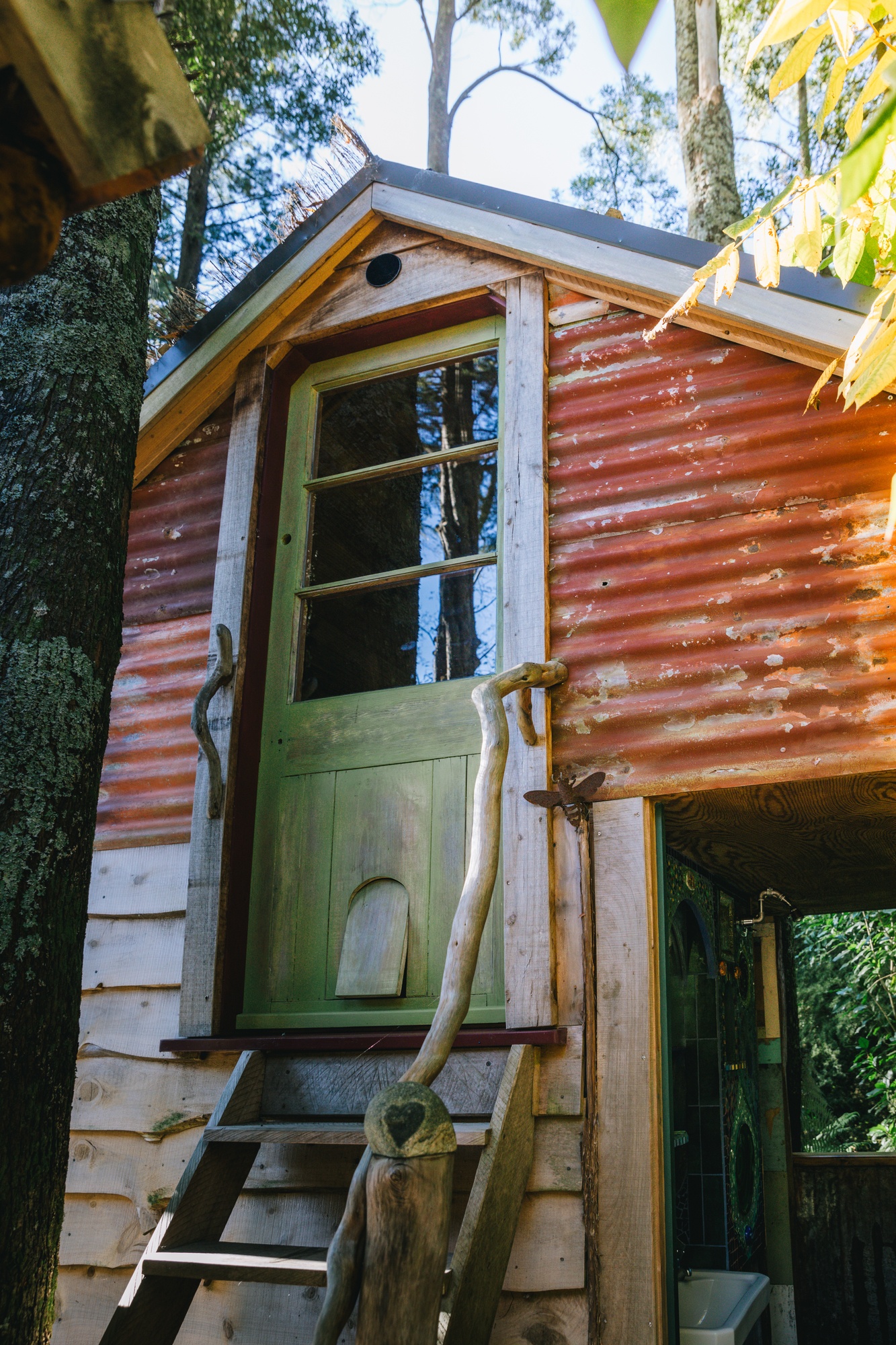
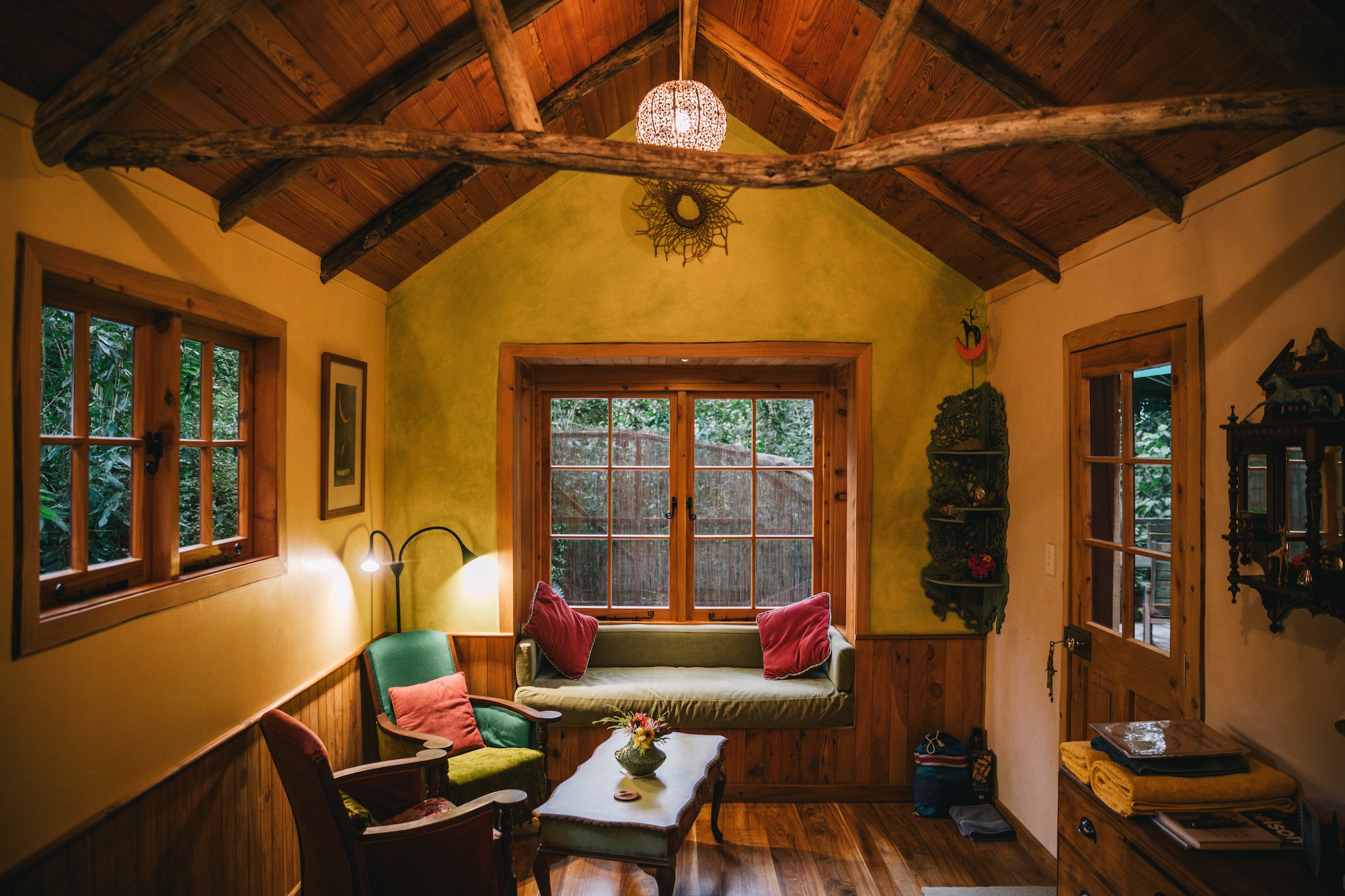
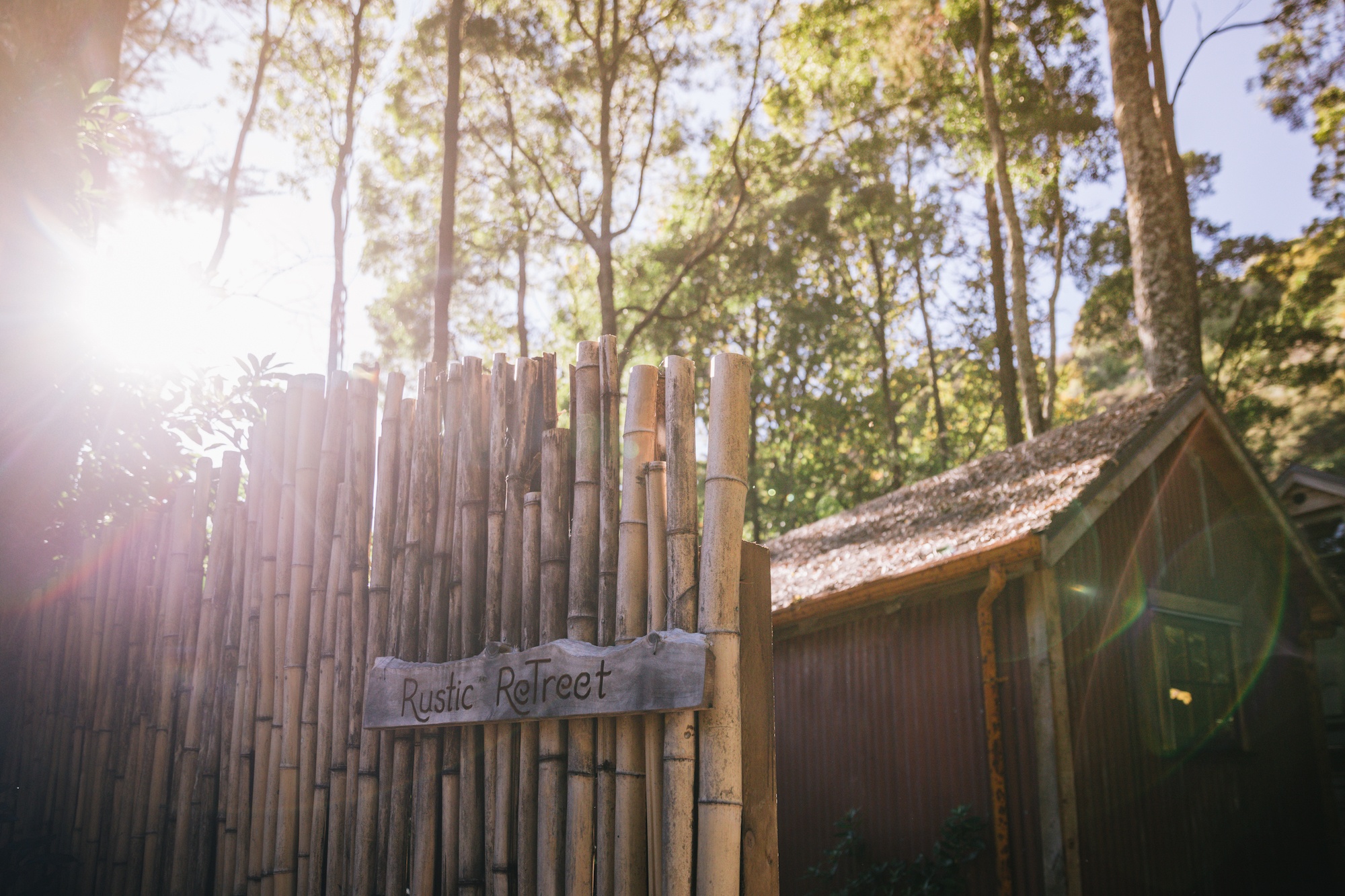
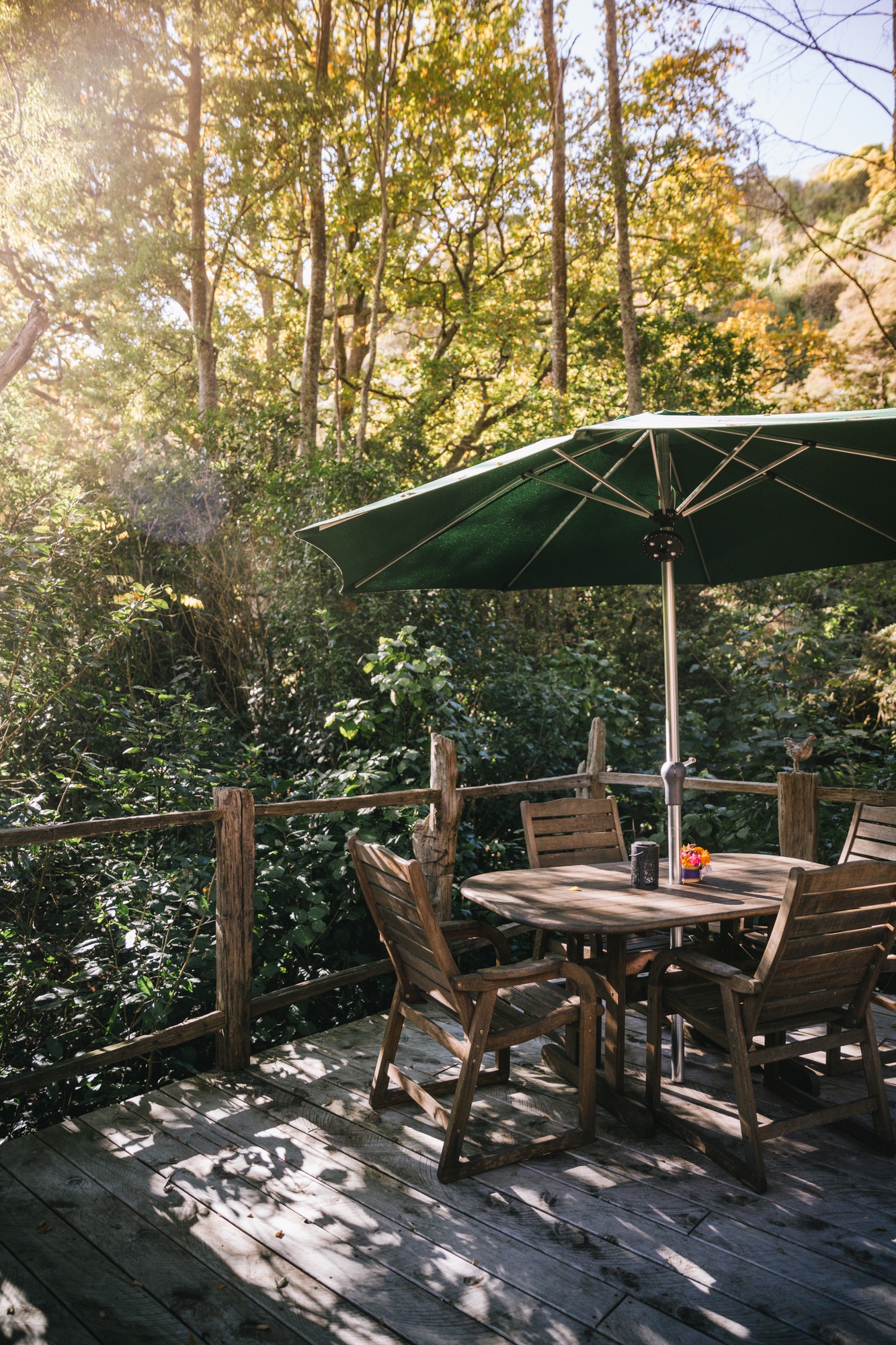
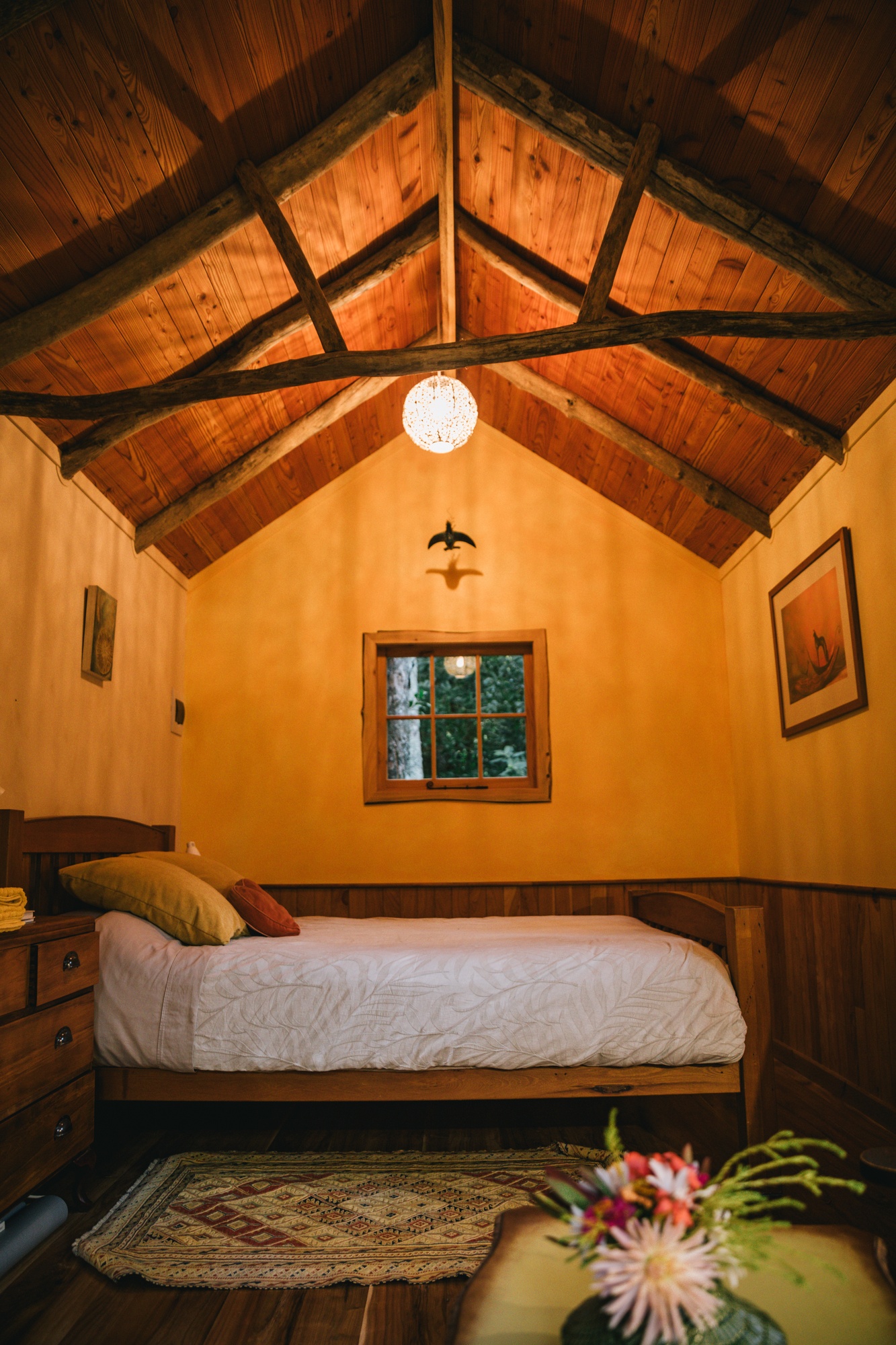
Recent years have seen a surge in "glamping" and unique accommodation offerings, such as the Rustic ReTreet. These developments reflect a shift in traveler preferences toward secluded, eco-friendly stays. Often built from repurposed materials and timber milled on-site, these accommodations cater to a demographic looking for an immersive nature experience.
The Role of The Mussel Inn
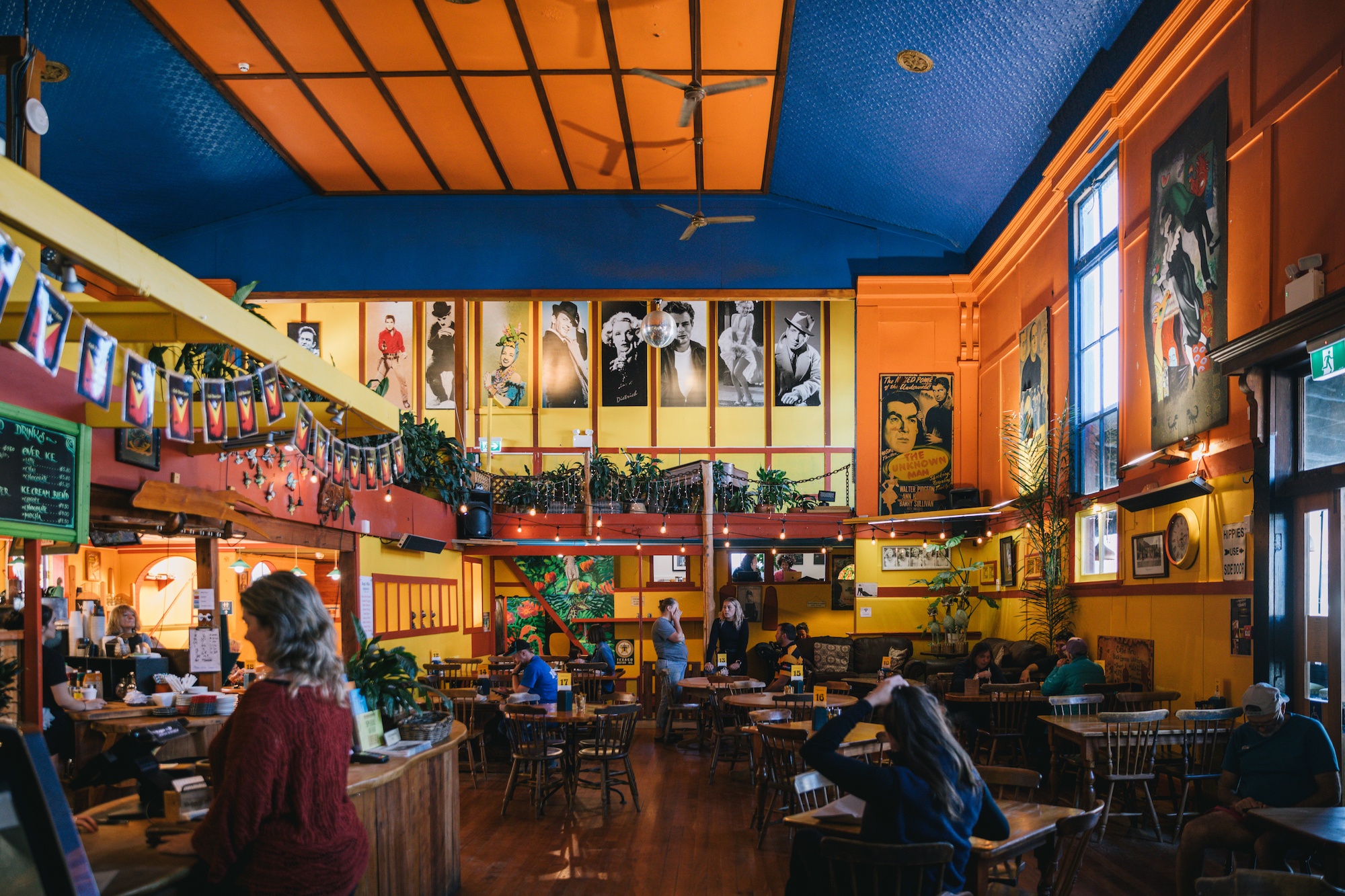
The Mussel Inn in Onekaka serves as a cultural and social anchor for the region. A purpose-built macrocarpa wood structure, it functions as a brewery, restaurant, and music venue. By brewing its own beverages and focusing on local produce (notably green-lipped mussels), it embodies the self-sufficiency that defines the Golden Bay spirit.
Broader Impact and Future Implications
The future of Golden Bay hinges on the delicate balance between accessibility and preservation. While the completion of the Takaka Hill repairs has restored a vital link, the region remains vulnerable to climate-induced weather events. Furthermore, the increasing popularity of "Great Walks" like the Heaphy Track brings a steady stream of visitors, necessitating robust waste management and conservation strategies from the Department of Conservation.

The protection of Te Waikoropupū Springs serves as a landmark precedent for New Zealand’s environmental law, suggesting that the region’s future growth will be strictly governed by ecological limits. As New Zealand continues to navigate the complexities of post-pandemic tourism, Golden Bay stands as a testament to the enduring appeal of the "remote." It is a region where the geography dictates the pace of life, and where the community remains fiercely protective of the natural world that sustains it.

In summary, Golden Bay is more than a tourist destination; it is a vital ecological corridor and a cultural bastion of New Zealand’s rural heritage. Its combination of geological wonders, maritime history, and community resilience ensures its place as one of the most significant regions in the South Island’s northern reaches.