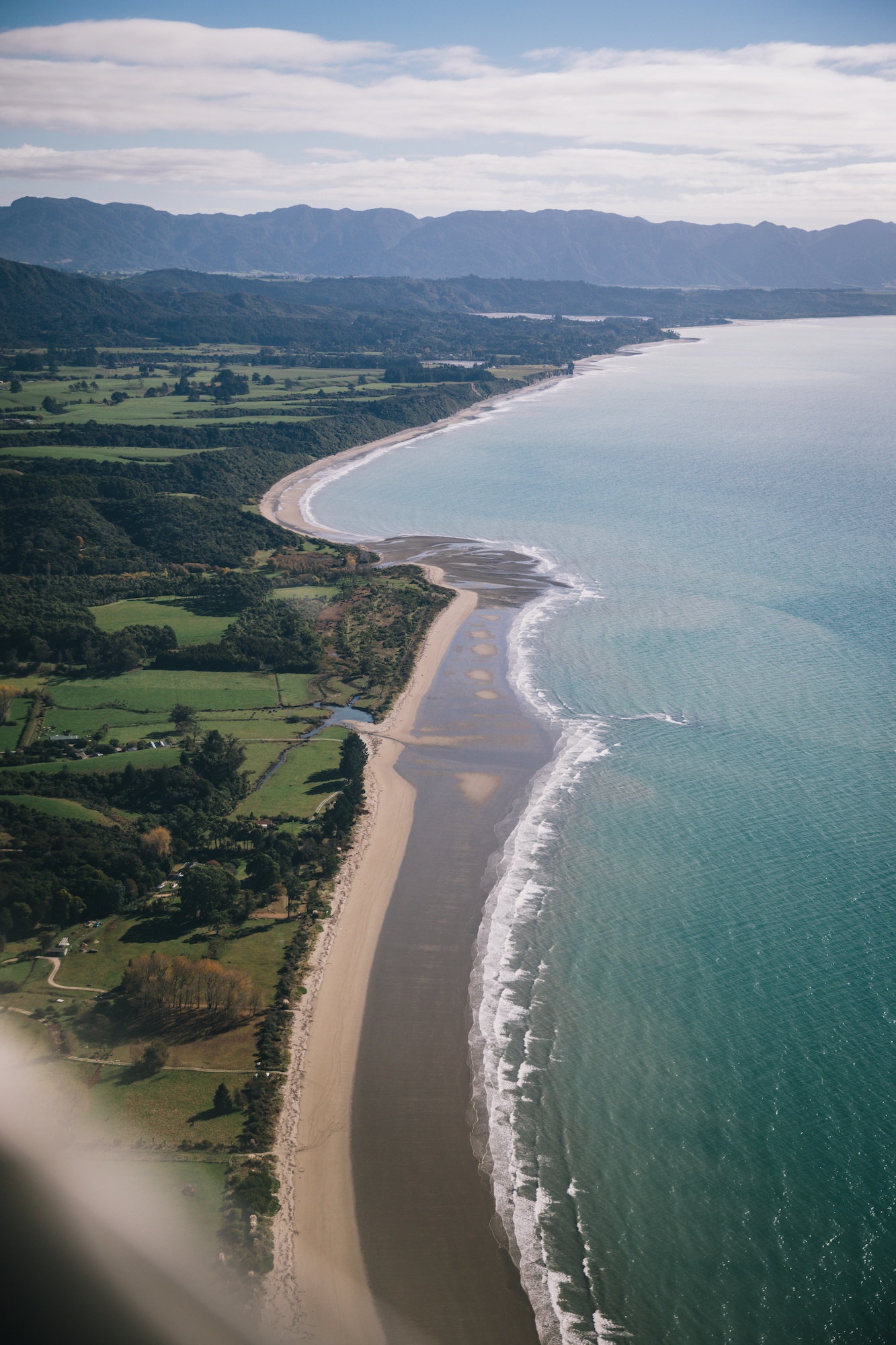
The remote northern reaches of New Zealand’s South Island have long occupied a unique niche in the national geography, isolated by rugged topography and defined by independent agrarian communities. Recent travel analyses and regional transit shifts, however, have brought renewed attention to Golden Bay, an arching geographic feature stretching from the northern bounds of Abel Tasman National Park to the 26-kilometer expanse of Farewell Spit. As travelers increasingly seek off-the-beaten-path destinations, Golden Bay presents a compelling case study in geographic isolation, rural sustainability, and the delicate intersection of tourism and marine conservation.

Geographic Isolation and Regional Logistics
Golden Bay’s distinct identity is largely a product of its challenging accessibility. Situated at the top-west of the South Island, the region is functionally removed from the main arterial tourist routes. Access to Takaka, the commercial and cultural hub of the bay, requires traversing Takaka Hill—a mountain pass renowned for its steep drop-offs and hundreds of sharp turns.
The logistical hurdles of this topography have historically shielded the region from hyper-development. For four years following severe storm damage, sections of the highway over Takaka Hill were reduced to single-lane traffic controlled by signal lights, drawing public frustration and highlighting the infrastructural vulnerabilities of isolated New Zealand communities. Alternative access has increasingly relied on regional aviation services, such as Golden Bay Air, which coordinates coastal flights and logistical connections across the region, linking points like Takaka, Wellington, and Karamea—the northern terminus of the Heaphy Track.
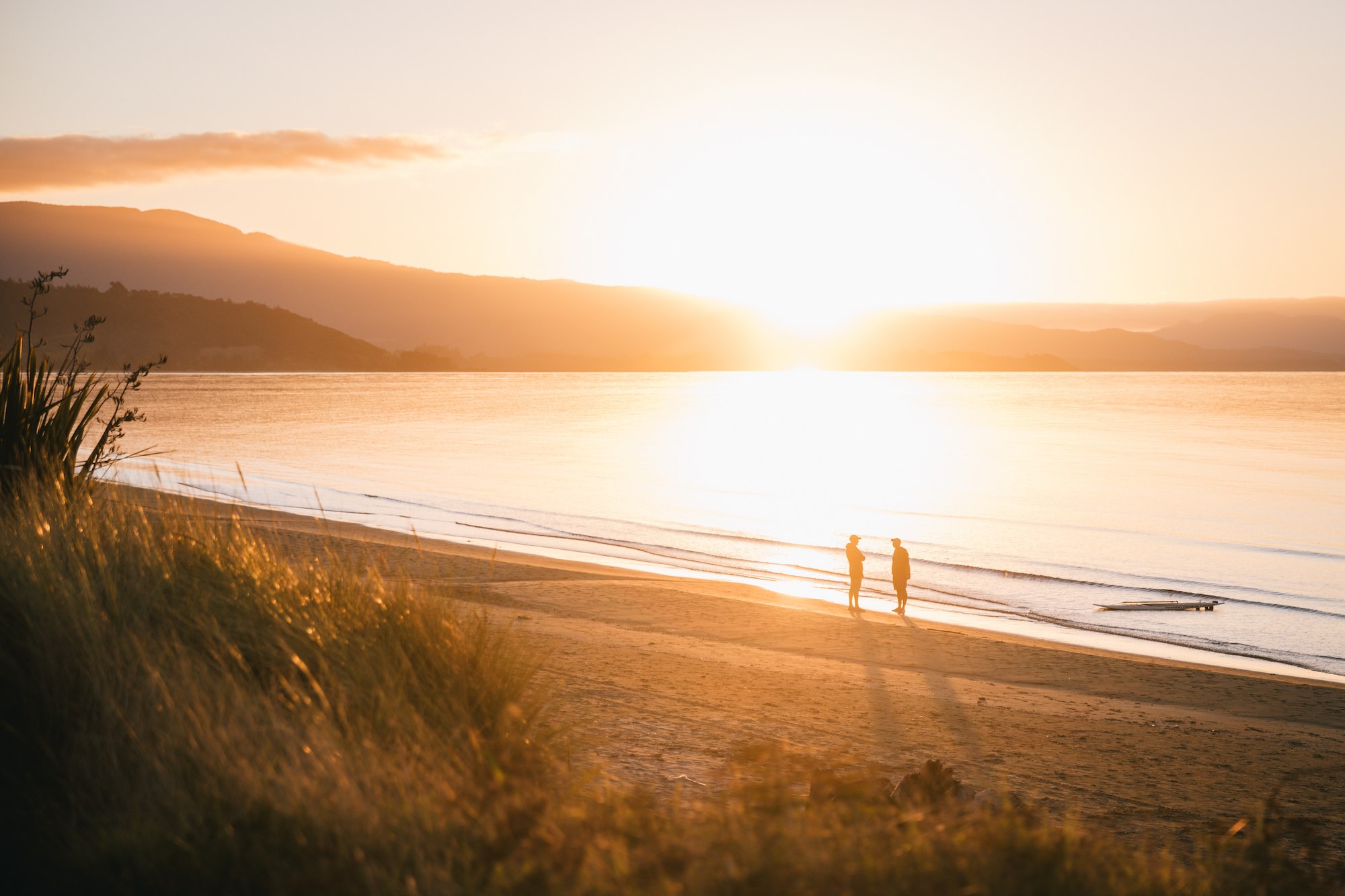
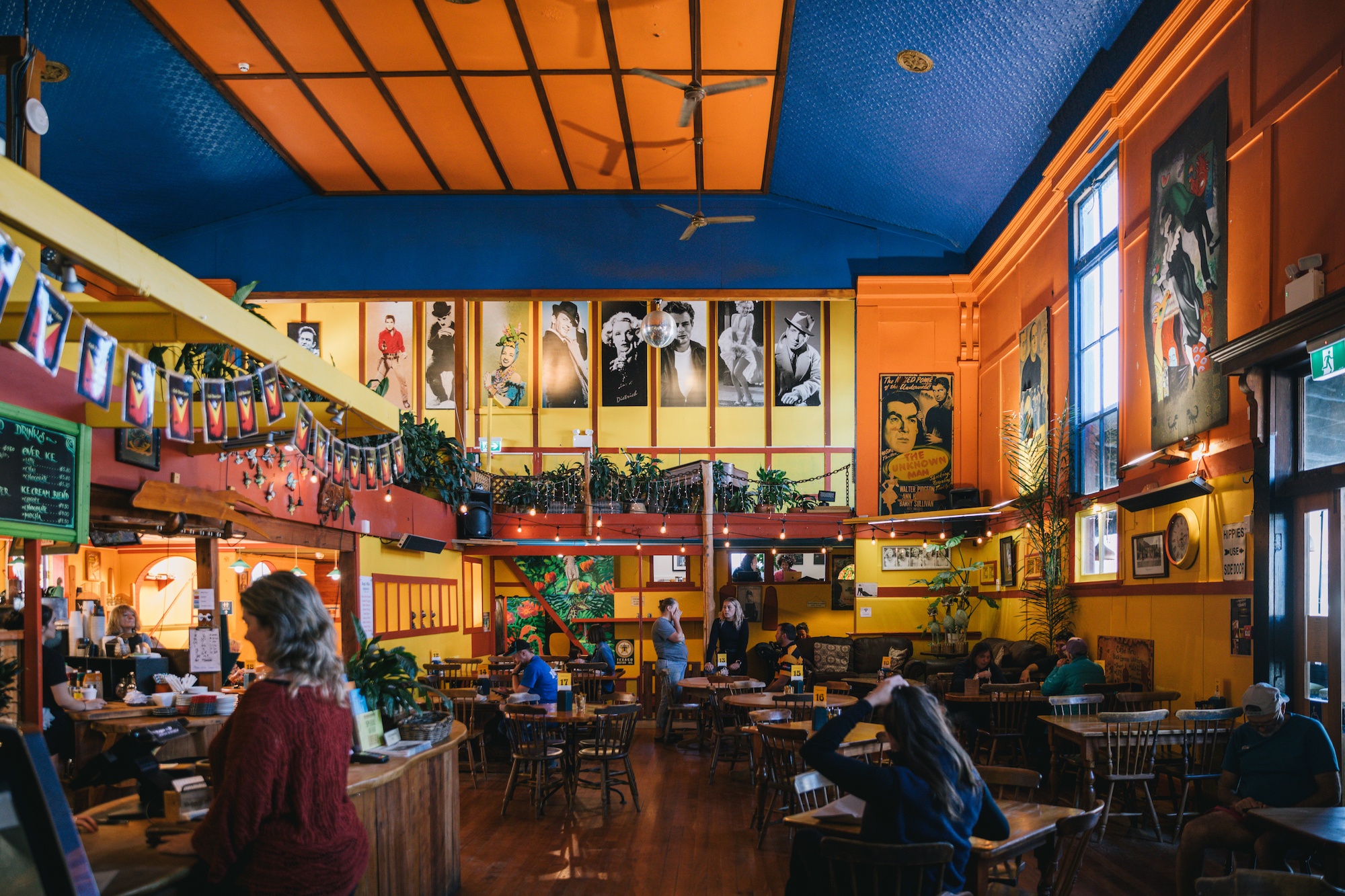
This infrastructure supports a distinct demographic and economic ecosystem. Characterized by a high concentration of independent organic growers, roadside honesty-box fruit stands, and a milder microclimate compared to alpine centers like Wānaka, Golden Bay has fostered an alternative, community-driven lifestyle reminiscent of late-20th-century rural New Zealand.
Ecological Significance and Marine Conservation

Beyond its agricultural output and slow-paced lifestyle, Golden Bay is a region of profound ecological importance and vulnerability. The area is most globally recognized for Farewell Spit, a massive sandspit curving out from the mainland that acts as a natural trap.

Historically, Farewell Spit has been the site of significant marine mammal stranding events, predominantly involving pilot whales. A notable mass stranding occurred seven years ago, involving over 400 whales. Marine biologists and conservation organizations, including Project Jonah, attribute these recurring incidents to a combination of geographical factors: extensive tidal flows, gently sloping underwater topography around the sandspit, and deep oceanic waters lying just beyond. These elements create navigational hazards for pods navigating coastal waters.
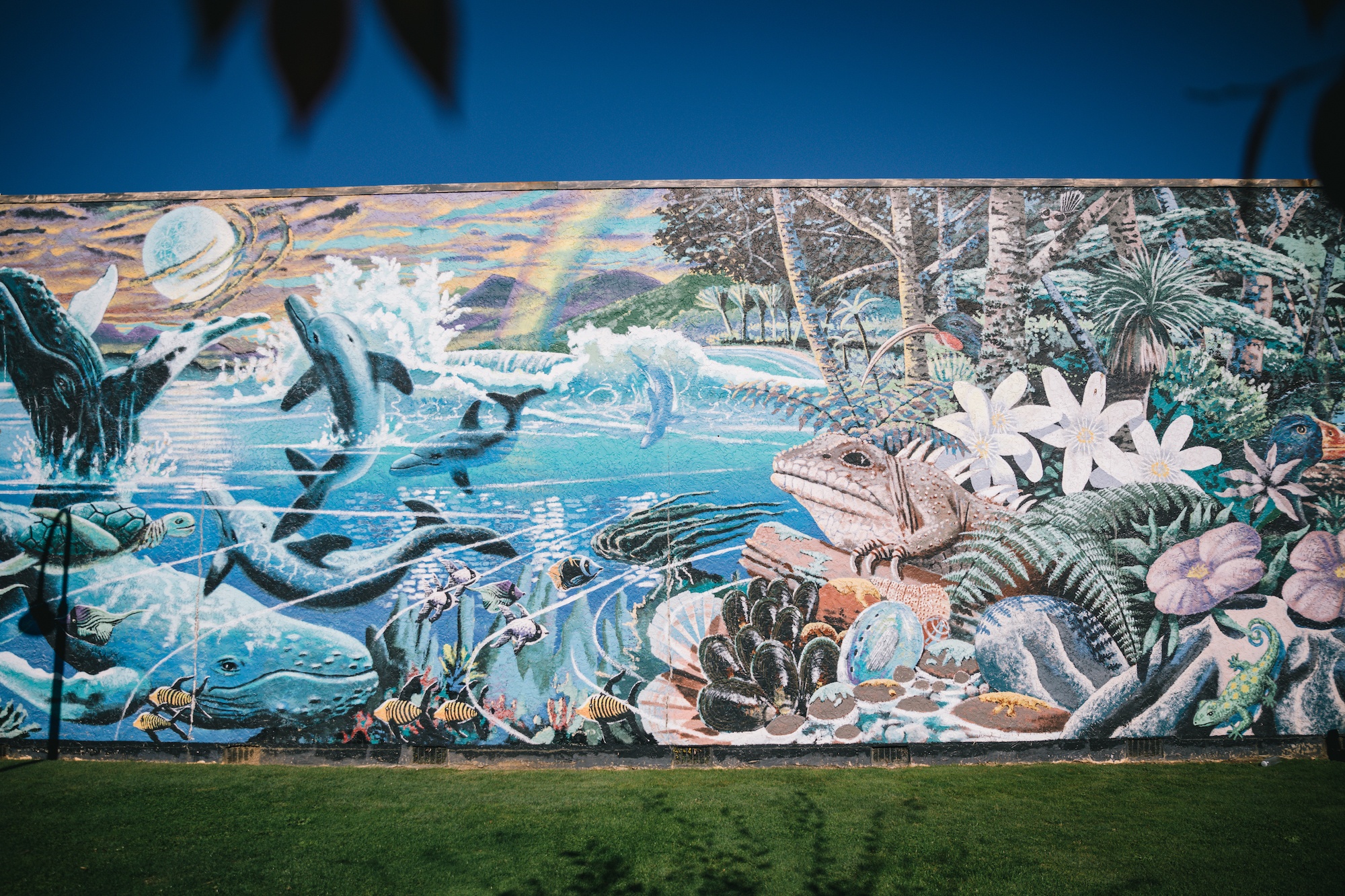
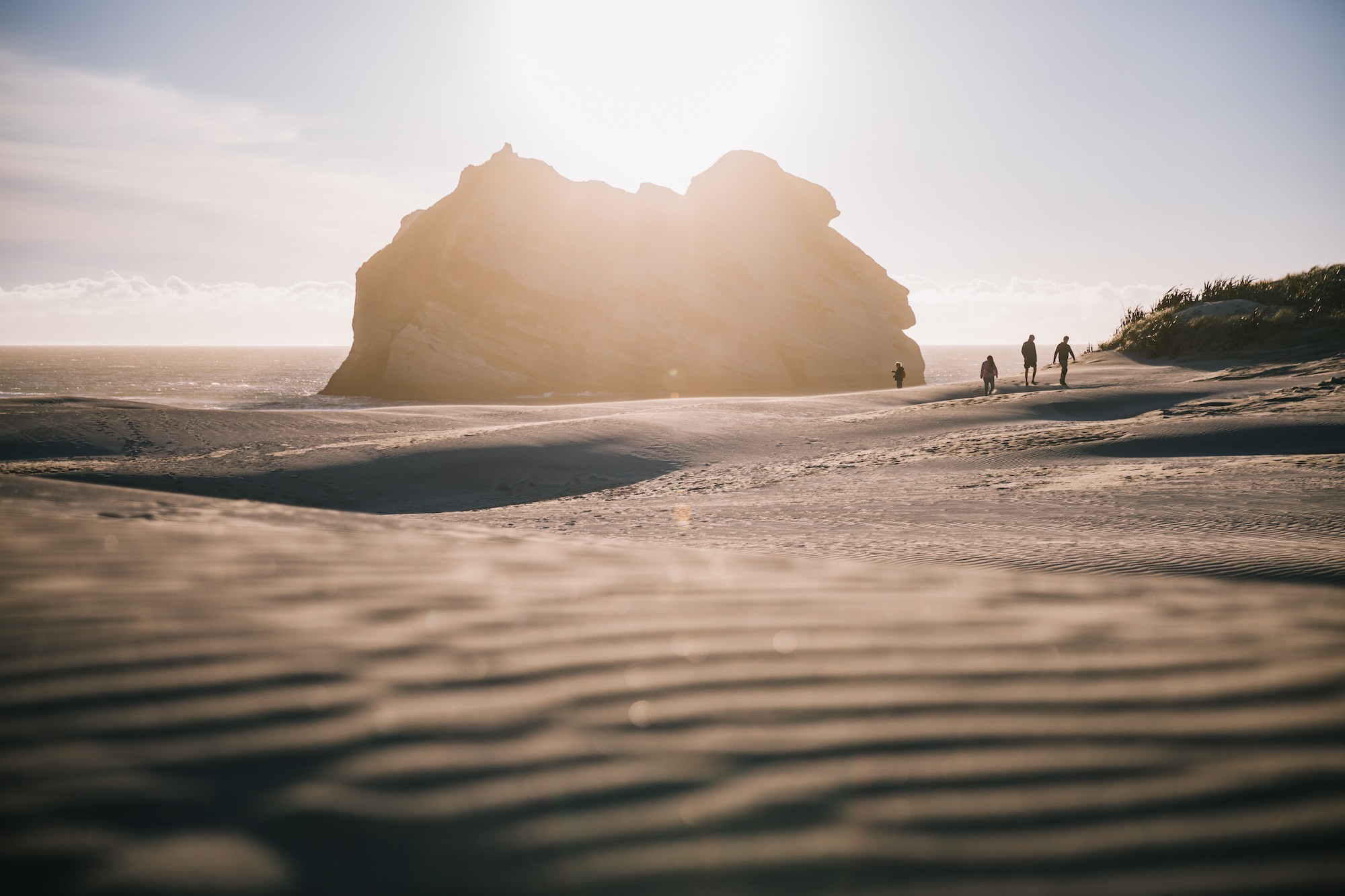
These recurring events have left a lasting imprint on regional conservation efforts. Incidents of whale strandings across New Zealand—such as prominent strandings on Rakiura (Stewart Island)—have driven a broader national shift toward enhanced marine mammal protection, wildlife monitoring, and rapid-response volunteer infrastructure. While Golden Bay remains a hotspot for such ecological tragedies, it simultaneously hosts vibrant marine ecosystems, evidenced by thriving fur seal populations along coastal shelves at locations like Wharariki Beach.
Harnessing Sustainable Tourism: Glamping and Eco-Infrastructure
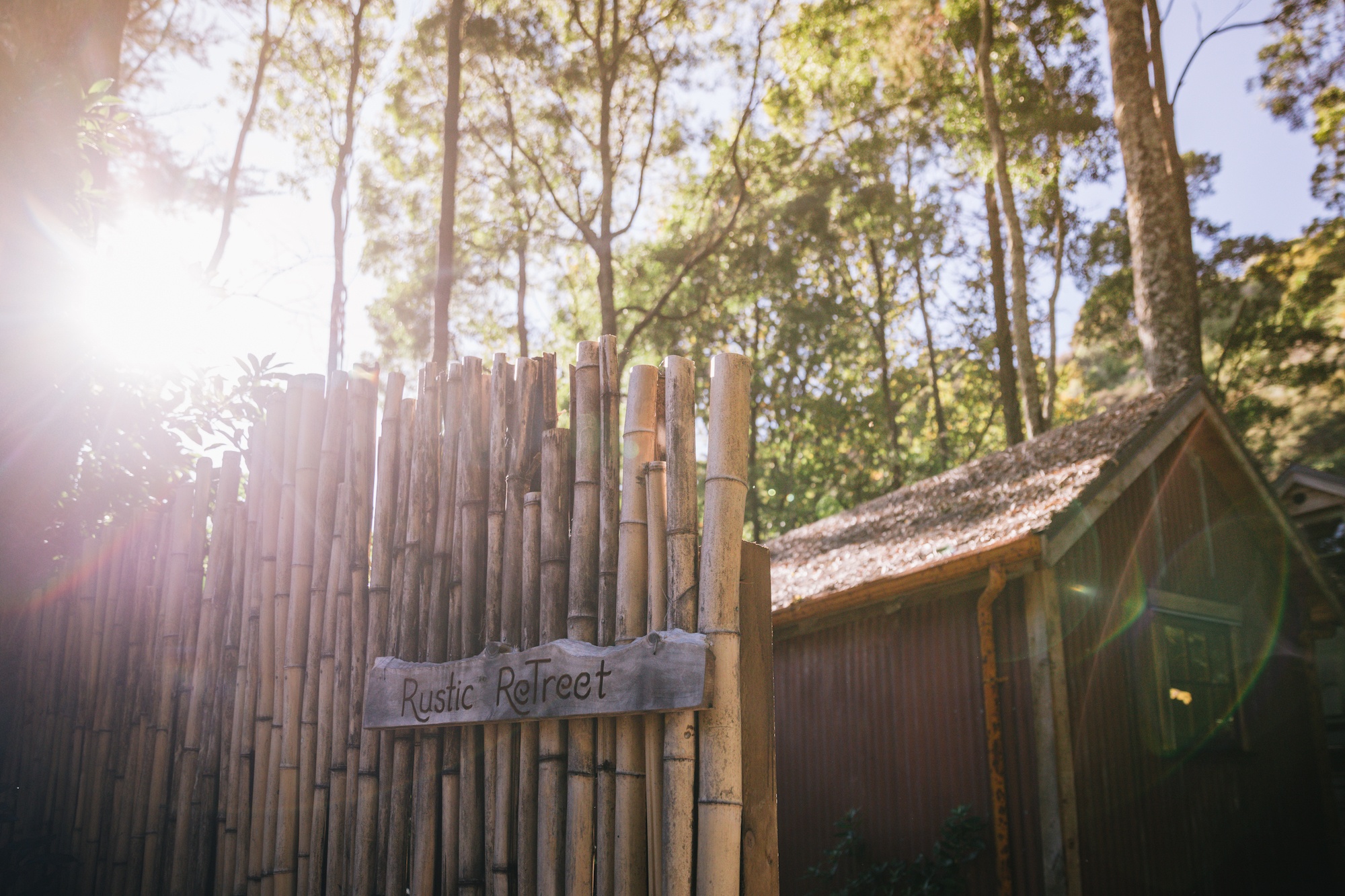
In response to changing consumer preferences, tourism development in Golden Bay has pivoted toward low-impact, high-value models. Rather than large-scale hotel chains, the local accommodation sector increasingly features sustainable, design-forward initiatives, such as boutique glamping sites and architecturally unique forest retreats constructed from locally milled timber and repurposed materials.

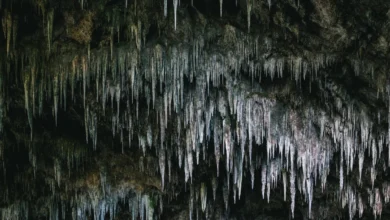
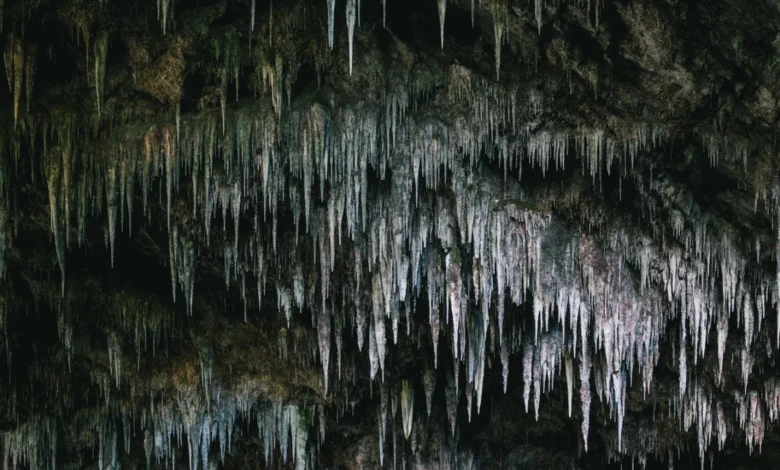
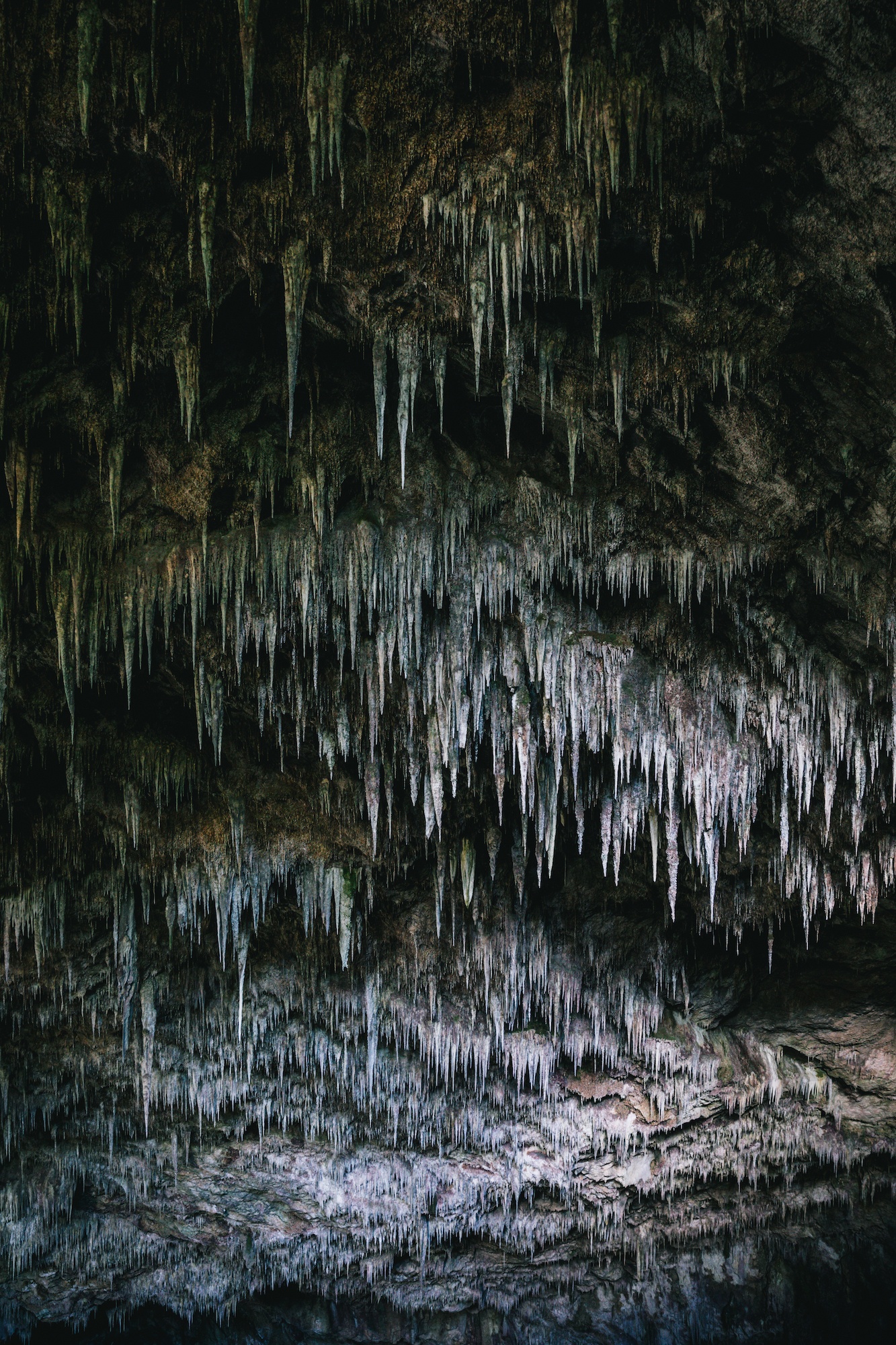
This shift aligns with broader New Zealand tourism strategies promoted by agencies like Tourism New Zealand, which emphasize regenerative travel and regional dispersion. By encouraging visitors to spend extended periods in lesser-known locales—such as exploring the Rawhiti Caves near Kahurangi National Park or visiting Te Waikoropupū Springs—the region aims to distribute economic benefits while minimizing ecological degradation.

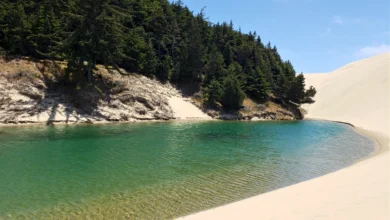
Te Waikoropupū Springs, situated near Takaka, underscore the critical balance between tourism and environmental stewardship. Recognized locally as a taonga (treasure) by Māori, the springs represent the largest cold-water springs in the Southern Hemisphere and possess some of the clearest fresh water recorded globally, with underwater visibility reaching up to 81 meters. Strict conservation measures prohibit human contact with the water, reflecting an indigenous-led conservation ethic that prioritizes water quality and ecological integrity over unrestricted tourist access.

Broader Economic and Social Implications
The socio-economic dynamics of Golden Bay reflect broader national debates regarding regional equity, cost of living, and rural infrastructure in New Zealand. As southern urban and alpine centers grapple with escalating costs of living, severe winter frosts, and soaring energy bills, regions like the Nelson-Tasman district offer an economically viable and climatically temperate alternative for internal migration.

However, the preservation of Golden Bay’s distinct character depends on continued infrastructural adaptation. The reliance on a single arterial mountain pass leaves the region vulnerable to extreme weather events driven by changing climatic patterns. Ensuring reliable transport links—balanced between road maintenance and regional aviation networks—remains paramount for both emergency response and economic sustainability.

Ultimately, Golden Bay functions as a microcosm of New Zealand’s wider rural challenges: balancing the preservation of an isolated, community-centric heritage with the pressures of modern ecological conservation and sustainable tourism development.