The Weka: New Zealand’s Fearless Flightless Rail and its Complex Role in Conservation and Culture


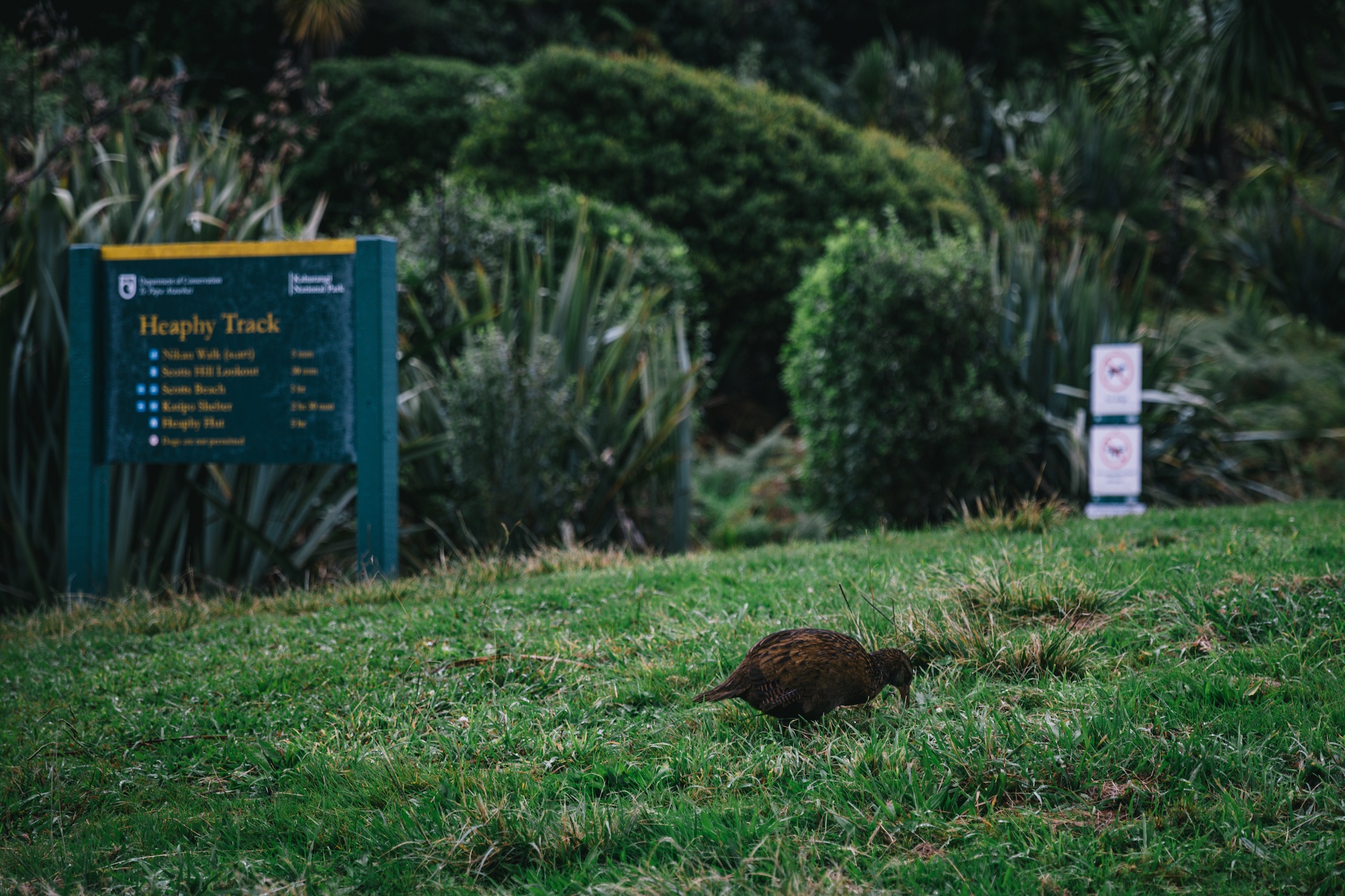
The weka (Gallirallus australis), a large, flightless rail endemic to New Zealand, remains one of the country’s most charismatic and controversial avian species. Known for its inquisitive nature, bold scavenging habits, and distinctive "coo-et" call, the weka occupies a unique niche in the New Zealand ecosystem. Unlike the elusive and nocturnal kiwi, with which it is frequently confused by international visitors, the weka is a diurnal, highly visible presence in many parts of the South Island and select regions of the North Island. While its antics often provide entertainment for hikers on Great Walks like the Heaphy Track, the bird’s predatory behavior and complex conservation status present ongoing challenges for wildlife managers and environmentalists.
Biological Profile and Subspecies Distribution
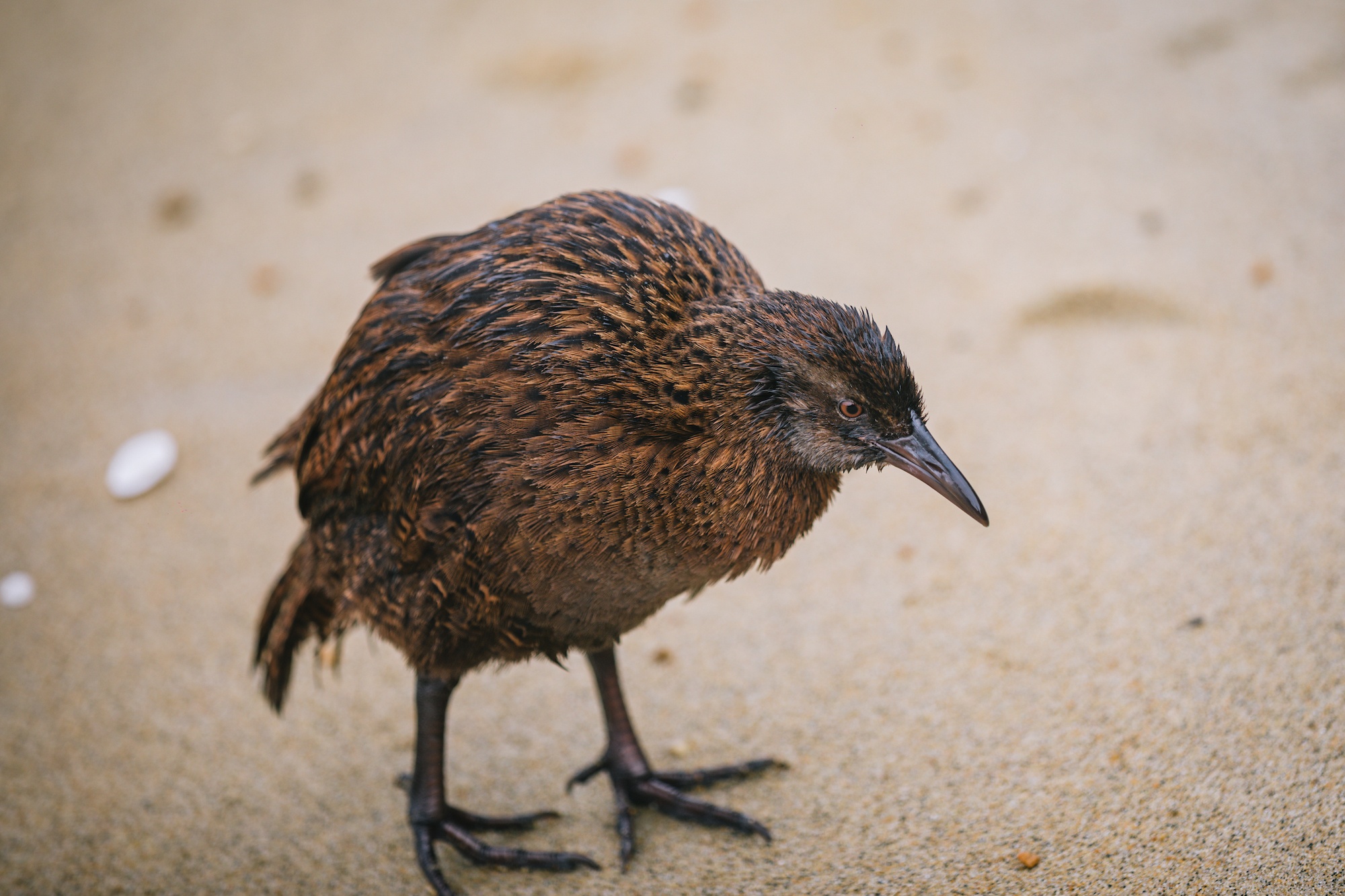
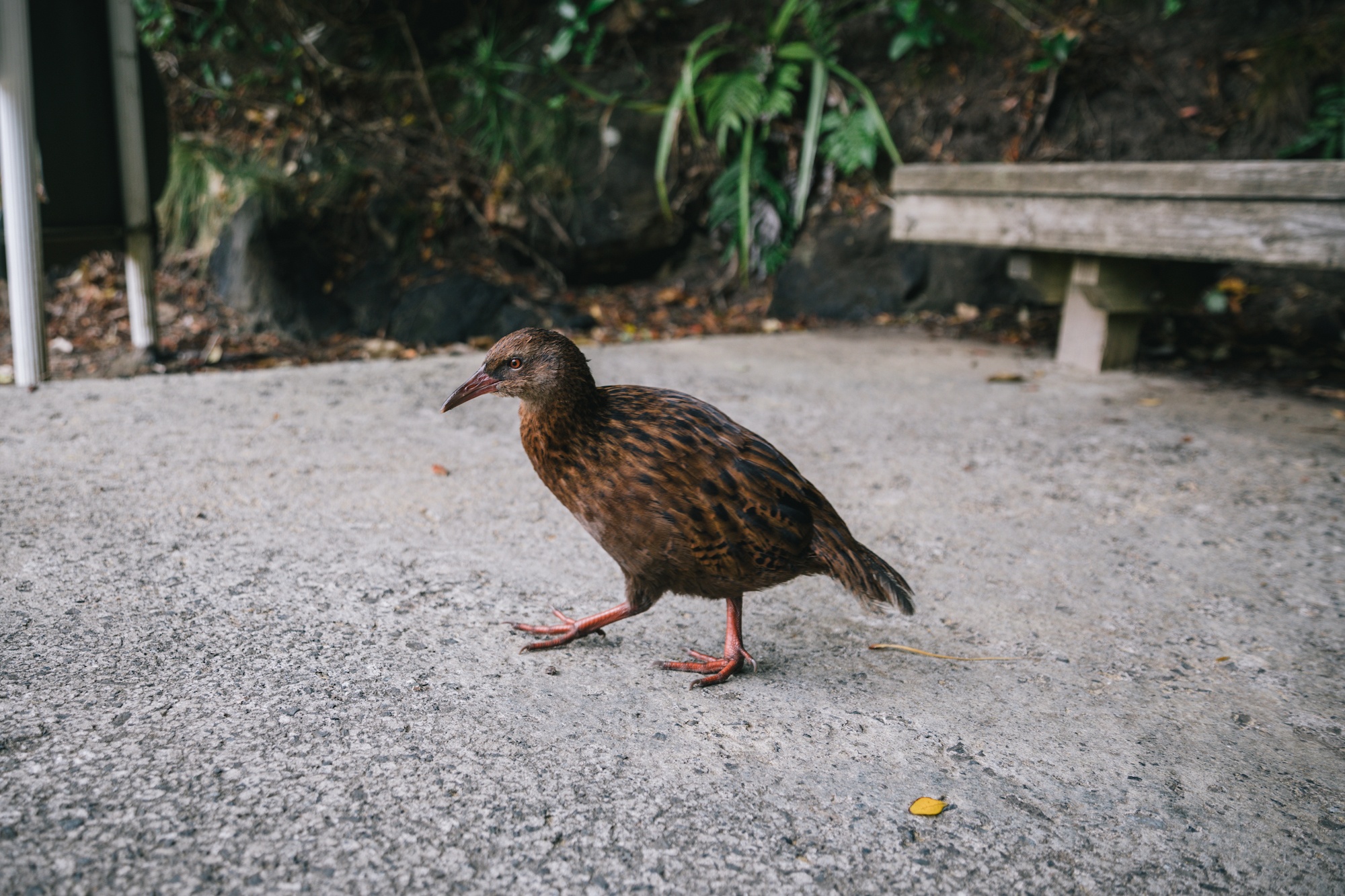
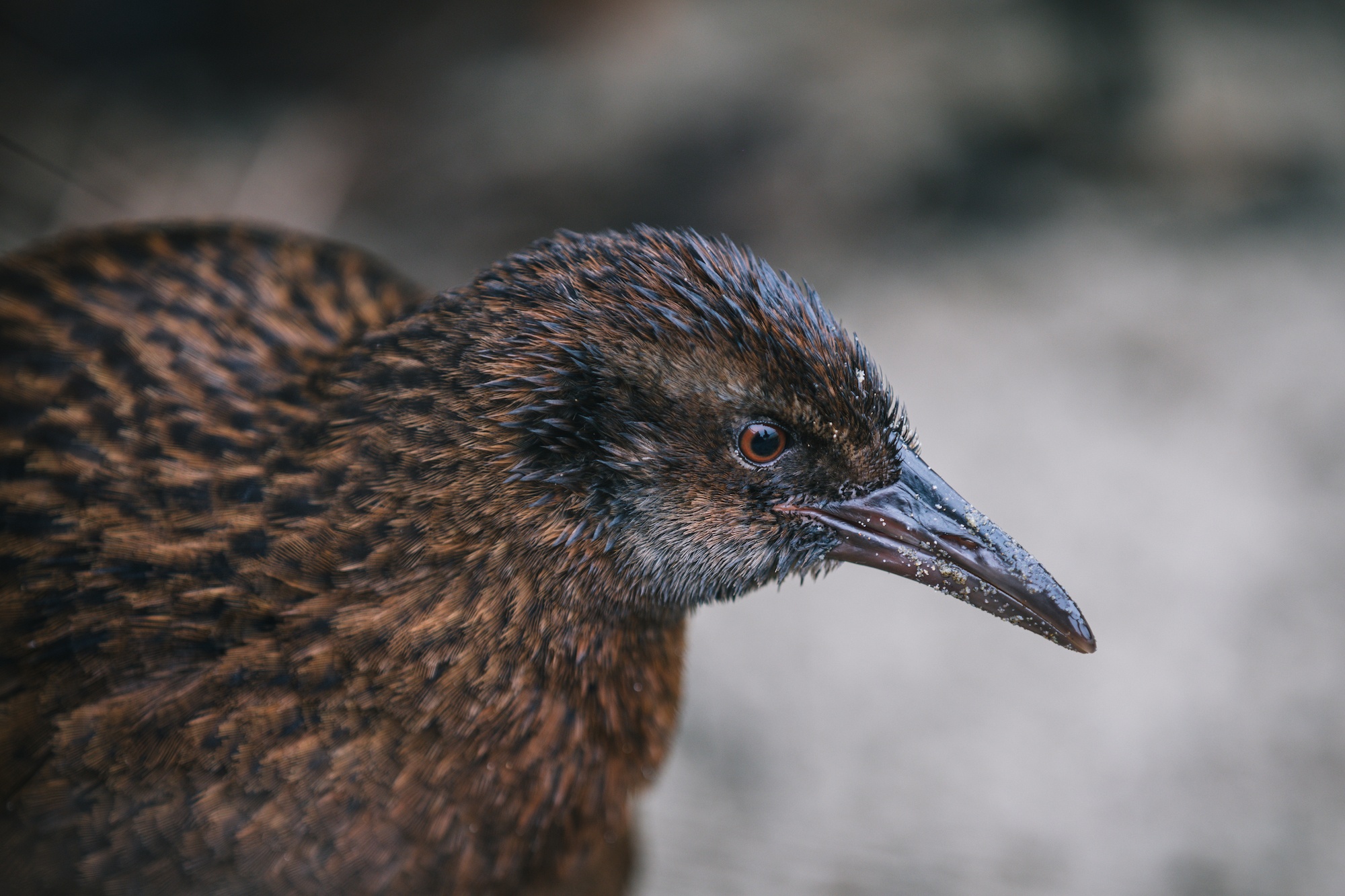
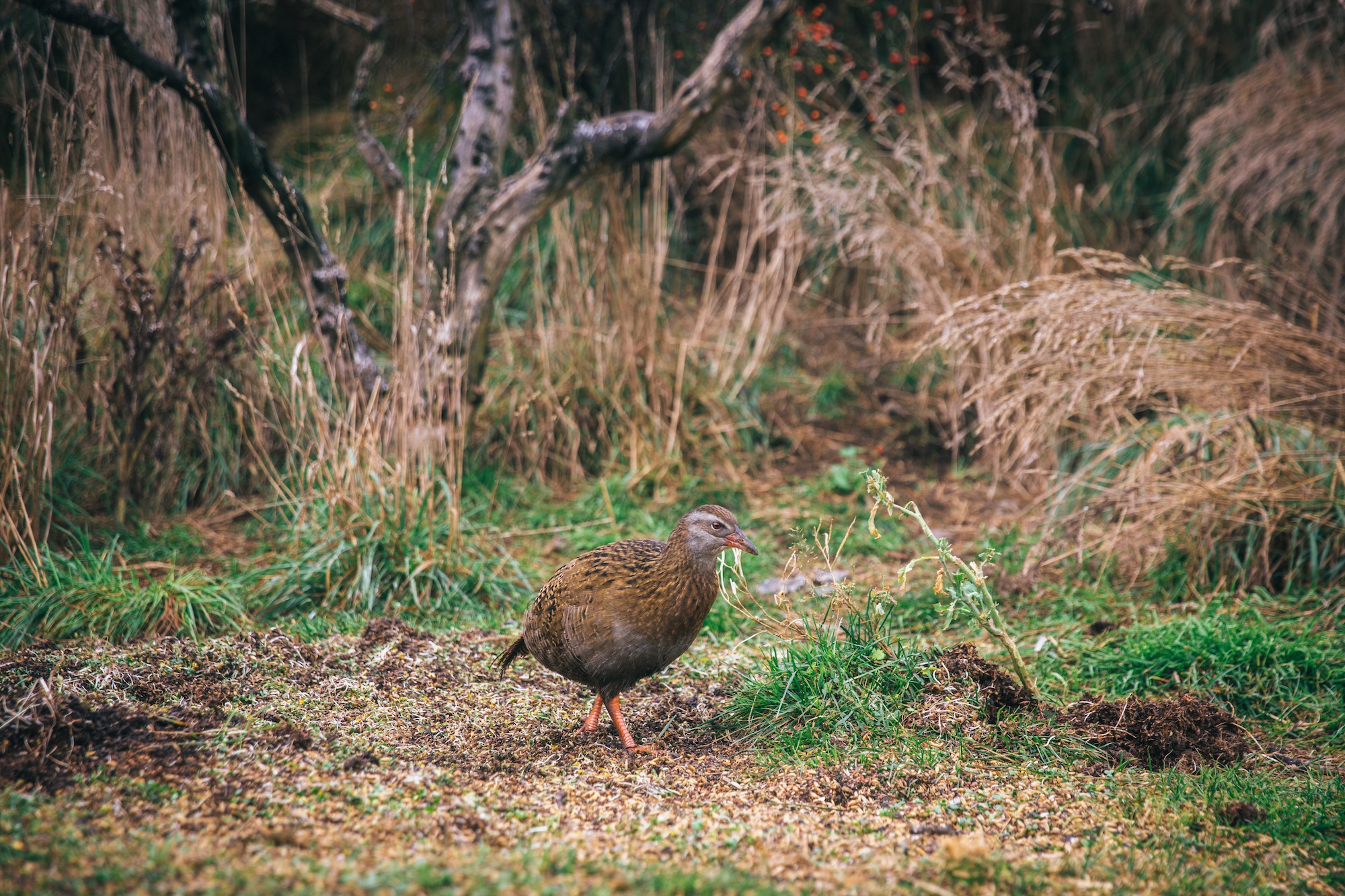
The weka is a sturdy, brown bird, roughly the size of a large chicken, belonging to the family Rallidae. It is characterized by its strong, tapered bill, muscular legs, and reduced wings that render it flightless. Its plumage varies significantly across its range, which led to the classification of four distinct subspecies:

- North Island Weka (G. a. greyi): Historically widespread, this subspecies saw a dramatic decline in the 20th century. It is currently found in concentrated populations in the North Auckland and Gisborne regions, often supported by reintroduction efforts.
- Western Weka (G. a. australis): The most common subspecies, found throughout the West Coast and northern South Island. It is known for its darker, more chestnut-toned feathers.
- Stewart Island Weka (G. a. scotti): Smaller than its mainland counterparts, this subspecies is found on Stewart Island (Rakiura) and its surrounding islets.
- Buff Weka (G. a. hectori): Once common in the eastern South Island, it became extinct on the mainland by the 1920s. However, it survived on the Chatham Islands, where it had been introduced, and has since been reintroduced to several lake islands in Otago.
Physiologically, weka are built for versatility. They possess striking red eyes and a keen sense of curiosity that drives them to investigate new objects in their environment. This intelligence is a double-edged sword; while it allows them to exploit a wide variety of food sources, it often brings them into direct conflict with human settlers and other native wildlife.
The Ecological Paradox: Predator and Prey
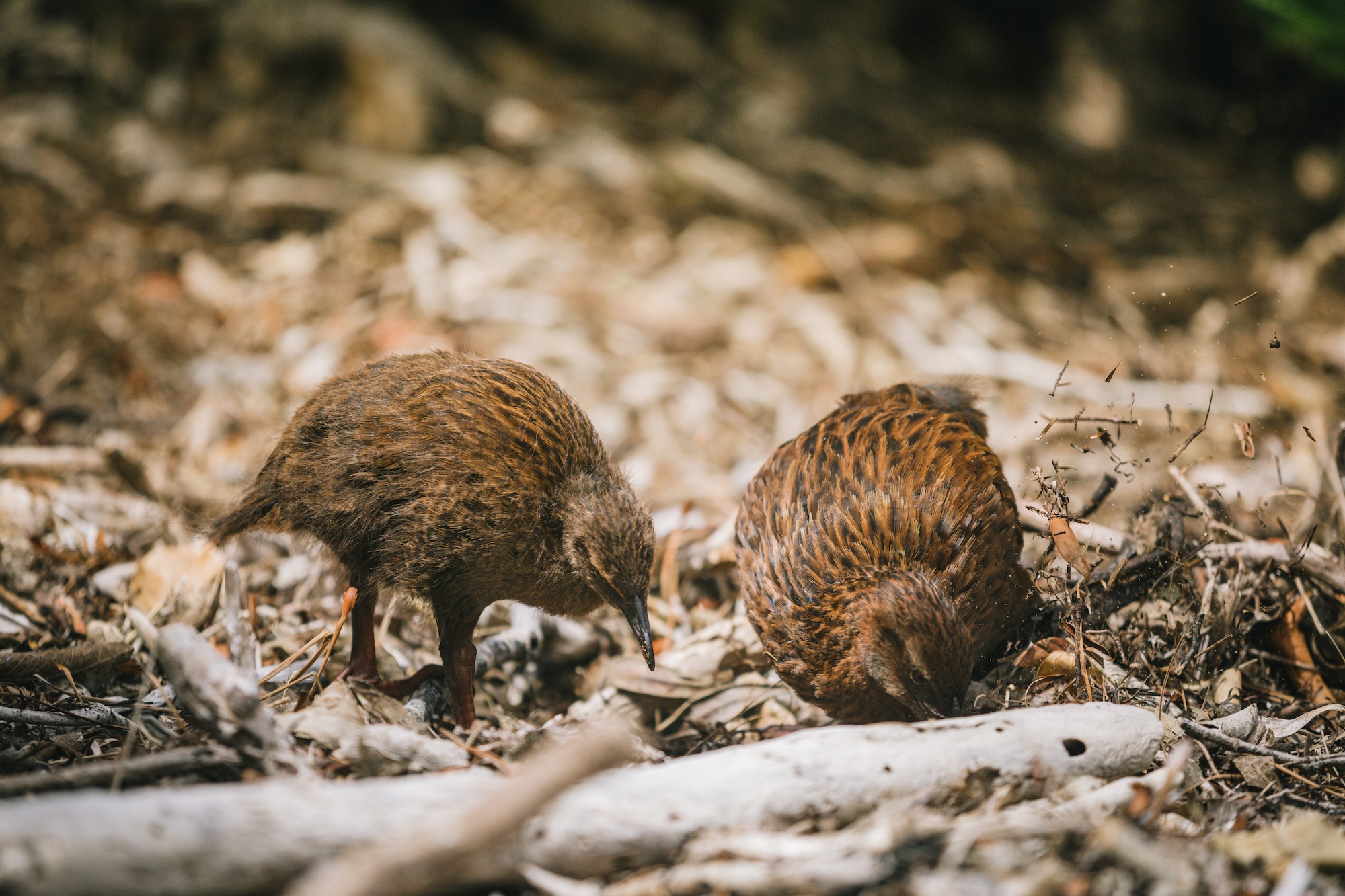
The weka is an apex generalist in the New Zealand avian world. Its diet is remarkably broad, encompassing invertebrates, fruit, seeds, and carrion. However, it is its role as a predator of vertebrate species that complicates its standing in conservation circles. Weka are known to hunt rats, mice, and even rabbits, providing a natural form of pest control that is otherwise rare among native birds.
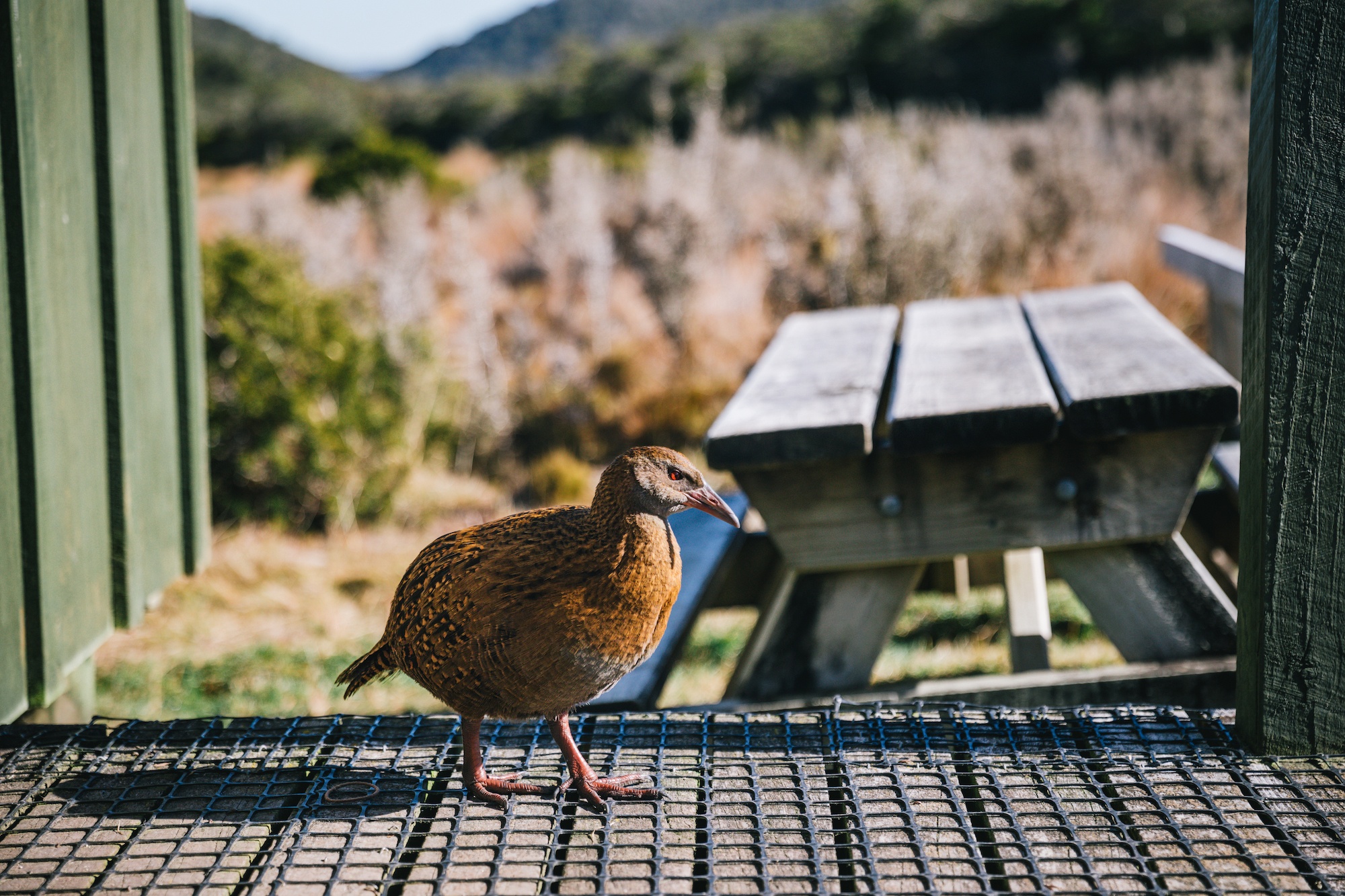
Conversely, the weka’s predatory instincts extend to other native species. They are notorious for raiding the nests of ground-nesting birds, consuming eggs and chicks. They have also been observed preying on native lizards and large invertebrates like the Powelliphanta snail. This predatory behavior has led to a "blacklisting" of weka from certain predator-free offshore islands and eco-sanctuaries designed to protect highly vulnerable species like the rowi kiwi or the kakapo. In these environments, the weka is viewed not as a protected native, but as a potential threat to biodiversity.

A History of Human Interaction and Cultural Significance
For Māori, the weka was historically a vital resource. Known for its high fat content and flavorful meat, the bird was harvested for food, while its oil was used for medicinal purposes and its feathers for weaving traditional garments. In many iwi (tribal) traditions, the weka is regarded as a "taonga" (treasure), and its presence in the forest is seen as a sign of a healthy ecosystem.
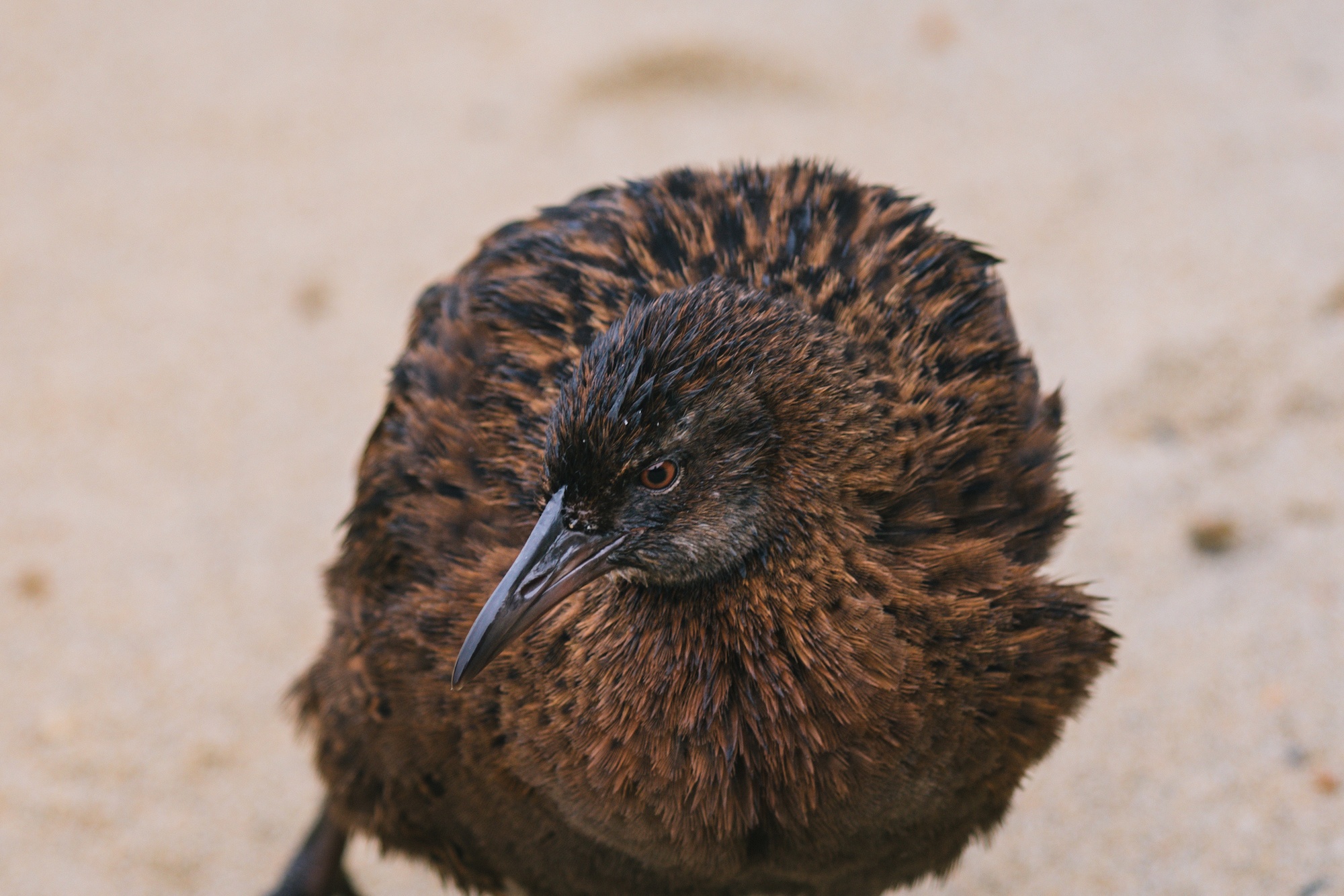
Early European settlers also found the weka to be a significant presence. Explorers like Captain James Cook referred to them as "woodhens," and early journals are filled with accounts of the birds stealing camp supplies, from food to tobacco pipes. This reputation for thievery has persisted into the modern era, with hikers frequently reporting stolen car keys, cutlery, and shiny objects.
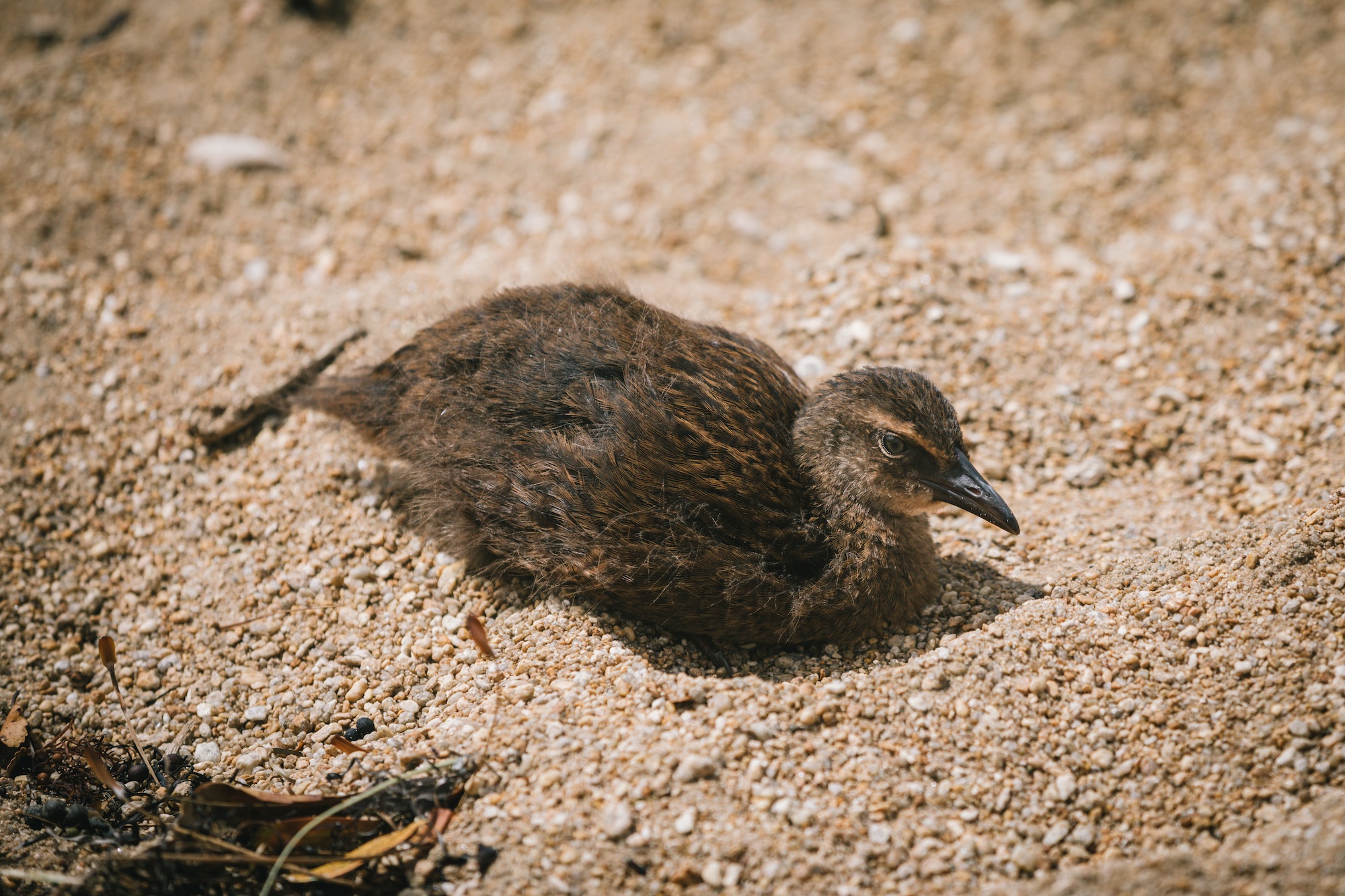
Despite this long history of interaction, the weka’s population has been subject to extreme "boom and crash" cycles. These fluctuations are often tied to environmental factors such as drought, which limits food availability, and the prevalence of introduced predators like stoats and feral dogs.

The Legal Conflict: Conservation vs. Commercial Use
One of the most unusual chapters in the weka’s history involves the debate over its commercial farming. While the bird is fully protected on the New Zealand mainland under the Wildlife Act 1953, a unique exception exists on the Chatham Islands. There, the harvest of the buff weka is legally permitted, reflecting the bird’s status as an introduced species that has become overabundant.
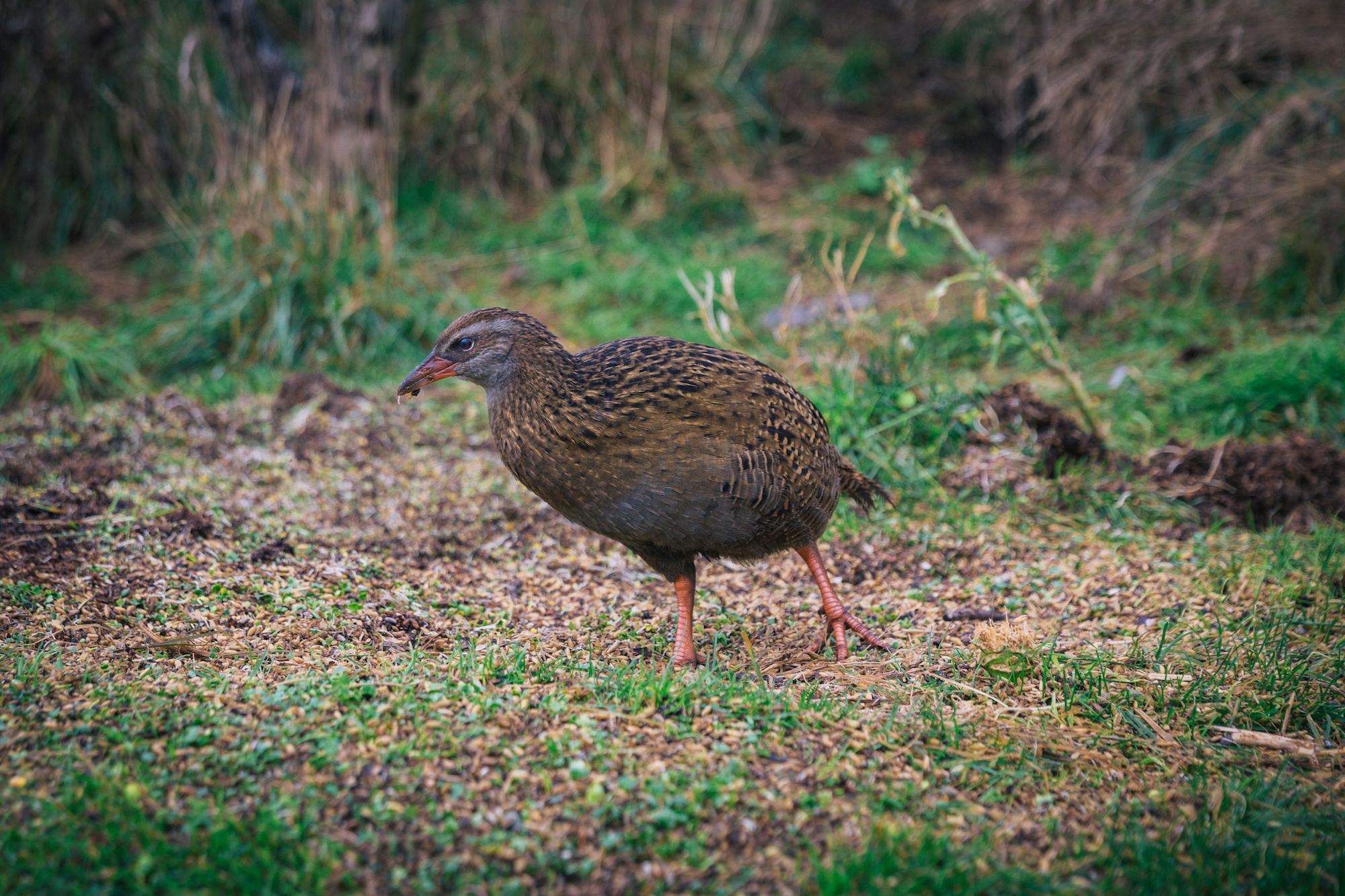
This legal discrepancy has sparked tension on the mainland. In the late 2010s, a movement led by North Island farmers sought permission to farm weka for their meat, arguing that commercialization would provide a financial incentive for the bird’s conservation and habitat restoration. The most prominent advocate, Niall Watson, famously challenged the Department of Conservation (DOC), stating he was prepared to face imprisonment to prove that farming could save the species from extinction.
The Department of Conservation has consistently rejected these proposals. Official statements emphasize that the weka is a protected native species and that commercialization would undermine the principles of the Wildlife Act. Furthermore, officials argue that the risks of illegal poaching and the difficulty of regulating a commercial market for native wildlife outweigh any potential conservation benefits.

The "Kiwi Confusion" and Tourism Impact
The weka’s bold behavior and physical resemblance to the kiwi lead to frequent misidentifications by tourists. As a flightless, brown bird often seen near forest edges, the weka is the "most sighted" kiwi that isn’t actually a kiwi. Wildlife experts note that this confusion, while harmless, highlights a lack of public awareness regarding the specific needs of New Zealand’s truly endangered species.
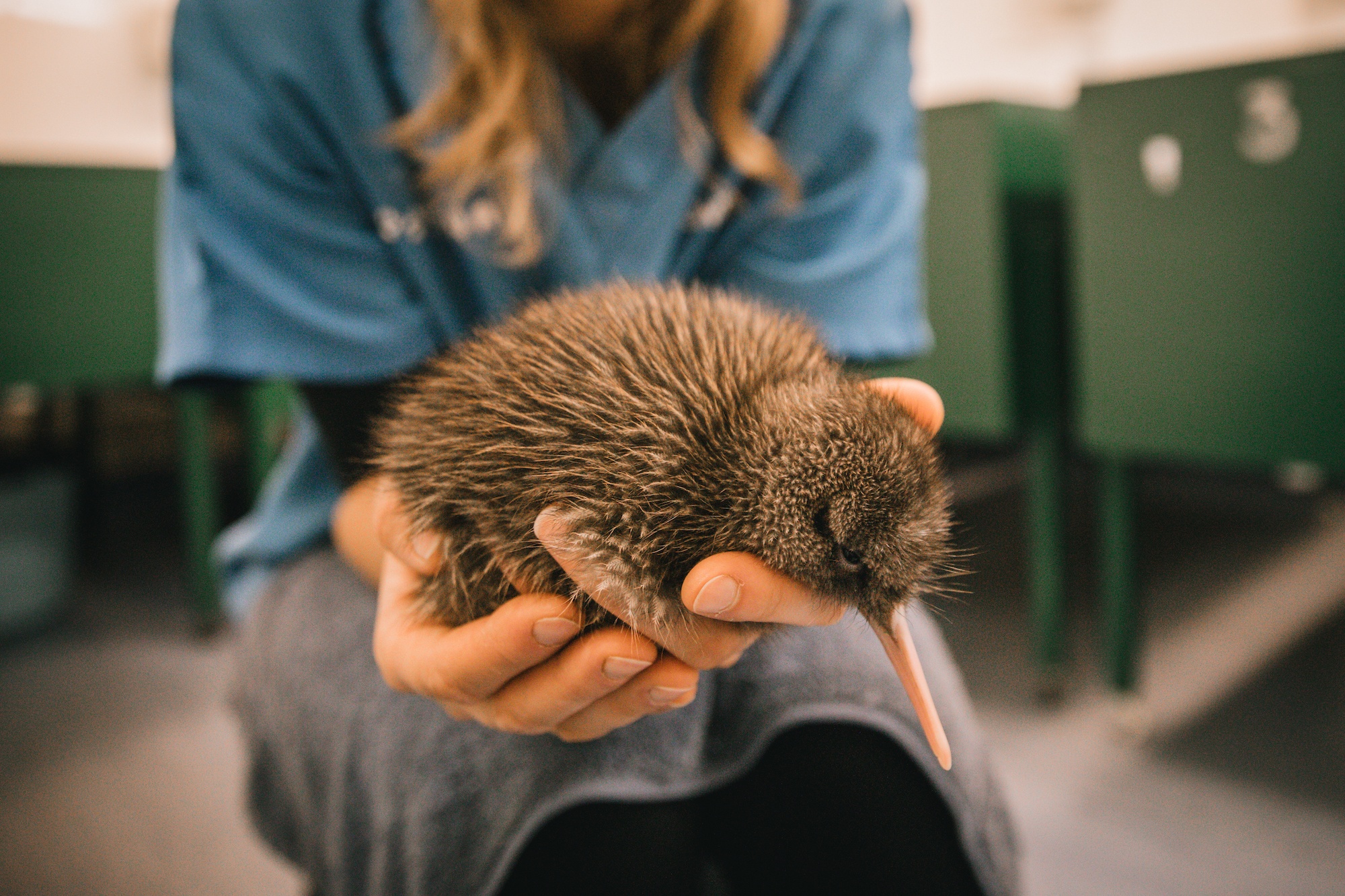
Unlike the kiwi, which requires intensive management and predator control to survive, the weka has demonstrated a remarkable ability to persist in human-modified landscapes. However, this visibility often masks the underlying threats the species faces. Roadkill is a significant cause of mortality for weka, particularly in regions like the West Coast where roads bisect their natural habitats.
Future Outlook and Recovery Plans
The Department of Conservation continues to implement recovery plans for the weka, focusing on habitat protection and managed translocations. The goal is to return the bird to areas where it was once common, such as the eastern South Island. These efforts are part of the broader "Predator Free 2050" initiative, which aims to eradicate the most damaging introduced predators from New Zealand.
The success of weka reintroduction depends on a delicate balance. Managers must ensure that the introduction of weka into a new area does not inadvertently harm other sensitive native species. This requires rigorous ecological assessments and ongoing monitoring of population dynamics.
Analysis of Broader Implications
The story of the weka is a microcosm of the broader challenges facing New Zealand’s conservation strategy. It raises fundamental questions about how we define "native" and "pest," and how we prioritize species in an environment where resources for conservation are limited.

The weka’s resilience is a testament to its evolutionary success as a flightless rail. While other flightless birds in New Zealand—such as the moa and the adzebill—succumbed to extinction following human arrival, the weka adapted. Its ability to coexist with humans, despite the occasional conflict over stolen lunchboxes or raided gardens, suggests that it will remain a permanent fixture of the New Zealand wilderness.
As New Zealand moves toward its goal of becoming predator-free, the weka’s role may shift. In a landscape devoid of rats and stoats, the weka could emerge as a dominant ecological force. Whether this will be welcomed as a return to a pre-human natural order or viewed as a new challenge for biodiversity management remains to be seen. For now, the weka stands as a symbol of defiance—a bird that refuses to be ignored, refuses to be intimidated, and continues to thrive on its own terms in an ever-changing world.