Madrid: Strategic Urban Development and Cultural Heritage Positioning the Spanish Capital as a Premier Global Destination

Madrid has solidified its standing as a preeminent global metropolis, transitioning from a primarily administrative center to a vibrant hub for culture, gastronomy, and high-tier urban tourism. As the geographic and political heart of Spain, the city has undergone significant structural transformations over the last decade, emphasizing its "connoisseur" appeal—a term used by urban planners to describe a city that prioritizes high-quality public transit, expansive green spaces, and a robust institutional art scene. This evolution is not merely a byproduct of organic growth but the result of a concerted effort by municipal authorities and private stakeholders to elevate Madrid’s international profile alongside traditional European powerhouses like Paris and London.
Historical Foundations and the Evolution of the Capital
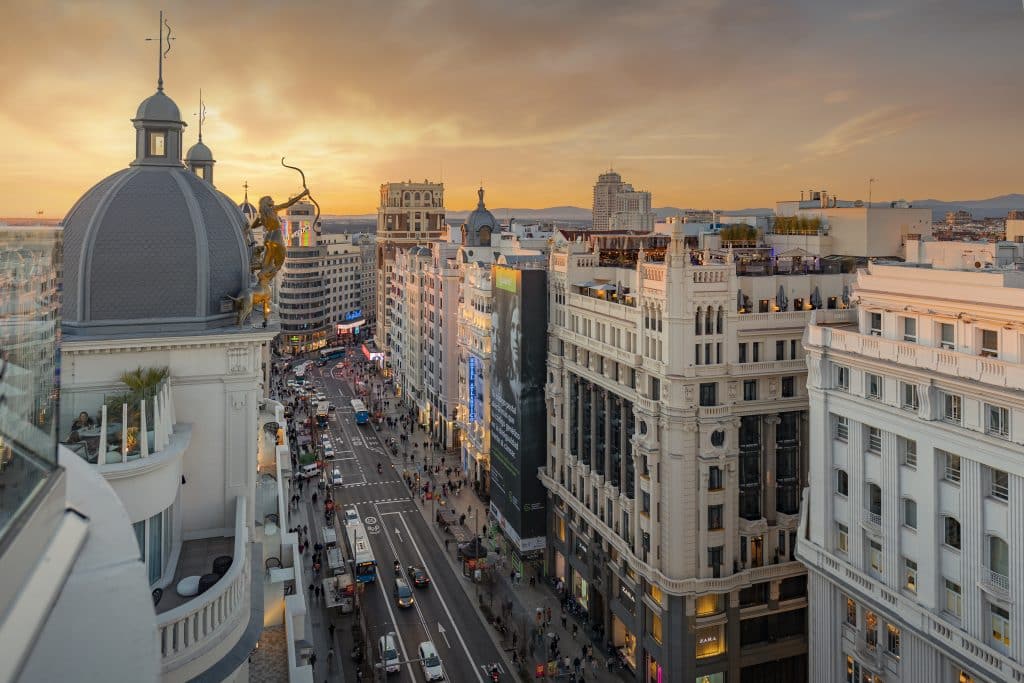
The history of Madrid as a central power began in 1561, when King Philip II moved the royal court from Toledo to what was then a modest town. This strategic relocation established Madrid as the permanent capital of the Spanish Empire, leading to centuries of architectural and cultural accumulation. The city’s layout reflects this long history, from the narrow, winding streets of the "Madrid de los Austrias" (Hapsburg Madrid) to the grand, neoclassical boulevards commissioned by the Bourbon monarchs in the 18th century.
In the late 20th century, following the transition to democracy, Madrid experienced a cultural explosion known as La Movida Madrileña. This period redefined the city’s identity, fostering a spirit of creative freedom that remains evident in its contemporary social fabric. Today, Madrid leverages this historical depth to attract a demographic of travelers who seek "metropolitan density"—the sense of a living, breathing city that operates independently of the tourism industry.
The Golden Triangle of Art: An Institutional Anchor
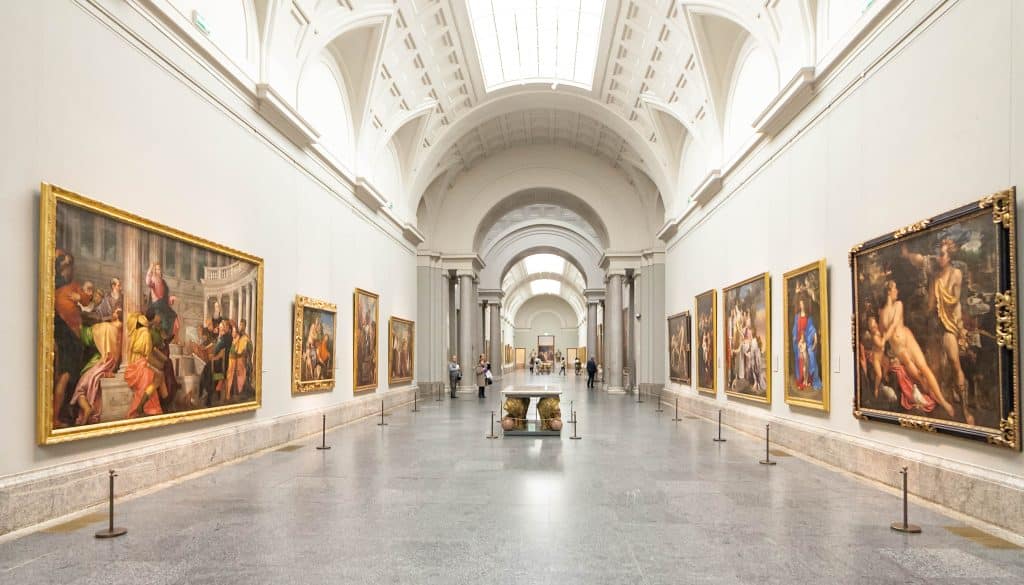
Madrid’s cultural economy is anchored by the "Golden Triangle of Art," a concentrated area along the Paseo del Prado that houses three of the world’s most significant art institutions. This cluster serves as a primary driver for the city’s tourism sector, attracting millions of international visitors annually.
- The Museo del Prado: Established in 1819, the Prado is the premier destination for classical European art. Its collection includes definitive works by Velázquez, Goya, and El Greco. According to 2023 data from the Ministry of Culture, the Prado saw a significant recovery in visitor numbers, surpassing 3 million attendees, signaling a robust return to pre-pandemic growth levels.
- The Reina Sofía National Art Centre: Focused on 20th-century and contemporary art, this institution houses Pablo Picasso’s Guernica. The museum’s role extends beyond exhibition; it is a center for research and modern discourse. The presence of masterpieces like Guernica—which remains a profound symbol of anti-war sentiment—provides the city with a unique political and historical weight.
- The Thyssen-Bornemisza National Museum: Completing the triangle, this museum offers a comprehensive chronological survey of art history, filling the gaps between the Prado and the Reina Sofía with its vast private collection turned public.
The synergy between these institutions, coupled with the nearby Royal Botanical Garden, creates a cultural corridor that few global cities can replicate.
Urbanism and the "Landscape of Light" UNESCO Designation
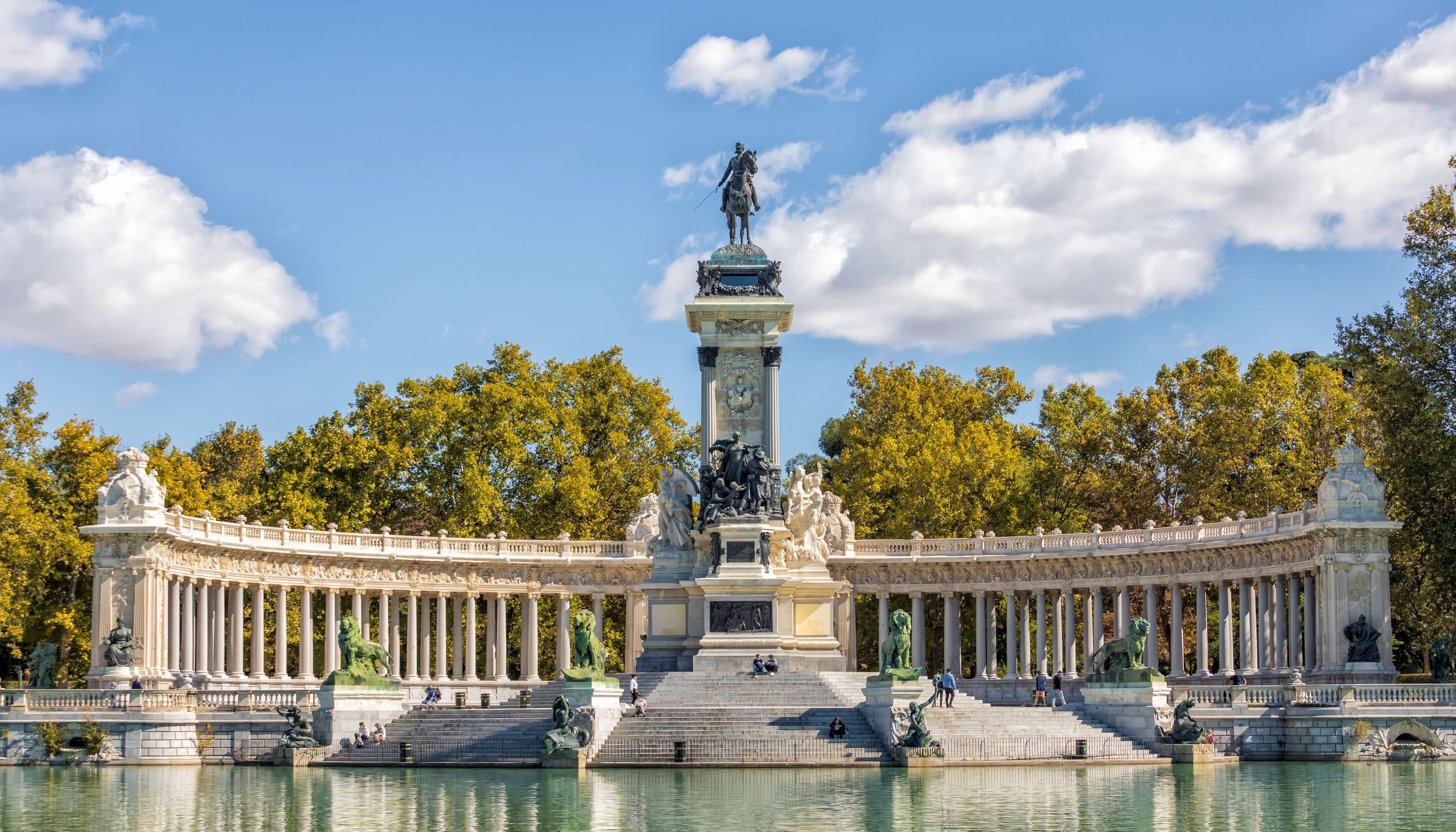
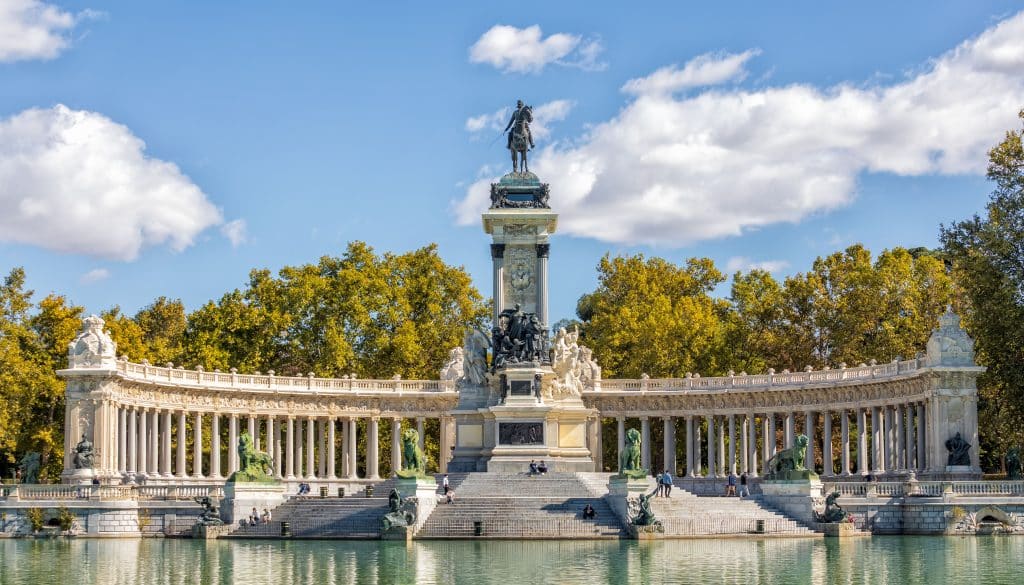
In 2021, UNESCO officially recognized the "Paisaje de la Luz" (Landscape of Light)—encompassing the Paseo del Prado and El Retiro Park—as a World Heritage site. This designation highlights the city’s success in integrating nature, science, and art into an urban environment.
El Retiro Park, spanning 125 hectares, is the city’s primary green lung. Originally a royal retreat, it was opened to the public in the late 19th century. Its architectural features, such as the Palacio de Cristal (Crystal Palace) and the monument to Alfonso XII, serve as prime examples of iron-and-glass architecture and theatrical monumentality. Urban analysts note that the park’s density and immediate proximity to the city’s most congested urban areas provide a "psychological relief" that is essential for high-density metropolitan living.
Furthermore, the "Madrid Río" project—a massive urban redevelopment that buried the M-30 motorway to create a 10-kilometer park along the Manzanares River—demonstrates the city’s commitment to modernizing its infrastructure while prioritizing pedestrian access and environmental sustainability.
The Gastronomic Ecosystem: Economic Impact and Trends
Madrid’s culinary scene is a vital pillar of its economy. The city has moved beyond traditional Spanish fare to become an incubator for international food trends and fine dining.
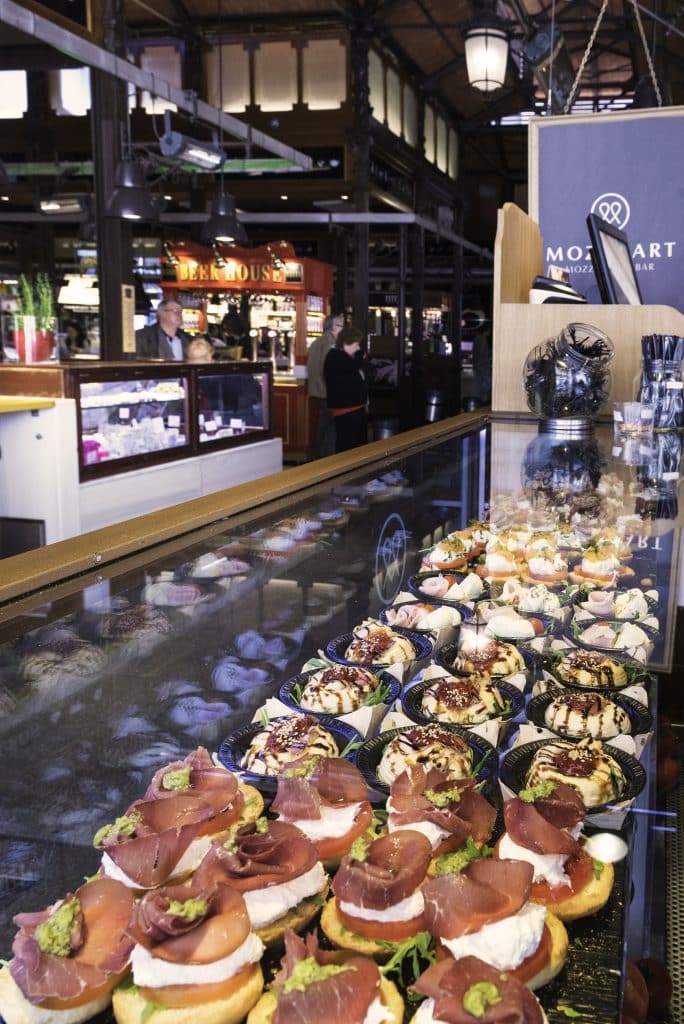
Data from Madrid Destino, the city’s tourism board, indicates that gastronomy is the second most cited reason for international visits. The city’s markets, such as the Mercado de San Miguel, have been repurposed from traditional produce hubs into high-end "gastronomic halls." These venues allow for "grazing"—the consumption of small, high-quality portions (tapas and pintxos)—which has become a signature social ritual.
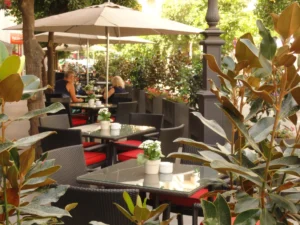
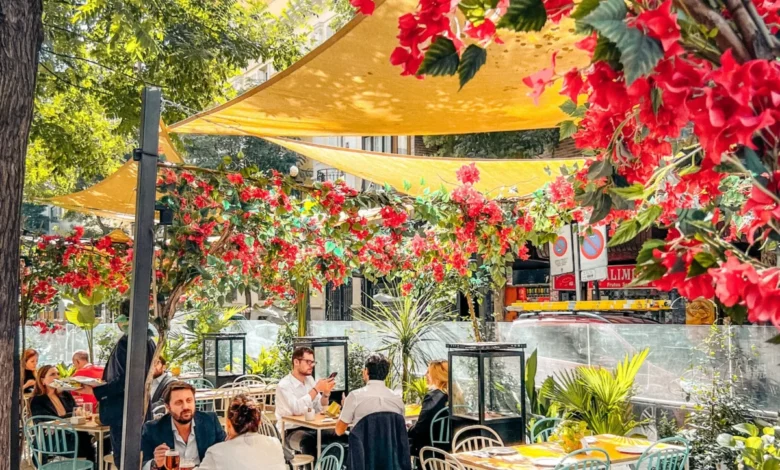
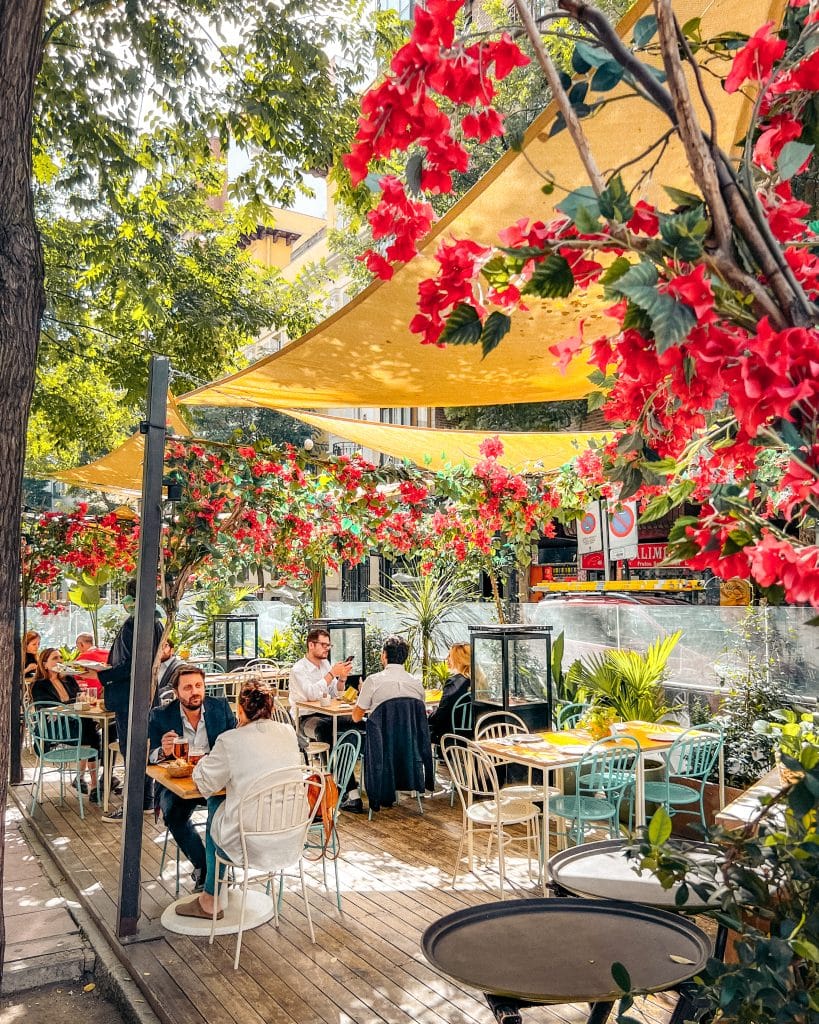
A notable socio-cultural phenomenon is the tardeo, a late-afternoon social ritual where residents gather on outdoor terraces for drinks and appetizers before late-night dinners. This culture of late-night activity—where dinner rarely begins before 9:00 PM—differentiates Madrid from its Northern European counterparts and supports a thriving nocturnal economy. Additionally, Madrid currently boasts over 20 Michelin-starred restaurants, reflecting a shift toward high-concept, innovative cuisine that attracts high-spending travelers.
Socio-Economic Neighborhood Profiles
The city’s decentralization into distinct, self-governing neighborhoods (barrios) allows for a diverse range of economic and cultural activities:
- Salamanca: Known for its grid-like 19th-century architecture, it serves as the city’s luxury retail and residential hub.
- Malasaña and Chueca: These areas represent the creative and LGBTQ+ heart of Madrid. Gentrification in these neighborhoods has led to a surge in boutique cafes, vintage retail, and independent art galleries, though it has also sparked local debates regarding housing affordability.
- La Latina: Host to the El Rastro flea market, this neighborhood maintains a traditional "Castilian" feel and is the center of the city’s Sunday social life.
- Carabanchel: Recently identified as an emerging artistic district, this former industrial area is seeing a migration of artists and creative spaces, reminiscent of Brooklyn or East Berlin, signaling a westward expansion of the city’s cultural influence.
Strategic Infrastructure and Connectivity
Madrid’s accessibility is a key component of its growth. Adolfo Suárez Madrid-Barajas Airport (MAD) is one of Europe’s busiest aviation hubs, serving as the primary gateway between Europe and Latin America. In 2023, the airport handled over 60 million passengers, a testament to its logistical importance.
Domestically, Madrid is the nexus of the AVE (High-Speed Rail) network. Operated by Renfe and newer competitors like Ouigo and Iryo, the network connects Madrid to Barcelona, Seville, Valencia, and Málaga in under three hours. This "hub-and-spoke" model makes Madrid the logical base for broader Spanish itineraries. Within the city, the Metro de Madrid is frequently cited as one of the most efficient and cleanest subway systems in the world, facilitating high levels of urban mobility without the need for private vehicles.
Comparative Urban Trends: Madrid and Barcelona
While Barcelona has long been the primary face of Spanish tourism, market analysts have observed a "Madrid tilt" in recent years. While Barcelona faces challenges related to "over-tourism" and local resistance, Madrid has been perceived as a more "authentic" metropolitan experience.
Industry experts suggest that Madrid’s lack of a beach—traditionally a disadvantage—has forced the city to double down on its urban assets: museums, theaters, shopping, and business infrastructure. This has resulted in a more resilient, year-round tourism model that is less susceptible to seasonal fluctuations. Furthermore, Madrid has seen a surge in luxury hotel openings, including the Four Seasons and the renovated Ritz (Mandarin Oriental), signaling a strategic shift toward the high-net-worth traveler segment.
Future Outlook: Sustainability and Expansion
Looking forward, the "Madrid Nuevo Norte" project represents one of Europe’s largest urban regeneration initiatives. This multi-billion euro project aims to transform the northern part of the city by extending the Castellana axis, creating new business districts, green spaces, and thousands of units of sustainable housing.
As Madrid continues to balance its rapid modernization with the preservation of its historical identity, it remains a case study in successful urban evolution. By prioritizing the "local" experience—the late-night schedules, the neighborhood social life, and the public parks—Madrid has created a brand that is both distinctively Spanish and universally metropolitan. The city’s trajectory suggests that it will continue to grow not just as a tourist destination, but as a primary global center for culture, commerce, and quality of life.